

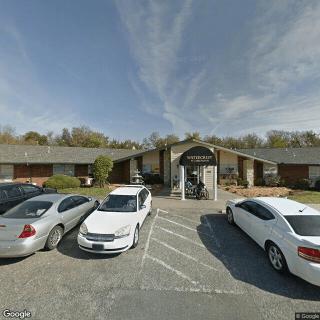
3510 W. Central Ste. 100, Wichita, KS 67203
To contact a resident: (316) 262-8339
For more information about senior living options: (866) 208-4318
Overall Review of Home Buddy
Pros
 They have used the service for quite some time and have referred it to other family members, calling it wonderful and thanking it for the security it provides.
- They describe the service as having great customer service.
- The operators were always helpful, friendly and professional, and the call center was extremely caring, patient and considerate.
- They would recommend it to anyone seeking a lower-cost, high-quality alternative to the bigger companies.
Cons
 Nobody answers anymore.
- They don't answer when customers call for help.
- They don't answer when the device isn't working.
- Customers experience over 10 minutes to reach someone after pressing the button.
- If a device is broken and a replacement is needed, customers might have to wait at least a week.
- Customers may wait several days to receive a response, with a few more days for someone to come out.
- The reviewer has expressive aphasia, so leaving a voicemail makes it hard to get help.
- They struggle to say their phone number, making it hard to get a call back.
- If safety measures don't work and replacements are hard to obtain, they should not be selling medical equipment.
- There have been repeated issues with HOME Buddy, prompting a change in service.
Review
Home Buddy in Wichita, KS is best suited for families seeking an affordable safety net with basic monitoring, where the resident can tolerate occasional gaps in service and caregivers are comfortable managing uncertain response times. It appeals to households watching every dollar and prioritizing price over guaranteed immediacy. Those who should consider alternatives are families needing consistently rapid emergency handling, or residents with high fall risk or complex medical needs that demand dependable, 24/7 response and robust contingency plans. In such cases, higher-profile providers with larger staffing and stronger escalation processes merit serious comparison.
On the plus side, Home Buddy delivers value when the system is active. Several reviewers report positive, even exemplary, engagement from the call center staff, described as caring, patient, and professional. The service is pitched as a more affordable option without lowering quality, and in favorable moments it provides reassurance that a live person is available to assist. For families prioritizing budget discipline, the perceived savings matter, and when the line is answered promptly, the experience can feel appropriately supportive and responsive.
However, reliability is the critical fault line. The most damning pattern across reviews is the persistent difficulty getting anyone on the line. Messages, calls, and alerts can go unanswered for extended periods, which defeats the fundamental purpose of a life-alert system. Instances are cited where a residentā€™s emergency went unanswered for hours or days, a serious safety liability. One troubling account describes a fall in the early morning with no response, followed by a separate incident, gaps that expose a systemic vulnerability rather than an isolated mishap. The device issues extend to broken units and delays in replacements, further eroding trust in the safety net. Compounding the problem, for residents with expressive aphasia or other communication barriers, leaving voicemails is not a reliable workaround, limiting access to rescue when seconds count.
These reliability gaps do not evaporate because the staff are capable on the occasions when contact is achieved. The strongest pros, lower cost and compassionate operators, are meaningful, but they are outweighed by repeated, concrete safety risks. In practice, the positives can feel conditional: excellent support when the system handles a routine alert, diminished value when the service fails during a true emergency. The result is a service that can sustain peace of mind for some families during ordinary days, yet leaves real concern in the face of urgent need.
For families weighing the decision, the value proposition hinges on risk tolerance and the availability of backup plans. If choosing Home Buddy, demand a clear, written service-level commitment that addresses 24/7 coverage, guaranteed response times, and a transparent escalation protocol. Seek confirmation of backup operators or redundancy during off-peak hours, and insist on a straightforward replacement process for any malfunctioning devices. Request real references with recent experiences, and push for a test period or temporary enrollment to observe performance in your specific situation. And insist on accessible communication channels that accommodate residents with speech or comprehension challenges.
In the end, Home Buddy offers a practical option for budget-focused families who can live with occasional response delays and less-than-crystal-clear guarantees. It is not the choice for households that require rock-solid, always-on protection with predictable, lightning-quick response. The decision should weigh cost against the potential safety risk of delayed alerts, and prioritize providers with proven, uninterrupted 24/7 support and robust contingency planning. If reliability cannot be compromised, explore alternatives and compare not just price, but the exact level of emergency responsiveness and accountability offered.
 Wichita Mid-Continent (4 miles away)






 Financing Long-Term Nursing Home Care Through Social Security: A Thorough Exploration
 Essential Knowledge on Pneumonia in Older Adults
 Exploring Palliative Care in the Home: A Comprehensive Overview