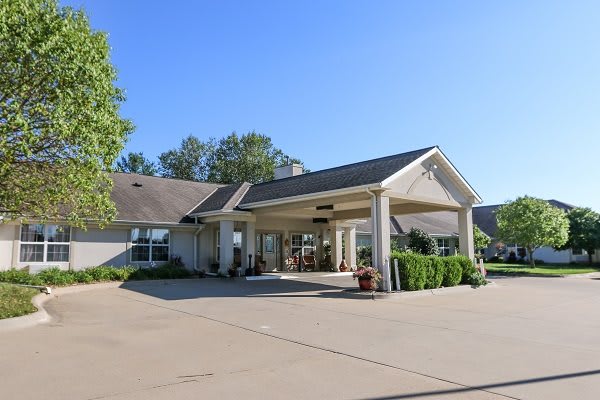
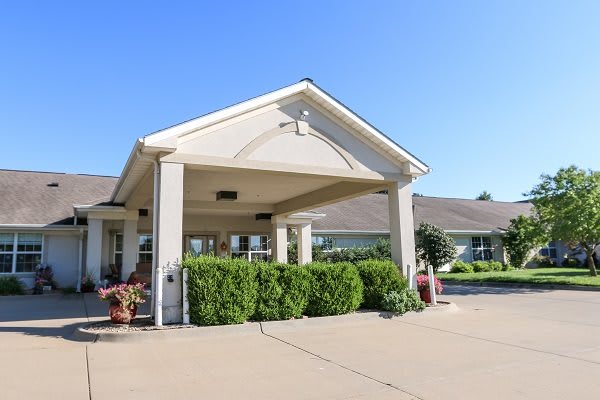
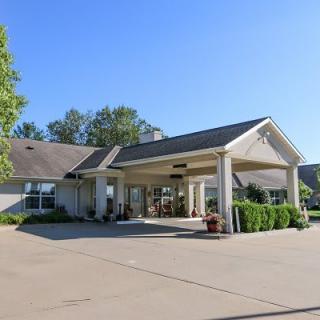
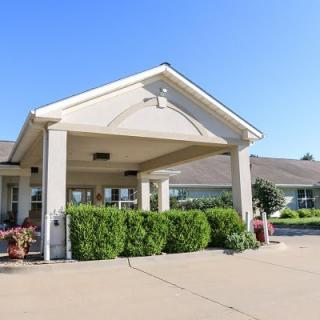
1607 Fourth Street, Wamego, KS 66547
To contact a resident: (785) 456-8997
For more information about senior living options: (866) 208-4318
Vintage Park at Wamego Costs & Pricing
Vintage Park at Wamego offers a competitive pricing structure for its studio accommodations at $4,830 per month. This rate is slightly above the average costs in Wabaunsee County, which sits at approximately $4,607, and significantly higher than the statewide average in Kansas of $4,094. While Vintage Park may be priced higher than both the county and state averages, it's essential to consider the potential added value of services and amenities that accompany the residence. Residents may find that the quality of care and community engagement offered here justifies the premium rate compared to other options available in the region.
| Floor plans | Vintage Park at Wamego | Wabaunsee County | Kansas |
|---|---|---|---|
| Studio | $4,830 | $4,607 | $4,094 |
Assisted Living communities with a similar price nearby
-
from -$680 / mo
Homestead of Manhattan
$4,150 to $4,800 / month16.9 miles away
Overall Review of Vintage Park at Wamego
Pros
 Vintage Park's staff are friendly, attentive, and competent.
- The food at Vintage Park is consistently high quality with a wide range of choices.
- Residents have daily activities and regularly gather in the common areas.
- The home is scrupulously clean inside and out.
- Staff genuinely care about residents, making each person feel valued.
- Residents with dementia are engaged with others through a variety of activities.
- The rent is considerably lower than other area facilities, and the all-inclusive pricing is reasonable.
- The facility offers frequent outings, entertainment, and meals, with transportation to appointments via their mini bus.
Review
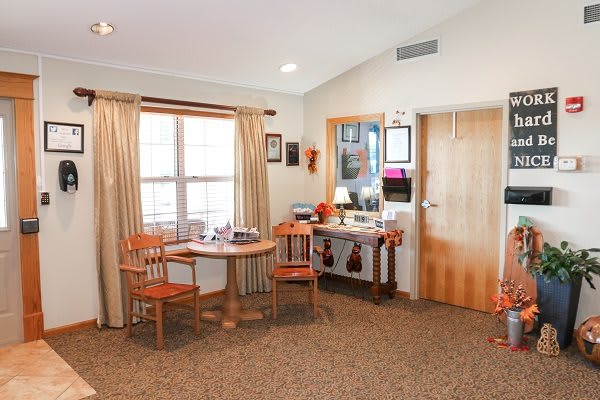
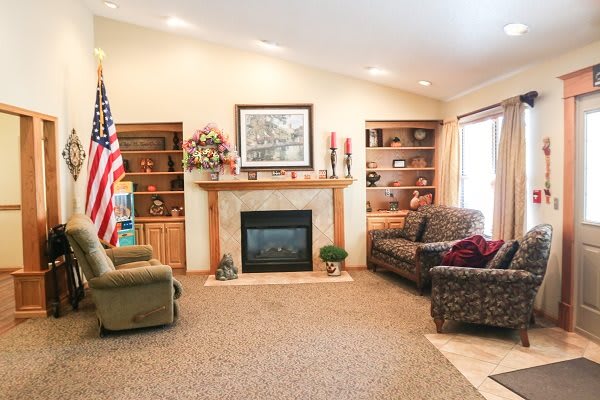
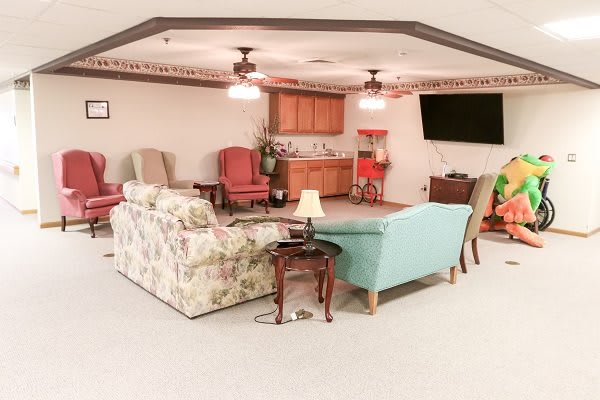
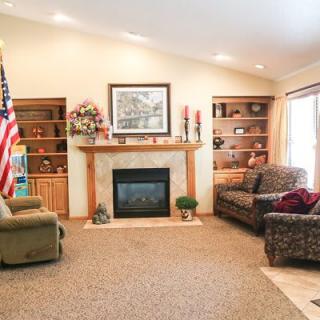
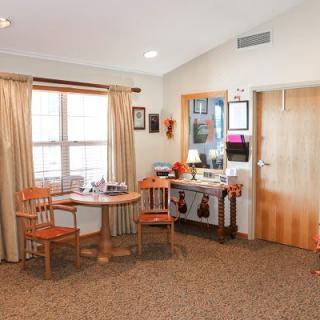
Vintage Park at Wamego is best suited for families seeking a small, homelike assisted living that emphasizes personalized attention, daily engagement, and dementia-friendly activity in a tightly knit community. With capacity for about 30 residents, the atmosphere remains intimate rather than institutional, allowing staff to know each resident’s preferences, routines, and health nuances. The setting works especially well for residents who thrive on regular social interaction, familiar faces, and programs designed to keep minds and bodies active. For families prioritizing warmth over spectacle, this is the clear frontline choice.
Alternatives make sense for two main profiles: those who want a larger campus with more expansive medical staffing and a broader social ecosystem, and families seeking a formal memory-care wing with pronounced, specialized programming. If the aim is a bigger, more bustling campus or access to a wider array of on-site therapies, Vintage Park’s small footprint may feel restrictive. Likewise, for residents who require intensive, specialized memory-care infrastructure or a highly diverse dining and activity calendar, other communities with larger scales could be preferable. In short, this is not the pick for those chasing scale, novelty, or extensive medical complexity.
The strongest value proposition rests on strong, approachable caregiving and a robust activity slate that flows through every day. Staff are consistently described as friendly, attentive, and genuinely caring, with directors and wellness staff closely monitoring each resident’s needs and medications. A hallmark is the deliberate effort to keep dementia-affected residents engaged rather than segregated, which aligns with the care philosophy that small, social environments can sustain dignity and autonomy. The all-inclusive pricing, featuring comparatively lower rent and no obvious upcharges, enhances practicality, and a micro-bus transports residents to appointments or events, reinforcing independence without cost penalties.
These advantages, however, must be weighed against the cautions raised by the occasional negative experiences. Two one-star reviews surface, signaling that in practice, satisfaction is not universal and expectations can diverge. In a smaller operation, turnover or hiccups in communication can leave lasting impressions. Prospective families should probe for current staffing stability, how care plans are updated, and how quickly needs are translated into action, especially for residents with evolving medical or memory-support requirements. A prudent approach eschews assuming uniform perfection and instead asks pointed questions about responsiveness, consistency, and what happens when health needs intensify.
For families actively evaluating Vintage Park, the practical next steps are clear. Schedule a visit and request a current activity schedule, a tour of typical apartment layouts, and a face-to-face meeting with both the director and the wellness director. Review a sample care plan, confirm what is included in the all-inclusive rate, and verify whether medications, therapies, and transportation are covered. Inquire about memory-care programming and how the community handles residents who may require higher levels of supervision over time. If possible, observe a dining service and attend an activity to judge whether the pace and tone match the resident’s preferences. The insights gathered will reveal whether the intimate charm translates into everyday security and satisfaction.
Ultimately, Vintage Park at Wamego stands as a practical, high-value option for families prioritizing a warm, resident-centered environment in a compact, well-supported setting. Its key strengths, attentive staff, engaging programming, a home-like feel, and predictable, all-inclusive pricing, often offset the inherent limits of a smaller community. This is a strong choice for seniors who want to stay socially engaged, maintain dignity, and enjoy regular connection with caregivers and peers without the frills and fragmentation that sometimes accompany larger campuses. For those who need a broader clinical footprint or a larger social ecosystem, exploring comparable options will ensure the best alignment of care needs, budget, and lifestyle.
 36 resident community capacity
 Studio apartments
 Assisted Living
 Cats allowed
 Dogs allowed
 Activities off-site
 Air-conditioning
 Beautician on-site
 Cable or satellite TV
 Devotional services off-site
 Dining room
 Fully furnished
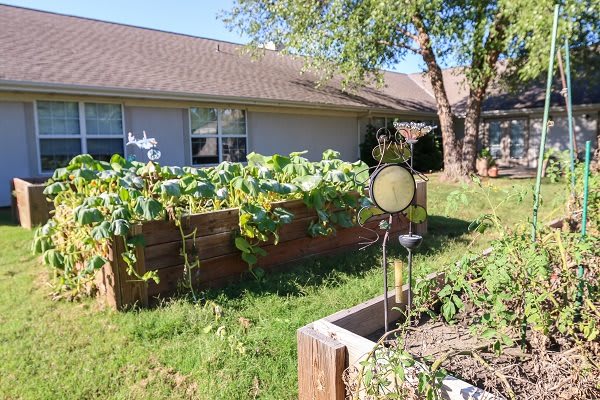
 Garden
 Ground floor units
 Housekeeping services
 Indoor common areas
 Kitchenette
 Move-in coordination
 Outdoor common areas
 Respite or short term stays offered
 Telephone
 Wi-Fi/high-speed internet available
 Manhattan Regional (19 miles away)
 24-hour call system
 Ambulatory care
 Assistance with bathing
 Assistance with dressing
 Assistance with transfers
 Diabetes diet
 Diabetic care
 Incontinence care
 Meal preparation and service
 Medication management
 Mental wellness program
 Special dietary restrictions
 Transportation arrangement (medical)
 Transportation to doctors appointments
 Art classes
 Catholic services
 Day trips and outings
 Happy hour
 Karaoke
 Live musical performances
 Wine tasting
 Yoga / chair yoga


 Vibrant Senior Living: A Comprehensive Guide for Active Older Adults
 When to Transition from Assisted Living to Memory Care: Key Indicators, Steps, and Finding the Right Community
 Assisted Living and Memory Care: Understanding Their Core Differences