

2103 Grandview Dr, Wamego, KS 66547
To contact a resident: (785) 456-6692
For more information about senior living options: (866) 208-4318
Overall Review of Good Samaritan Society - Grandview Suites
Pros
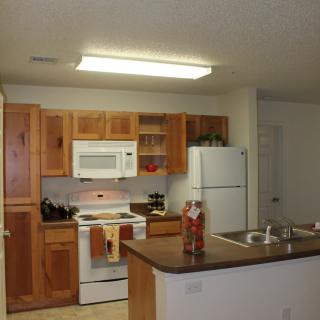
 The facility is beautiful, stylish, and cozy, with spacious resident rooms and a caring, attentive staff.
Cons
 The review warns that potential clients should look elsewhere for care.
- It expresses concern about conditions, noting management is not readily available or responsive.
- It notes there is no transportation provided, despite being promised as an amenity.
- It says the food served is not appetizing, nor nutritious.
- It mentions meals are provided on styrofoam containers with plastic forks.
- It describes a typical meal as a cold hot dog on a cold bun, with cole slaw and canned peaches in heavy syrup.
- It states there are no diet modifications for diabetics or other health conditions made available.
Review
Good Samaritan Society - Grandview Suites in Wamego is best suited for seniors who want a polished, comfortable living setting with a visibly attentive staff, and who can manage transportation and dietary needs outside the home base. The environment is inviting, with stylish, cozy common areas and spacious resident rooms that convey a sense of warmth. Families seeking a supportive day-to-day experience, where care staff appear approachable and resident interactions are frequent, will find this community appealing. However, the fit is less ideal for residents who rely on the facility for reliable transport, prompt administrative responsiveness, or strict dietary accommodations tied to chronic conditions.
Consider alternatives if transportation promises matter, if management responses have proven inconsistent, or if diet modifications for diabetes or other health needs are nonnegotiable. The landscape can change quickly if these core supports falter; in those cases, the promised conveniences may never materialize. For a resident with significant medical or nutritional requirements, providers with robust dietary programs and guaranteed transport should be prioritized.
Two clear strengths surface from the experience: the physical setting and the care vibe. Residents benefit from well-kept, aesthetically pleasing spaces and roomy accommodations that support comfortable living. The staff is described as caring and attentive, which translates into help with daily routines, companionship, and a sense of security. Those factors have real value for daily quality of life and can slow the sense of isolation common in senior living.
Yet serious concerns overshadow these positives. Management responsiveness appears inconsistent, with reports of limited availability and slow follow-through when issues arise. Transportation, a commonly expected amenity, is not reliably provided even when listed as available, creating a bottleneck for appointment schedules, outings, or simply maintaining independence. The dining program is a glaring mismatch for many residents: meals are described as unappealing and nutritionally questionable, served in disposable containers, with examples such as a cold hot dog on a cold bun, canned peaches in syrup, and little to no dietary accommodations for diabetics or other health conditions. These gaps threaten both nutrition and engagement.
These pros mitigate some concerns by supporting comfort, dignity, and social interaction, but the weight of the negatives remains substantial. A welcoming environment and visible staff warmth cannot compensate for inconsistent leadership and a system that fails to deliver essential services like reliable transport or appropriate meals. If a loved one requires careful meal planning, consistent administration, and predictable routines, the drawbacks are too material to overlook. For residents who are largely independent, with family support for transport and meal planning, the community can still offer a pleasant home base, but the risk of frustration grows over time.
Before deciding, prospective families should demand concrete confirmations: the exact transportation policy (availability, schedule, fees), real examples of dietary accommodations (diabetes-friendly options, texture-modified menus), and a plan for how management handles concerns quickly. Schedule candid conversations with current residents about response times and meal pickup, and request a trial period that includes meals and rides. If these fail to meet expectations, pursue alternatives with stronger governance and reliable logistics. Good Samaritan Society - Grandview Suites can be a fit for the right person, but only where transport, diet, and management responsiveness align with critical needs.
 Assisted Living
 Activities on-site
 Devotional services off-site
 Indoor common areas
 Manhattan Regional (19 miles away)
 Ambulatory care
 Diabetic care
 Meals provided






 When to Transition from Assisted Living to Memory Care: Key Indicators, Steps, and Finding the Right Community
 Assisted Living and Memory Care: Understanding Their Core Differences
 Beyond the Bingo Hall: 50+ Enriching Activities for Seniors in Assisted Living