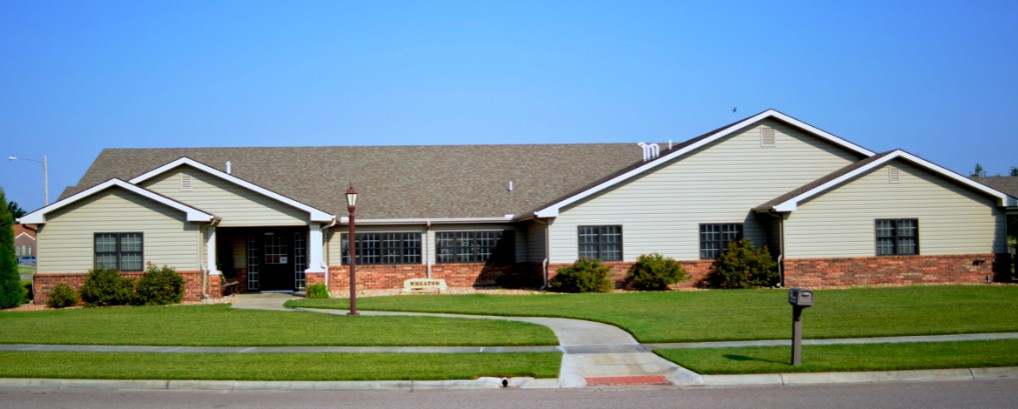
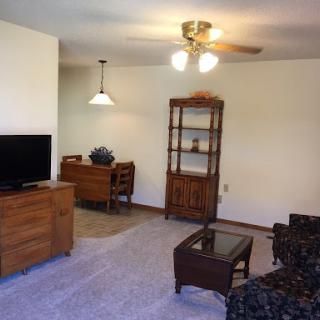
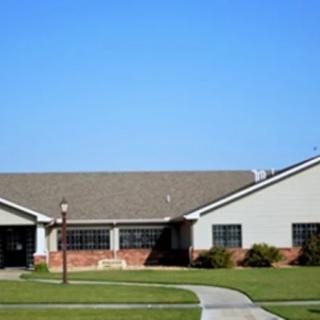
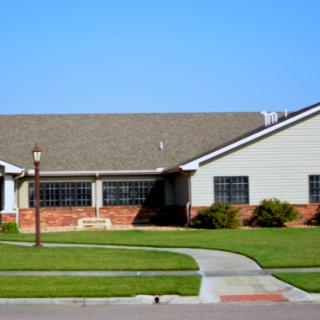

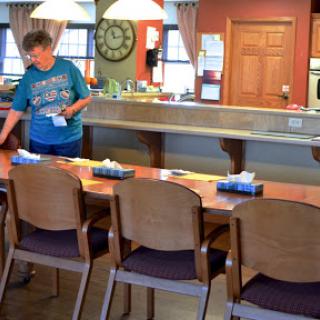
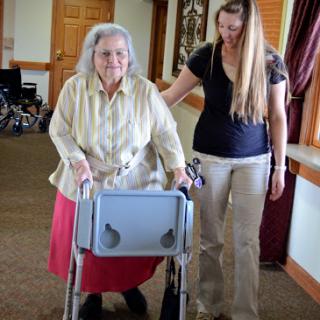
600 West Blanchard Avenue, South Hutchinson, KS 67505
For more information about senior living options: (866) 208-4318
Overall Review of Mennonite Friendship Communities
Pros
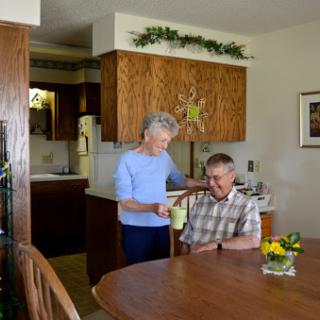
 The independent living stay was fine, and she was happy and safe.
- Maintenance helped them with various issues, for which they were very grateful.
- Some caregivers were exceptionally kind and caring.
- After moving to a different facility, she has had a complete turnaround and is thriving.
- The facility is clean, and the staff are friendly and caring.
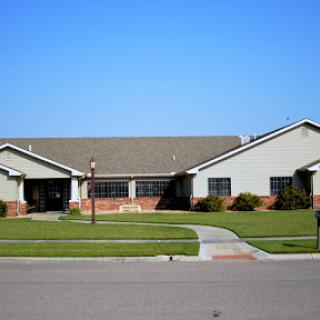
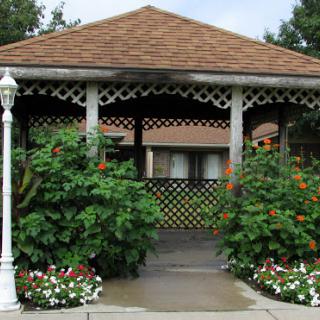
- The campus is well-kept with many activities and amenities, making it a strong option in the county.
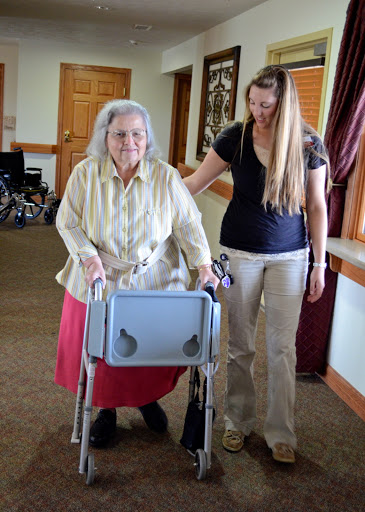
- The rehab program provides effective physical therapy, and the meals are very good.
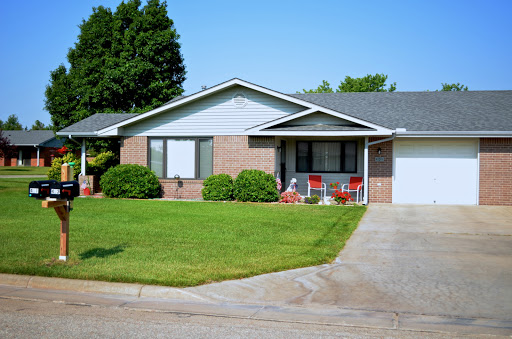
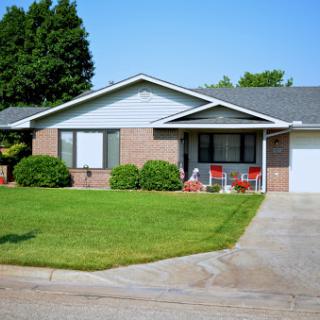
- The price is reasonable, with affordable options including income-based duplexes.
Cons
 Her stay in skilled nursing was very disappointing, filled with uncaring, non-empathetic people.
- They felt the caregivers were not fit to care for the elderly, who were scared and sometimes looking for only a smile and a little compassion.
- Nurses aides would not give their names, referring to themselves as cartoon characters.
- The husband was ignored and the nurses didn’t give him his scheduled pain meds, and staff would go through his personal belongings after visits.
- The dad was there for rehab and received poor care; they do not recommend rehab there for loved ones.
- The facility is so big that he would get confused finding his room or bathroom.
- There is a high staff turnover.
Review
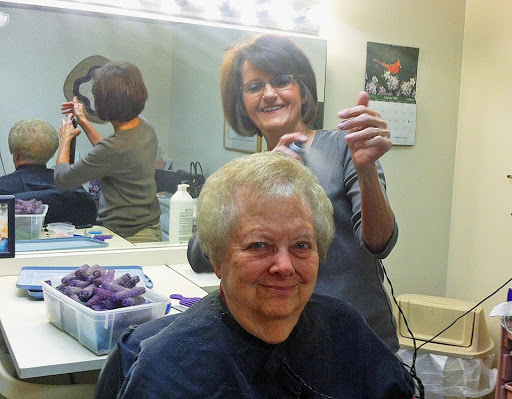
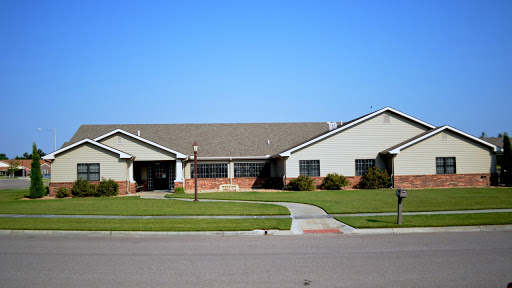
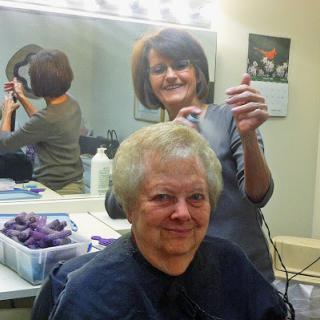
This community is best suited for retirees who want affordability coupled with a lively, campus-style environment that supports independent living and a robust slate of activities. It works well for residents who value on-site conveniences such as an on-staff home health nurse, various hobby rooms, a wood shop, a library, beauty services, chapels, and active social programming, all within a faith-oriented setting. It is particularly suitable for families who can navigate a large campus and who prioritize predictable cost options, including income-based duplexes, as a path to keeping loved ones close without sacrificing access to the main campus amenities. Those whose primary need is strong, highly consistent skilled nursing or a premium, low-stress rehab environment should look elsewhere, because this community’s strengths are social, functional, and affordability-driven rather than hospital-grade in every care interaction.
Those considering alternatives should listen to families seeking tightly coordinated, high-touch medical oversight. Residents who require constant, meticulously delivered medication management, minimal staff turnover, or an intimate, smaller-setting atmosphere may find the scale of Mennonite Friendship Communities challenging. The clearest mismatch tracks with experiences in skilled nursing and rehab, where reports range from adequate to concerning depending on the shifts and caregivers assigned. Families looking for a pivot-to-hospital level of attentiveness, with uniformly empathetic staff and consistently seamless daily care, will want to compare other facilities that emphasize stable SNF teams and more predictable daily routines.
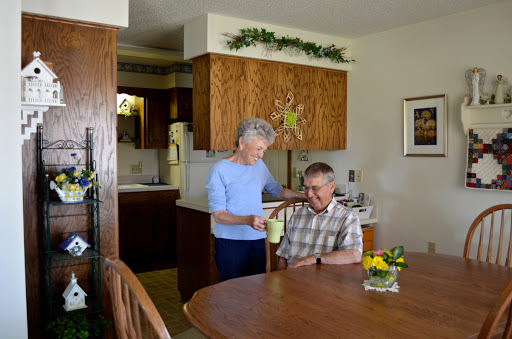
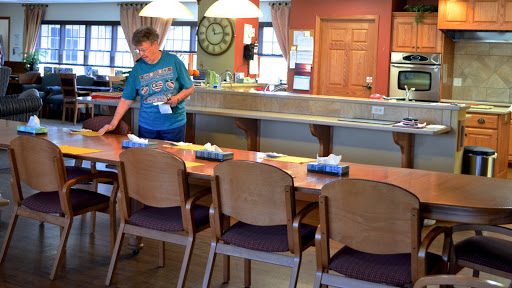
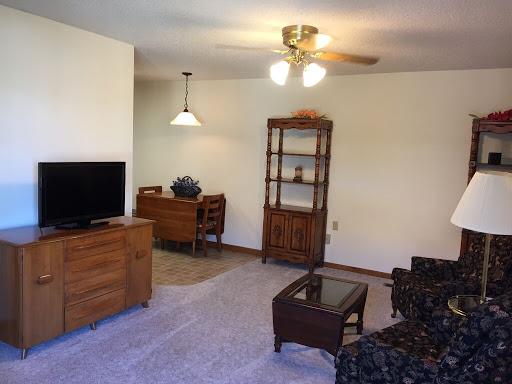
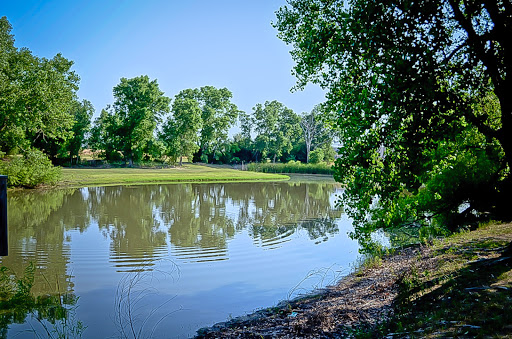
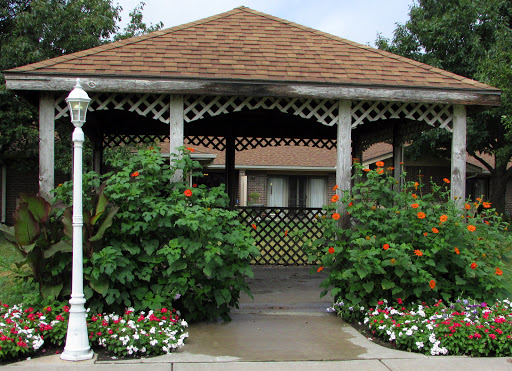
On the positive side, the strongest prou offset concerns about cost and size. Independent living is described as clean, well maintained, and pleasantly staffed, with a culture that feel friendly and cooperative. The campus offers a surprisingly broad array of activities for a budget-friendly setting: formal therapy programs and daily exercise options; a wood shop and hobby rooms; a large library with print-enlargement options; a sewing/creative area; regular church services; and social events that keep calendars full. Residents can drive or walk to outdoor spaces, and there are practical conveniences like a large laundry area and a systematically organized campus that maintains grounds and facilities at a high standard. For families seeking affordability without surrendering meaningful social engagement, these elements are meaningful, tangible benefits.
Yet the cons are real enough to influence the decision, especially for families prioritizing consistent medical attention. Several reviews recount uneven care in skilled nursing or rehab programs, with criticisms ranging from missed pain medications to questions about empathy and accountability among staff. High staff turnover and documentation concerns, such as personal belongings being handled without clear safeguards, compound worries about reliability in more medically demanding moments. The size and layout of the campus can be a potential barrier for some residents, particularly those who fear getting lost or overwhelmed by the territory. The facility does not present itself as a modern luxury, which matters to families weighing comfort and ambiance against cost and access to comprehensive medical supports.
Practically, a disciplined decision process is advised. Prospective families should schedule multiple visits, asking pointed questions about the rehab workflow, medication management practices, and how care plans are coordinated between independent living and skilled nursing segments. Inquire about staff retention rates, caregiver training, and how residents’ voices are heard when concerns arise. Assess whether the on-site therapy schedule aligns with a loved one’s rehabilitation goals, and verify access to walking programs, balance classes, and social activities that match interests. Verify the availability and cost structure of income-based duplex living, and confirm how long-term care transitions are handled if independence wanes. Above all, see how the campus feels in person, a vibe of warmth and competence matters as much as the written amenities.
In the end, Mennonite Friendship Communities delivers practical value for families prioritizing affordability, social engagement, and a broad spectrum of on-site activities within a faith-inflected, welcoming environment. It stands out for clean facilities, helpful maintenance, visible resident activity, and accessible therapy resources that support mobility and recovery in a cost-conscious package. However, it carries meaningful caveats around the consistency of skilled nursing care, staff stability, and the potential for large-campus complexity to overwhelm some residents. For those who need a consistently high-touch medical environment or a more intimate setting, exploring alternatives with stronger SNF coherence or smaller-scale communities is strongly advised. This is a viable, even attractive option for the right senior, one whose family can navigate the trade-offs with clear expectations and a plan for staying engaged long term.
 110 resident community capacity
 Assisted Living
 Air-conditioning
 Beauty salon
 Cable or satellite TV
 Computer center
 Dining room
 Fitness room
 Fully furnished
 Gaming room
 Garden
 Housekeeping services
 Kitchenette
 Move-in coordination
 Outdoor space
 Private bathrooms
 Restaurant-style dining
 Small library
 Telephone
 Wellness center
 Wi-Fi/high-speed internet available
 Community operated transportation
 24-hour call system
 Activities of daily living assistance
 Assistance with bathing
 Assistance with dressing
 Assistance with transfers
 Diabetes diet
 Medication management
 Special dietary restrictions
 Concierge services
 Planned day trips

 8 Key Indicators That Suggest It May Be Time to Transition from Assisted Living to Skilled Nursing Care
 Vibrant Senior Living: A Comprehensive Guide for Active Older Adults
 When to Transition from Assisted Living to Memory Care: Key Indicators, Steps, and Finding the Right Community