
600 W Blanchard Ave, South Hutchinson, KS 67505
To contact a resident: (620) 663-7175
For more information about senior living options: (866) 208-4318
Overall Review of Mennonite Friendship Manor Inc
Pros
 The resident in independent living was happy and safe.
- Maintenance helped them many times with various issues.
- Some caregivers were kind and caring.
- After moving to another facility, she thrived.
- The atmosphere is clean.
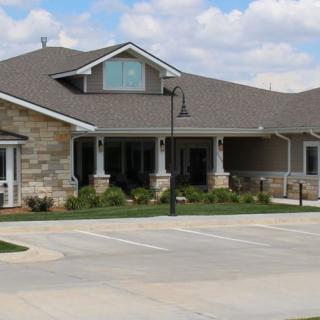
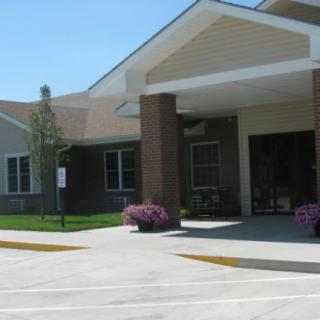
- The buildings and grounds are kept in excellent condition.
- The staff are generally friendly and care about residents.
- The staff are very helpful.
Cons
 Her stay in skilled nursing was very disappointing, filled with uncaring, non-empathetic people.
- Caregivers were uncaring and lacked empathy toward residents.
- Nurse aides would not give their names, referring to themselves as cartoon characters.
- He was ignored, and the nurses did not administer his scheduled pain medications.
- After visiting, staff would go through his personal belongings.
- The rehab care was poor and not recommended for loved ones.
Review
Mennonite Friendship Manor is best suited for seniors who want a clean, orderly independent-living environment with a staff presence that feels generally friendly and helpful, and who are comfortable with a campus where maintenance issues are addressed promptly. Families seeking a worry-free daily living experience, where upkeep and safety considerations are clearly prioritized, will find value here. This community works best for residents who do not anticipate needing high-intensity skilled-nursing care on a routine basis, or who can arrange alternative arrangements for medical needs if and when they arise. For those whose priority is strong, consistent nursing performance and compassionate medical attention, this may not be the right fit.
The strongest, recurring positives center on the living environment and the people who support daily life. Independent living tends to be smooth and agreeable, with residents reporting a clean atmosphere, a respectful tone, and staff who are generally friendly and helpful. Maintenance staff are repeatedly praised for responsiveness, solving issues quickly and keeping common areas well maintained. For families who place a premium on a well-kept campus and reliable routine services, these attributes translate into real, tangible peace of mind. In addition, several residents or families express confidence that, within the independent-living context, the community performs at a high standard compared with nearby options, further reinforcing its practical appeal for those located in the surrounding county.
However, the most compelling caveat centers on the skilled-nursing segment of the community. Reviews describe markedly disappointing experiences in SNF care, with caregivers perceived as uncaring or insufficiently empathetic toward anxious or frightened elderly residents. Instances of poor communication, including aides not identifying themselves, and concerns about personal belongings being mishandled or searched after visits, are repeatedly cited as red flags. The most serious gaps relate to medical care, pain medications reportedly not administered on schedule and overall inconsistencies in nursing attentiveness. While not all staff are described negatively, the recurring pattern raises a clear question for families: what happens when medical needs become the primary driver of daily life?
These conflicting realities compel a pragmatic trade-off analysis. The favorable elements, the clean, orderly environment and the generally helpful, friendly staff, especially in independent living, offset in many daily scenarios where medical oversight is minimal. For a resident who remains independent or requires only mild assistance, the positives can outweigh the occasional, isolated concerns. Yet when rehabilitation or consistent skilled nursing is needed, the negatives become a material counterweight. In short, the facility delivers solid value for independent living and standard campus support, but it does not provide the same level of assured medical acuity that many families expect from a dedicated SNF or rehab-focused setting.
Practical next steps sharpen the decision. Prospective residents should verify the level of medical support available within the same campus and understand the exact point at which transition to a different facility becomes advisable. Families should observe a care discussion with SNF leadership, request clarity on pain management protocols, and inquire about staff assignment practices and accountability, especially around medication administration and personal belongings. It is also wise to gauge the experience of current residents over time and consider a transition plan that prioritizes safety and continuity of care if health needs progress.
Bottom line: Mennonite Friendship Manor serves as a pragmatic option for older adults who prize a clean, well-kept environment and a friendly, responsive staff in independent living, with enough campus amenities to support comfortable daily life. For families prioritizing consistently high-quality skilled-nursing care or rapid, compassionate medical response, alternatives should be explored. This community can be an excellent fit for those who stay mostly in independent living or who can manage medical needs elsewhere, but it warrants caution for anyone counting on steady SNF performance as part of the plan.
 Board and Care Home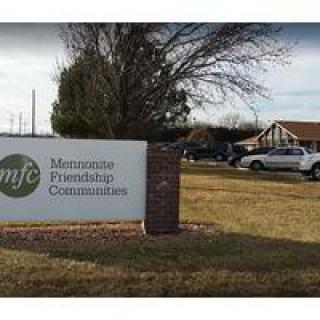


 Understanding the Nuances of Palliative Care and Hospice: A Comprehensive Exploration
 Fecal Incontinence in Older Adults: A Comprehensive Guide
 Recognizing the Journey: Understanding and Navigating Anticipatory Grief