For more information about senior living options: (866) 208-4318
4.4 from 33 reviews
5 stars
28
4 stars
0
3 stars
0
2 stars
0
1 stars
5
Overall Review of Home Helpers
common23 reviews mention this
Caregivers are consistently described
Caregivers are repeatedly described as compassionate, respectful, and attentive to seniors.
Many reviewers say the caregivers feel genuinely invested in their loved one, with repeated mentions of patience, compassion, professionalism, and kindness. Several families also describe feeling reassured that their relative was safe, comfortable, and well cared for. A few reviews also contrast the care against earlier experiences with other agencies, describing a stronger fit after switching.
common12 reviews mention this
Communication and responsiveness matter
Families describe strong communication and responsiveness from the office team.
Reviewers frequently mention quick responses, staying in touch, and being reachable when questions or concerns come up. Some describe help coordinating care schedules after a hospital discharge, and others mention the agency keeping them informed while arranging caregivers. One review also highlights continuity tools like a turnover log book meant to carry out care instructions consistently.
common5 reviews mention this
Dementia support comes up often
Multiple reviews mention dementia-related needs being handled with patience.
Several families describe working with the agency for Alzheimer’s or other dementia-related situations, including a case involving Lewy Body Dementia. Reviewers mention compassion and flexibility with care needs, and one describes coordination with hospice during a late-stage progression. One cautionary review specifically centers on handling of a dementia patient’s credit card policy, which families are encouraged to clarify during selection.
caveat6 reviews mention this
Billing and reliability concerns
Some reviews raise concerns about reliability and billing practices.
A subset of reviewers report problems such as extra hours appearing on invoices, billing requiring adjustment, and a lack of apology in at least one incident. There are also mentions of caregiver reliability issues, including a report of a caregiver sleeping and an incident involving a caregiver leaving unexpectedly. One strongly negative review adds concerns about cleanliness leading to bed bugs and describes conflict after complaints about credit-card use for a dementia patient.
How we summarize
Counts show how many written reviews mention each theme; a review can touch several themes, and only frequently mentioned themes are displayed.
Nearby Places of Interest
Physicians
KC Endocrinology & Diabetes (0.1 miles)
Kansas City Cancer Center (0.5 miles)
Jackson County Pulmonary Medical Group (0.7 miles)
College Park Specialty Center (1 miles)
Kansas City Allergy & Asthma Associates, P.A. (1.8 miles)
Seniors benefit from ride-hailing services like Uber and Lyft, which provide convenient and accessible transportation options that promote independence and social engagement, while addressing mobility challenges. These platforms have adapted to meet senior needs with user-friendly features and safety measures, although costs can be a concern; community programs may help subsidize rides for older adults.
The guide outlines the eligibility criteria for home health care services, emphasizing clinical requirements, insurance options, and application processes. It distinguishes between Medicare's strict and Medicaid's flexible qualifications while addressing challenges families may face in securing necessary care at home.
Elder abuse affects many older adults worldwide and includes physical, emotional, neglectful, and financial harm, with about one in six individuals over 60 experiencing abuse annually. Prevention and intervention strategies focus on awareness, support for caregivers, and mandatory reporting, while recovery necessitates comprehensive support for both physical and emotional needs.
Get PricingAsk A QuestionSchedule A TourContact Senior Advisor
By clicking submit, you agree to our Partner's Terms of Use. You
also consent to receive calls and texts, which may be autodialed, from our Partner. Your consent is not a condition to
using our Partner's service. Please visit our Partner's Privacy Policy for information about their privacy practices.

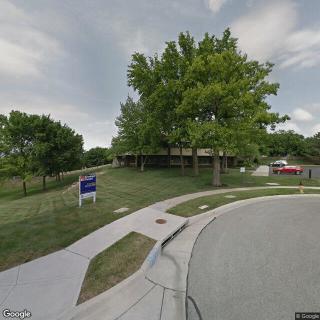
 Excellent nearby amenities and healthcare access.






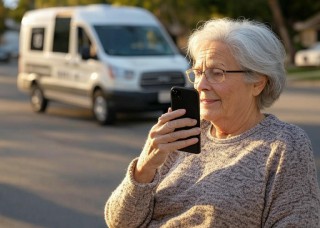 Seniors and Modern Transportation: Exploring Uber, Lyft, and Other Ride-Hailing Options
 Comprehensive Guide to Qualifying for Home Health Care Services
 Powerful Realities of Elder Abuse and the Most Effective Ways to Report It