
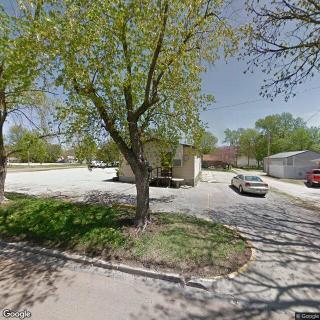
2620 North Kentucky Street, Iola, KS 66749
For more information about senior living options: (866) 208-4318
Graystone Residential Care Costs & Pricing
Graystone Residential Care offers competitive pricing for its services, with room costs that align closely with the average rates seen in Woodson County. For a private room, Graystone's monthly fee is $2,690, matching the local county rate and significantly lower than the state average of $5,137. Similarly, their one-bedroom accommodations are priced at $2,690, which again is favorable compared to the county's average of $3,210 and considerably below Kansas' statewide average of $3,859. This positioning not only highlights Graystone's commitment to providing affordable living options but also reflects its strategic approach within the broader market landscape.
| Floor plans | Graystone Residential Care | Woodson County | Kansas |
|---|---|---|---|
| Private | $2,690 | $2,690 | $5,137 |
| 1 Bedroom | $2,690 | $3,210 | $3,859 |
Overall Review of Graystone Residential Care
Pros
 Residents feel very comfortable living at Greystone.
- The staff are caring and professional.
- Residents feel safe at Greystone.
- Residents enjoy the activities and form friendships there.
- Staff know residents on a first-name basis and make every resident feel at home.
- Family visitors are always welcome.
Review
Graystone Residential Care in Iola, KS is best suited for seniors who want a warm, home-like setting where staff know residents well, daily life centers on comfort and safety, and there is a steady, human-focused rhythm to each day. This community shines for families seeking intimate, relationship-driven care rather than a large campus with a wide array of on-site services. It works best for residents who flourish with familiar routines, personal attention, and a sense that the place is truly “home.” For those who prize the feeling of a close-knit, small-scale environment where caregivers become trusted allies, Graystone is a compelling match.
Those who may want to consider alternatives are residents with more complex medical needs or who require robust, on-site skilled nursing and specialized memory care. If the priority is frequent, highly clinical oversight, extensive rehabilitation services, or a vast activities calendar with many therapists and specialized programs, a larger facility or a setting dedicated to memory care could be a better fit. Families should also weigh whether they want more formalized care plans or a broader menu of on-site amenities than a small residential setting typically offers.
The strongest pros center on people and safety. The sole review highlights caring, professional staff across all departments, with a notable commitment to making each resident feel at home. Comfort comes not just from tenderness but from consistency, staff members who know residents by name and anticipate needs, which nurtures reliability and reduces anxiety for both residents and families. The resident’s sense of safety is reinforced by staff familiarity and a home-like atmosphere, where daily activities and social connections feel approachable rather than institutional. This combination of warmth and competence is the facility’s core strength.
These advantages offset typical tradeoffs that come with smaller communities. While Graystone may not boast the breadth of services or the scale of resources found in larger campuses, the benefit is a more personalized, attentive experience. When staff interactions are frequent and residents are greeted by familiar faces, response times tend to be quicker, and minor concerns are addressed with a level of continuity that larger settings struggle to sustain. Families repeatedly observe that the setting’s intimate culture translates into consistent routines, meaningful relationships, and a reassuring sense of belonging for elders.
For families evaluating options, practical considerations during visits should center on tangible everyday realities: how staff engage with residents, whether conversations feel natural and respectful, and if safety measures (such as fall prevention and accessible assistance) are evident in the daily flow. Inquire about the activity calendar, what kinds of social and cognitive stimulation are routinely offered, and how family involvement is accommodated. Ask about transition experiences for new residents, the ease of arranging physician visits, and how care plans are documented and updated. The answers will illuminate whether Graystone’s personal, home-like approach aligns with the resident’s medical and social needs.
In the end, Graystone is a strong recommendation for families prioritizing authenticity, personal attention, and a true sense of home. It delivers the intangible rewards of consistent caregivers who know residents intimately and respond with kindness, stability, and respect. For seniors requiring intensive medical support, complex rehabilitative services, or expansive programming, alternatives with greater clinical depth may serve better. When the aim is to preserve autonomy within a compassionate, familiar setting, Graystone Residential Care stands out as a practical, grounded choice that tends to translate into daily comfort and peace of mind for both residents and families.
 30 resident community capacity
 Assisted Living
 Board and Care Home
 Memory Care
 Cats allowed
 Dogs allowed
 Activities off-site
 Bath tubs
 Beauty salon
 Cable or satellite TV
 Devotional services off-site
 Dining room
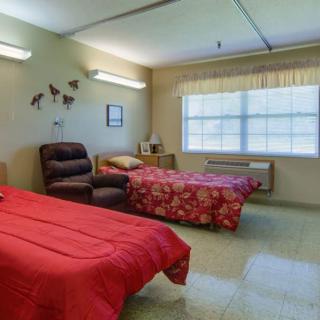
 Fully furnished
 Garden
 Housekeeping services
 Indoor common areas
 Kitchenette
 Move-in coordination
 Outdoor common areas
 Private
 Private bathrooms
 Respite or short term stays offered
 Restaurant-style dining
 Small library
 Telephone
 Wheelchair accessible showers
 Wi-Fi/high-speed internet available
 24-hour call system
 Ambulatory care
 Assistance with bathing
 Assistance with dressing
 Assistance with transfers
 Diabetes diet
 Diabetic care
 High acuity care
 Incontinence care
 Medication management
 Mental wellness program
 Special dietary restrictions


 Delving into the Inner World of Dementia: Insights into Thoughts and Awareness
 Five Subtle Dementia Indicators to Observe: An In-Depth Guide to Understanding “Does My Mom Have Dementia?”
 Dementia, Paranoia, and Caregiver Guidance: Understanding the Connection