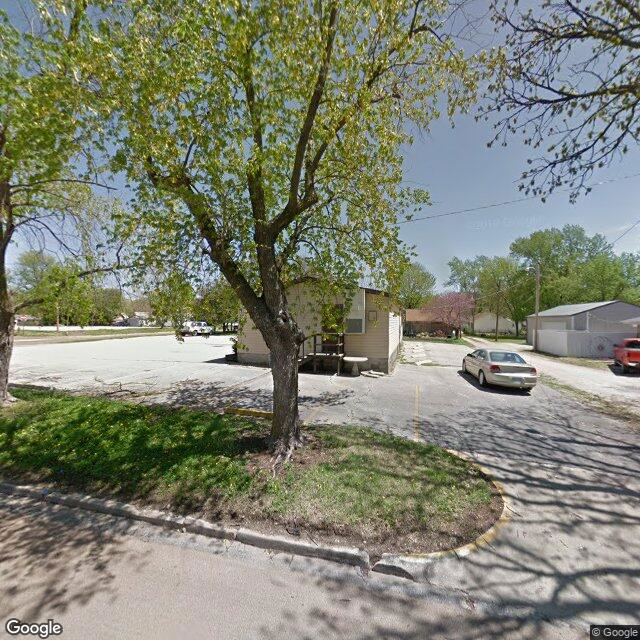
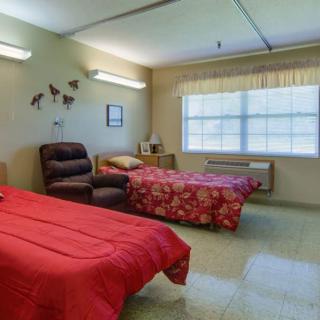
Allen County Hospital in Iola, KS
Save
Information last verified:
201 S 2nd St, Iola, KS 66749
For more information about senior living options: (844) 490-3973
This community is best suited for adults who want solid, capable acute care from a nursing and medical staff that can be exceptionally competent in procedures and direct medical tasks, and who can tolerate a wide range of day-to-day experiences. The hospital shines in settings where there is a straightforward need: outpatient procedures with attentive anesthesia teams, clean, well-equipped rooms, and staff that can deliver calm competence when the situation is not escalating into a life-or-death crisis. In particular, patients who prize clean environments, clear procedural pathways, and reliable technical care, such as wound care, physical therapy, and cataract surgery, will find moments of strong performance here. For families seeking a consistently warm bedside manner, predictable responsiveness, and advocacy when symptoms aren’t clear, this community will present both bright spots and real variances.
Those who should consider alternatives are primarily the ones who cannot tolerate mixed experiences in urgent or complicated situations. Several reviews flag encounters where listening, empathy, and proactive testing were lacking, especially in high-stakes ER visits or when neurological, cardiovascular, or severe pain issues were involved. Patients who need thorough triage, persistent follow-up, and staff who will advocate for their concerns, rather than moving on to the next patient, may be better served elsewhere in the region. When urgent symptoms arise, the fear expressed by some families about miscommunication or dismissed concerns is not trivial; in such moments, options with more consistent bedside engagement and stronger patient advocacy can make a meaningful difference. If a family is counting on timely, thorough investigation and clear communication, alternatives warrant serious consideration.
On the plus side, the pros are tangible and repeatedly noted. Several reviews highlight nurses, anesthesia teams, and physicians who demonstrate genuine care and technical proficiency during procedures and post-procedure recovery. The environment itself earns praise: cleanliness, ample space in patient rooms, and a staff that can be responsive and professional in many departments. Positive experiences in physical therapy and cataract surgery demonstrate the hospital’s ability to deliver high-quality specialty services when the right clinicians are involved. A number of patients also commend the consistency and courtesy of certain nurses and front-line staff, and one recent outpatient procedure report describes a team that was “amazing” from the surgeon to the nursing staff, underscoring that competent, compassionate care is very real here when conditions align. These moments prove that the hospital can meet high expectations.
Yet the cons appear with blunt clarity in a large portion of the feedback. The ER, in particular, emerges as a place where care quality can swing sharply from excellent to unsatisfying. Complaints include rude bedside manner, interruptions that derail patient explanations, and real concerns about being heard or taken seriously during critical moments. Several patients describe delays, inconsistent triage, and a sense that testing or diagnostic steps were not pursued with the urgency required by the symptoms. Privacy issues during wound care and routine procedures further compound the unease, signaling an environment where patient dignity can feel compromised. And there are voices warning that some clinicians may not listen or validate concerns, leaving families feeling dismissed even when a clear problem exists. The result is a pronounced risk that expectations for urgent care will not be consistently met, depending on who is on duty.
The key question for decision-making is whether the strong, serviceable elements offset the significant variability in experience. For those who prioritize dependable procedural care, a clean, well-equipped setting, and skilled staff in specific areas, Allen County Hospital can deliver value, especially for straightforward outpatient work, routine exams, and targeted therapies where the clinicians involved have shown competence and care. However, for patients who require steadier, more emphatic advocacy, or for those facing ambiguous symptoms that demand careful, comprehensive evaluation, the gaps in listening, timely testing, and patient-centered communication are nontrivial. The reviews suggest that the hospital’s best performances come when the right clinicians are present and the patient’s needs align with the staff’s strengths; when this alignment fails, the gaps feel pronounced.
For families weighing next steps, a practical approach is essential. If choosing this hospital, prepare to engage actively: identify a go-to clinician for your visit, request explicit explanations of tests and results, and insist on a clear plan for next steps, especially if symptoms shift or persist. When possible, seek a second opinion through the ER or an outpatient specialist, and don’t hesitate to involve a patient advocate or family member who can push for thorough evaluation and timely communication. Consider scheduling non-urgent but important care, like physical therapy or cataract procedures, where repeat visits can build rapport with a familiar team and elevate overall experience. And always weigh the option of nearby facilities with stronger reputations for consistent bedside care, particularly for complex or high-stakes conditions.
In the end, Allen County Regional Hospital is a mixed instrument: capable, even excellent, in the right hands and the right department, but uneven in how it handles urgent concerns and patient advocacy. It serves as a reasonable choice for straightforward outpatient work, routine testing, and certain specialty services where the clinicians have proven their competence and compassion. For families who demand unwavering attentiveness, proactive listening, and consistently thorough evaluation under pressure, the prudent move is to explore alternatives in the region while keeping this community as a viable, lower-stress option for clearly delineated care needs. The right decision hinges on aligning the patient’s medical complexity and advocacy expectations with the department and clinician the team can reliably provide.
The Allen County Hospital in Iola, KS is located in a vibrant community that offers a range of amenities and services for residents. Conveniently situated near various facilities, this assisted living community provides easy access to essential establishments that cater to the needs and preferences of its residents.
For those who enjoy dining out or socializing over coffee, there are 12 restaurants and 1 café nearby, offering a diverse selection of cuisines and culinary experiences. Whether craving a casual meal or seeking a fine dining experience, residents have plenty of options to choose from.
Nature enthusiasts can take advantage of the 1 park in close proximity to the community. These green spaces provide opportunities for leisurely walks, picnics, or simply enjoying the outdoors. Additionally, residents have the chance to engage with nature and maintain an active lifestyle within a serene environment.
Ensuring easy access to medications and pharmaceutical care, there are 4 pharmacies nearby. This offers convenience and peace of mind for residents requiring regular prescriptions or medical supplies. The availability of nearby physicians further guarantees prompt medical attention whenever necessary.
Transportation options are also readily available with 2 transportation services nearby. This allows residents to travel conveniently within the area or even venture beyond if desired. Such accessibility fosters independence and freedom for individuals who may wish to explore the local community or enjoy outings.
Lastly, having 19 places of worship nearby reflects the diverse religious affiliations within the community. Spiritual support is easily accessible for those seeking solace, guidance, or simply wanting to connect with others who share their beliefs.
Overall, the assisted living community near Allen County Hospital in Iola, KS is ideally situated among numerous amenities and conveniences that enhance quality of life for its residents. With an array of dining options, recreational spaces, medical services, transportation choices, and spiritual support readily available nearby, individuals can live comfortably while feeling connected to their surroundings and maintaining their preferred lifestyles.
Located in the heart of Iola, Kansas, this area offers a variety of amenities and services that cater to seniors looking for a vibrant community. With several places of worship nearby, such as the Iola Community Vacation Bible School and Ward Chapel African Methodist Episcopal Church, residents can nurture their spiritual well-being. There are also numerous dining options like Rookies Sports Bar & Grill and El Charro of Iola for social gatherings and delicious meals. For healthcare needs, Ashley Clinic and Neosho Memorial Regional Medical Center are conveniently located within a short distance. Additionally, parks like Cofachique Park provide opportunities for outdoor recreation and relaxation. Overall, this part of Iola offers a welcoming environment with access to essential services for seniors seeking a comfortable and fulfilling lifestyle.
Allen County Hospital is located at 201 S 2nd St, Iola, KS 66749 in Woodson County, Kansas
Ten Vital Duties of a Senior Caregiver: A Comprehensive Guide

The guide details ten essential responsibilities of senior caregivers, including personal care, mobility assistance, medication management, and emotional support, while emphasizing the importance of safety, nutrition, and maintaining a safe living environment to enhance seniors' quality of life and independence.
9 Stimulating Memory Activities for Seniors: Puzzles, Cards, and Much More

The article highlights nine memory-boosting activities for seniors that enhance cognitive health and social interaction, including puzzles, trivia quizzes, and storytelling, while emphasizing the importance of adapting these activities to individual preferences to maximize enjoyment and engagement. Consistent mental engagement is linked to improved cognitive function and emotional well-being in older adults.
Managing Nursing Home Expenses After Medicare Coverage Ends
Medicare provides limited coverage for skilled nursing home care, covering full benefits for the first 20 days and partial benefits up to 100 days under certain conditions, after which families must explore alternative funding options like Medicaid or long-term care insurance to manage potentially high costs. Proactive planning is essential to navigate the complexities of financing ongoing care once Medicare coverage ends.