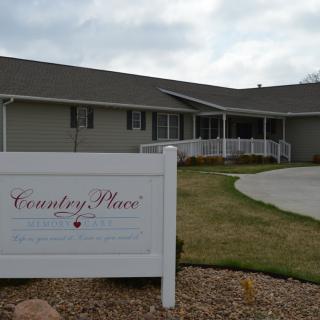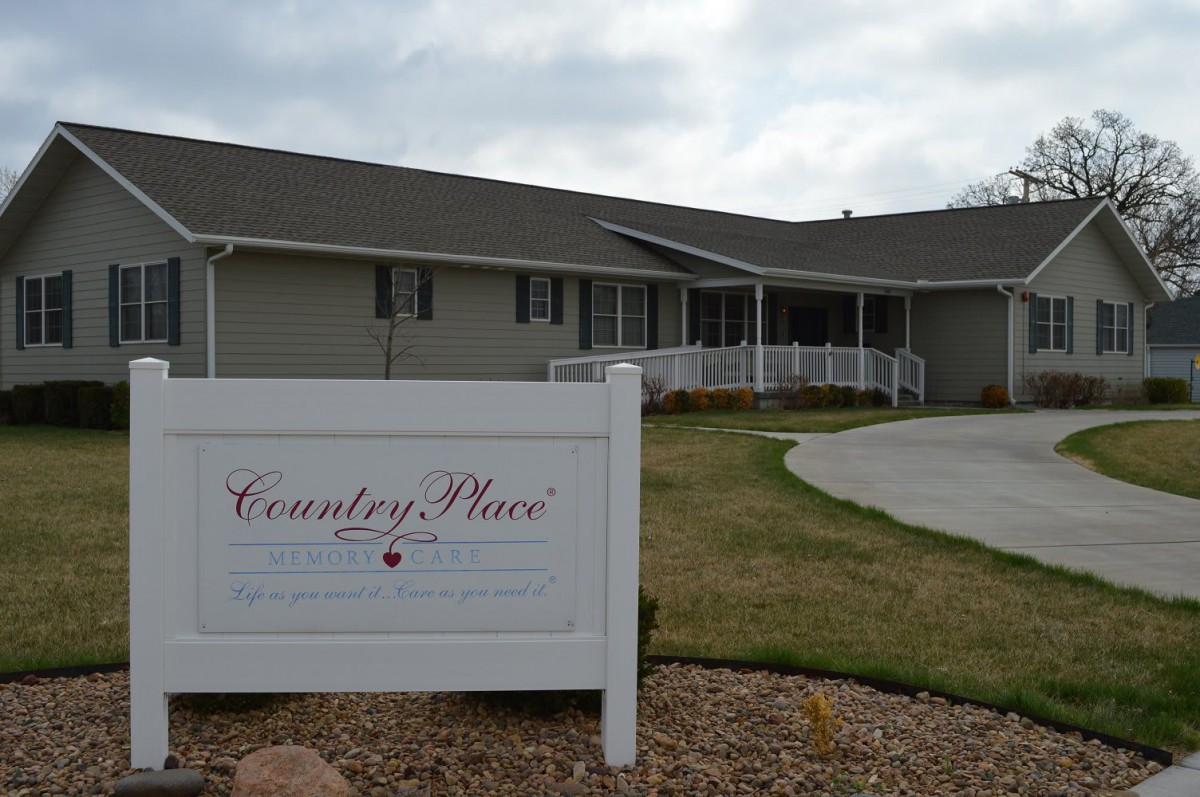
259 West 6th, Hoisington, KS 67544
To contact a resident: (620) 653-4121
For more information about senior living options: (866) 208-4318
Credo Senior Living Costs & Pricing
Credo Senior Living offers a competitive pricing structure for its studio accommodations, with a monthly cost of $4,200. When we compare this to the regional figures in Russell County and the broader Kansas state averages - $4,058 and $4,094 respectively - it's clear that Credo's pricing is slightly higher than both. However, this difference may reflect added value in services, amenities, or care options not immediately apparent in the basic cost comparisons. Prospective residents should consider these factors alongside the pricing to determine the best fit for their needs and lifestyle within the senior living landscape.
| Floor plans | Credo Senior Living | Russell County | Kansas |
|---|---|---|---|
| Studio | $4,200 | $4,058 | $4,094 |
Overall Review of Credo Senior Living
Pros
 The staff-to-resident ratio at Credo is amazing, enabling more personalized care.
- Credo has a homey feel.
- The staff sit with residents and hang out with them.
- The community offers medication distribution, dressing and bathing assistance as part of its care options.
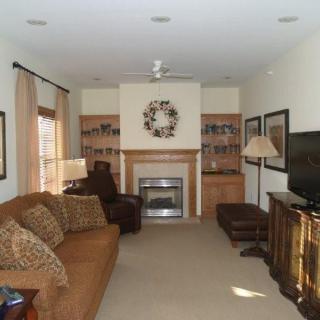
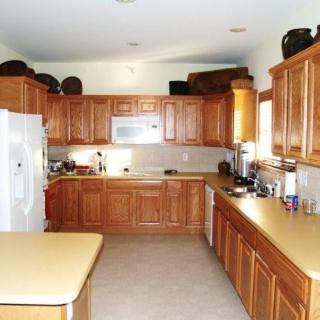
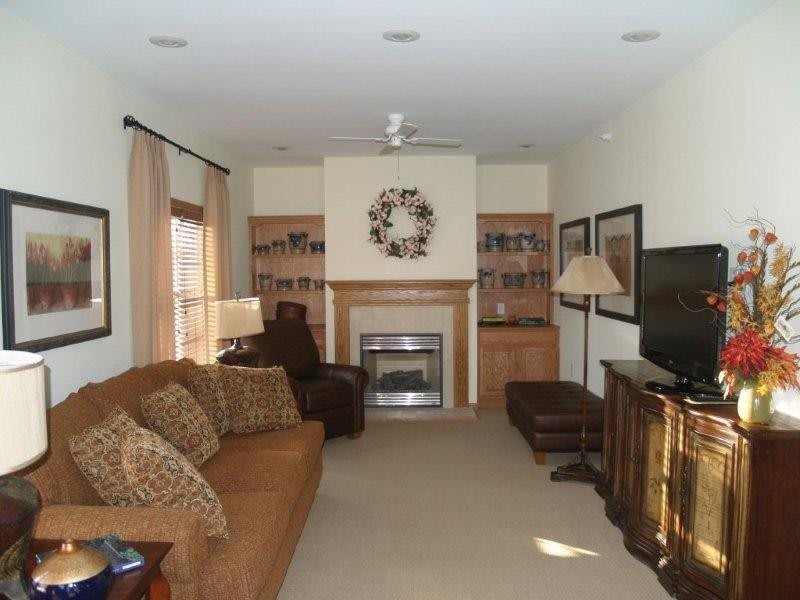
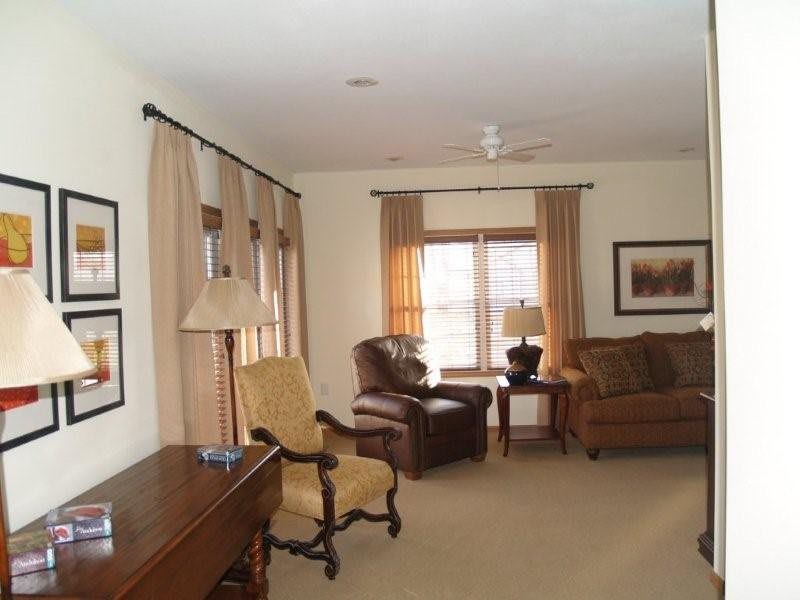
- The facility is beautiful and very comfortable, with awesome, kind, and wonderful staff.
- The staff are easy to work with and responsive to family questions and concerns.
- It is a nice place for loved ones and is worth recommending for senior family members.
Cons
 One reviewer felt it wasn’t a place they would want their mother to be living.
- One reviewer described the environment as not warm and fuzzy.
- One reviewer pointed out an unenclosed patio that could allow a resident to walk out.
Review
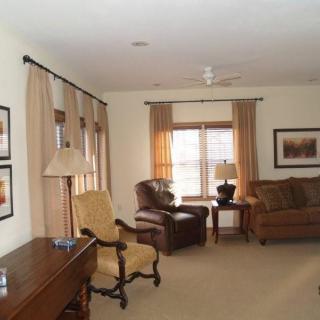
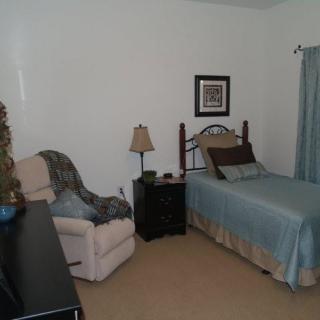
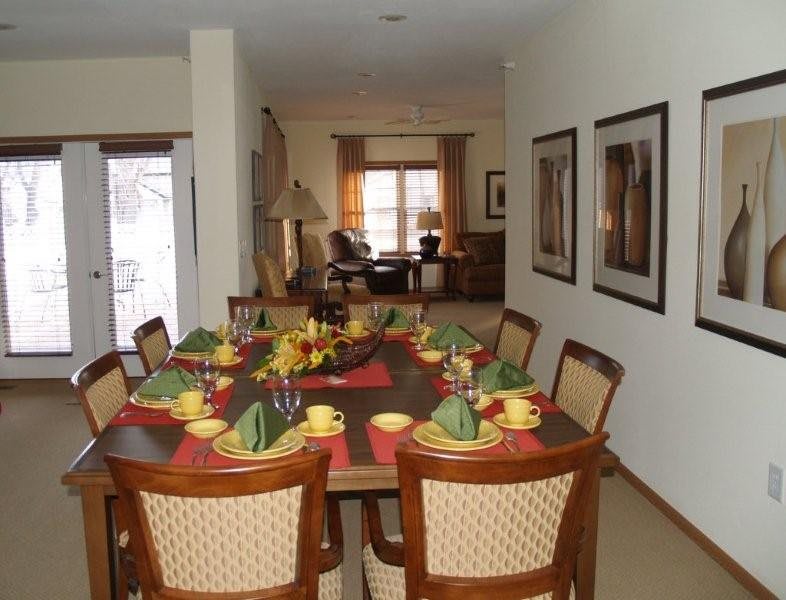
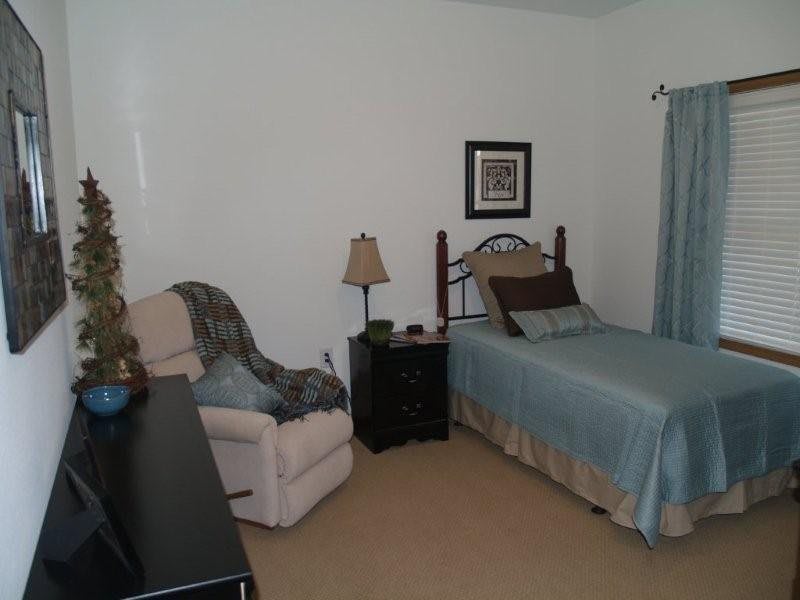
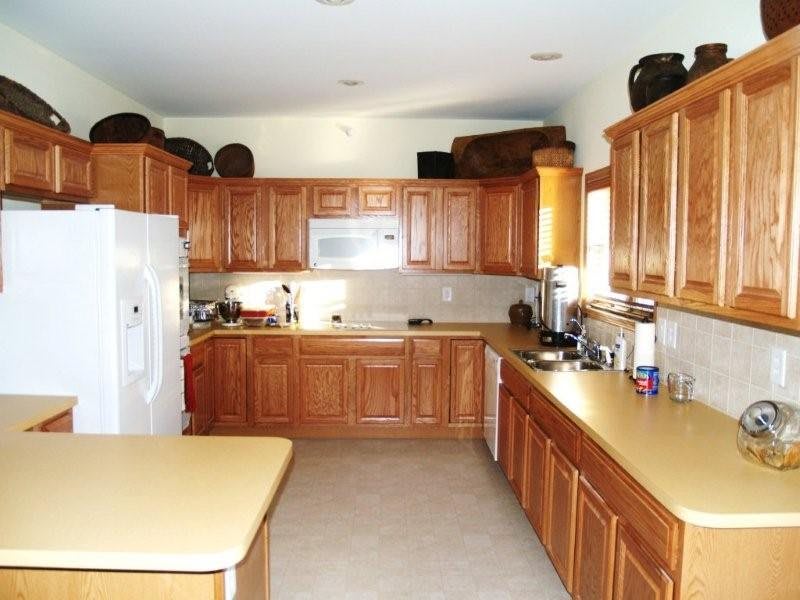
Credo Senior Living in Hoisington is best suited for seniors who want a genuinely home-like, intimate setting where care feels personal and the staff are noticeably involved in daily life. This community works best for residents who are relatively independent but still need help with routine tasks, medication distribution, dressing, and bathing. Families seeking a smaller footprint where conversations with caregivers happen face-to-face, and where staff sit with residents and build real rapport, will find Credo’s atmosphere and approach highly compelling. It operates like an apartment-style environment, so residents should be prepared to furnish their own living space and maintain a sense of personal autonomy within a supportive framework.
At the same time, some families should consider alternatives. The strongest caveat is that Credo does not feel like a grand, all-inclusive campus; it’s a smaller, apartment-area model where residents supply much of their own furnishings. For families prioritizing a fully furnished, turnkey experience or a setting with a more traditionally “warm and fuzzy” senior-living vibe, other options may be more comfortable. There is also a note from reviewers about outdoor areas not being enclosed, which can raise safety concerns for residents with wandering tendencies or a need for higher security. For memory-care needs or highly structured environments, a larger, more comprehensive community could be a better match.
The standout positives at Credo center on the human touch. The staff-to-resident ratio is remarkable, translating into highly personalized care and meaningful interaction rather than transactional check-ins. Residents are not spoken about in clinical abstractions; staff members actually sit with them, chat, and participate in daily routines, which makes the experience feel lifelike and engaging rather than institutional. Families consistently report that the team is easy to work with and responsive to questions and concerns, a vital factor when coordinating medications, dressing, bathing, and other daily supports. The homey, comfortable vibe reinforces trust: a place that feels like someone’s living room more than a hospital wing.
Yet, the downsides are not purely theoretical. Some reviewers point to the trade-offs of the apartment-like model: residents must provide their own belongings, which can be burdensome for families managing move logistics, downsizing, and funding logistics. A related reservation is that not every visitor finds the setting as warm or fuzzy as hoped; one perspective describes it as lacking the emotional warmth some families look for in a senior-living home. Finally, while Credo can deliver essential care tasks well, its size and structure may not deliver the same breadth of amenities, activities, social programming, or high-security outdoor spaces, that larger campuses offer. For families assessing needs beyond daily living assistance, these gaps matter.
When weighing pros against cons, Credo’s core strengths tend to offset its drawbacks for the right resident. The highly involved staff and the intimate, family-like culture create meaningful daily interactions that many families value above all else, especially for seniors who resist impersonal, templated care. The ability to tailor daily living around a resident’s preferences, without sacrificing reliable medication handling and basic personal care, is a strong compensating factor. The necessary trade-off is adjusting to a more apartment-like framework and furnishing requirements, plus the potential for less enclosure and fewer all-in-one campus conveniences. For those who prize warmth and a fully included, turnkey experience, the trade-offs may tilt toward alternatives.
In practical terms, Credo Senior Living is a strong recommendation for families who want a tight-knit, attentive caregiver presence and a living space that preserves independence within a supported environment. It suits residents who are comfortable contributing their own furnishings and who value direct, frequent engagement with caregivers. Before deciding, visit with the prospective resident to observe staff interactions, request a tour of the daily routines, and confirm how medications, meals, and personal care are coordinated. Ask about memory-care or safety options, especially regarding outdoor areas, and clarify what is included in monthly fees versus what must be supplied by the resident or family. If warmth, comprehensive all-inclusive services, and secured outdoor spaces are at the top of the list, it may be wise to explore larger communities as well.
 Assisted Living
 Memory Care
 Cats allowed
 Dogs allowed
 Activities on-site
 Devotional services off-site
 Indoor common areas
 Respite or short term stays offered
 Wheelchair accessible showers
 Ambulatory care
 Diabetic care
 Meals provided


 Engaging Memory Care Activities That Enhance Quality of Life
 When to Transition from Assisted Living to Memory Care: Key Indicators, Steps, and Finding the Right Community
 Understanding the Distinctions: Assisted Living and Memory Care Explained