
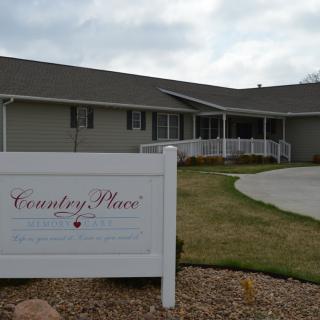
520 North Vine Street, Hoisington, KS 67544
For more information about senior living options: (866) 208-4318
Overall Review of Country Place Memory Care Of Hoisington
Pros
 The staff are amazing, and the workplace is wonderful.
- The facility is beautiful and very comfortable.
- The staff are awesome, kind, and wonderful.
- Country Place is highly recommended for senior family members.
Review
Country Place Memory Care of Hoisington is best suited for memory-care residents who thrive in a warm, person-centered environment where staff interaction is constant and meaningful, and for families that prize a home-like, comfortable setting over a sterile, clinical feel. The community seems to excel when residents respond to attentive caregivers, clear routines, and a calm atmosphere. Its Hoisington location makes it a practical option for families in central Kansas who want a dedicated memory-care option without traveling to a large metro area. For seniors who prioritize aesthetics and daily warmth in addition to care, this community aligns well with those expectations.
Nonetheless, certain families should consider alternatives. Those needing robust, on-site medical oversight or specialized interventions for complex behaviors may wish to compare with larger memory-care operators that offer broader clinical staffing and more visible 24/7 nursing support. If proximity to specialists, hospital access, or a broader activity calendar is crucial, another provider might better meet expectations. Additionally, families outside the immediate Hoisington area should weigh travel implications for regular visits and potential emergency needs. With only two positive reviews, the picture is currently favorable but not comprehensive enough to rule in or out options with greater breadth of services.
The strongest positives center on the staff and the atmosphere. Descriptions highlight an "amazing" team and a facility that feels comfortable and welcoming. When staff members are repeatedly praised for kindness and reliability, safety and continuity of care often follow, critical factors for memory care where consistent routines and trusted caregivers reduce agitation and confusion. The positive tone about the team also implies stability in leadership and consistent caregiving norms, which translate into residents who are cared for with patience, respect, and familiarity. A well-regarded staff commitment can substantially offset limitations in program breadth by ensuring residents are known, engaged, and gently redirected as needed.
On the downside, the most noticeable gap is the absence of detailed, objective data beyond anecdotal praise. With only two reviews, there is scant information on staffing ratios, specific dementia training, daily activity schedules, nutrition plans, or safety features beyond general comfort. The lack of published metrics makes it harder to assess readiness for residents with high medical or behavioral needs. Pricing transparency, respite availability, and what is included in monthly costs are also unclear. In short, the pros signal a high-quality, caring environment, but the cons, primarily limited third-party validation and sparse operational detail, mean families should verify the specifics before committing.
Fortunately, the identified strengths can effectively offset several potential drawbacks when approached strategically. A caregiving team perceived as exceptional often delivers more reliable daily engagement, personalized activity pacing, and vigilant supervision, which can compensate for a narrower program slate. The home-like setting and strong caregiver rapport reduce resident stress, improve mood, and foster smoother transitions between activities. For families, that translates into better peace of mind about day-to-day safety and emotional well-being, which are often the deciding factors in memory-care decisions when clinical breadth is limited.
The next step is practical due diligence. Schedule a tour and request permission to observe morning and afternoon routines, noting how staff interact with residents, how they manage memory challenges, and how safety is maintained within common areas and room setups. Ask explicit questions about staff-to-resident ratios, dementia-specific training, care planning processes, and the availability of 1:1 programming. Confirm what is included in the base rate, what optional services exist, and whether respite care is available for short-term needs. Finally, compare with nearby memory-care options that offer more extensive medical staffing or larger activity calendars to determine which combination of warmth, safety, and clinical support best meets the resident’s needs and the family’s logistics.
 8 resident community capacity
 Assisted Living
 Cable or satellite TV
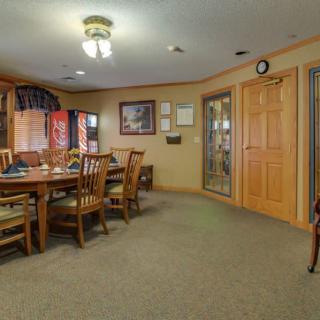
 Dining room
 Fully furnished
 Garden
 Housekeeping services
 Move-in coordination
 Outdoor space
 Telephone
 Wi-Fi/high-speed internet available
 24-hour supervision
 Activities of daily living assistance
 Assistance with bathing
 Assistance with dressing
 Assistance with transfers
 Diabetes diet
 Meal preparation and service
 Medication management
 Special dietary restrictions
 Transportation arrangement (medical)
 Transportation to doctors appointments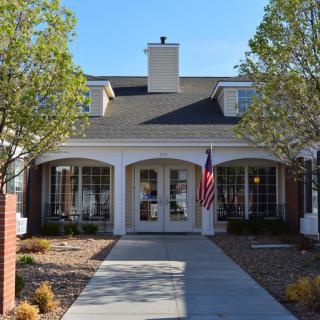


 Assisted Living Expenses and Long-Term Care Insurance: A Comprehensive Exploration
 Securing Financial Support for Assisted Living: A Comprehensive Overview
 Social Security Benefits and Assisted Living: Navigating Options Across the U.S.