520 North Vine St, Hoisington, KS 67544
To contact a resident: (620) 653-4121
For more information about senior living options: (866) 208-4318
Credo Memory Care Costs & Pricing
Credo Memory Care offers competitive pricing for its services, with monthly costs that reflect both the quality of care provided and the broader market landscape in Russell County, Kansas. For a studio room, residents can expect to pay $4,200, which is slightly above the county average of $4,058 but aligns closely with the state average of $4,094. In terms of private rooms, the rate stands at $5,300, matching local pricing while being somewhat higher than the state average of $5,137. These figures suggest that while Credo Memory Care may be on the higher end for studios compared to local options, it maintains a consistent level with private accommodations in the area. Overall, residents and their families can feel assured about receiving quality memory care services within a reasonable cost framework.
| Floor plans | Credo Memory Care | Russell County | Kansas |
|---|---|---|---|
| Studio | $4,200 | $4,058 | $4,094 |
| Private | $5,300 | $5,300 | $5,137 |
Assisted Living communities with a similar price nearby
-
from +$520 / mo
Brookdale Great Bend
$4,720 to $5,190 / month10.8 miles away -
About the same
Credo Senior Living
$4,200 / month0.0 miles away
Overall Review of Credo Memory Care
Pros
 The staff are amazing, and the place is wonderful to work at.
- Country Place Senior Living provides a friendly, pleasant, and comfortable environment with generous room sizes.
- The facility is beautiful and very comfortable, with awesome, kind, and wonderful staff.
- It is recommended for a senior family member due to its comfortable environment and accommodating rooms.
Review
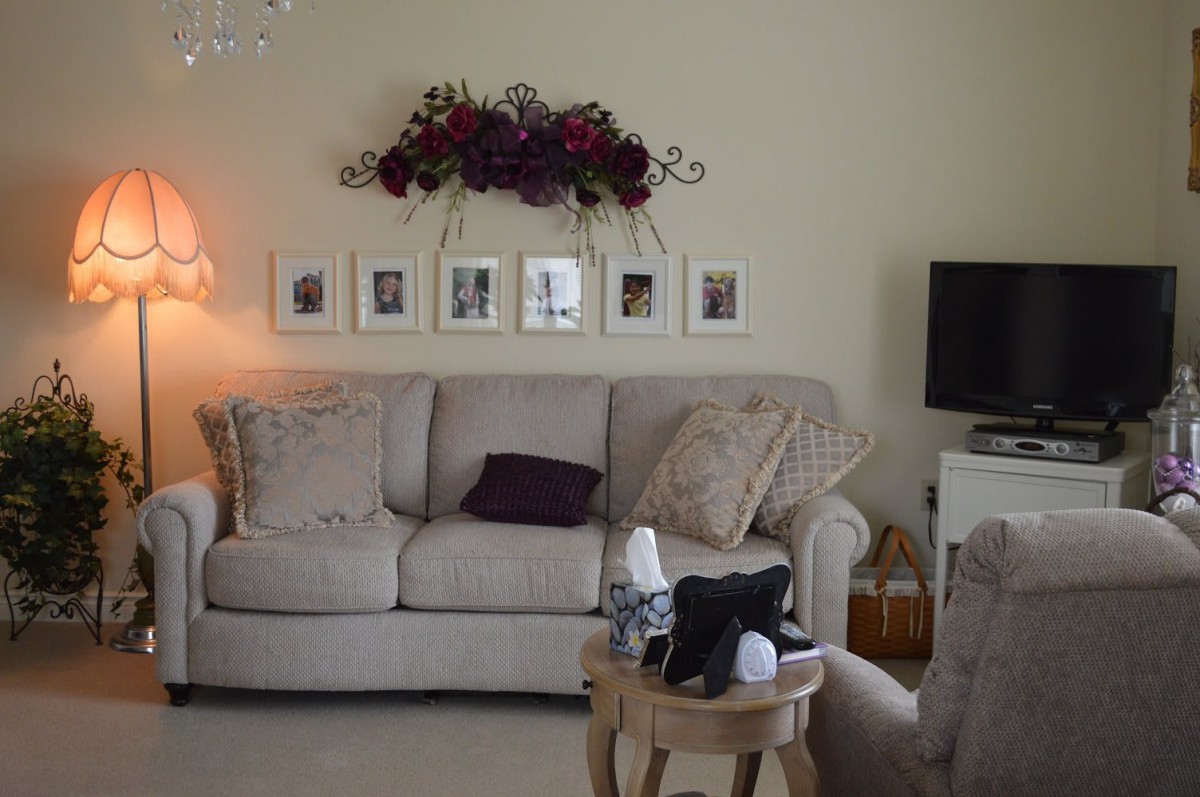
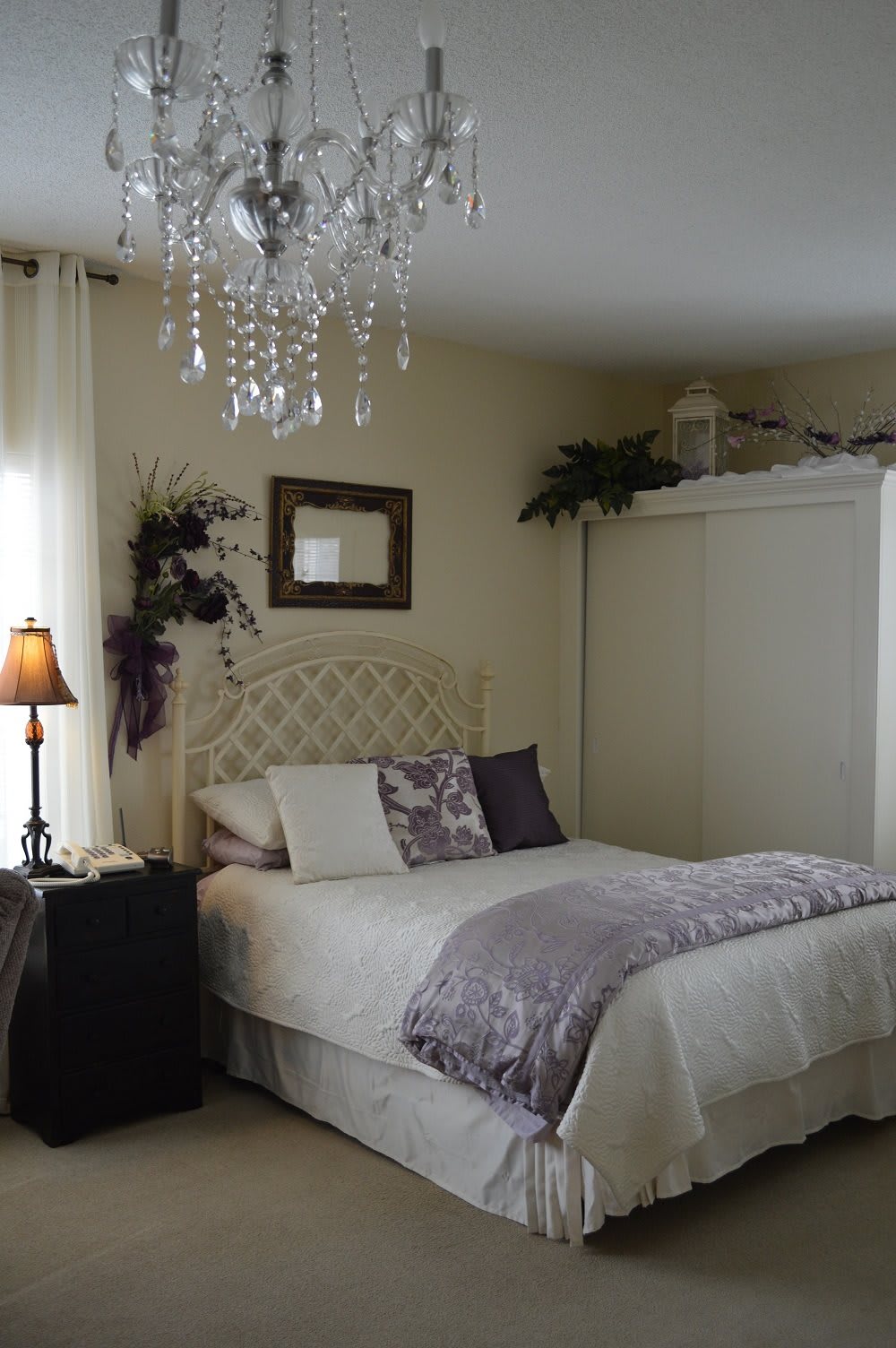
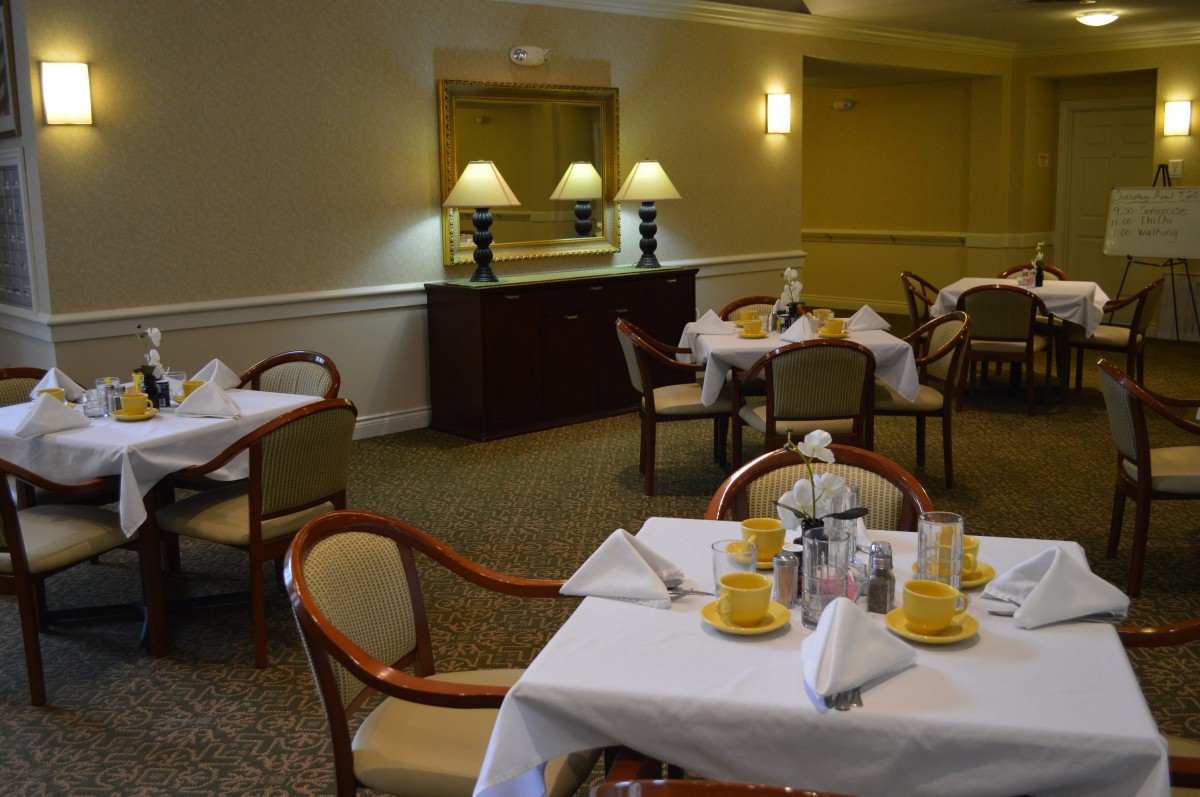
Credo Memory Care in Hoisington is best suited for families seeking a warm, home-like memory-care setting where staff consistently attend to residents and the environment feels comfortable and inviting. The strongest fit is for residents whose families prize a location that feels familiar and convenient, making visits and involvement easy and frequent. Observations from multiple sources describe a calm, pleasant atmosphere and generous room sizes that support personal space and dignity. In essence, this community works best for individuals who thrive on stable routines and a personal touch from caregivers rather than a clinical, impersonal frame.
Who may want to consider alternatives? Those whose loved ones require highly specialized cognitive therapies, intensive 24/7 medical oversight, or a bustling, highly structured activity calendar may find other options more aligned with needs. If a larger campus with broader amenities or a more clinical atmosphere is preferred, or if budget constraints demand aggressive cost comparisons, families should look elsewhere. Additionally, for short transitional stays or for residents needing a wider array of on-site rehabilitation services, other communities may offer clearer advantages.
The key pros, attentive, kind staff; a home-like, comfortable environment; generous room sizes; and favorable location, work together to offset typical memory-care frustrations. While explicit drawbacks aren’t highlighted in the available impressions, the natural concern in this profile is that comfort and familiarity can at times outpace the breadth of high-intensity programming. The strong caregiving presence mitigates that risk by ensuring meaningful daily interactions, predictable routines, and rapid responsiveness to changing needs. Overall, the favorable blend of people and place tends to trump potential gaps in programming.
For families evaluating Credo Memory Care, demand transparent care planning and evidence of memory-focused programming. Seek specifics on caregiver-to-resident ratios, how often staff conduct one-to-one check-ins, and how therapies are woven into daily life. Inquire about meal quality, safety features, and opportunities for purposeful activities that align with memory-care best practices. Given the emphasis on staff warmth, observe interactions during a tour and confirm the consistency of caregiving assignments to build trust. Request a representative sample week of schedules to determine whether the routine aligns with the resident’s energy patterns and preferences.
Alternatives worth comparing include other local memory-care communities that may offer more intensive cognitive enrichment or a larger, more active campus. If proximity to family is a guiding factor, prioritize facilities with robust family communication practices and flexible visiting policies. Price considerations also matter; a setting with generous private spaces and a prime location may come with a higher monthly rate, so overall value should be weighed against anticipated longevity of stay and the resident’s need for ongoing engagement.
Bottom-line guidance: Credo Memory Care presents a compelling option for residents who prize a warm, neighborly environment, generous private space, and staff who genuinely connect with residents. It is particularly well-suited for individuals who want to stay close to family and live in a setting that feels respectful and comfortable. Those requiring higher levels of medical complexity, more aggressive cognitive-therapy programming, or a larger, more dynamic social calendar may want to explore alternatives and compare directly. A deliberate site visit, focusing on care processes and daily life rhythms, will reveal whether this community best aligns with the resident’s needs and the family’s expectations.
 Assisted Living
 Cats allowed
 Dogs allowed
 Activities off-site
 Air-conditioning
 Beautician on-site
 Cable or satellite TV
 Devotional services off-site
 Ground floor units
 Handicap accessible
 Indoor common areas
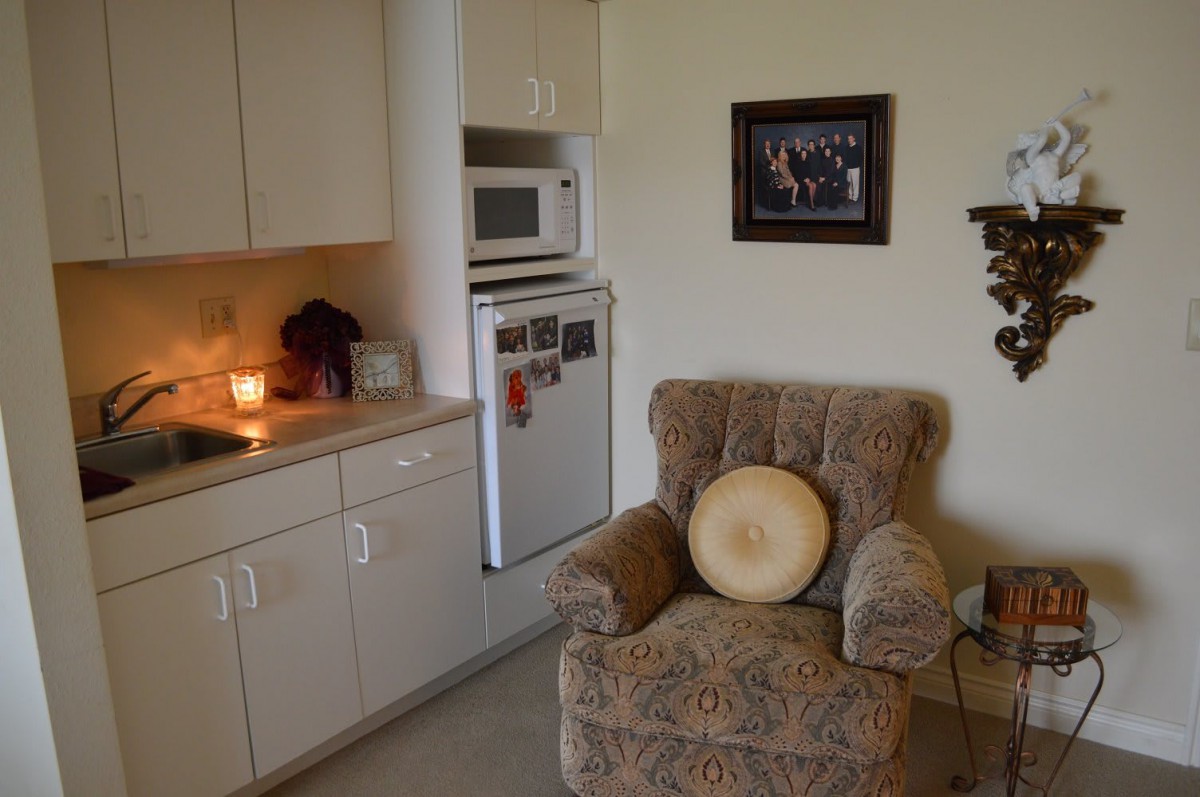
 Kitchenette
 Outdoor common areas
 Respite or short term stays offered
 Wheelchair accessible showers
 Wi-Fi/high-speed internet available
 Ambulatory care
 Diabetic care
 Incontinence care
 Medication management
 Gluten-free
 Art classes
 Catholic services
 Cooking classes
 Day trips and outings
 Educational speakers / life long learning
 Karaoke
 Live well programs

 When to Transition from Assisted Living to Memory Care: Key Indicators, Steps, and Finding the Right Community
 Assisted Living and Memory Care: Understanding Their Core Differences
 Beyond the Bingo Hall: 50+ Enriching Activities for Seniors in Assisted Living