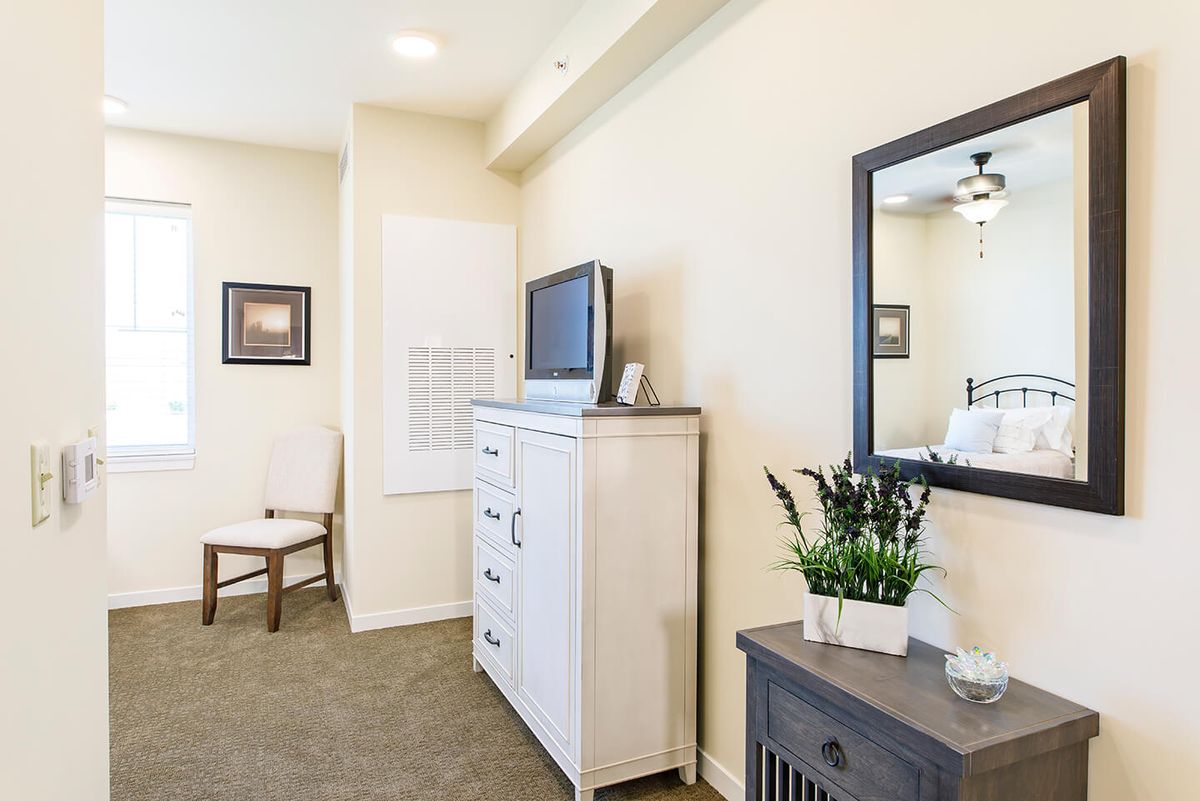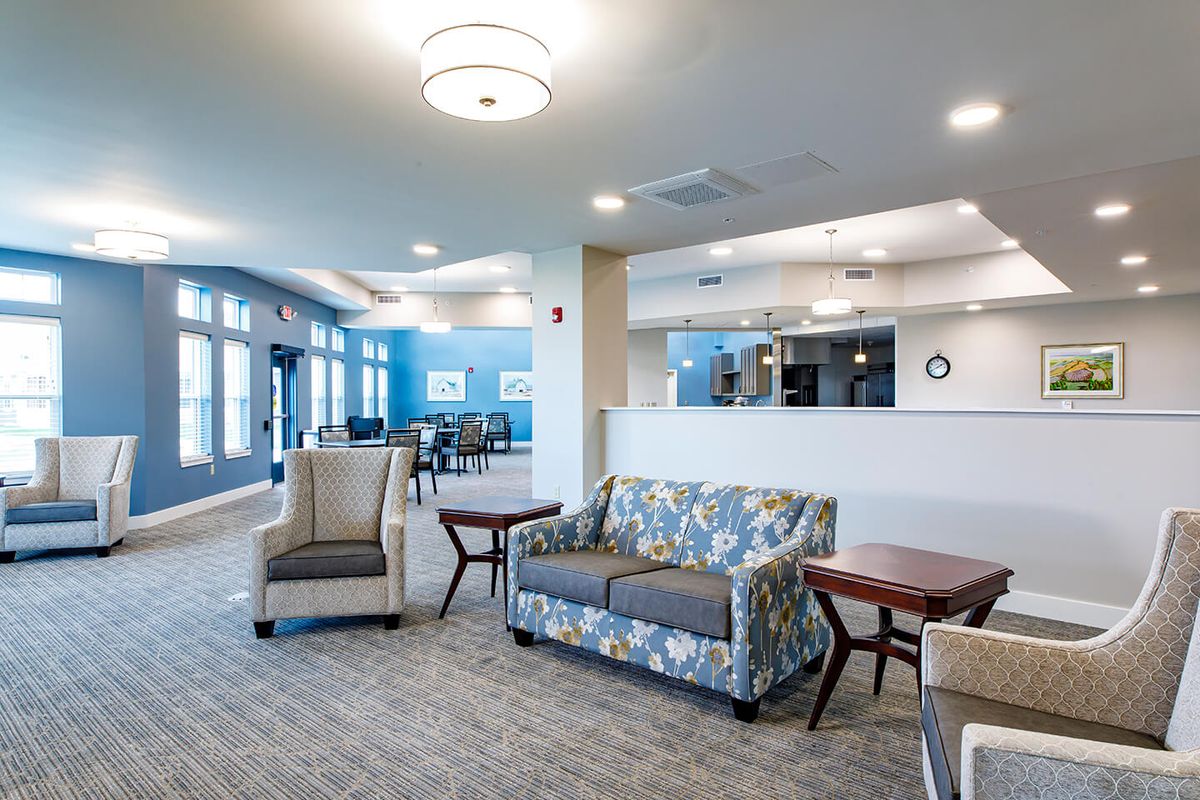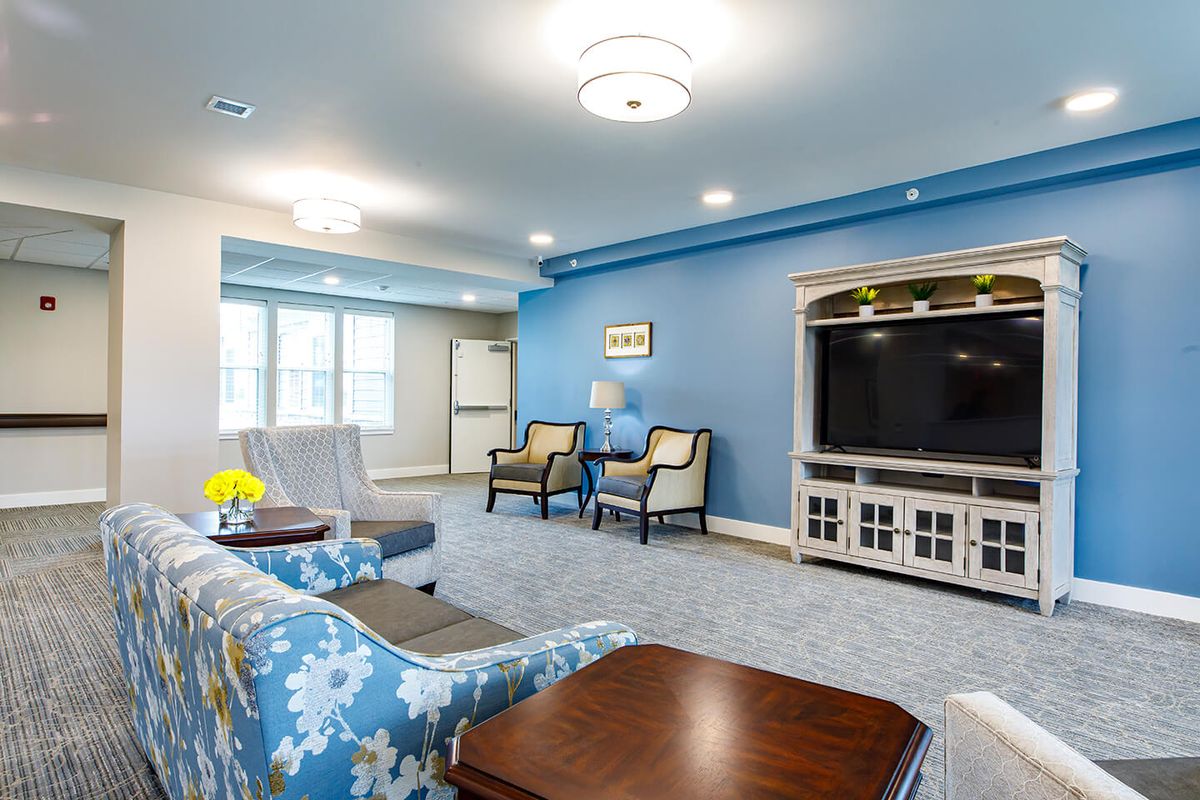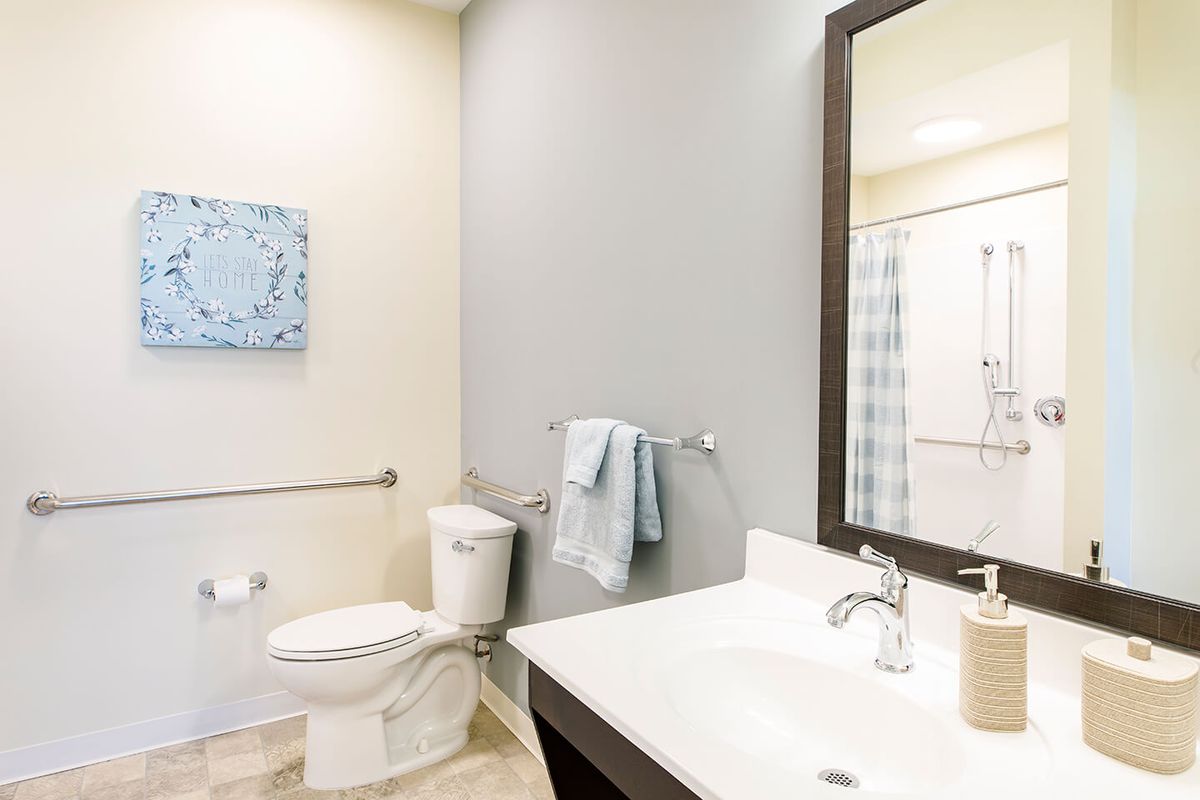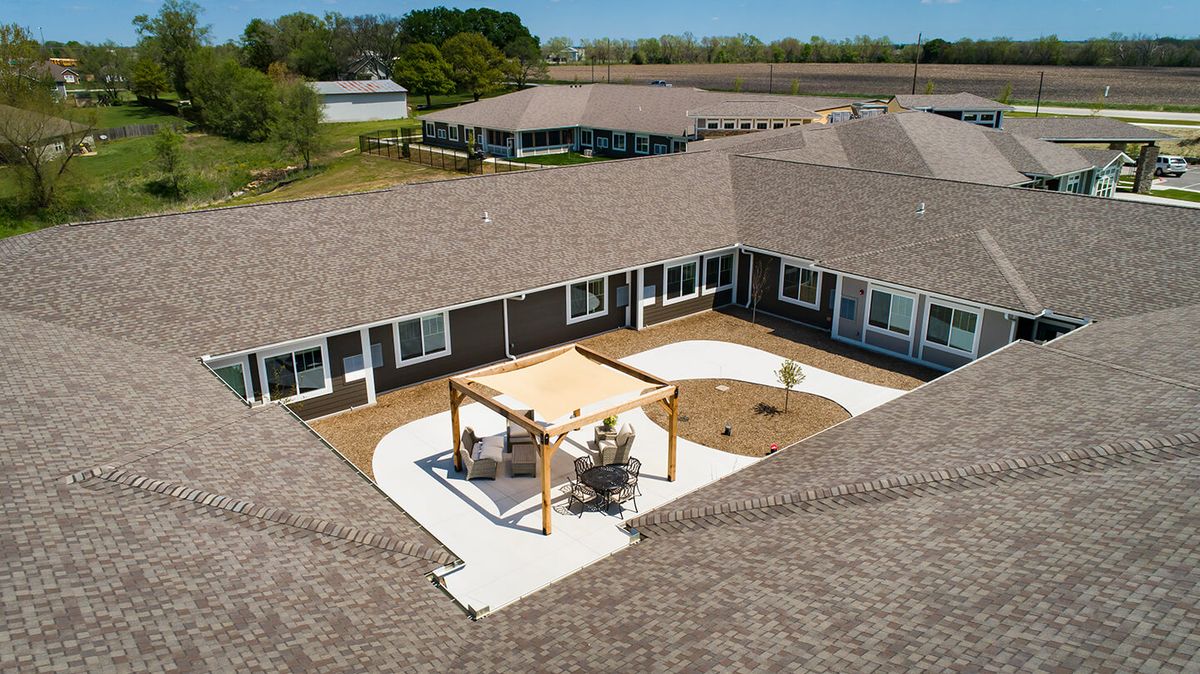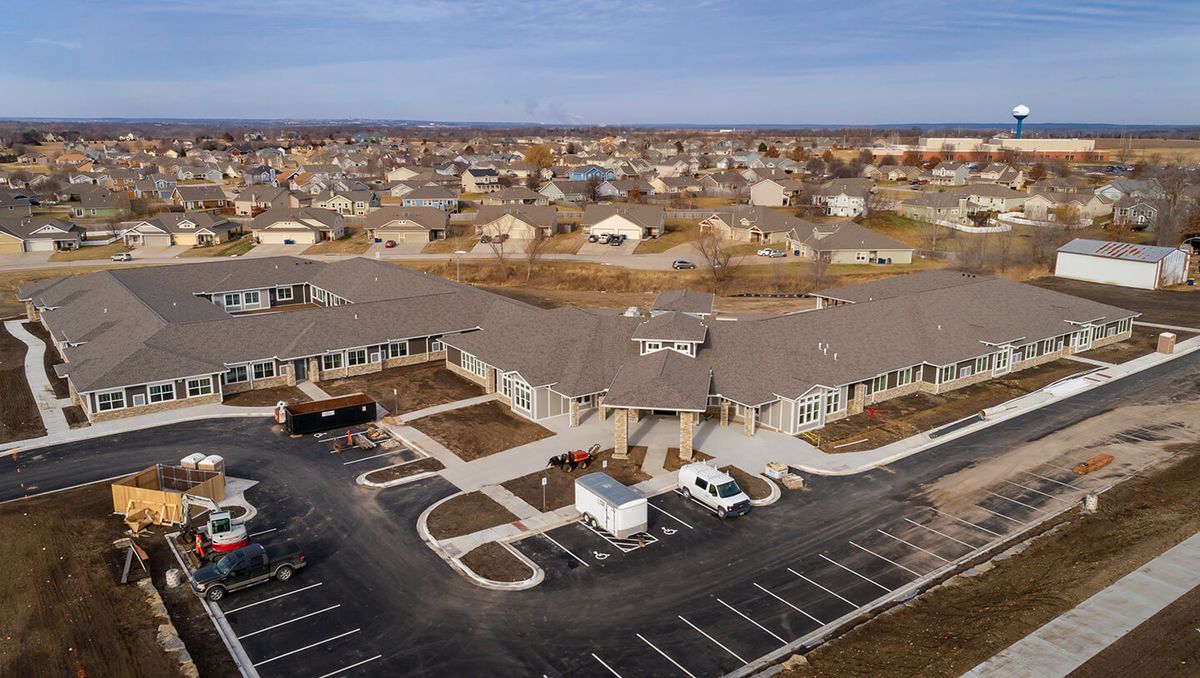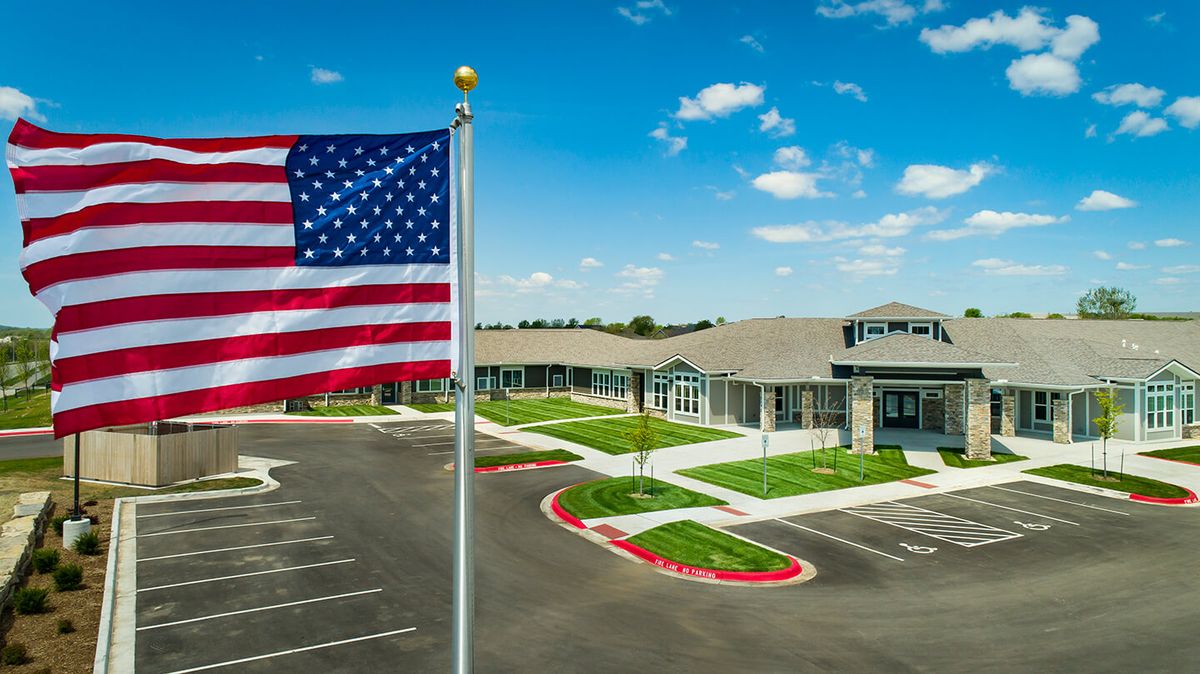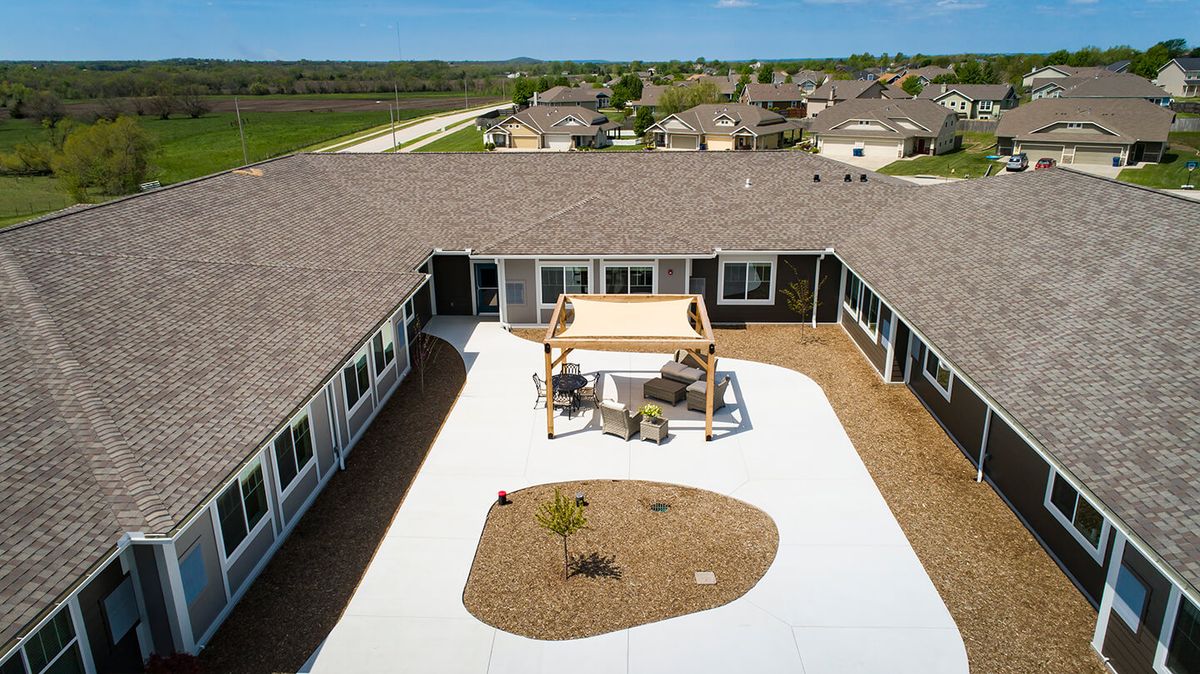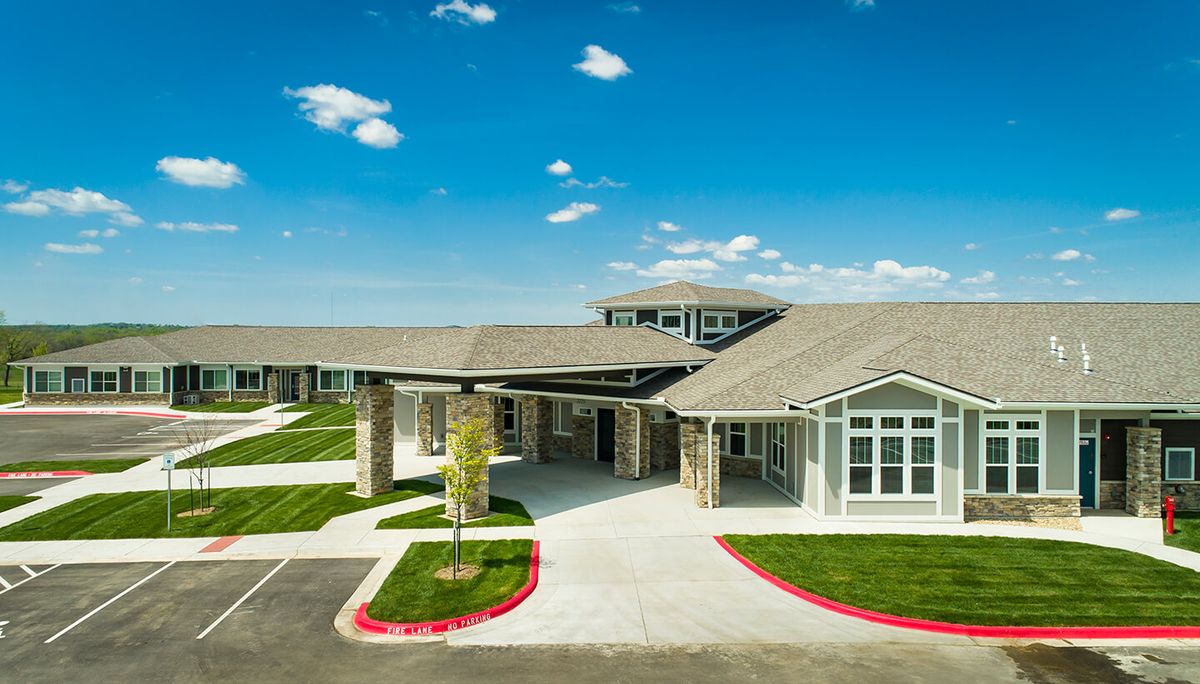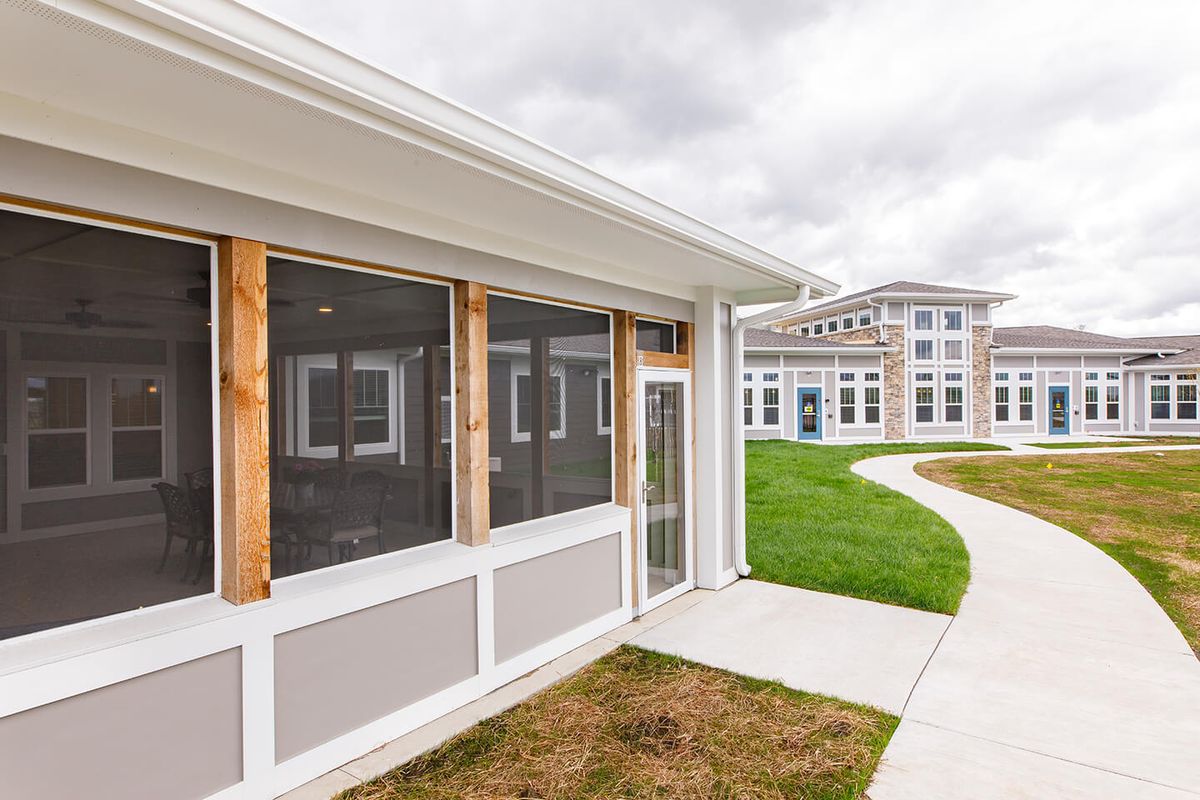
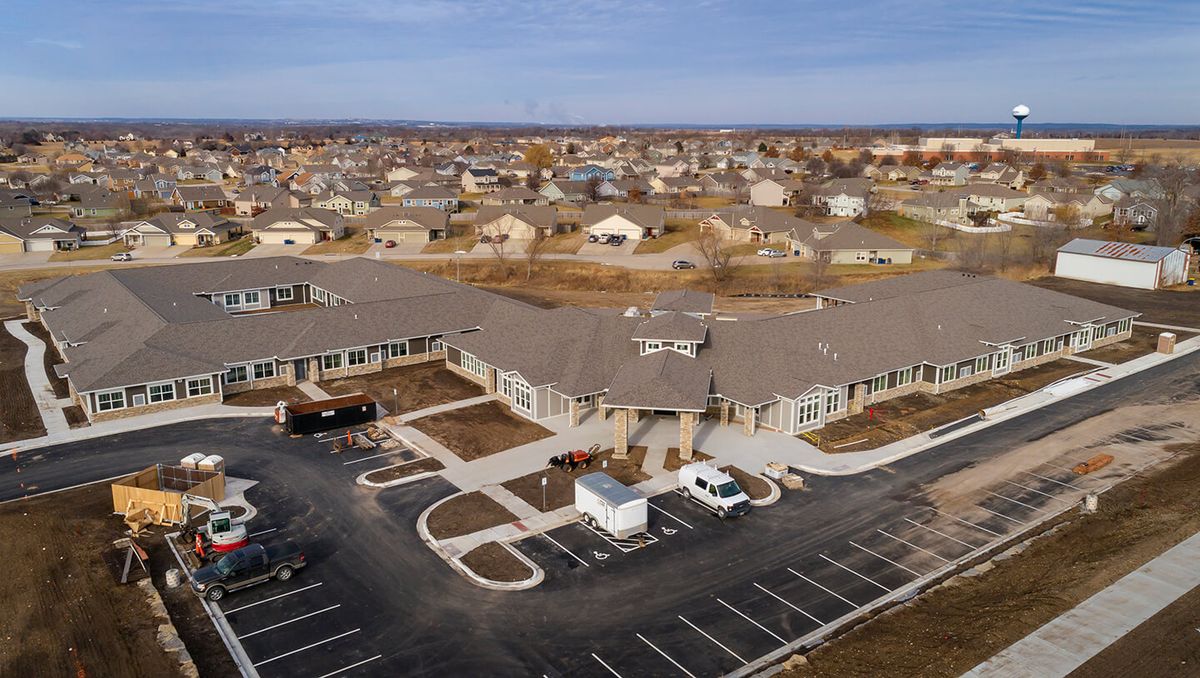
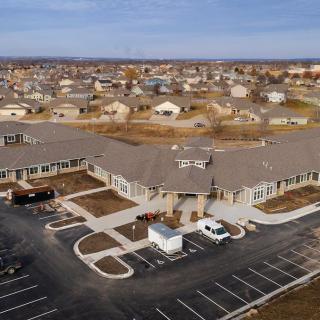
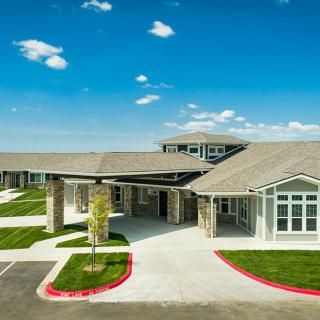
2725 Church Street, Eudora, KS 66025
For more information about senior living options: (866) 208-4318
Overall Review of Homestead Of Eudora
Pros
 The staff were caring and compassionate with him and all the residents.
- They provided individual quality time with each resident and made them feel like this place was the residents’ home.
- They were on top of everything and were attentive during his last days and hours.
- He received wonderful care and treatment on the memory care side.
- Several staff members attended his Celebration of Life.
- He loved the staff and trusted them.
Cons
 The reviewer would not recommend this facility.
- The reviewer’s mother attempted to leave shortly after being settled into the new surroundings.
- They moved her into a memory care seclusion area without consulting the family.
- The mother was highly social but could no longer communicate with anyone except the severely understaffed staff.
- Items brought for her were constantly stolen.
- She fell and broke her wrist, and the family was not notified promptly.
- Her health deteriorated and she died shortly after being admitted to the hospital.
Review
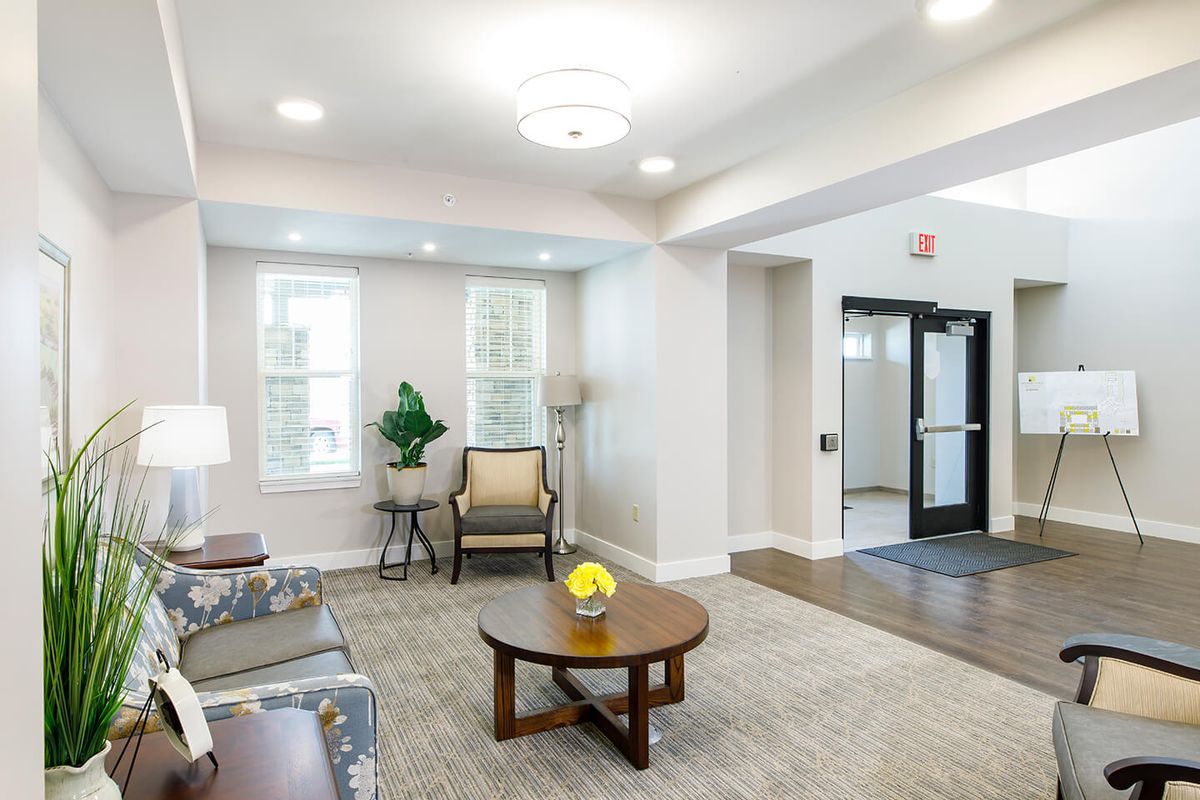
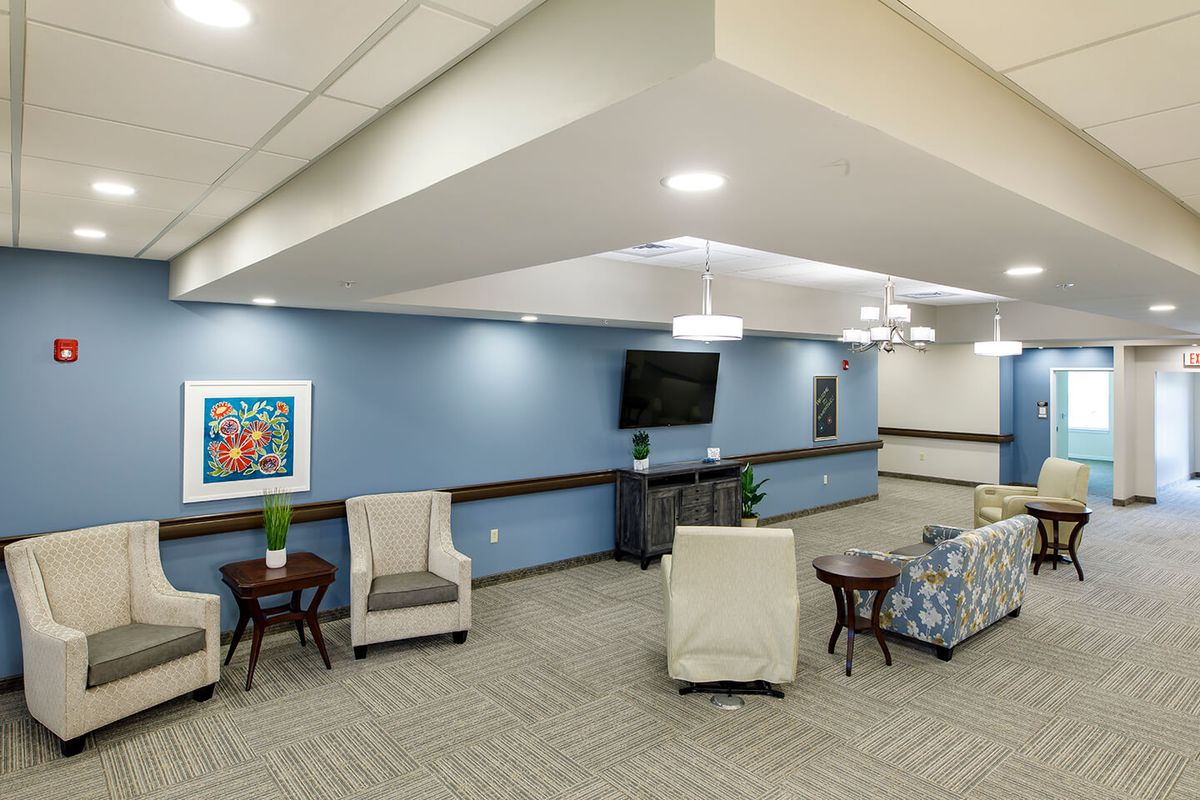
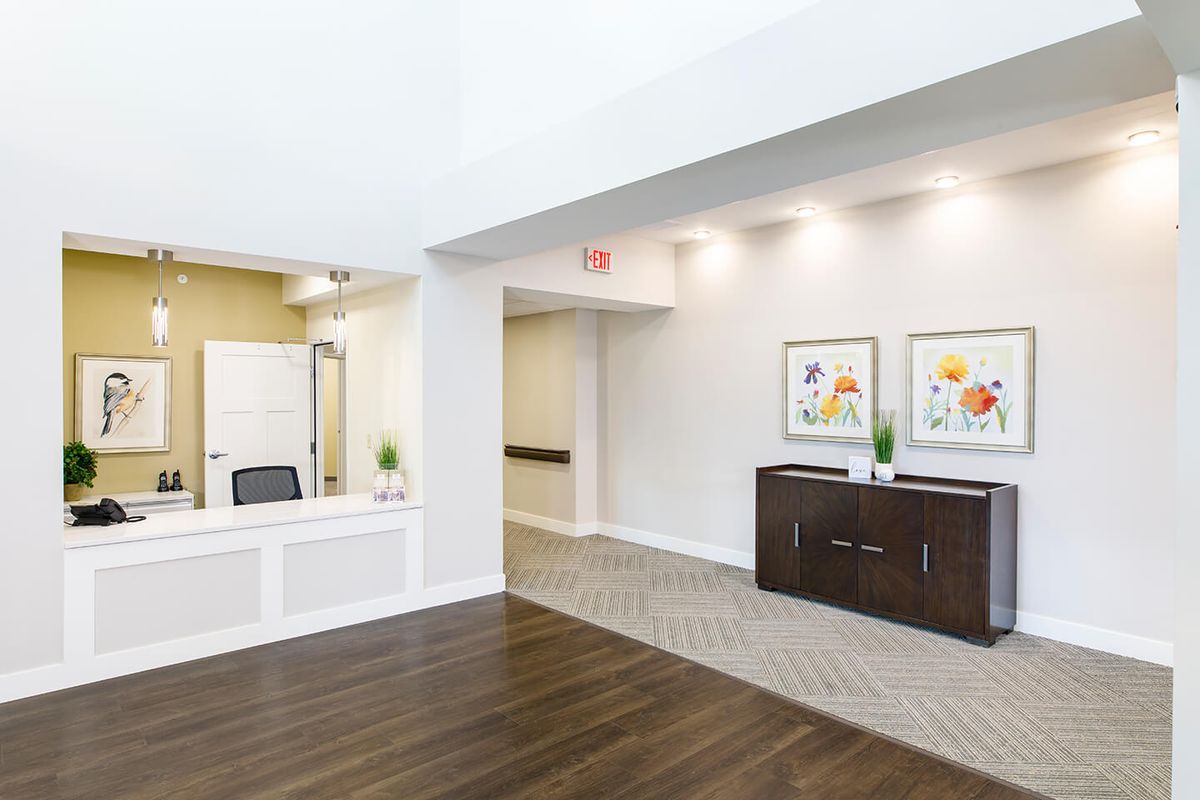
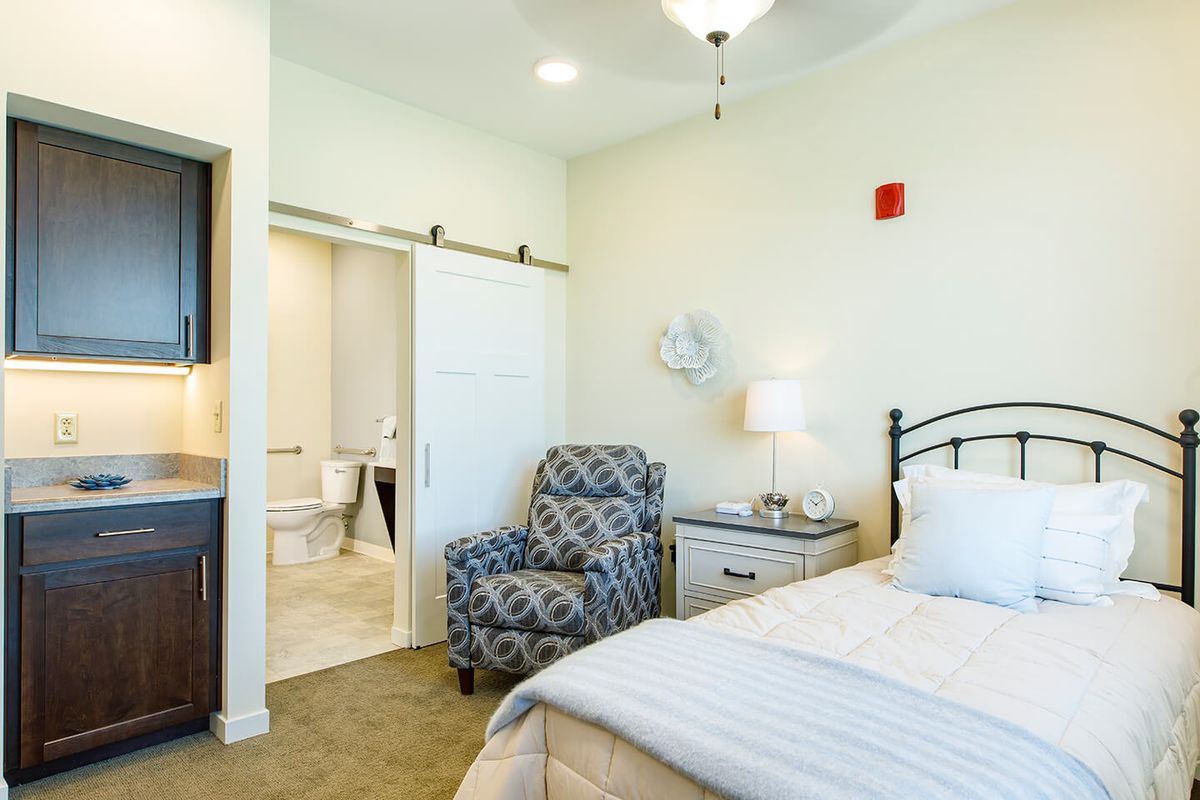
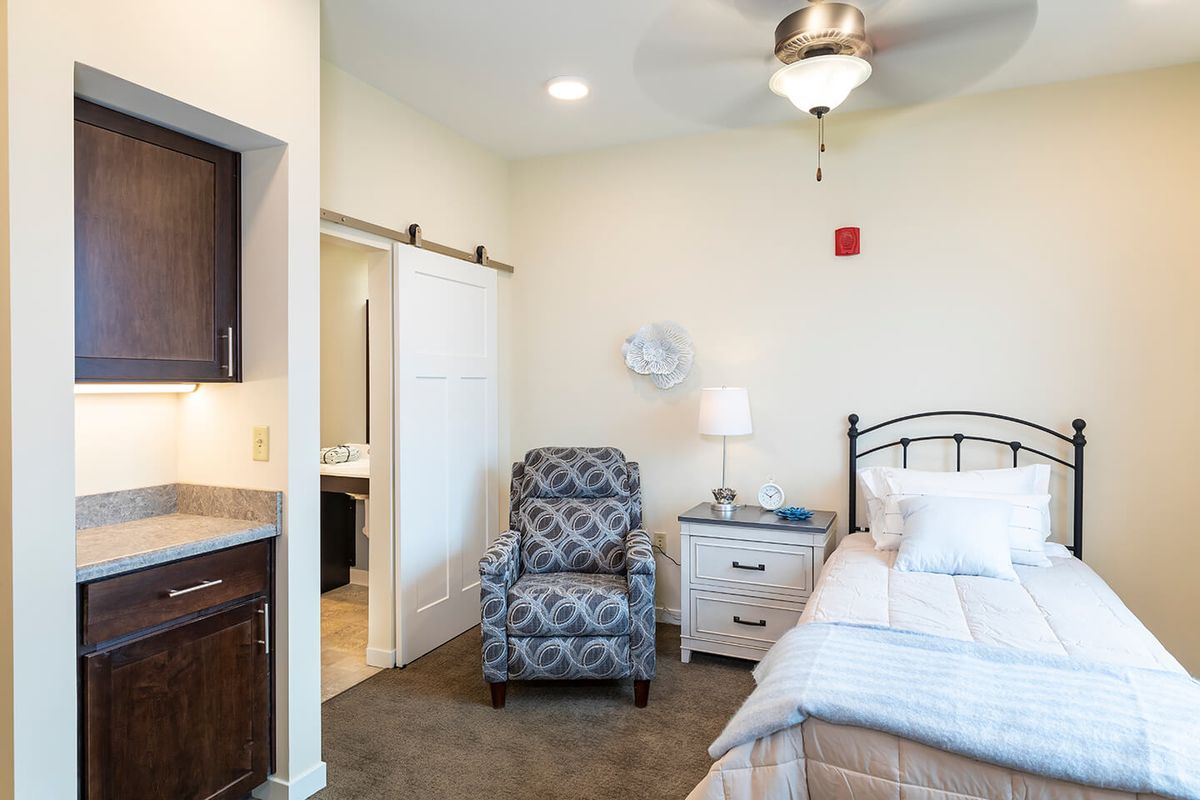
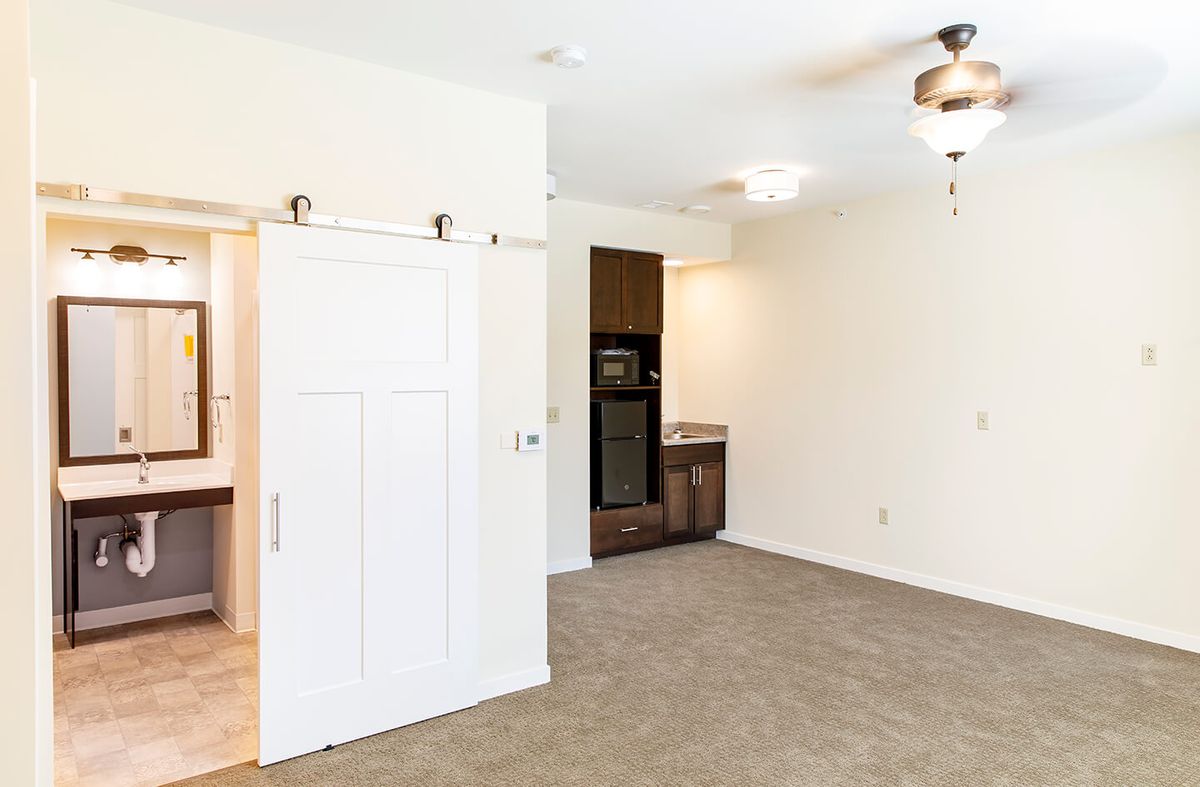
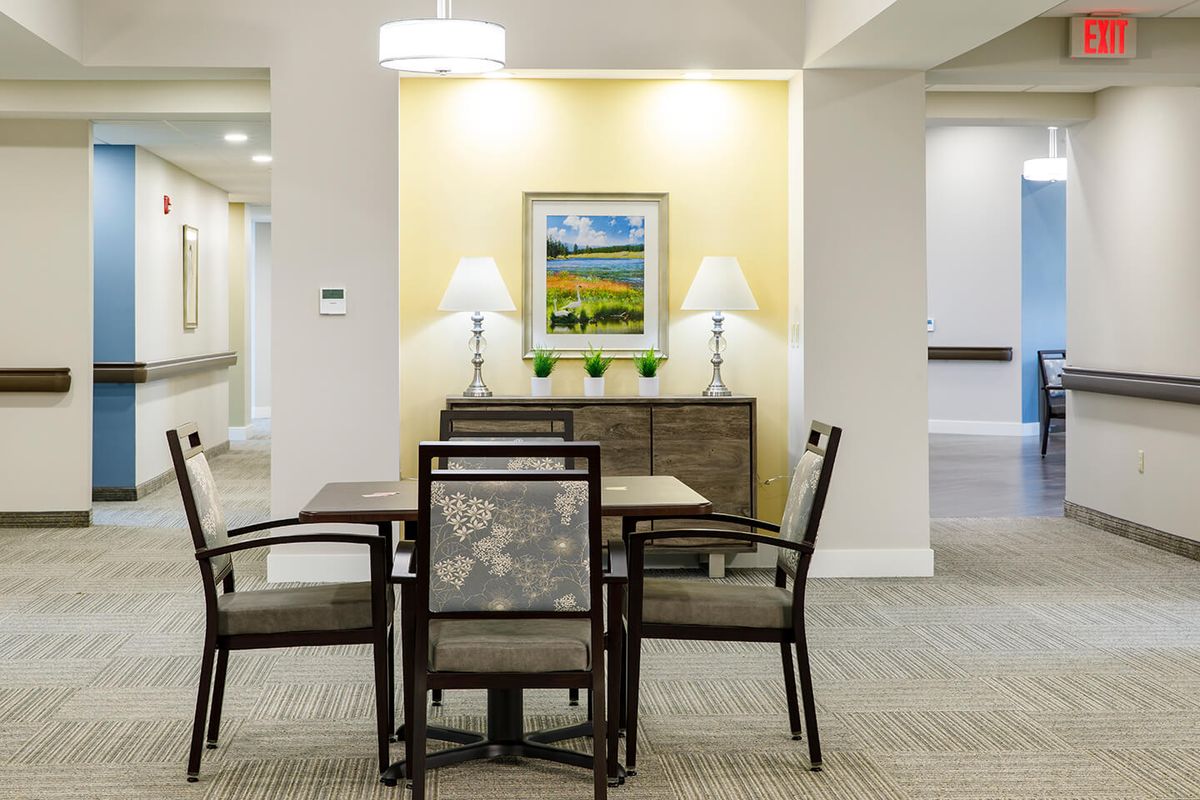
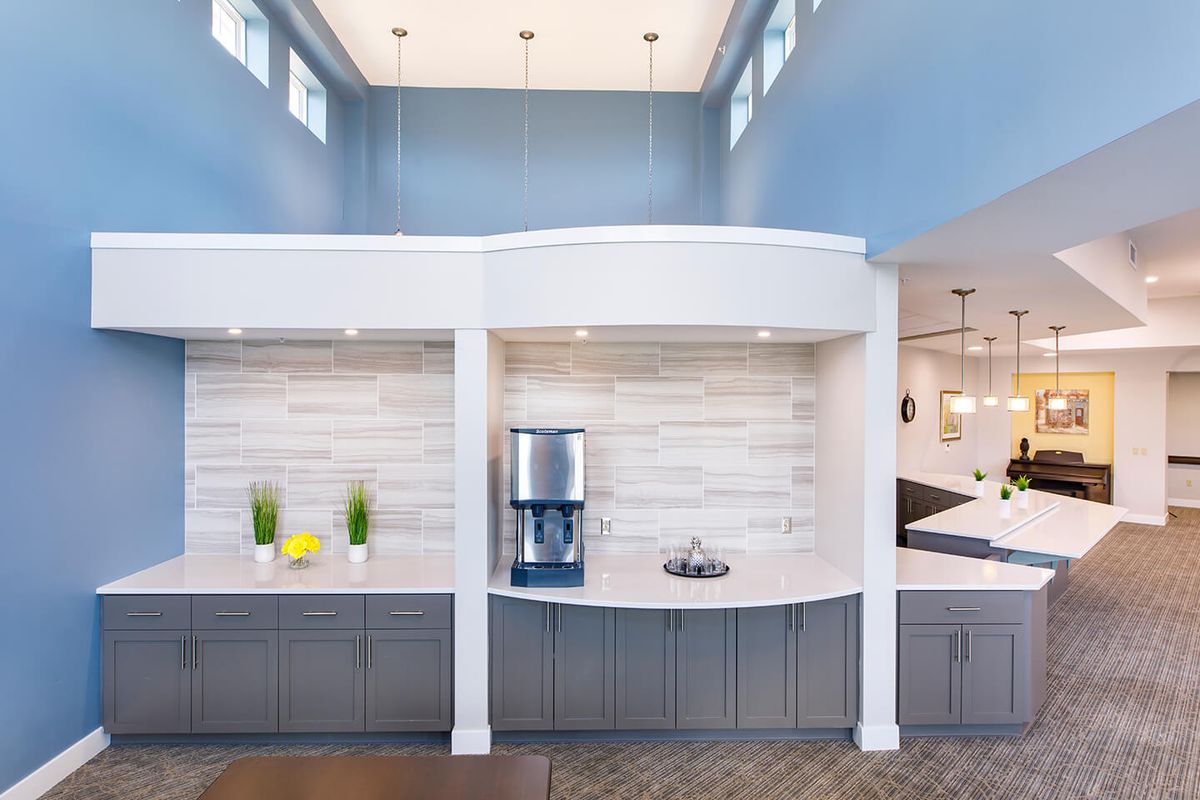
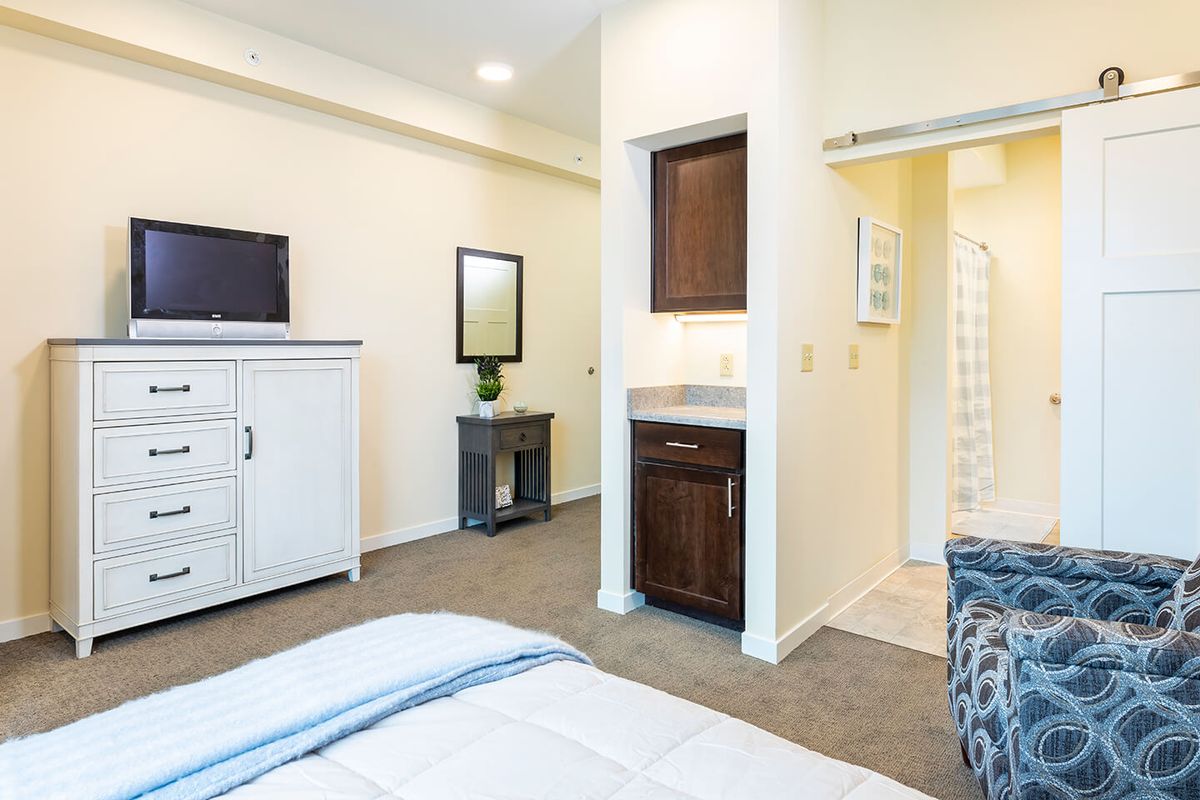
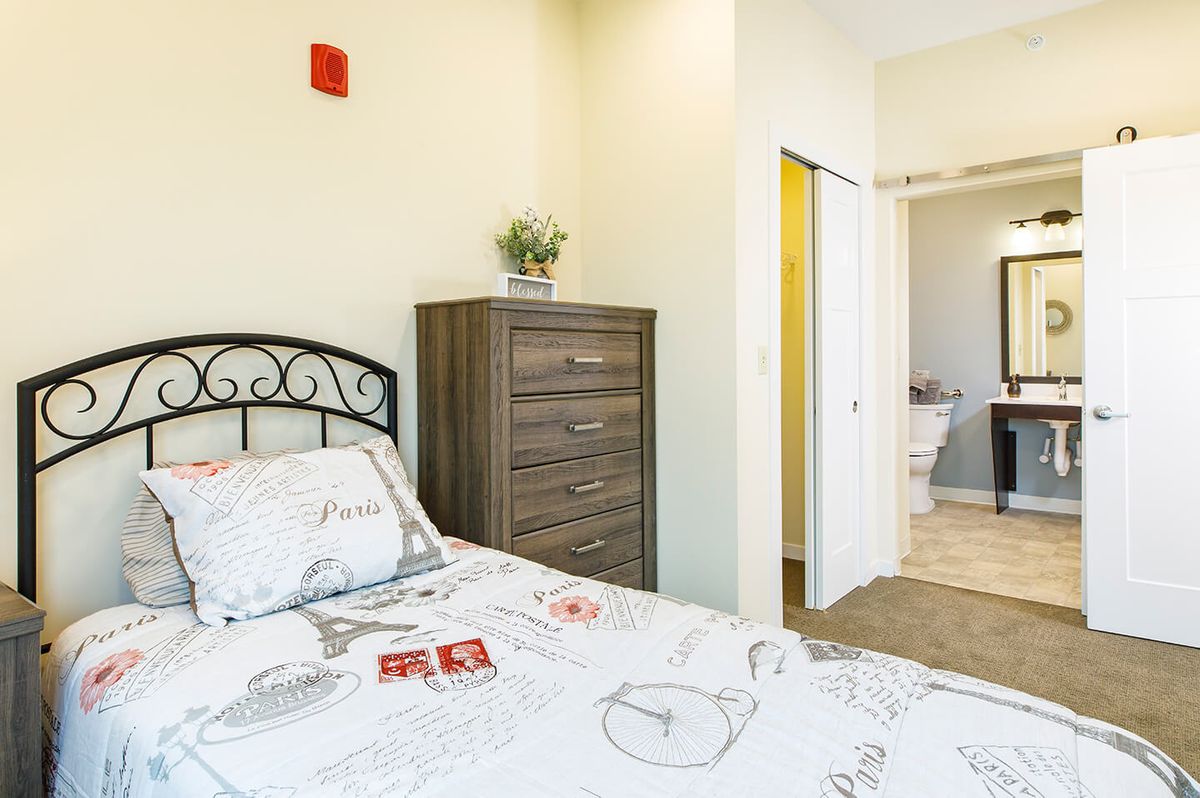
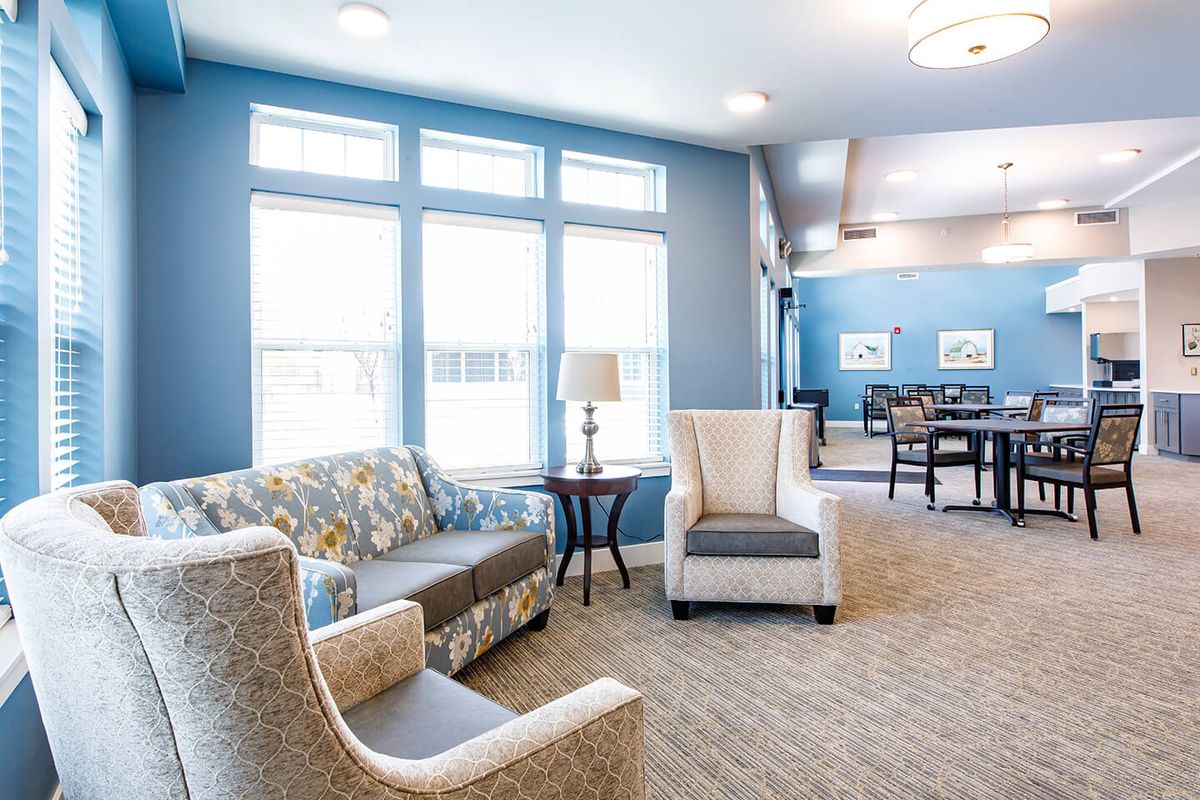
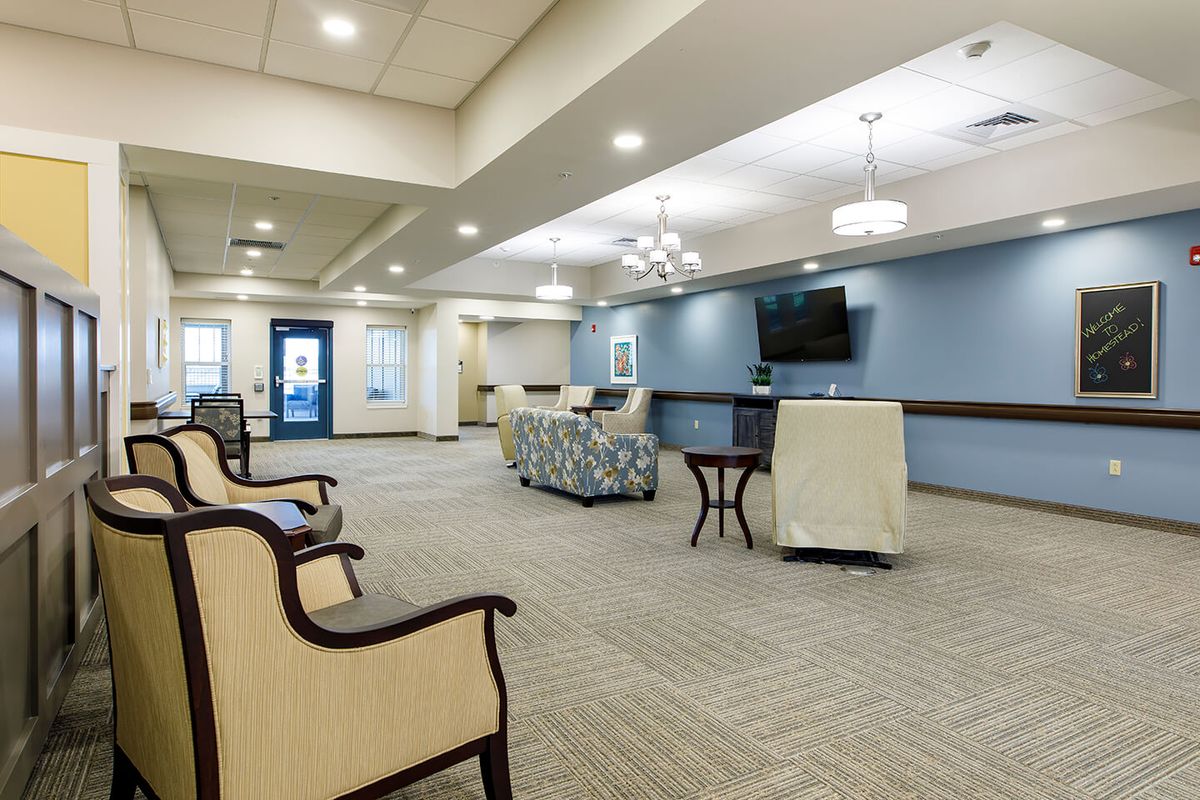
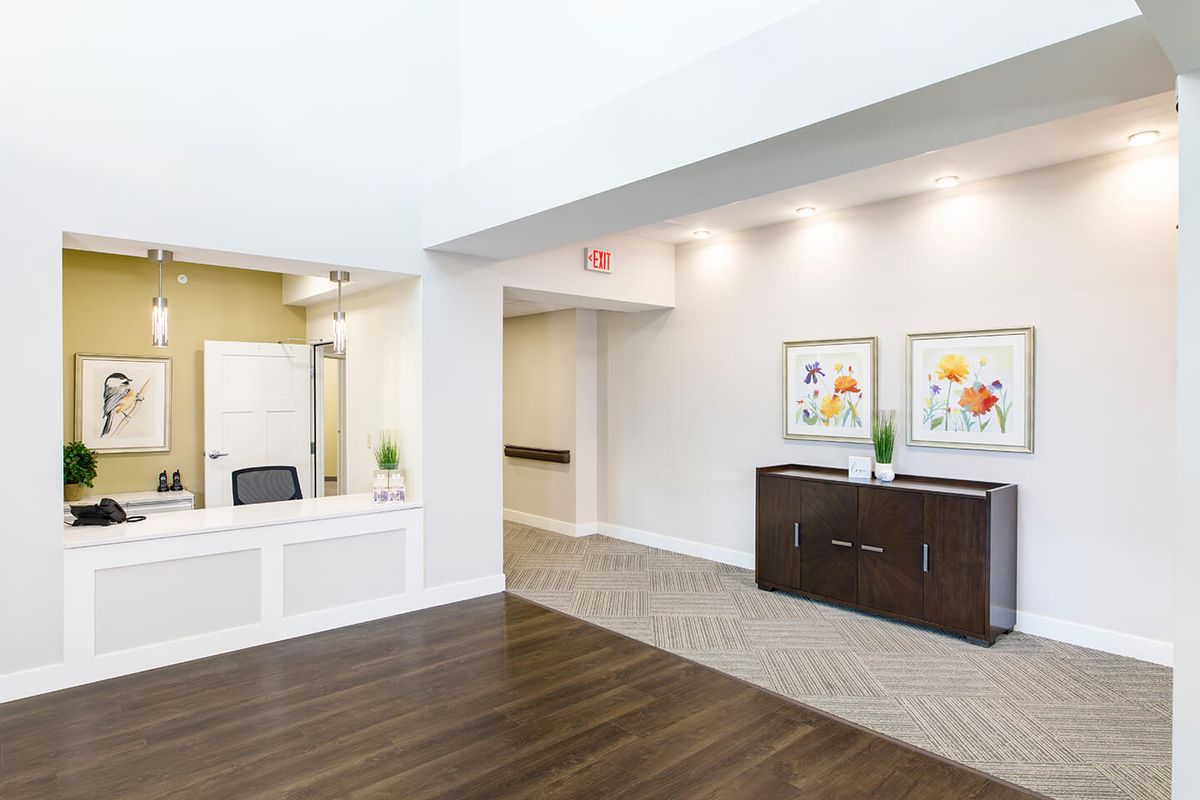
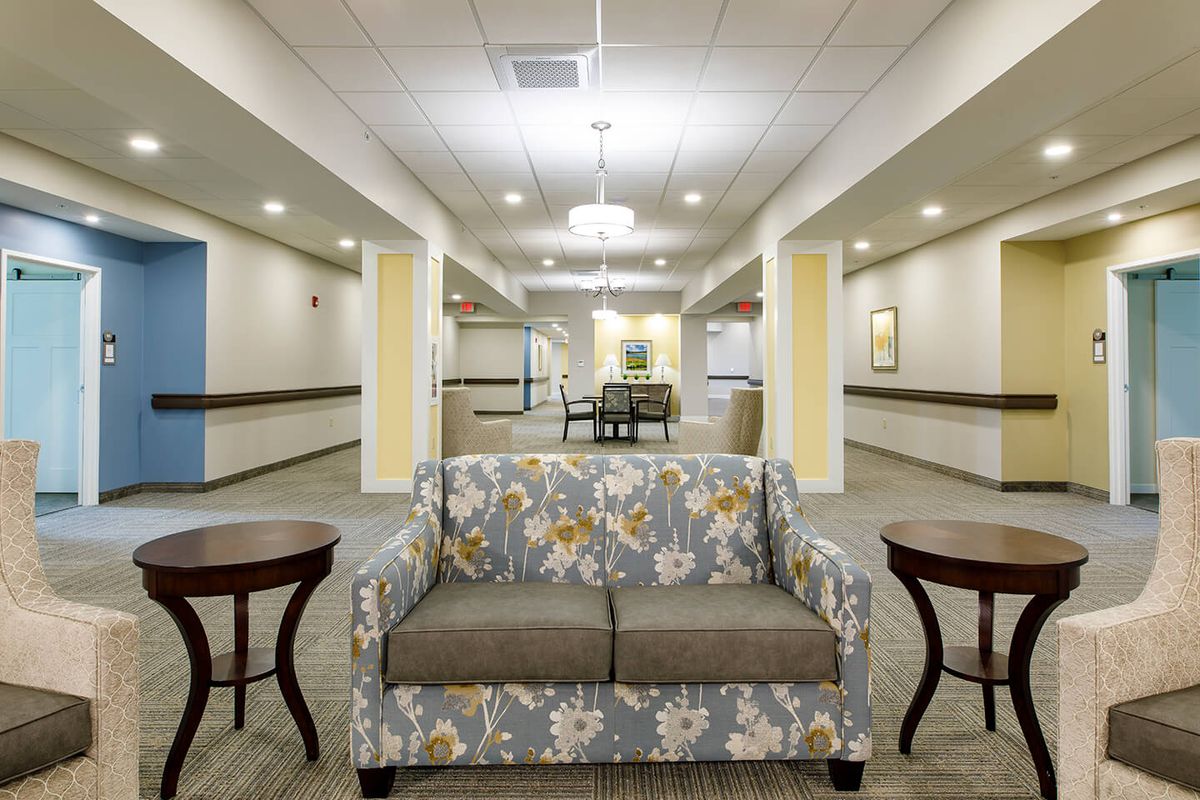
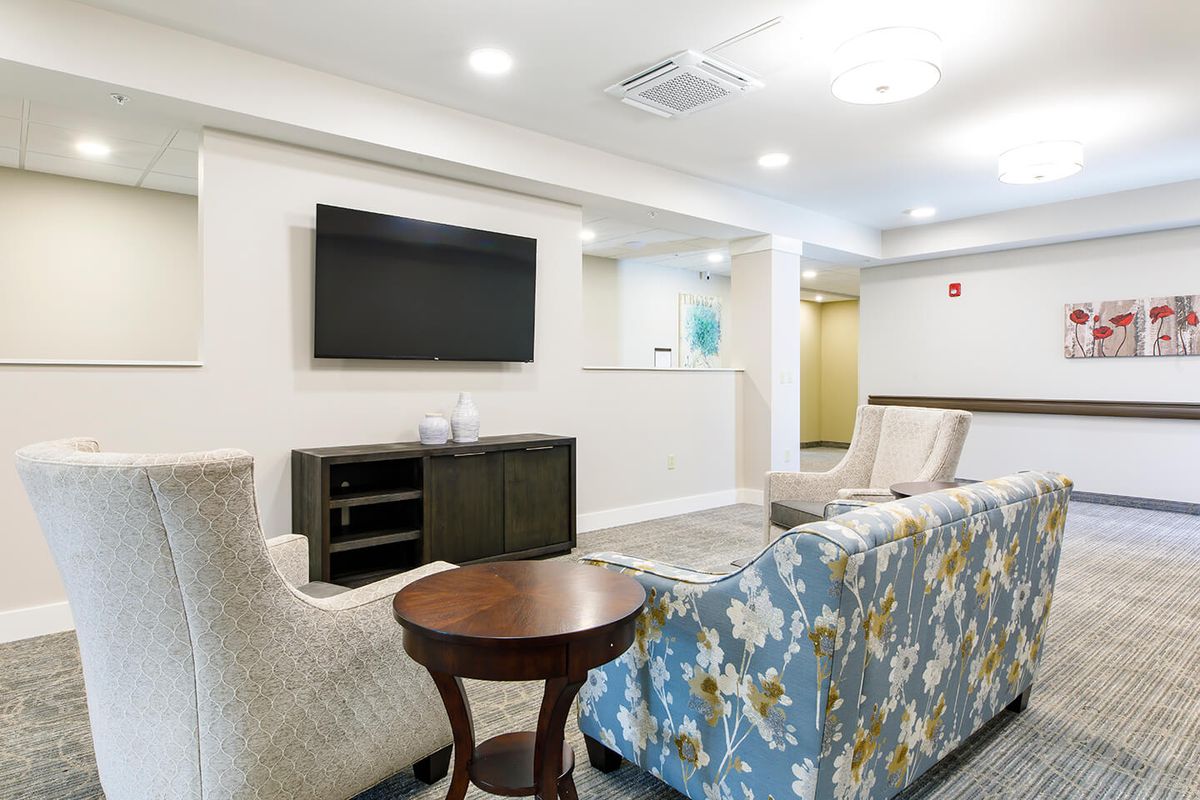
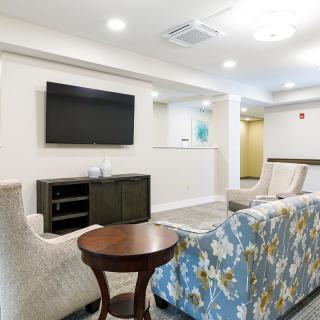
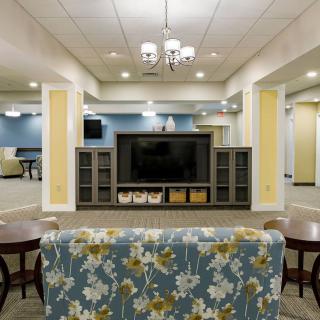
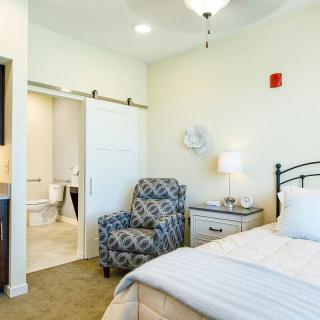
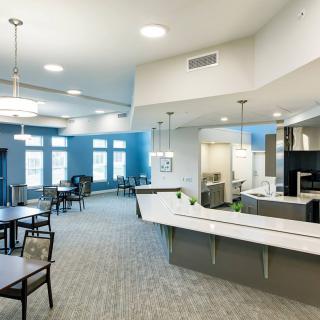
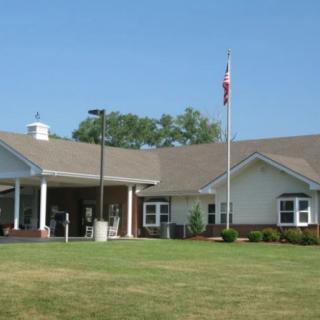
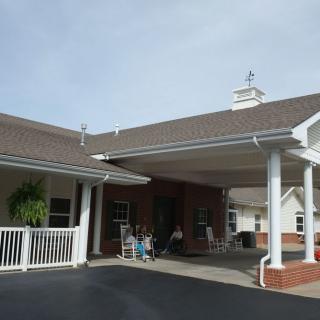
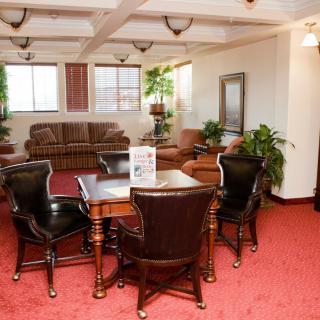
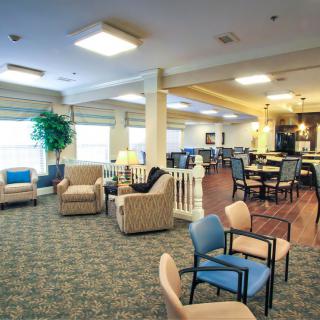
Homestead of Eudora is best suited for families seeking an assisted living community that can gracefully transition a loved one into memory care, with a strong emphasis on compassionate, individualized attention and a home-like atmosphere. The standout strength lies in a memory-care team that is described as caring and on top of each resident’s needs, delivering personal time with residents and making the environment feel like a real home. For families confronting dementia progression, the facility’s memory-care culture and the availability of hospice-style support in later stages can offer meaningful continuity of care and a sense of dignity in life’s final months.
Those weighing options should explicitly consider alternatives if safety transparency, staffing stability, or social engagement for highly active seniors are top priorities. A negative perspective from one family highlights a risk profile: placement into a memory-care setting perceived as restrictive, with under-staffed teams and gaps in incident notification. If a loved one thrives on social interaction and independence, or if concerns about items being stolen, sudden changes in placement, or delayed communication about injuries matter deeply, other communities may better align with those expectations. In short, this is a choice that benefits from a careful audit of policies, staffing realities, and communication practices.
The strongest pros, strong staff engagement, a caregiver team that treats residents with dignity, and a genuine sense of being “at home”, do not exist in a vacuum. In the positive account, staff anticipated needs, offered steady companionship, and maintained a comforting presence during a difficult transition from assisted living to memory care. The memory-care unit is noted for high-quality, personalized interaction, which is essential for residents with Alzheimer’s or related conditions. End-of-life care is described as attentive and peaceful, with hospice-focused efforts visible in bedside care and in the way staff participated in significant family moments, such as a Celebration of Life. For families prioritizing warmth, connection, and a consistent, hands-on approach to daily living, these attributes weigh heavily in favor of choosing Homestead.
Yet the main drawbacks cannot be dismissed. The other family’s experience paints a contrasting picture: a memory-care environment perceived as isolating and under-staffed, with residents who are highly social appearing constrained by the setting. Theft of personal items, a lack of timely notification about a fall resulting in serious injury, and a downward health trajectory culminating in hospitalization raise red flags about safety culture and communication channels. These concrete concerns, staffing adequacy, incident reporting, and proactive safety measures, can undermine the emotional comfort offered by a home-style atmosphere. In assessments of care, such gaps can erode trust and complicate family decision-making, especially when the care needs escalate.
When weighing the balance, the positives provide a meaningful counterweight to the concerns, but only when due diligence is performed. If a family can verify strong staffing practices, transparent incident reporting, and routines that genuinely protect resident safety, the favorable elements, compassionate caregiving, a lived-in home environment, and focused attention during dementia care, become compelling reasons to choose Homestead. Prospective residents should demand current, concrete data on caregiver-to-resident ratios, the cadence and content of incident communications, and the specifics of how memory-care residents are supervised to prevent isolation while preserving autonomy. A candid tour should include talking to current families and, where possible, spending time on both the assisted living and memory-care floors at different times of day.
In the end, Homestead of Eudora offers a practical, if mixed, option for families navigating dementia care needs. It rewards those who value genuine caregiver relationships, a comforting home-like setting, and hands-on end-of-life care, with clear evidence of positive outcomes in at least some cases. However, the cautionary tale about seclusion practices, staffing pressures, and safety communications means this community merits rigorous vetting before placement. Prospective families should approach with a structured set of questions: current staffing levels and turnover, policies around memory-care isolation or seclusion, incident notification timelines, security of personal belongings, and real-world examples of how staff handle falls and potential abuse or neglect concerns. The decision should hinge on alignment between the family’s risk tolerance, the resident’s social needs, and the facility’s demonstrated commitment to transparent, proactive care. The 3.7 rating, with both strong endorsements and pointed criticisms, reinforces the need to ground choice in the specifics of how care will be delivered day-to-day, not in impressions alone.
 55 resident community capacity
 Assisted Living
 Memory Care
 Air-conditioning
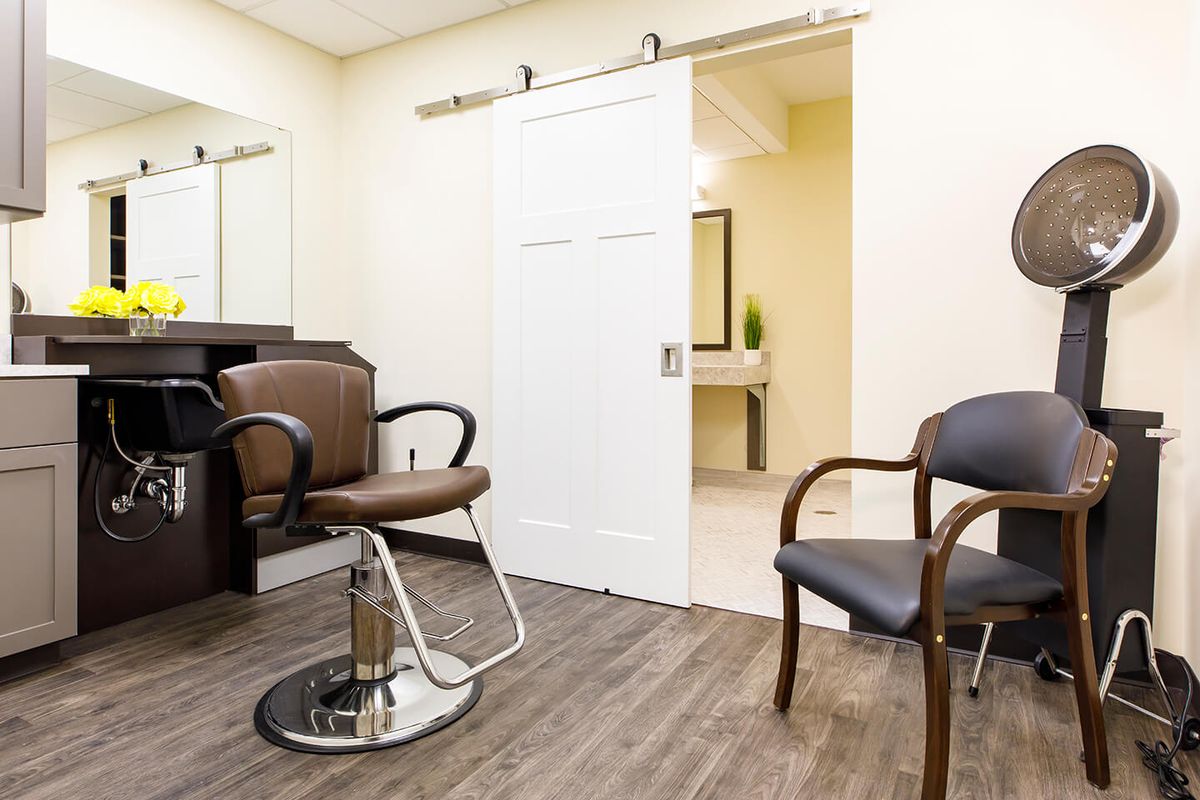
 Beauty salon
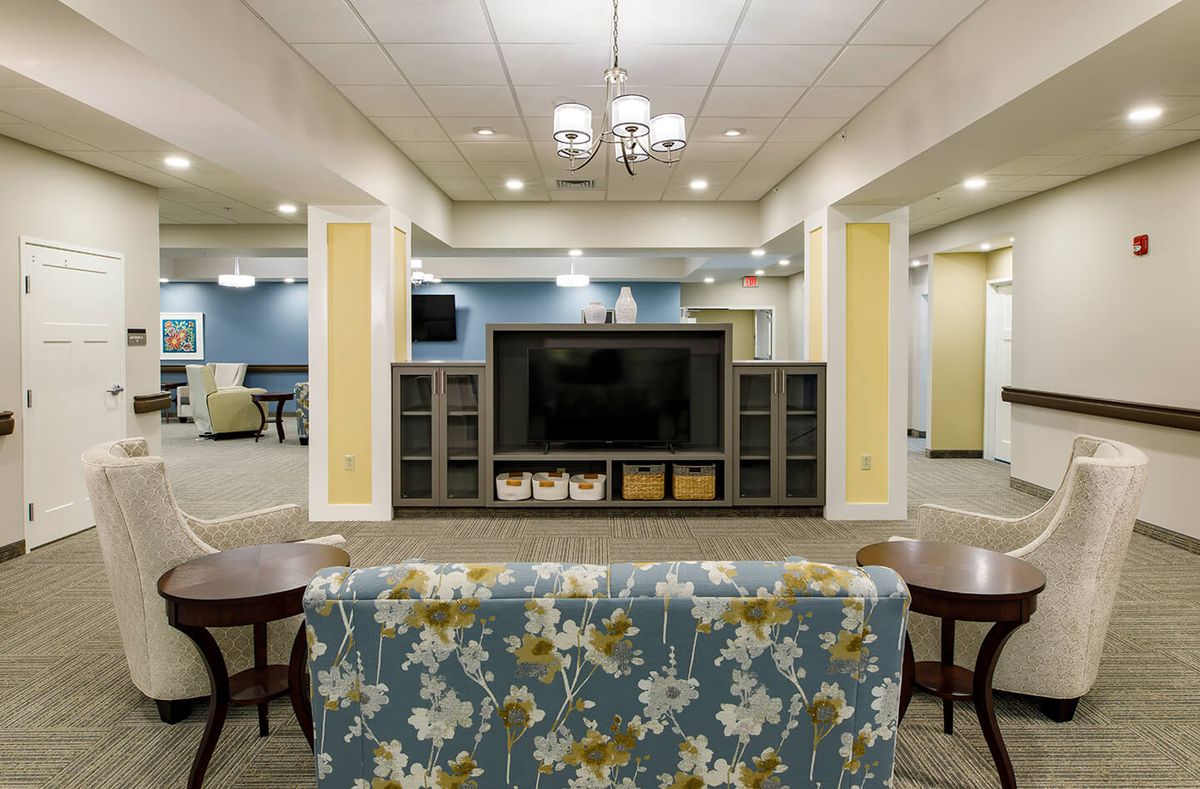
 Cable or satellite TV
 Computer center
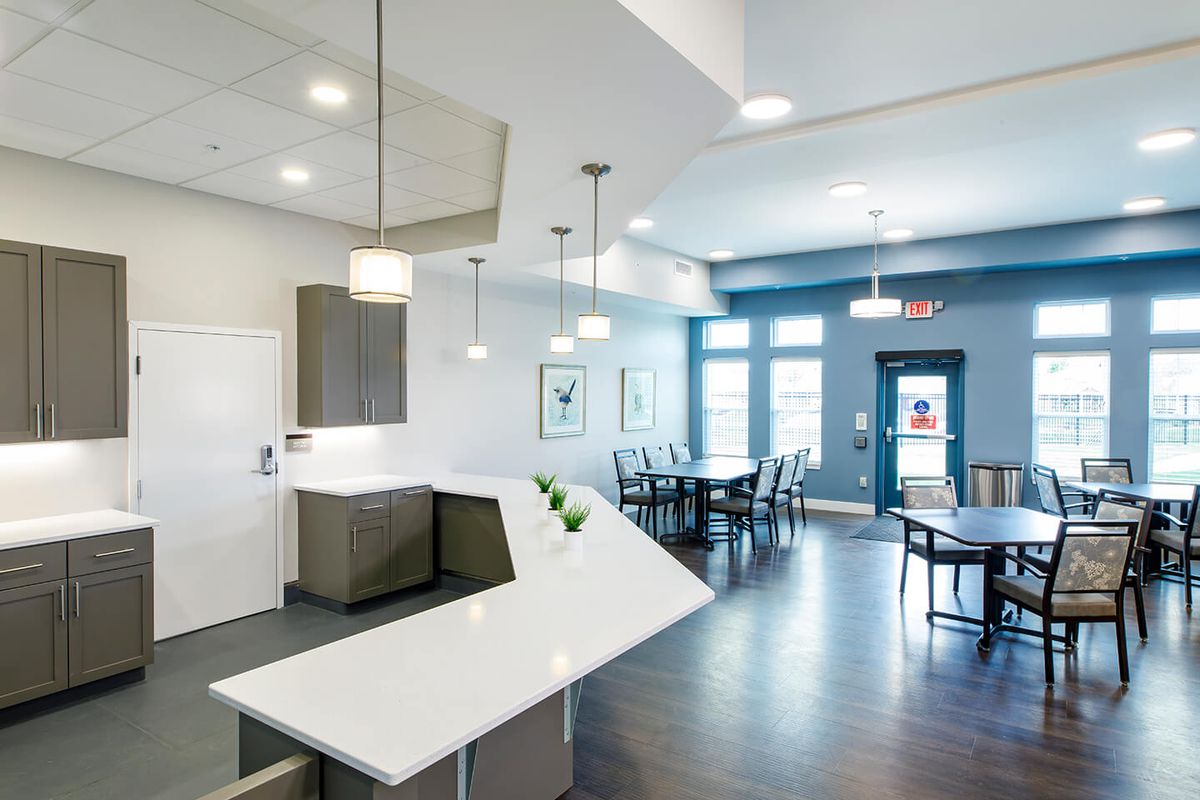
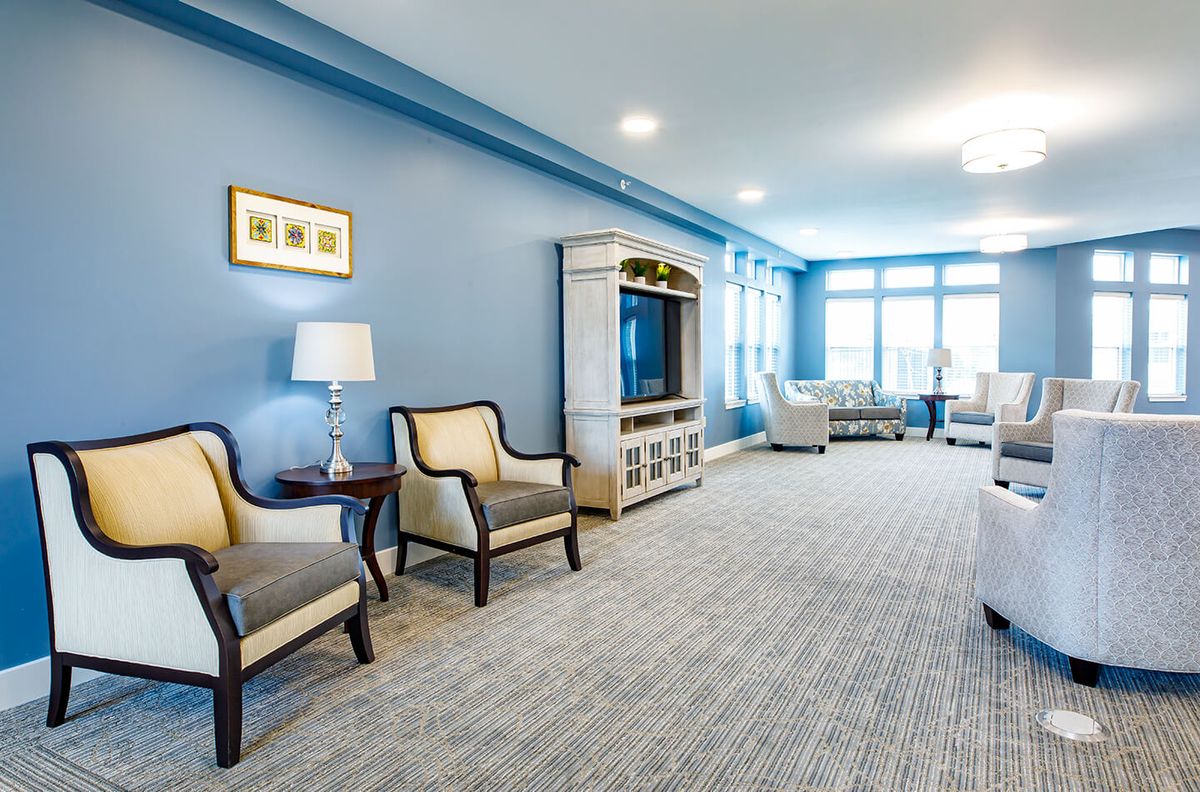
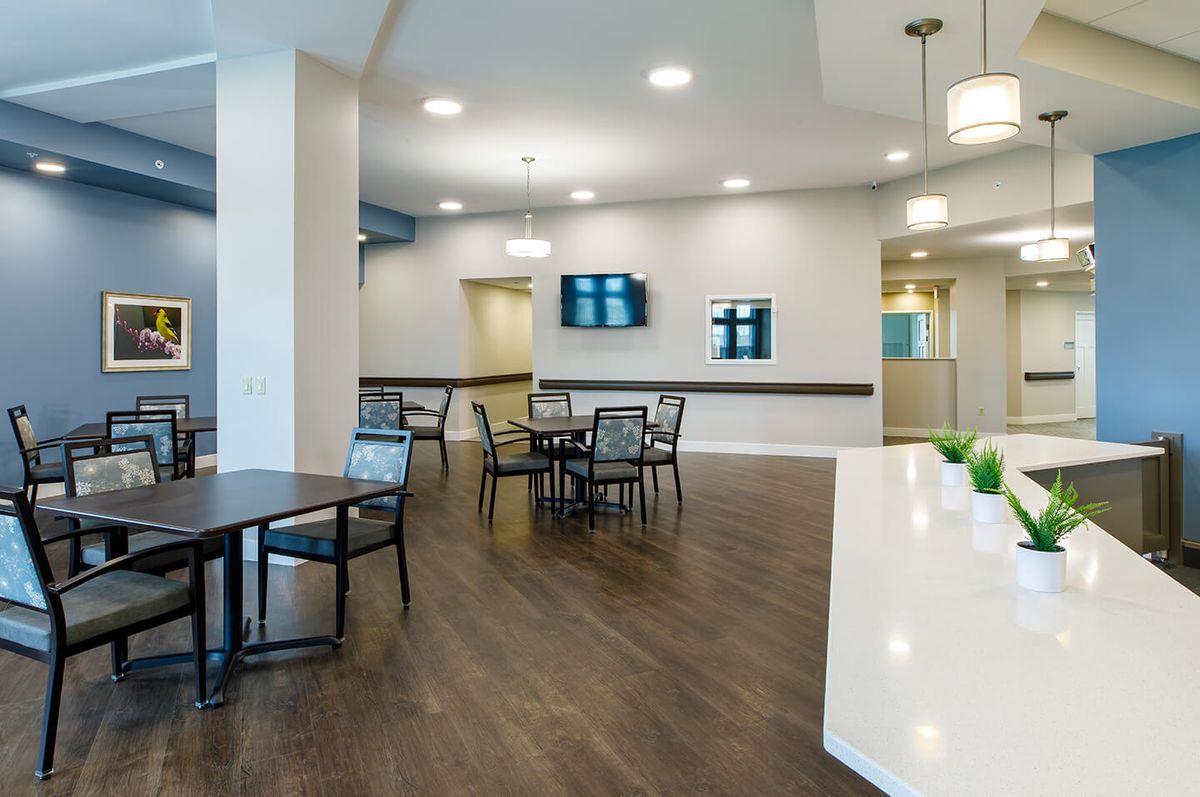
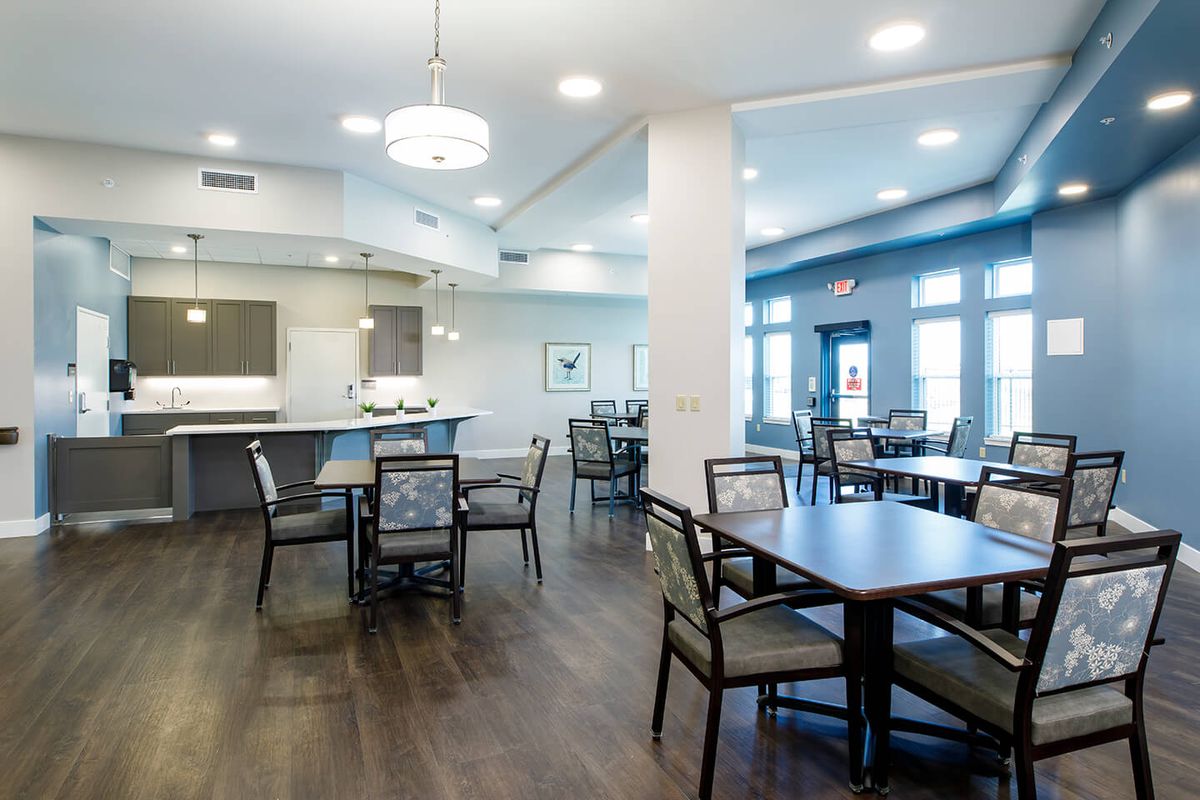
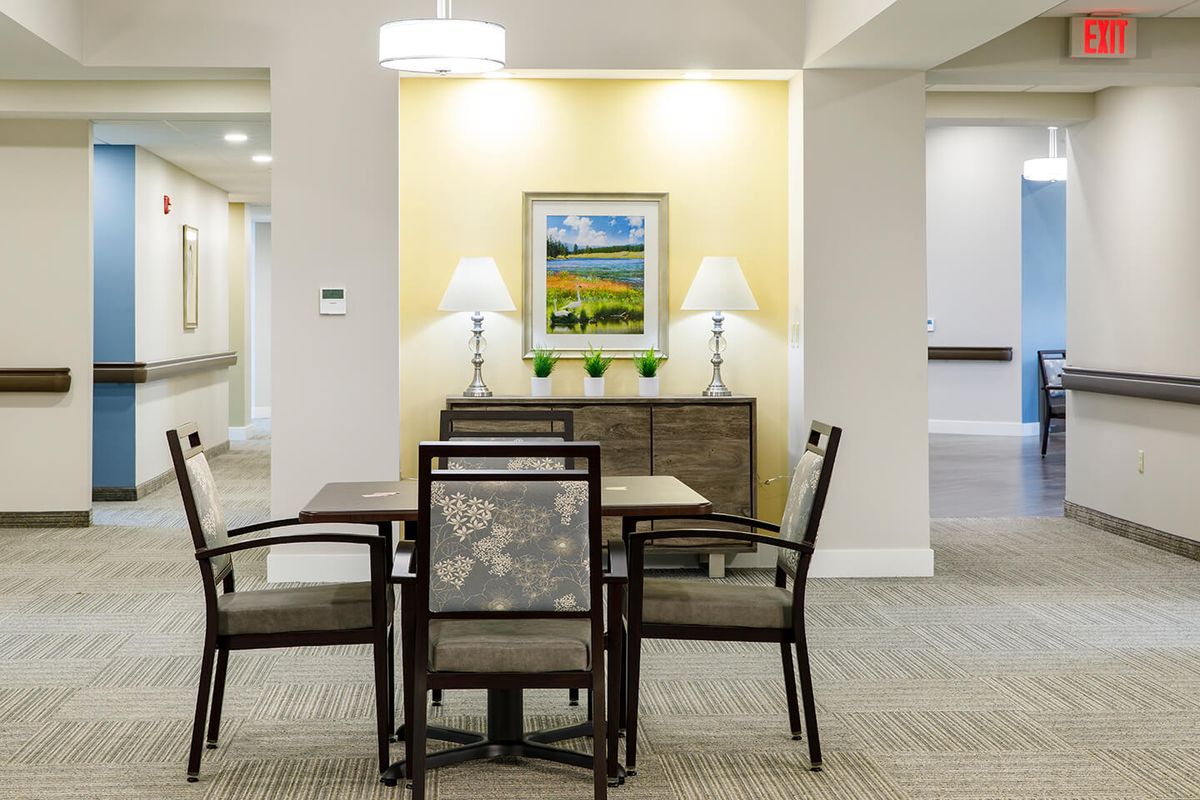
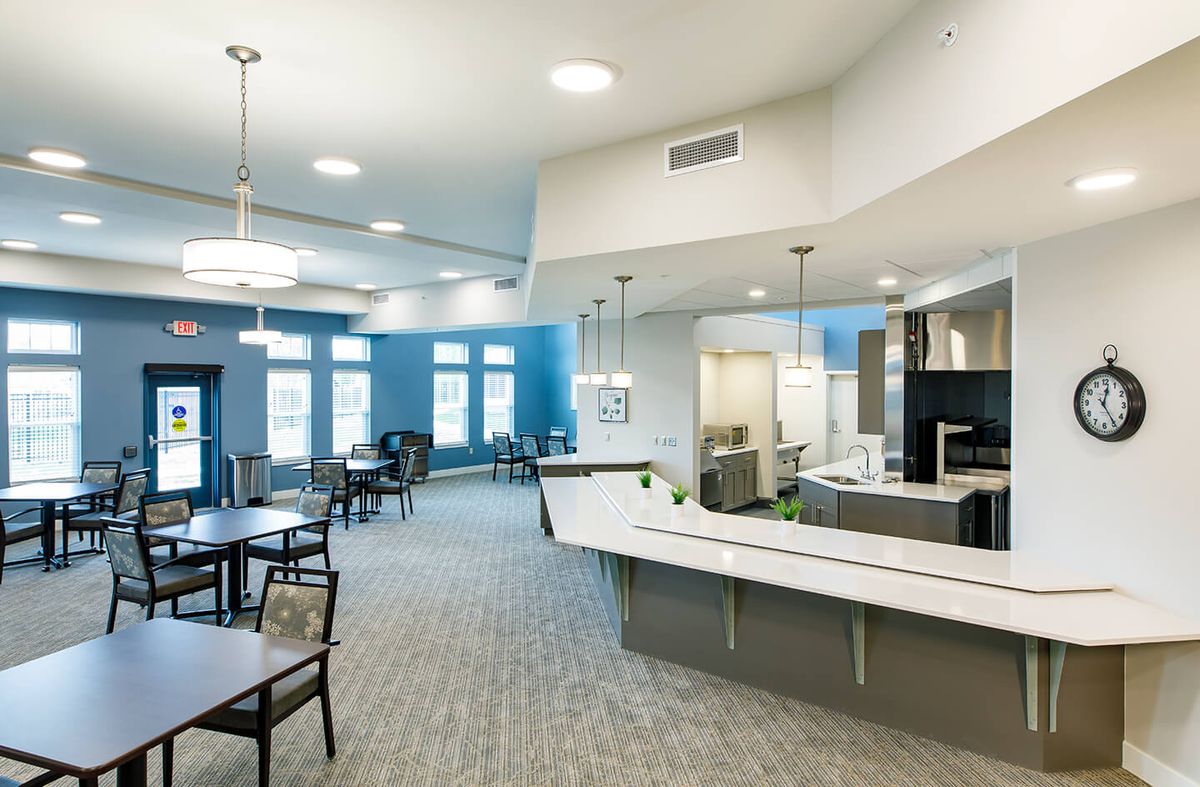
 Dining room
 Fitness room
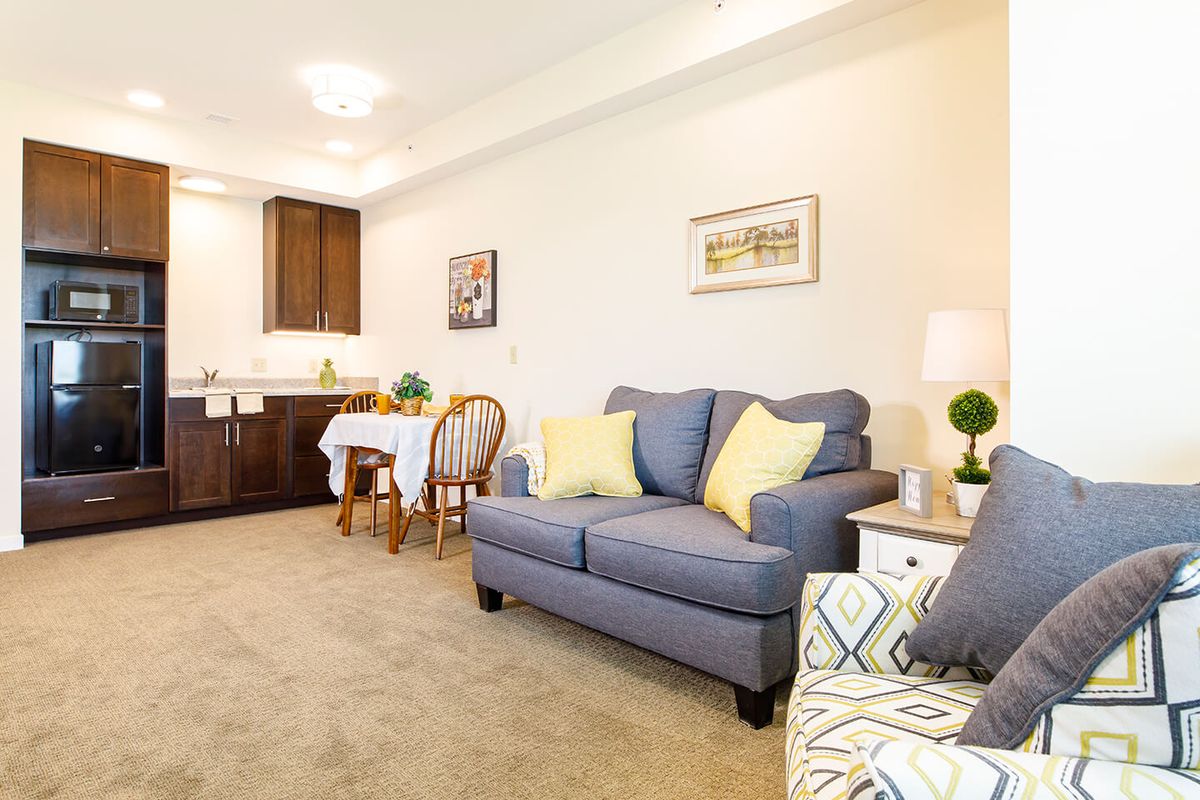
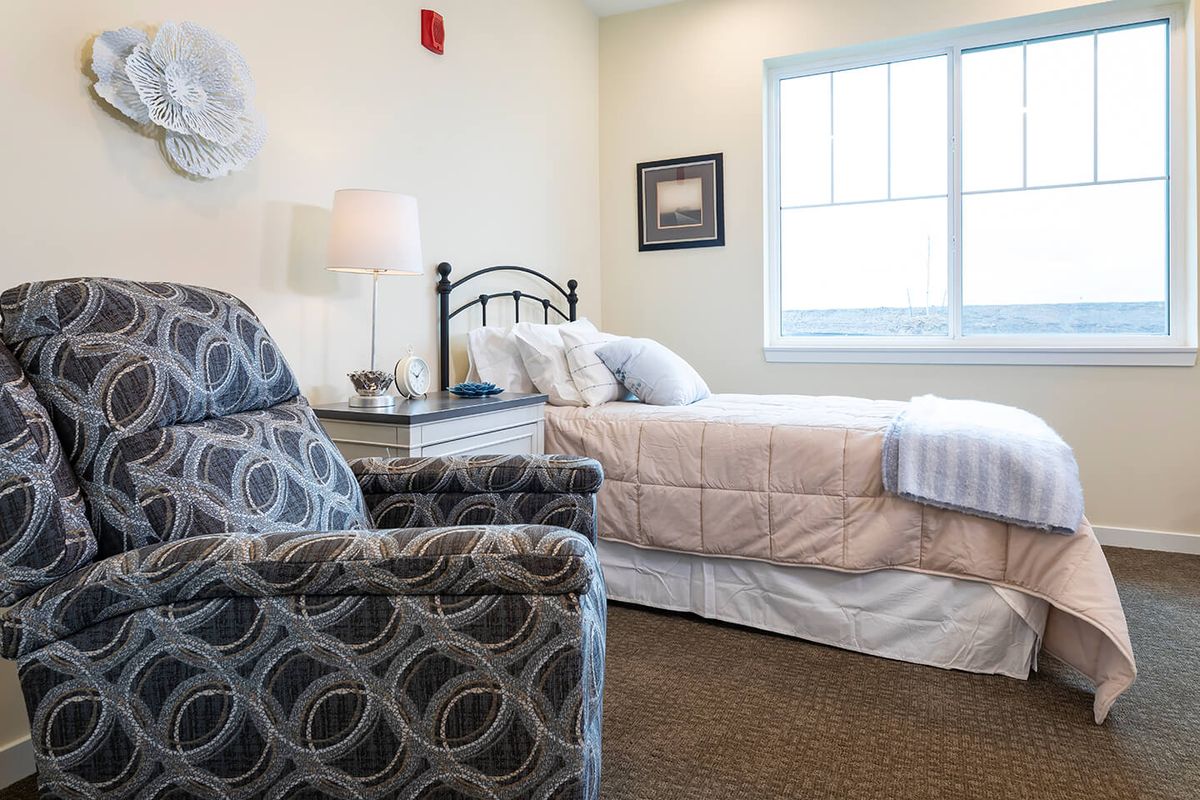
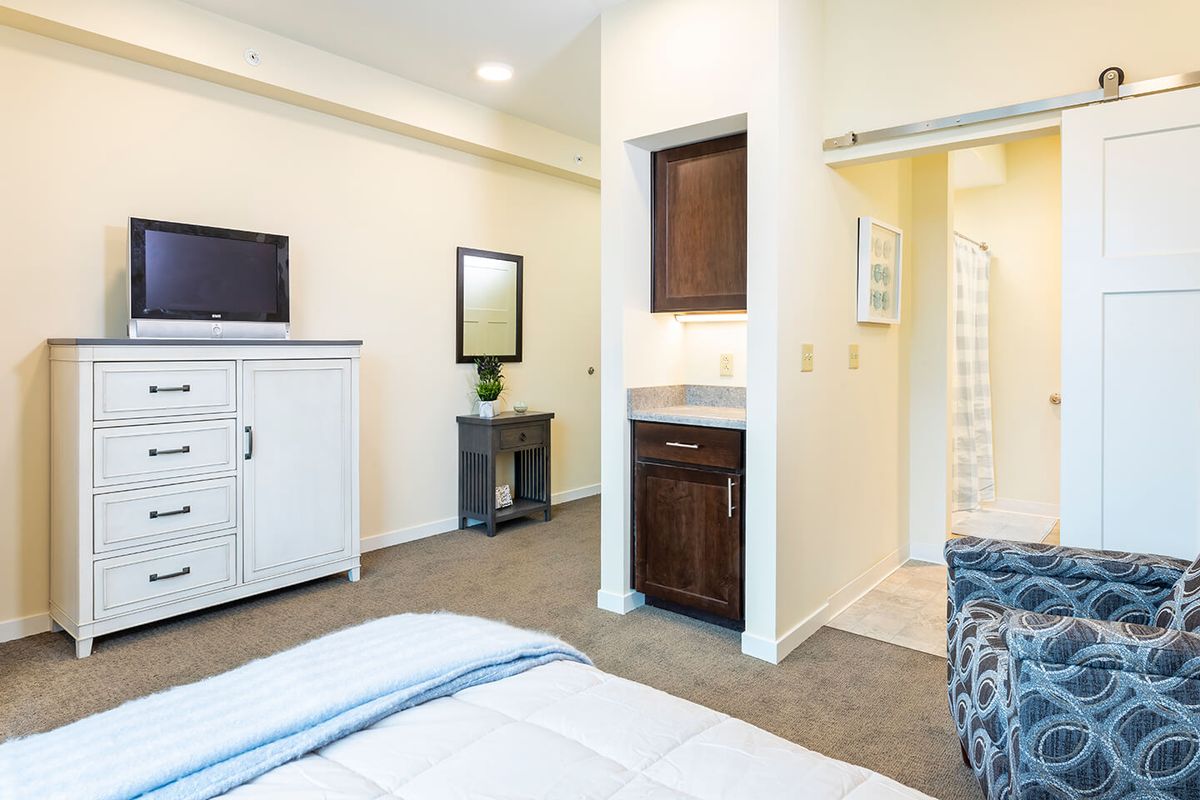
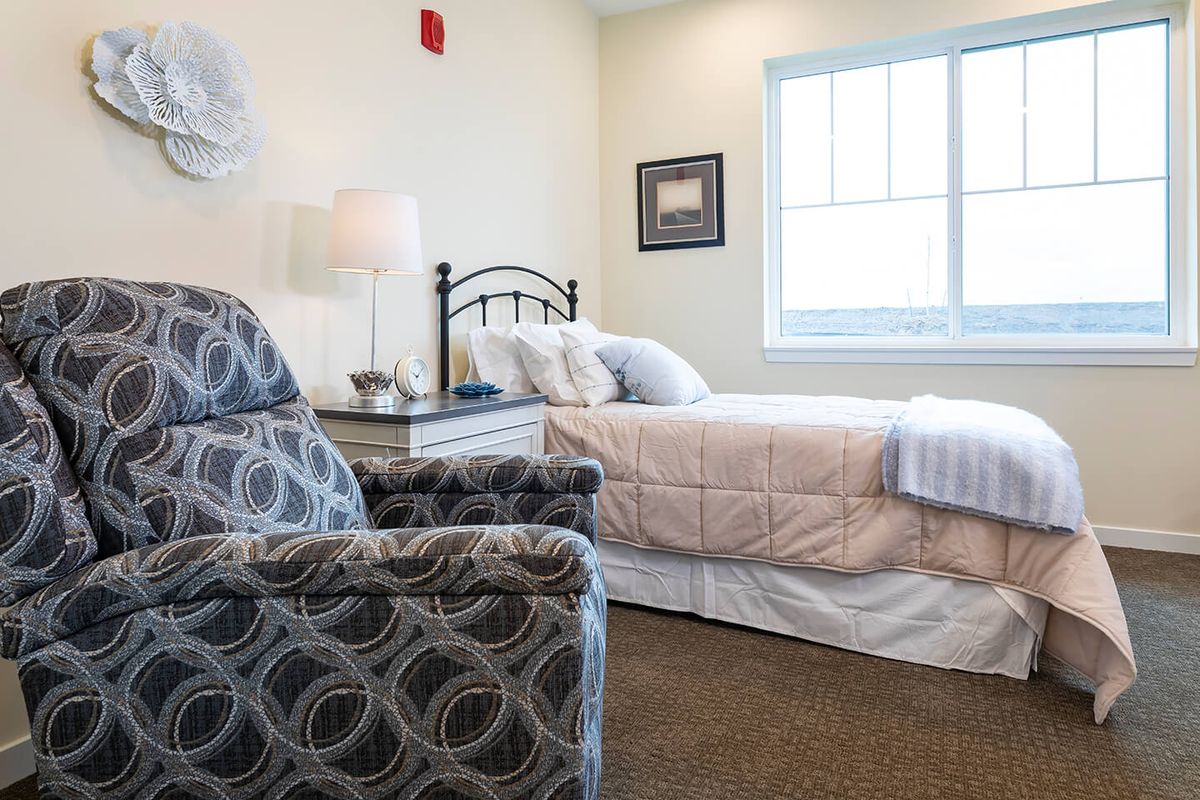
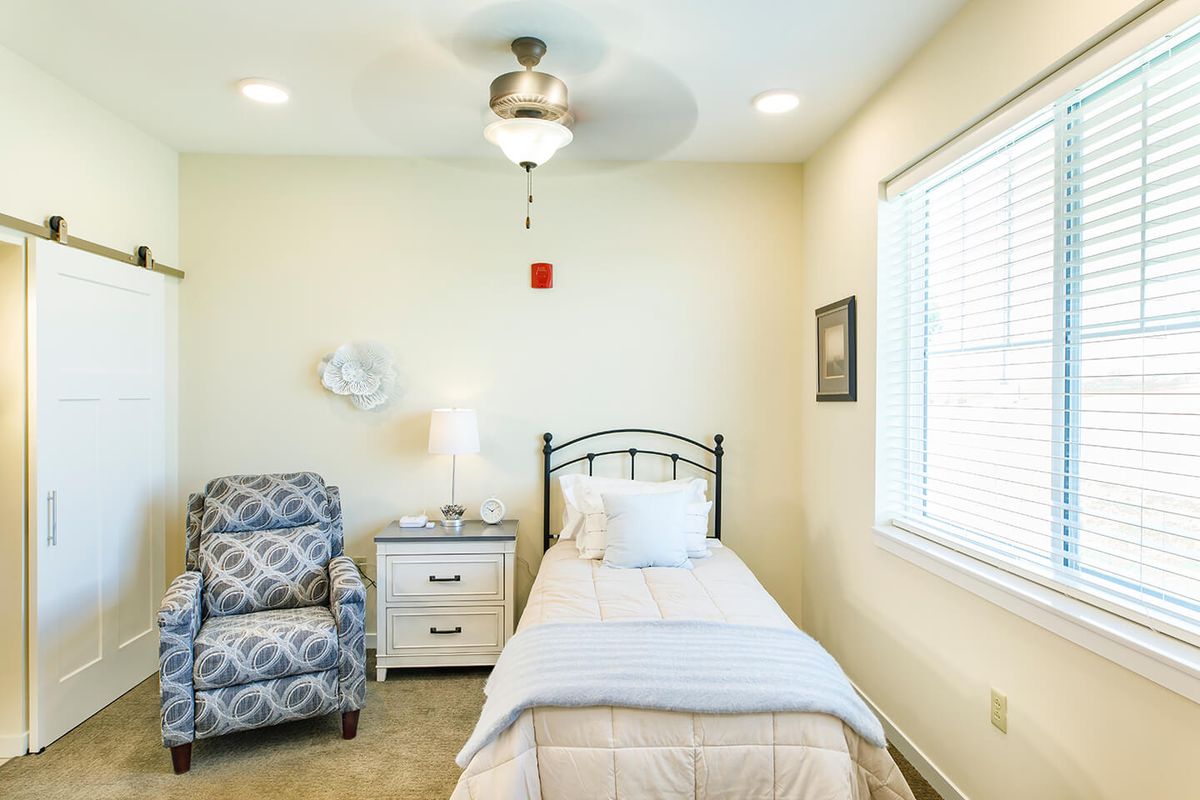
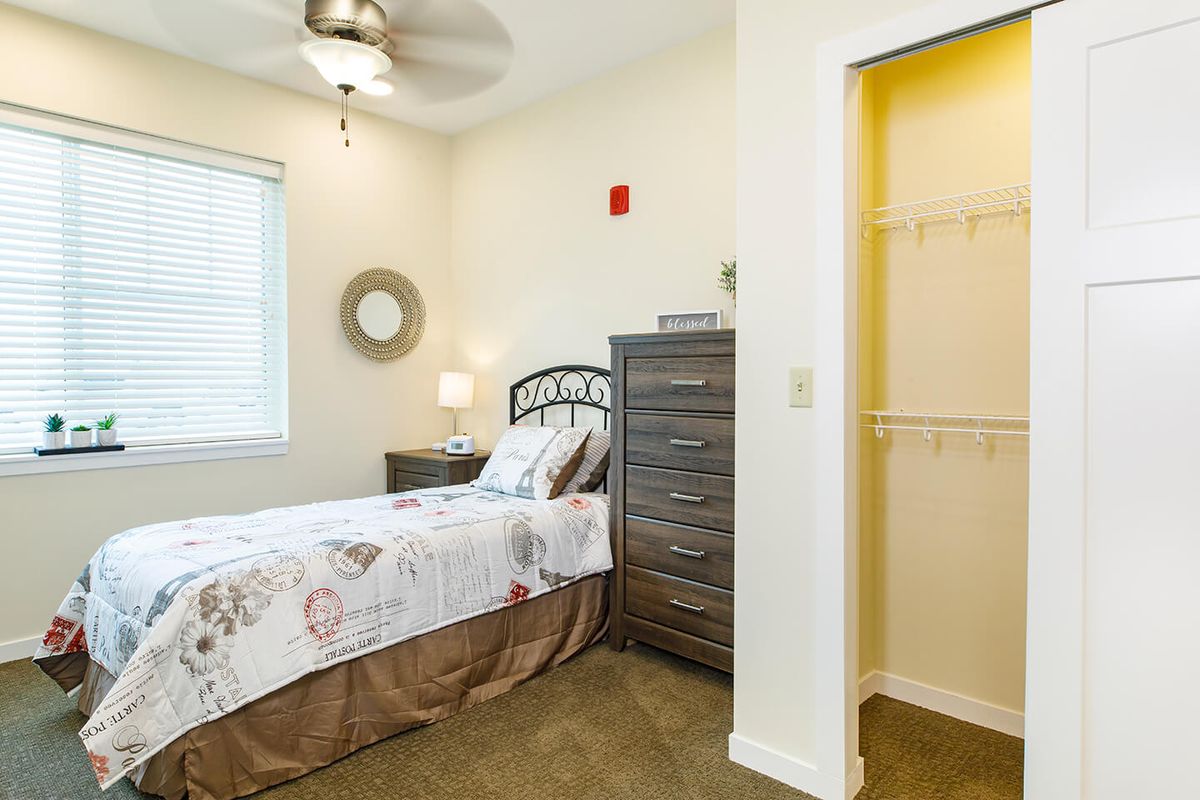
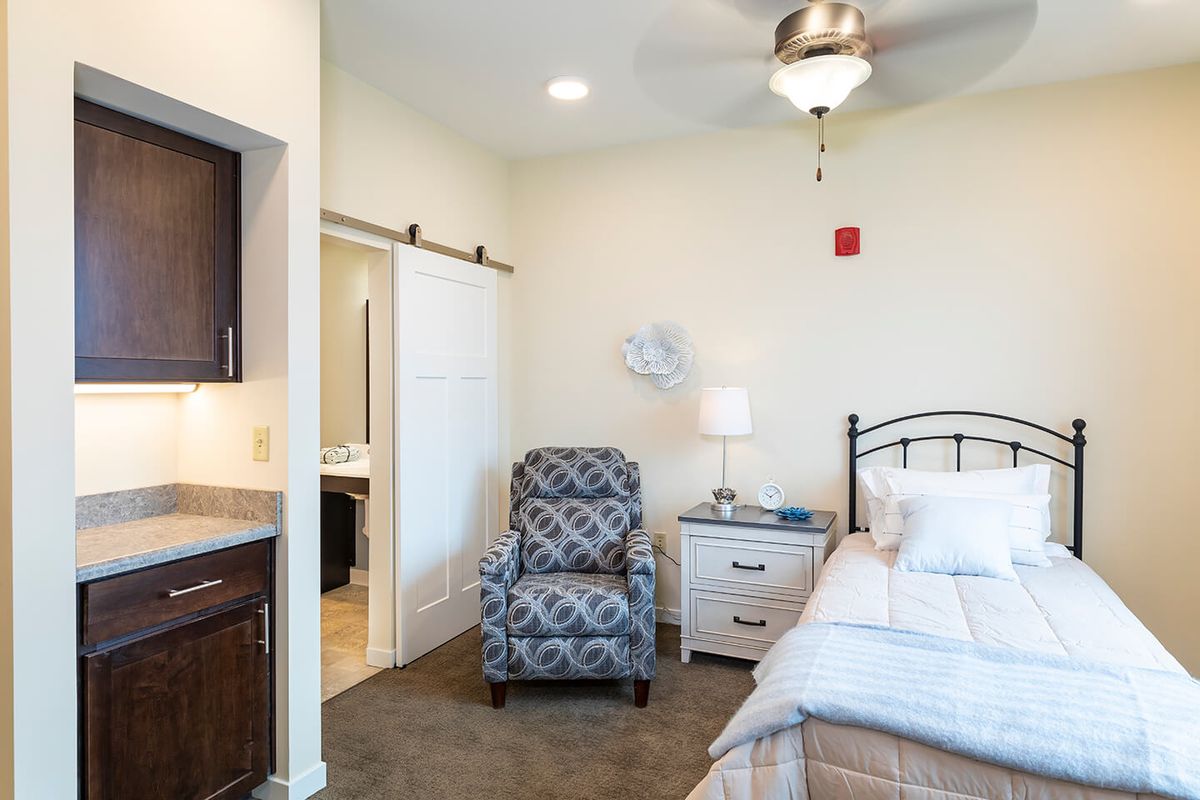
 Fully furnished
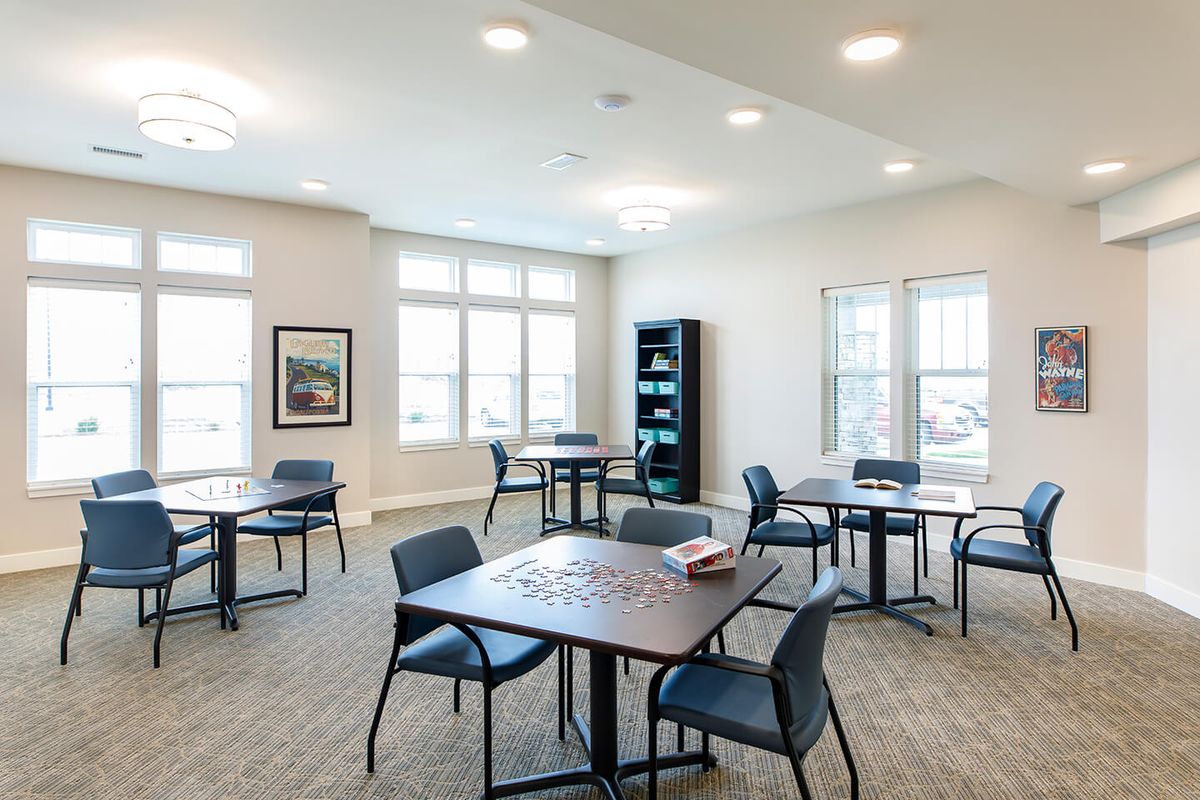
 Gaming room
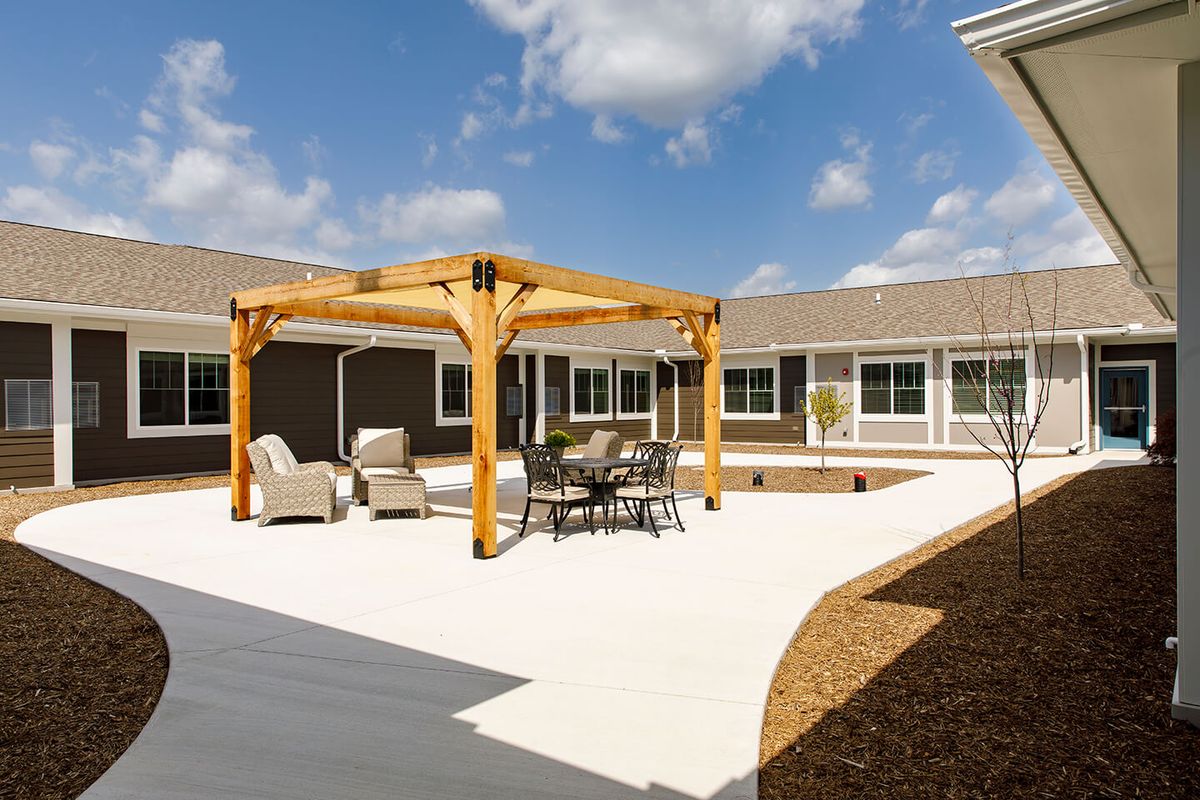
 Garden
 Housekeeping services
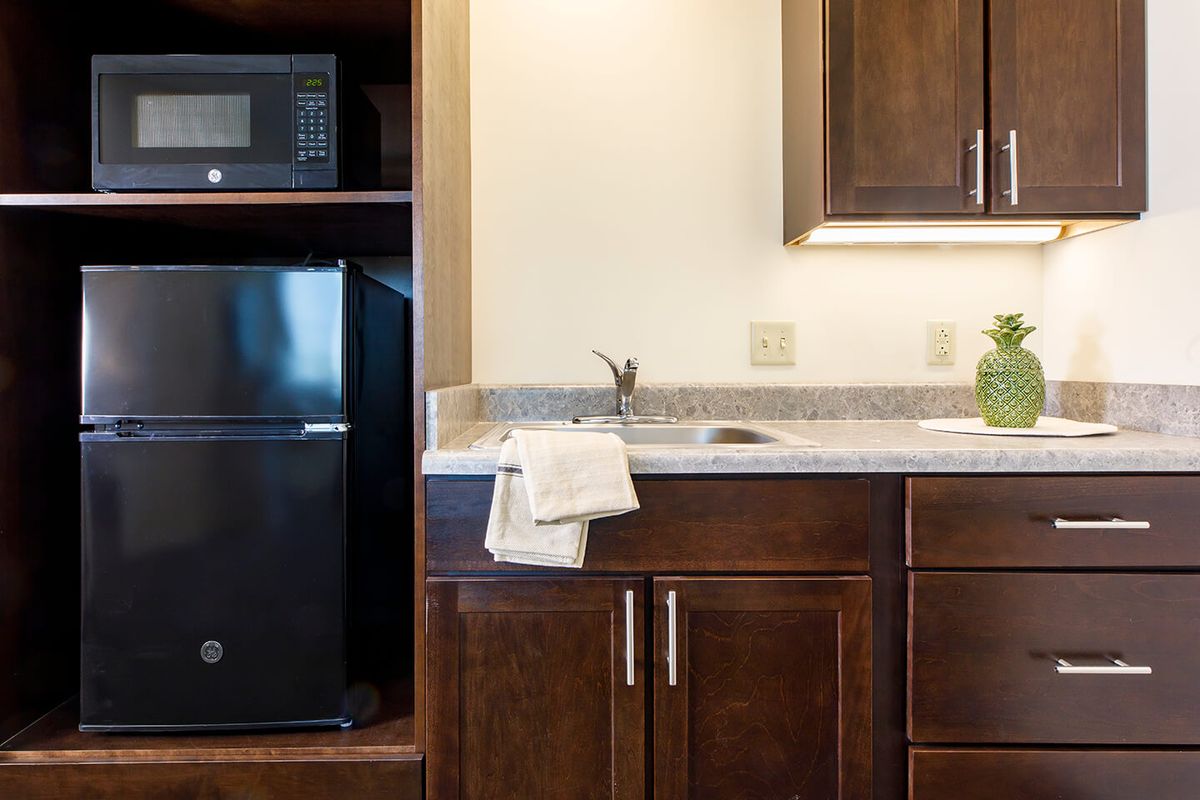
 Kitchenette
 Move-in coordination
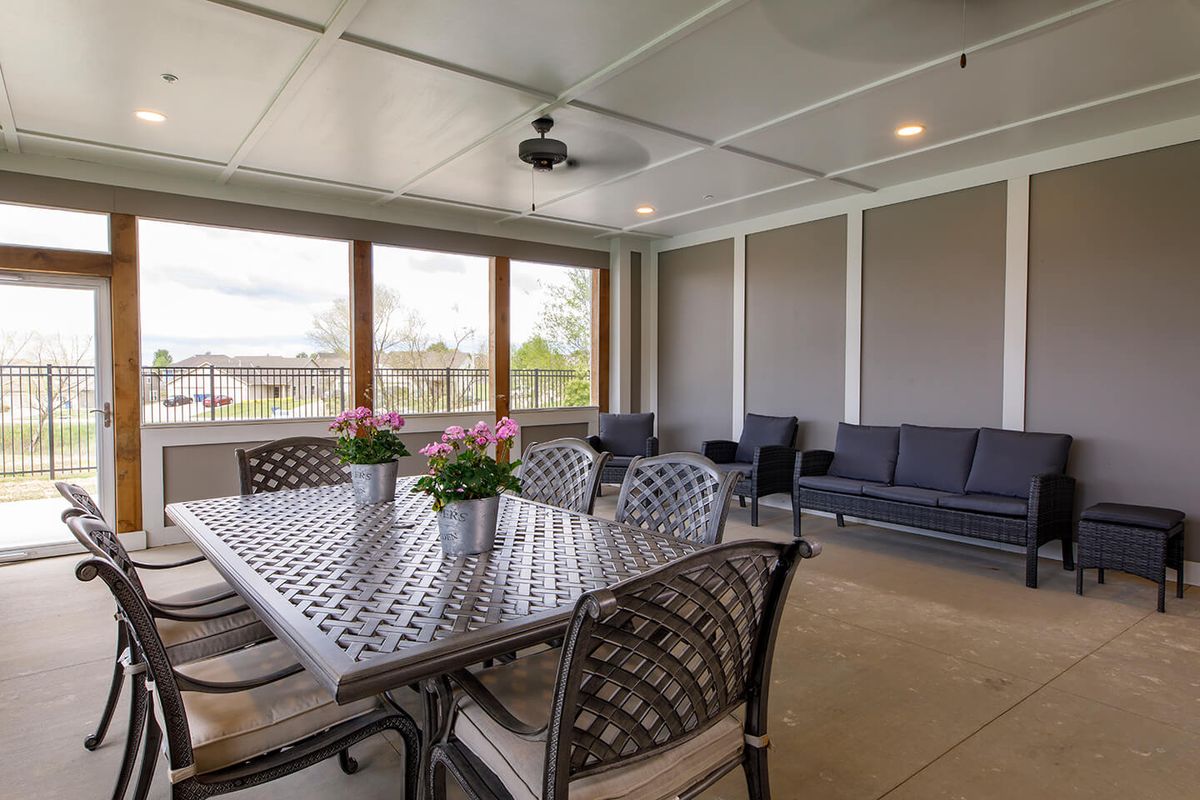
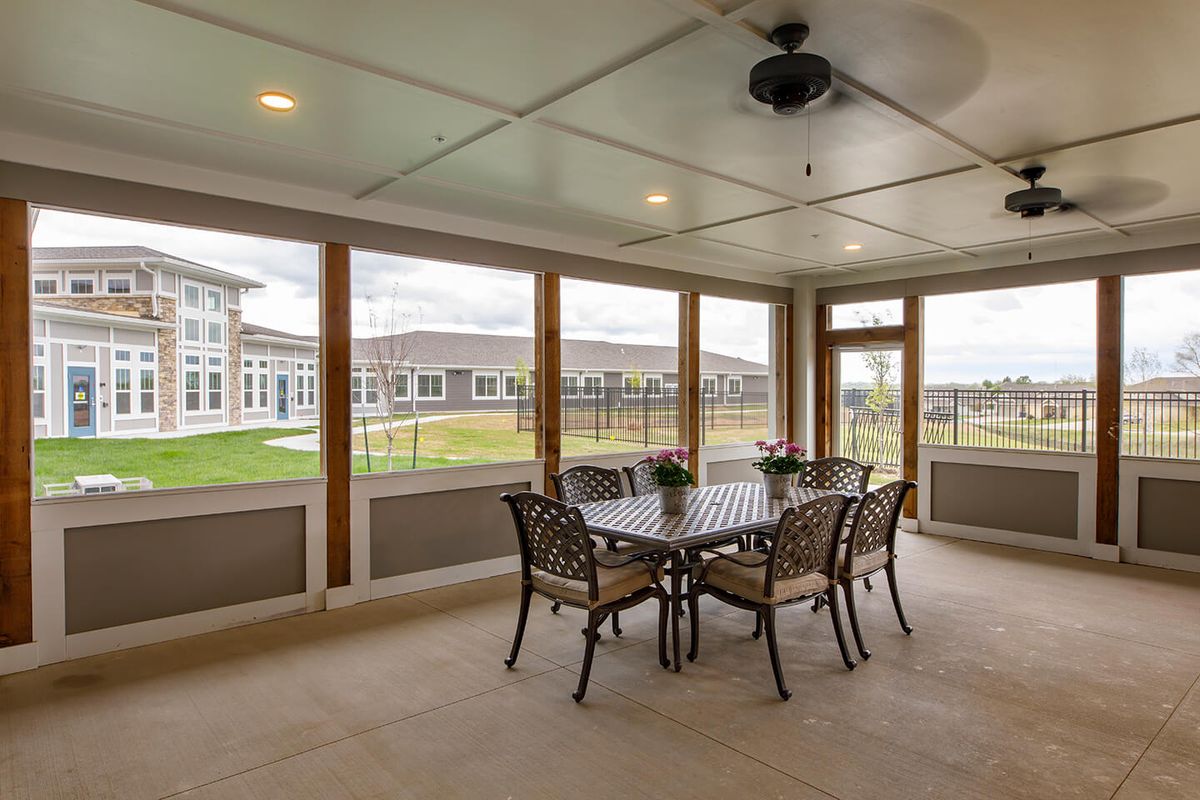
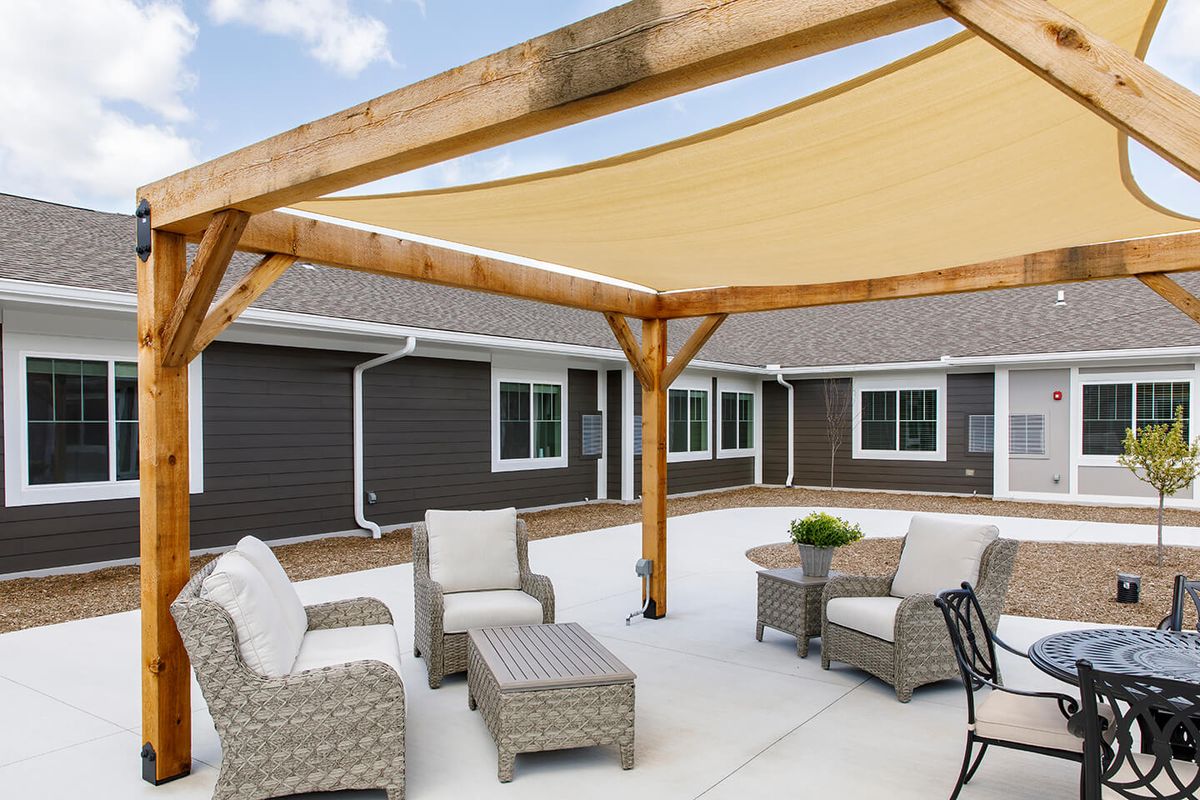
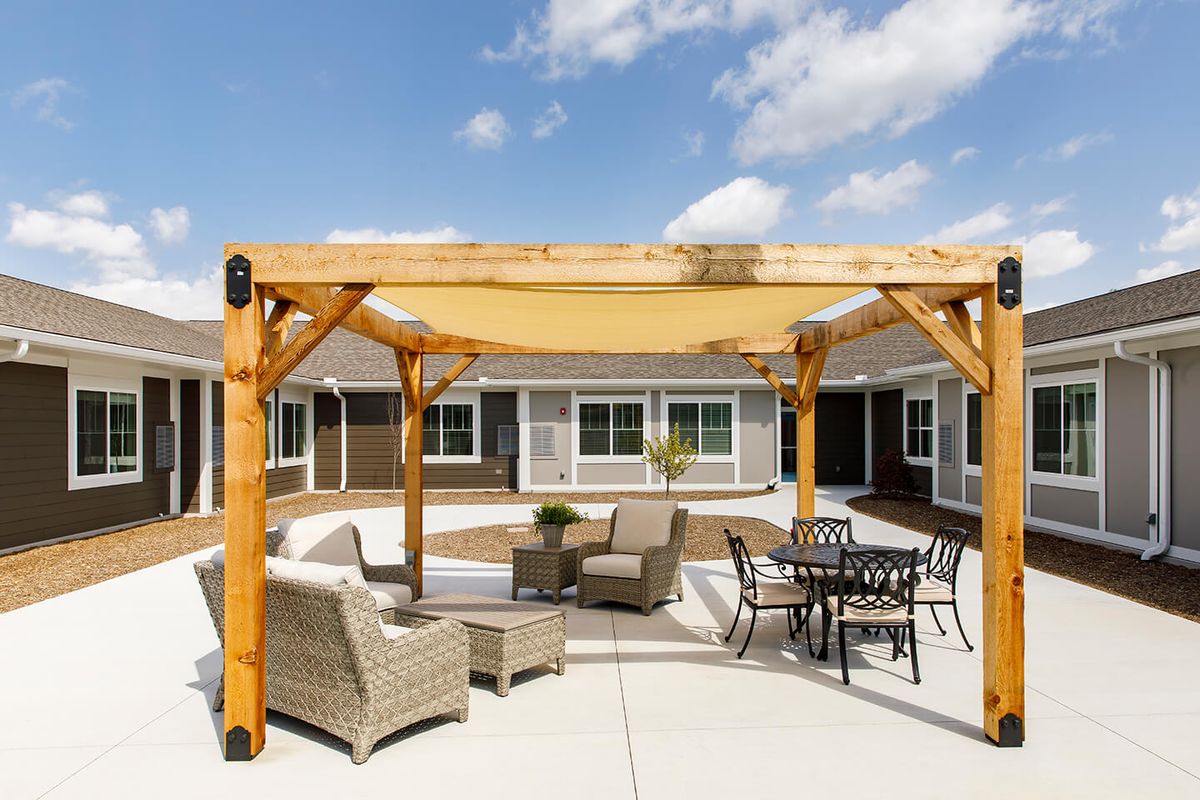
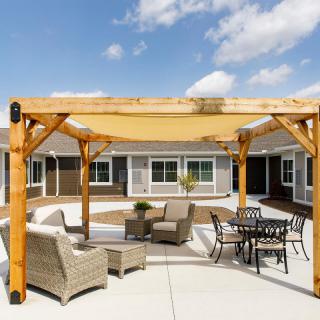
 Outdoor space
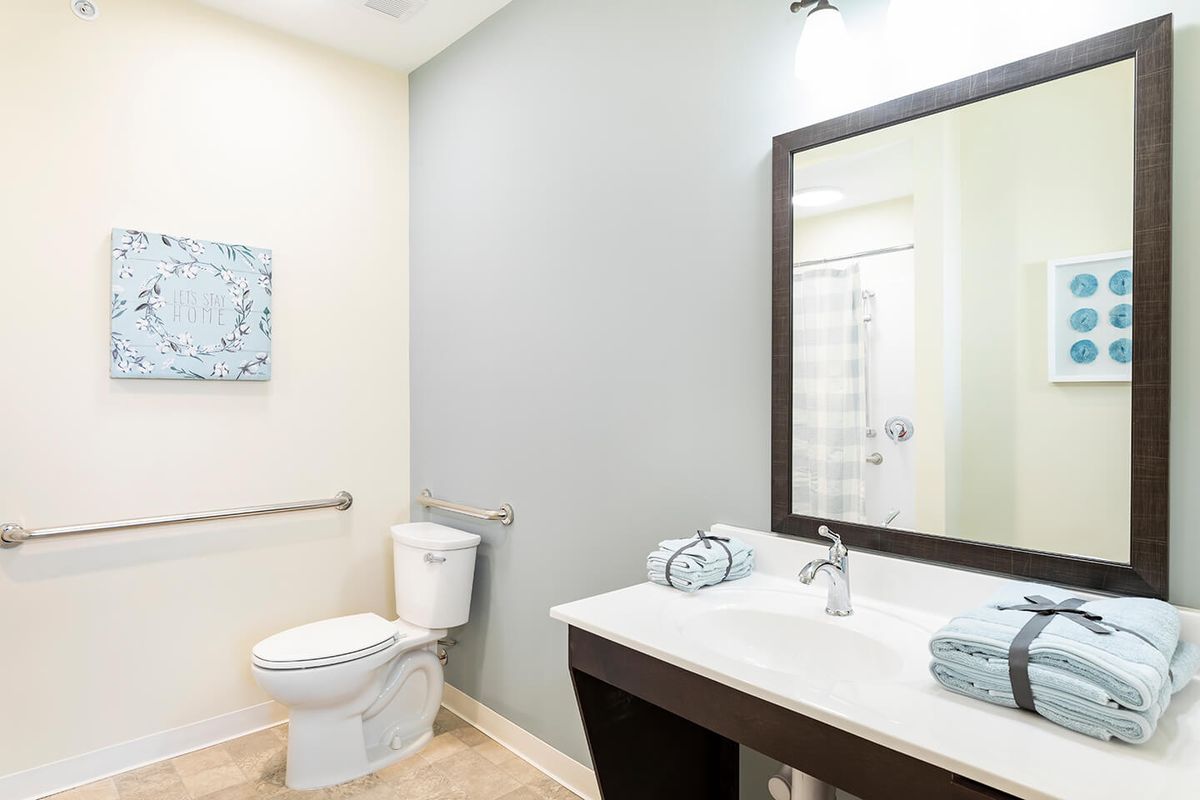
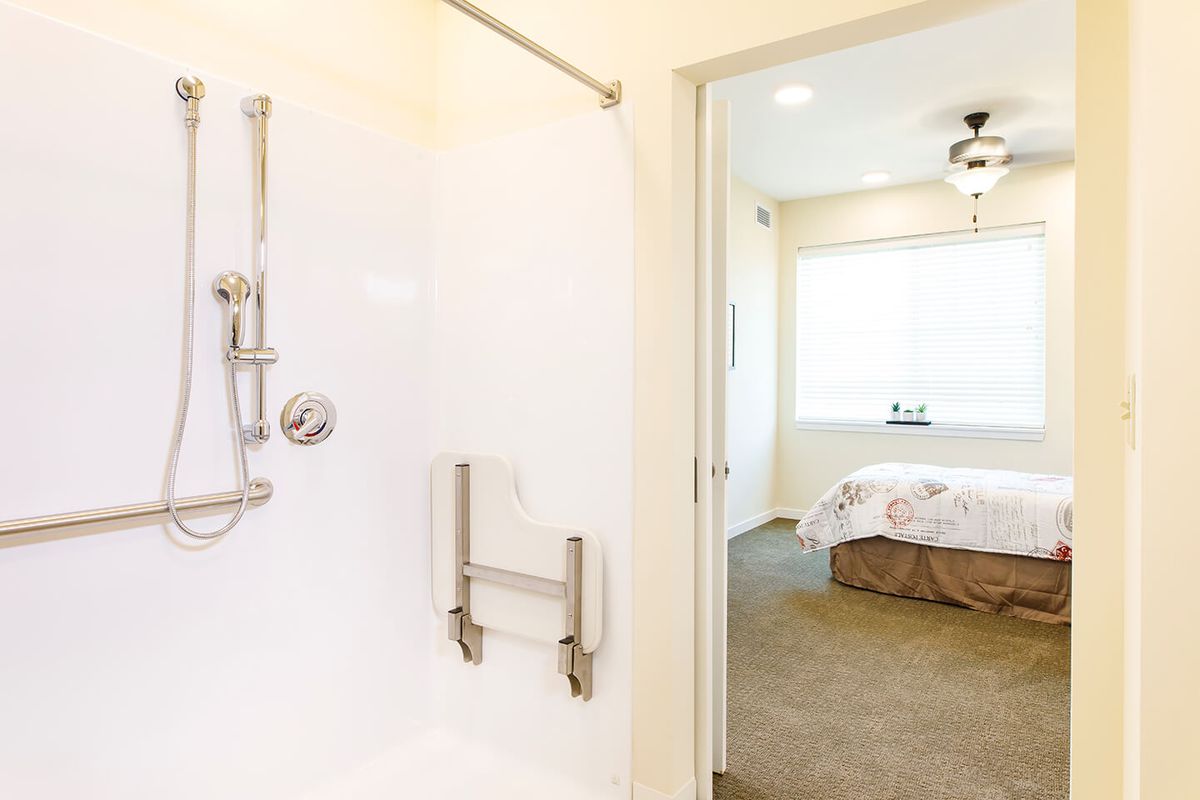
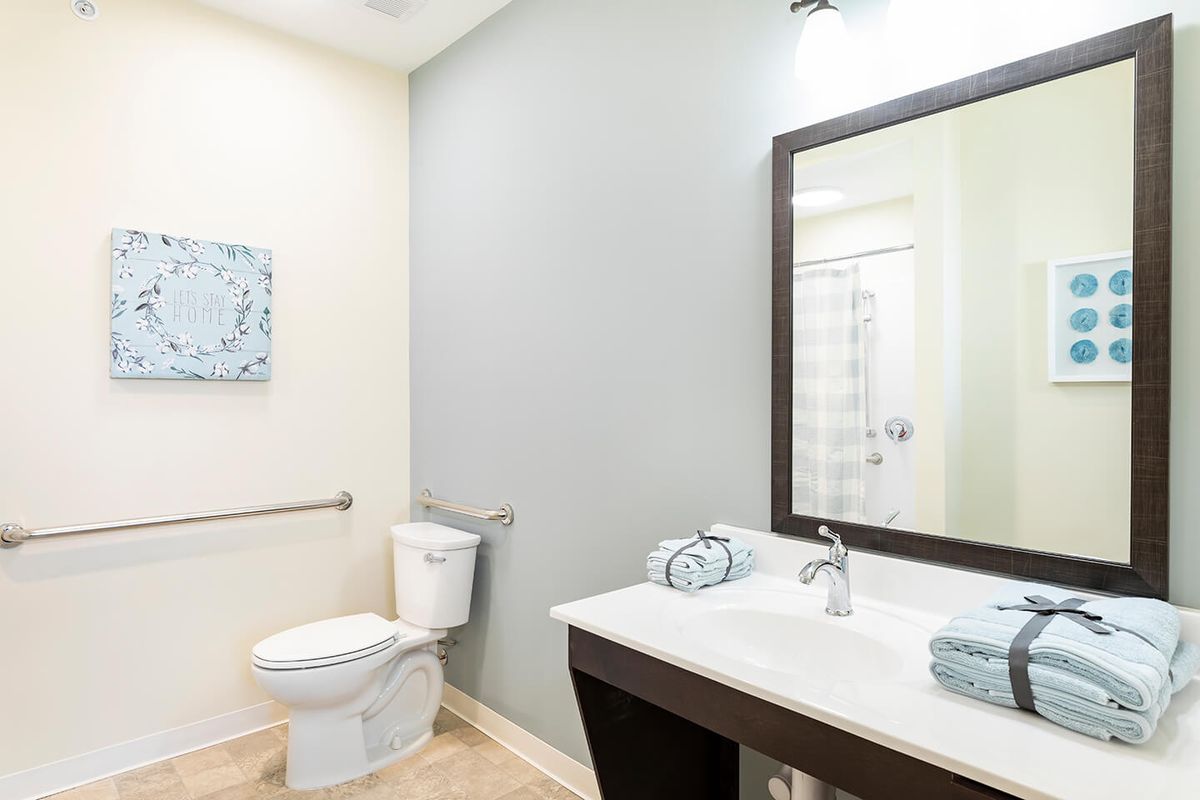
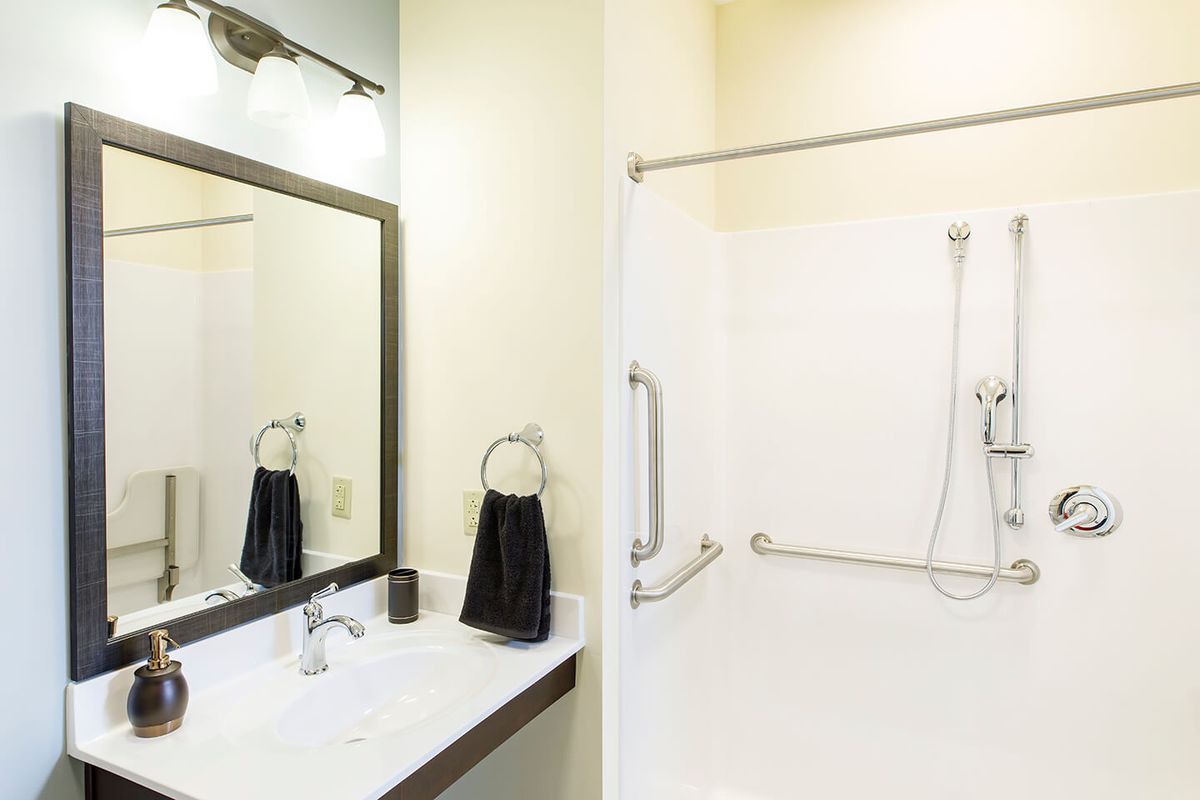
 Private bathrooms
 Restaurant-style dining
 Small library
 Telephone
 Wellness center
 Wi-Fi/high-speed internet available
 Community operated transportation
 12-16 hour nursing
 24-hour call system
 Activities of daily living assistance
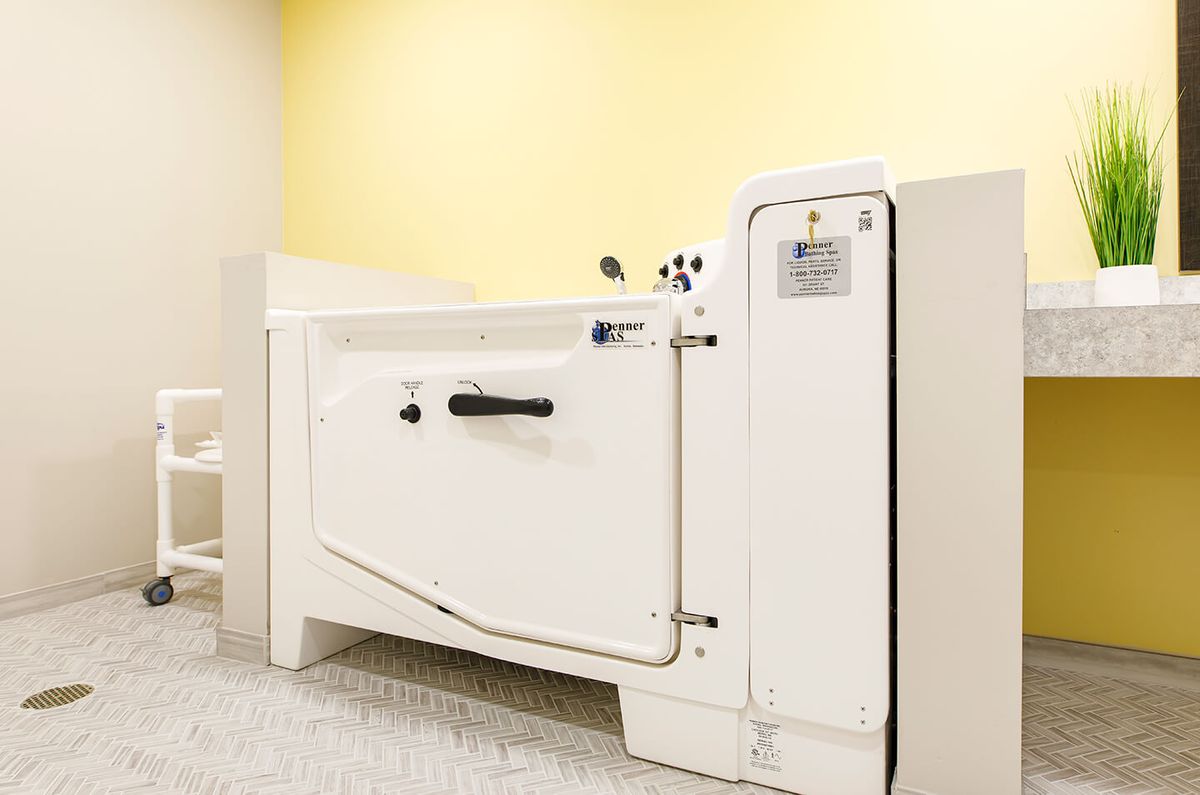
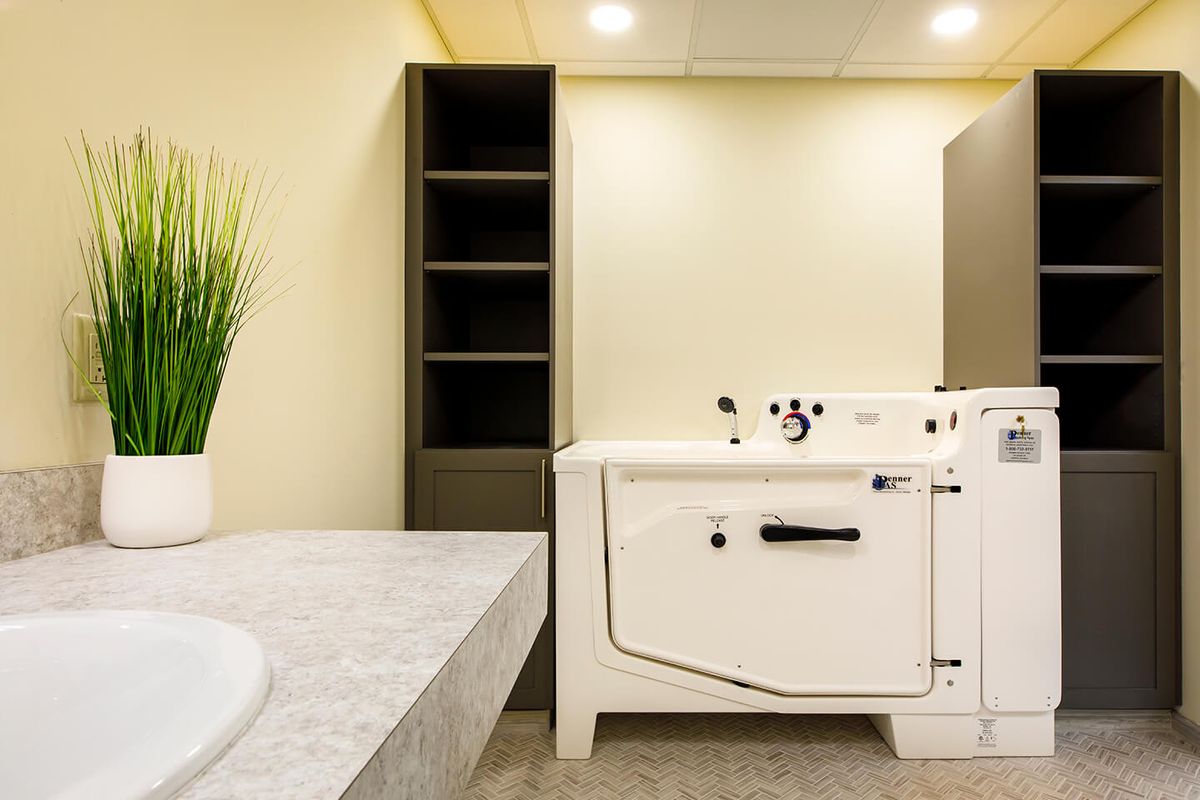
 Assistance with bathing
 Assistance with dressing
 Assistance with transfers
 Diabetes diet
 Medication management
 Mental wellness program
 Special dietary restrictions
 Transportation arrangement (medical)
 Concierge services
 Planned day trips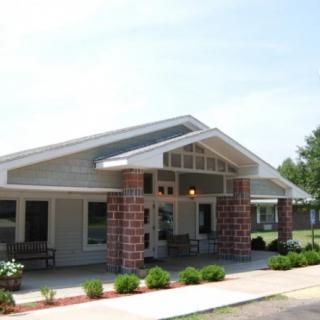

 Dementia-Related Hallucinations: Causes, Experiences, and Practical Approaches
 Illuminating Insights About Alzheimer's Disease: Ten Crucial Realities
 A Thorough Discussion of Medications Potentially Linked to Dementia Risk