Residents and visitors repeatedly describe the facility as very clean.
Multiple reviews mention a clean, well-kept environment and note details like pleasant smells and a welcoming look. A few reviewers also call out cleanliness as part of what made the move feel easier, including during early visits. One negative review directly complains about filth and neglect, which is the main outlier to the otherwise consistent cleanliness feedback.
common7 reviews mention this
Activities keep residents engaged
Residents describe a steady schedule of activities and outings.
Reviews often mention regular activities, including scheduled events and excursions, and they describe residents staying busy. Several families highlight social benefits like friendships and a community feel supported by activities and an activity director. The engagement theme also shows up alongside visits describing daily life, not just the initial tour experience.
common7 reviews mention this
Rehab and therapy support feels attentive
Reviews frequently mention therapy and rehab that encourages progress.
Several reviewers describe attentive nursing and therapy teams, including support aimed at recovery after falls and hospital stays. Families also mention a rehab program making a noticeable difference, and they describe therapy staff as encouraging while still being straightforward about progress. One criticism centers on rehabilitation planning and exercise routines not matching what was expected, which is the only recurring negative within this theme.
caveat4 reviews mention this
Food quality and diet accuracy vary
Dining satisfaction is mixed, with diet questions raising concerns.
A few reviews are positive about food and nutrition during care. However, others report serious problems, including complaints that the food was awful and that promised dietary restrictions could not be guaranteed. In one case, the reviewer ties that diet mismatch to worsening health shortly after admission.
How we summarize
Counts show how many written reviews mention each theme; a review can touch several themes, and only frequently mentioned themes are displayed.
Features
Housing
49 resident community capacity
Types of Care
Assisted Living
Amenities
Beauty salon
Cable or satellite TV
Dining room
Fully furnished
Garden
Housekeeping services
Kitchenette
Move-in coordination
Outdoor space
Telephone
Wi-Fi/high-speed internet available
Care Services
24-hour call system
24-hour supervision
Activities of daily living assistance
Assistance with bathing
Assistance with dressing
Assistance with transfers
Coordination with health care providers
Diabetes diet
Meal preparation and service
Medication management
Mental wellness program
Special dietary restrictions
Transportation arrangement (medical)
Transportation to doctors appointments
Dining
Diabetes diet
Special dietary restrictions
Activities
Community-sponsored activities
Resident-run activities
Scheduled daily activities
Nearby Places of Interest
Pharmacies
Cedar Creek Pharmacy (0.6 miles)
Byrne's Pharmacy (6.9 miles)
Auburn Pharmacy (7 miles)
DeGoler Pharmacy (7.5 miles)
Walgreens (7.7 miles)
CVS Pharmacy (7.7 miles)
CVS Pharmacy (8.8 miles)
Parks
Kill Creek Streamway Dog Park (1.2 miles)
Kill Creek Park (4.1 miles)
Buffalo Meadows Park (7.5 miles)
Garrett Park (8.4 miles)
Shawnee Mission Dog Park (9.2 miles)
Shawnee Mission Park (10.5 miles)
City of Gardner Celebration Park (11.5 miles)
Places of Worship
Mill Creek Community Church (6.2 miles)
First Christian Church (7.6 miles)
Gardner Church of the Nazarene (10.9 miles)
Tonganoxie United Methodist Church (11.1 miles)
Lenexa Baptist Church (11.4 miles)
Physicians
Heartland Primary Care - Prairie Star Pkwy. - Sunflower Medical Group (6.4 miles)
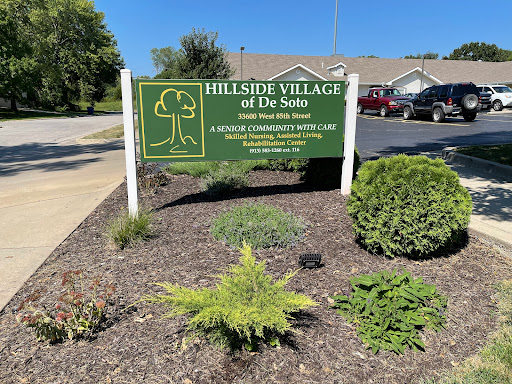
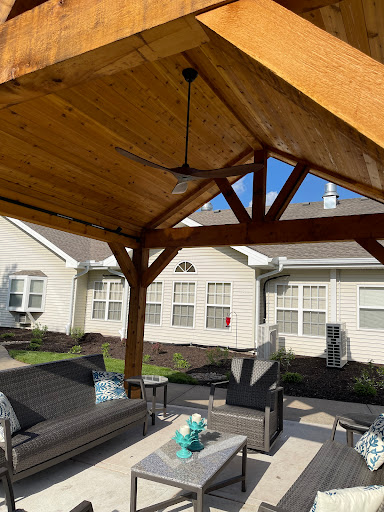
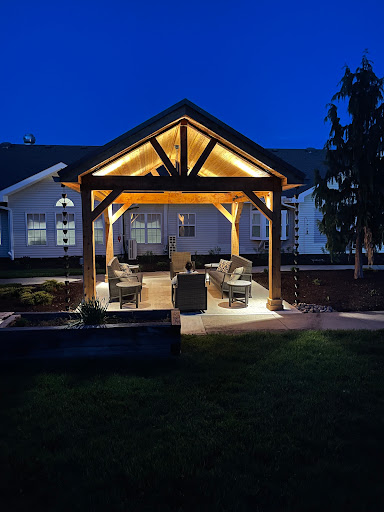
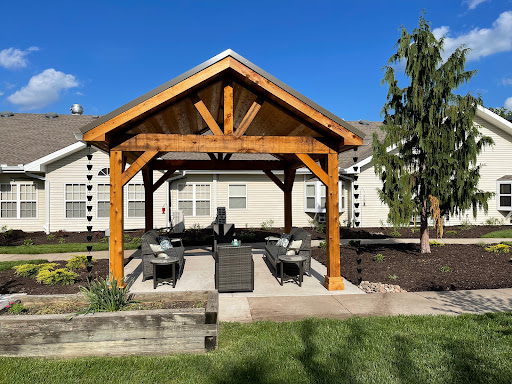
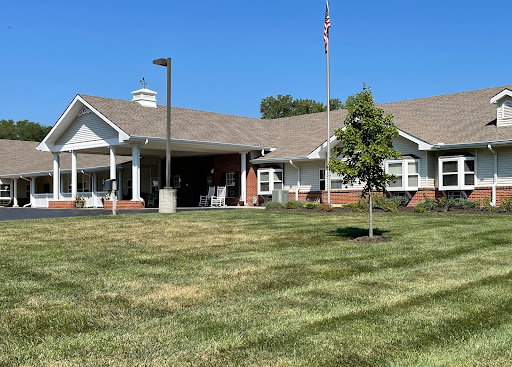
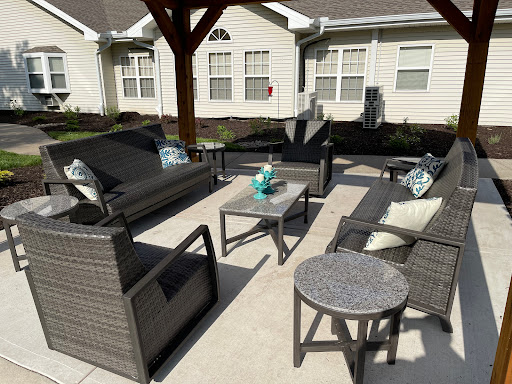
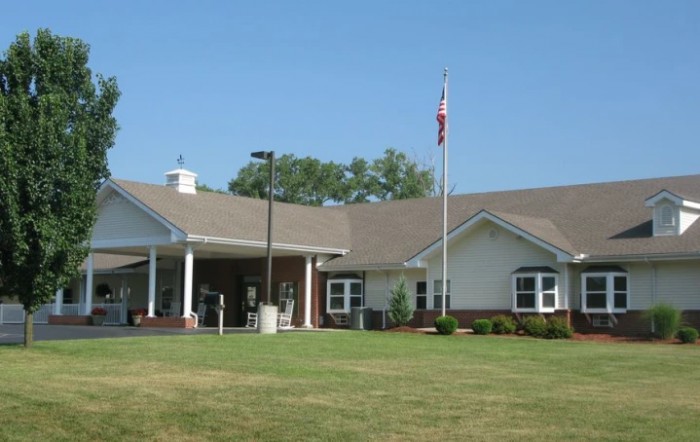
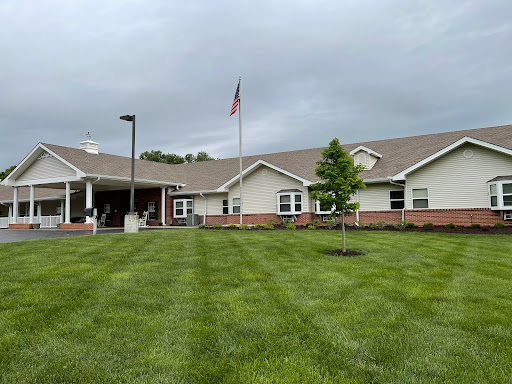
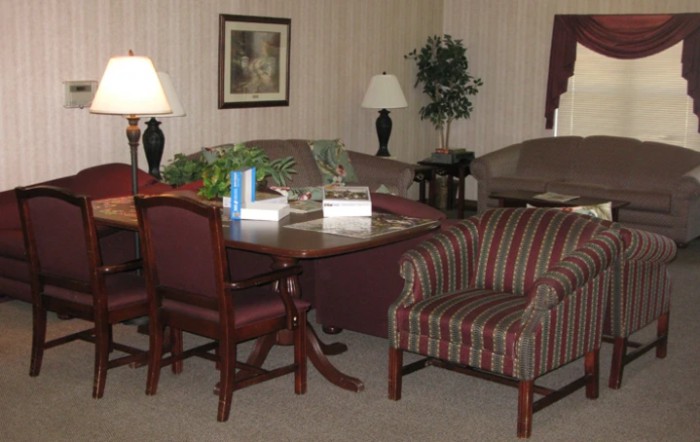
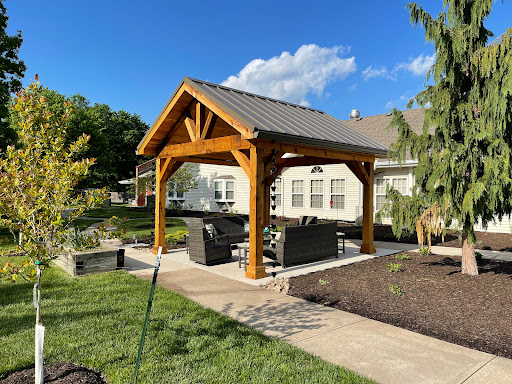
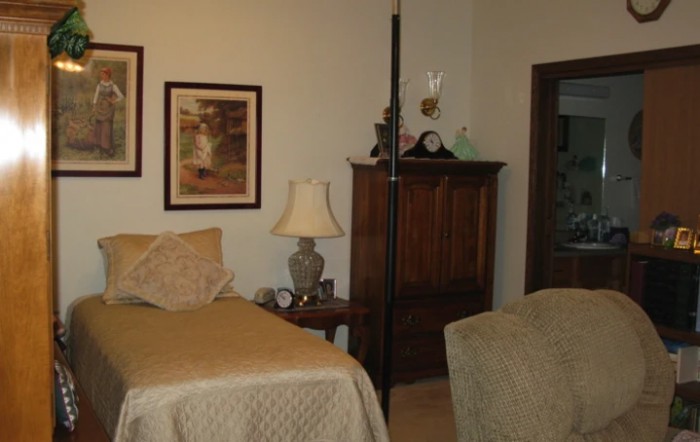
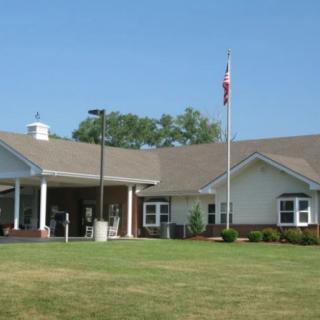
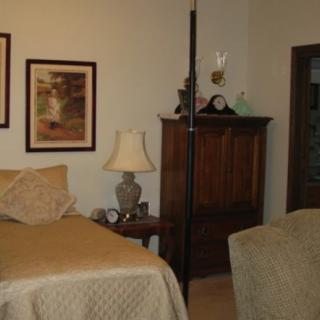
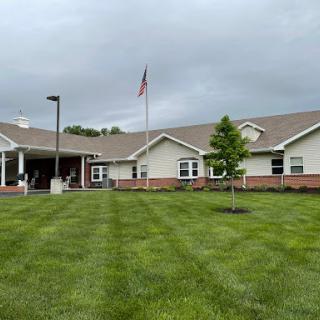
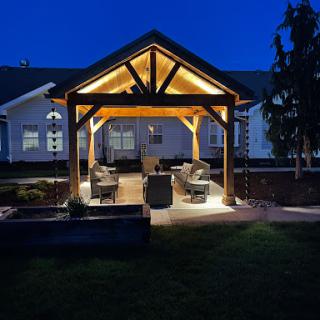
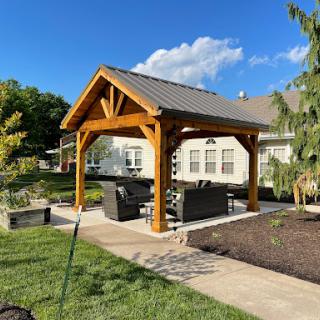
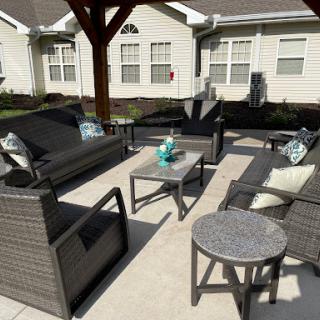
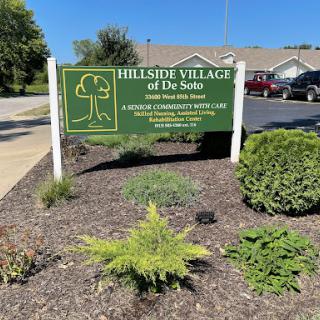
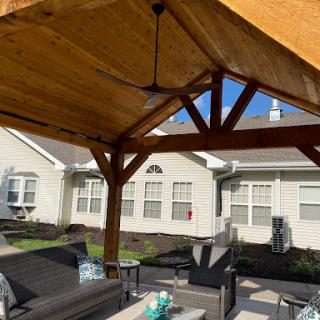
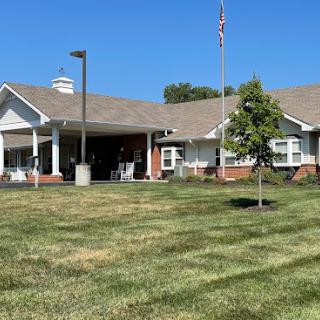
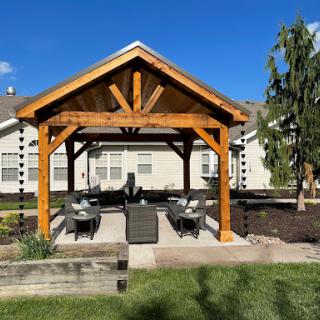
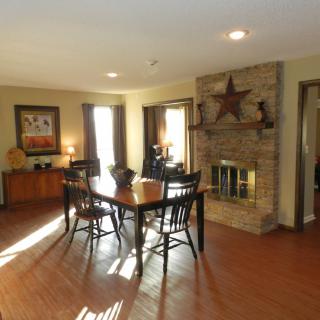
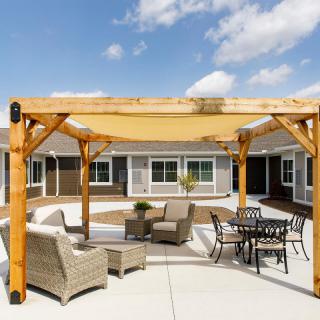
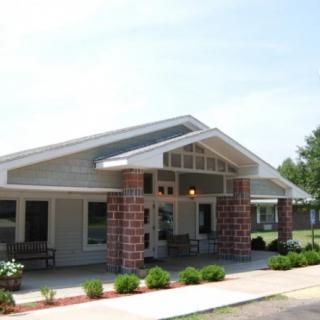
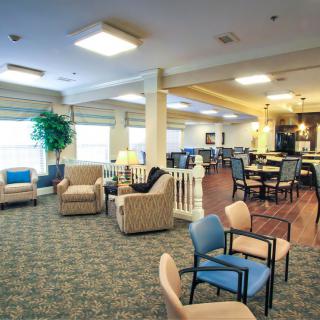
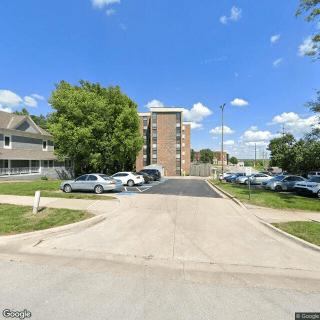
Hillside Village Of Desoto on seniors.fyi includes 11 photos including images showing landscaping, outdoor, patio, building, flag, pergola, interior, garden, and more.
Nearby Communities
Hillside Village of Desoto
DeSoto, KS
4.7 from 47 reviews
$3,950 to $4,250 / month
Friendly, attentive staff in a secure, accessible, and affordable community with engaging activities.
Reflection Living Baum House
Shawnee, KS
4.9 from 7 reviews
$7,050 / month
Specialized diabetic care with engaging activities and close access to pharmacies, physicians, and parks.
Clover Care
Shawnee, KS
4.7 from 6 reviews
$6,500 / month
Friendly, nurturing staff with a clean, well-maintained facility and engaging activities in a cozy, family-like setting.
Homestead of Eudora
Eudora, KS
4 from 15 reviews
$3,985 to $6,035 / month
Friendly staff, active programs, and attentive care in a clean, newer facility.
Medicalodges Eudora
Eudora, KS
3.3 from 26 reviews
Friendly staff with in-house rehabilitation and a broad range of on-site amenities.
Benton House of Lenexa
Lenexa, KS
4.5 from 48 reviews
$4,110 to $5,040 / month
Caring, attentive staff in a clean, homelike, single-floor setting with engaging activities.
Nettleton Manor Apartments
Bonner Springs, KS
2.8 from 22 reviews
$667 to $764 / month
Renovations and added amenities improve living conditions; conveniently located for seniors near stores and transit.
Aberdeen Village
Olathe, KS
4.4 from 45 reviews
$2,845 to $4,060 / month
Clean, well-organized environment with attentive staff and good dining.
Homestead of Shawnee
Shawnee, KS
4.5 from 35 reviews
$4,660 to $5,980 / month
Staffing and management improvements; spacious apartments with better dining and social activities.
Vibrant Senior Living emphasizes active senior living communities that promote independence and engagement through diverse amenities and activities, fostering wellness and social interaction among older adults. These communities range from independent to assisted living, with a focus on personal growth, family involvement, financial planning, and leveraging technology to enhance residents' experiences.
Transitioning from assisted living to memory care is driven by an individual's cognitive decline and specific needs, requiring careful evaluation of indicators like increased confusion and wandering. The process involves consulting medical professionals, researching suitable communities, considering financial and legal aspects, and ensuring effective communication for personalized care plans.
Assisted living provides moderate support for seniors seeking independence, while memory care offers specialized support for individuals with dementia or cognitive impairments through structured routines and trained staff. Key differences include care approaches, environment security measures, staff training levels, activity types, and cost considerations.
Seating Area, Outdoor Furniture, and Wicker Chairs
Outdoor
Patio
Outdoor Seating
Exterior, Grass, and Tree
Flag
Healthcare
Gazebo
Pergola
Get PricingAsk A QuestionSchedule A TourContact Senior Advisor
By clicking submit, you agree to our Partner's Terms of Use. You
also consent to receive calls and texts, which may be autodialed, from our Partner. Your consent is not a condition to
using our Partner's service. Please visit our Partner's Privacy Policy for information about their privacy practices.

 49 resident community capacity
 Assisted Living
 Beauty salon
 Cable or satellite TV
 Dining room
 Fully furnished
 Garden
 Housekeeping services
 Kitchenette
 Move-in coordination
 Outdoor space
 Telephone
 Wi-Fi/high-speed internet available
 24-hour call system
 Activities of daily living assistance
 Assistance with bathing
 Assistance with dressing
 Assistance with transfers
 Diabetes diet
 Meal preparation and service
 Medication management
 Mental wellness program
 Special dietary restrictions
 Transportation arrangement (medical)
 Transportation to doctors appointments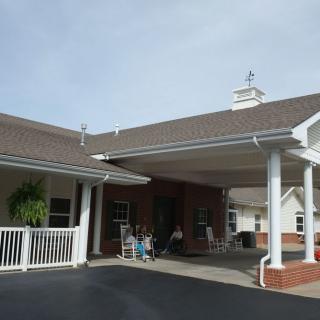
 Friendly, attentive staff in a secure, accessible, and affordable community with engaging activities.
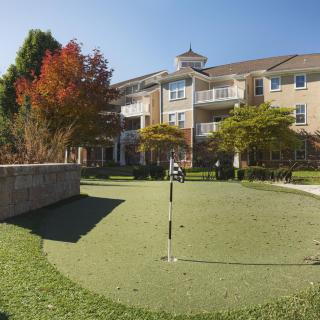
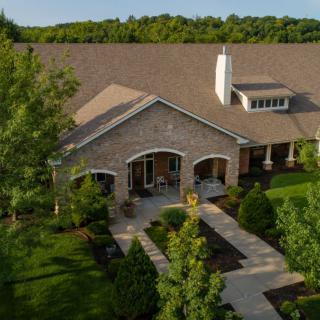
 Vibrant Senior Living: A Comprehensive Guide for Active Older Adults
 When to Transition from Assisted Living to Memory Care: Key Indicators, Steps, and Finding the Right Community
 Assisted Living and Memory Care: Understanding Their Core Differences