
205 West 21St Street, Concordia, KS 66901
For more information about senior living options: (866) 208-4318
Overall Review of Marquis Place
Pros
 Marquis Place is described as a nice facility that Concordia is lucky to have.
 - They took wonderful care of the reviewer’s wife.
- The staff at Marquis Place were very caring and easy to work with.
- The reviewer highly recommends Marquis Place.
Cons
 They warned to be wary of the employees one keeps, implying distrust.
 - They condemned racism, saying it must be faced and that it shows up in neighbors, friends, coworkers, and caregivers.
- They felt disgust at having to read about the issue again.
- They denounced small-town ignorance as a problem in America.
- They remarked that this is what America has come to, expressing a negative view of the current state.
Review
Marquis Place in Concordia, Kansas is best suited for families seeking a compact, practical assisted-living option where daily living support is the core service and caregivers are accessible. The setting rewards hands-on caregiving, with staff actively assisting residents with routine activities, meals, and mobility. For seniors who flourish in a smaller community where staff know residents by name and respond promptly, Marquis Place offers a tangible, day-to-day care rhythm. This is not a high-acuity, hospital-like environment; it targets everyday support and companionship within a straightforward schedule. Families comfortable with a modest operation and a direct caregiving approach will likely find the fit reasonable.
Those who should consider alternatives are primarily families who require an unequivocal, inclusive culture and demonstrable staff accountability. The reviews present a troubling tension: a strongly worded concern about the atmosphere and staffing, including references to racism and bigotry among employees. Even if one account praises the care given to a resident, the underlying climate signals a potential risk to resident comfort, trust, and safety. With only four reviews and two low scores, the community’s track record is uneven at best. For families prioritizing a consistently anti-discriminatory environment, transparent complaint resolution, and robust oversight, exploring options with clearer, verifiable policies is prudent. Likewise, higher medical complexity or memory-care needs may outstrip Marquis Place’s scope.
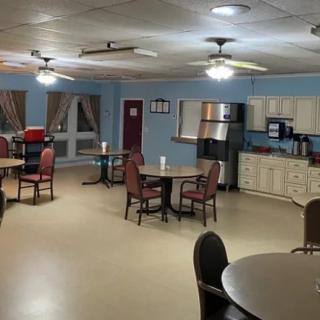
On the upside, Marquis Place displays practical strengths that can translate into solid daily satisfaction. Reviewers describe the facility as neat and well-suited to its mission, with caregivers who are caring and easy to work with. Instances of attentive, dependable routine care, help with bathing, meals, mobility, and daily adjustments, illustrate a workable cadence that keeps residents comfortable and engaged. The building’s design supports functional living spaces where residents can move safely and enjoy social contact. When operations run smoothly, communication remains straightforward and predictable, giving families a measure of confidence that daily life proceeds without constant alarms or delays.
Yet the bottom line is shadowed by concerns about culture and staff behavior. The most pointed critique centers on the environment surrounding employees, including claims of racism and bigotry that raise questions about oversight, training, and how resident experiences are safeguarded. While this perspective comes from a single, impassioned reviewer among four, the intensity of the accusation cannot be dismissed, especially in a setting where trust hinges on daily staff interactions. Prospective residents should press management for clear anti-harassment and equal-employment policies, concrete training programs, and transparent mechanisms for addressing complaints. The practical consequence is a tangible risk that biased conduct could color day-to-day experience if not decisively curbed.
The positives can offset some risk if the care experience remains consistently engaging and staff stay reliably attentive. For families prioritizing visible caregiver availability, prompt assistance, and a warm, home-like atmosphere, Marquis Place can deliver practical daily relief and companionship that helps a loved one maintain independence. When those elements function, they provide meaningful, meaningful quality of life benefits. However, the alleged climate issues threaten to erode trust and warmth over time if not confronted with decisive leadership and measurable improvements. The decision, therefore, hinges on risk tolerance: a strong emphasis on everyday practicality and personal warmth can outweigh some drawbacks, but for those requiring an openly inclusive, accountable culture, exploring other communities with proven governance may be the wiser path.
Practical due diligence is essential. Schedule an in-person tour, observe how staff interact with residents, and request current policies on staff training, harassment prevention, and complaint resolution. Speak directly with current residents and family members about feelings of respect, safety, and responsiveness. Compare Marquis Place against nearby options with higher ratings and clearer governance. If inclusivity and consistent culture are paramount, lean toward communities that demonstrate measurable commitment to anti-discrimination practices and stable staffing. Marquis Place can offer useful daily-care capability in a modest package, but the true test lies in whether the culture aligns with core family values before committing.
 42 resident community capacity
 Assisted Living
 Beauty salon
 Cable or satellite TV
 Dining room
 Fully furnished
 Garden
 Housekeeping services
 Kitchenette
 Move-in coordination
 Outdoor space
 Telephone
 Wi-Fi/high-speed internet available
 24-hour call system
 Activities of daily living assistance
 Assistance with bathing
 Assistance with dressing
 Assistance with transfers
 Diabetes diet
 Meal preparation and service
 Medication management
 Mental wellness program
 Special dietary restrictions
 Transportation arrangement (medical)
 Transportation to doctors appointments





 Understanding Medicaid Coverage for Assisted Living: A Comprehensive Guide
 How and When Medicaid May Cover Assisted Living Costs
 A Detailed Exploration of Assisted Living Medicaid Waivers Across the United States