
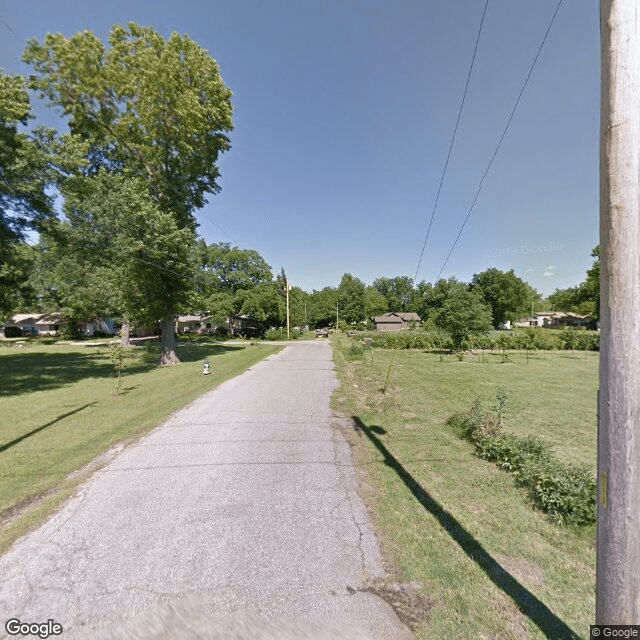
144 East Third Street, Baxter Springs, KS 66713
To contact a resident: (620) 856-3678
For more information about senior living options: (866) 208-4318
Overall Review of Autumn Home Care Facilities, Inc.
Cons
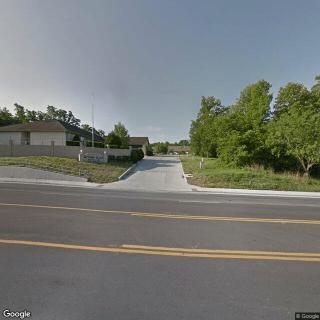
 The directions were not right, sending him four blocks to the west.
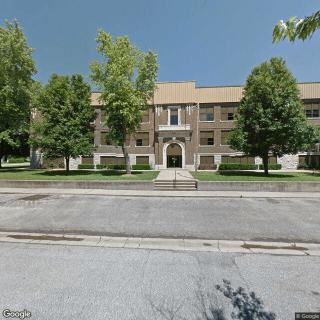
- The picture was not right; it is south of the high school.
- It shouldn’t be that hard to get it right, but it clearly wasn’t.
Review
Autumn Home Care Facilities in Baxter Springs, Kansas is best suited for families seeking a small, home‑like assisted living option where staff familiarity and local proximity carry real value. The community appears to serve residents who prefer a quiet, uncomplicated routine and a setting that feels approachable and neighborly. It works best for those who do not require intensive medical oversight or highly specialized programming, and who are comfortable with a more intimate operation. For families with higher needs, robust medical management, memory-care specialization, or very demanding care schedules, this option should be weighed against alternatives with broader service arrays.
On the upside, the appeal of a compact, intimate environment often translates into personally attentive care, with staff more likely to know residents by name and routines can be straightforward. A 4-star impression among the limited reviews hints at moments when the community delivers dependable, uncomplicated daily living that families find reassuring: predictable visits, easier access for relatives, and a less overwhelming atmosphere than larger campuses. For some residents, the lack of sprawling amenities can feel gentler, with fewer transitions and a clearer sense of what each day will bring. Those factors can make Autumn Home a practical fit when price and simplicity are priorities.
Yet the downsides are not trivial. A single explicit complaint points to a core reliability issue: misdirected directions and inaccurate information about location. In a setting where logistics, getting to appointments, coordinating move-in details, and communicating changes, are already complex for families, such missteps can undermine trust and create real frustration. The overall rating spread (a mix of 4s, 3s, and 2s) implies that experiences vary considerably. That variability often reflects inconsistent communication, uneven staffing, or gaps in coordinating care, which can erode the perceived value of the residence even when basic day-to-day care is adequate.
These pros and cons interact in a telling way. For families who prize intimate attention and an unmistakable sense of local community, the positives can offset some communication gaps if the administration is responsive when problems arise. However, the specific failure to provide accurate location information is a substantive liability; it signals a broader risk if operational discipline is inconsistent. If staff turnover or training gaps contribute to this, the small‑scale advantage of quick, personal care is too often countered by the risk of ongoing miscommunications, leaving families feeling uncertain about reliability.
Those who should consider alternatives are families with strict expectations around logistics, scheduling, and administrative transparency. If clear, error-free information, consistent service delivery, and access to a broader range of services are non-negotiable, it is prudent to compare with larger, more established communities in the region. Similarly, families needing memory-care–centric programming, regular skilled-nursing oversight, or highly structured rehabilitation pathways may find Autumn Home’s offerings too limited. In any case, verify licensing status, inspection histories, and staffing patterns before making a commitment.
Practical next steps sharpen the decision. Visit the community and request a candid tour focused on daily schedules, resident-to-staff ratios, and how care plans are developed and updated. Speak directly with the administrator about how miscommunications are handled and what corrective processes exist for wrong-location issues. Ask for written examples of care plans, budgeting sheets, and any available references from current families. Finally, compare nearby options side by side, consider what each site does well, what risks remain, and which setting aligns best with the specific needs and priorities of the person considering care.
 Joplin Regional (15 miles away)
 Affordable pricing with semi-private/studio options and on-site amenities.

 Ten Vital Duties of a Senior Caregiver: A Comprehensive Guide
 9 Stimulating Memory Activities for Seniors: Puzzles, Cards, and Much More
 Managing Nursing Home Expenses After Medicare Coverage Ends