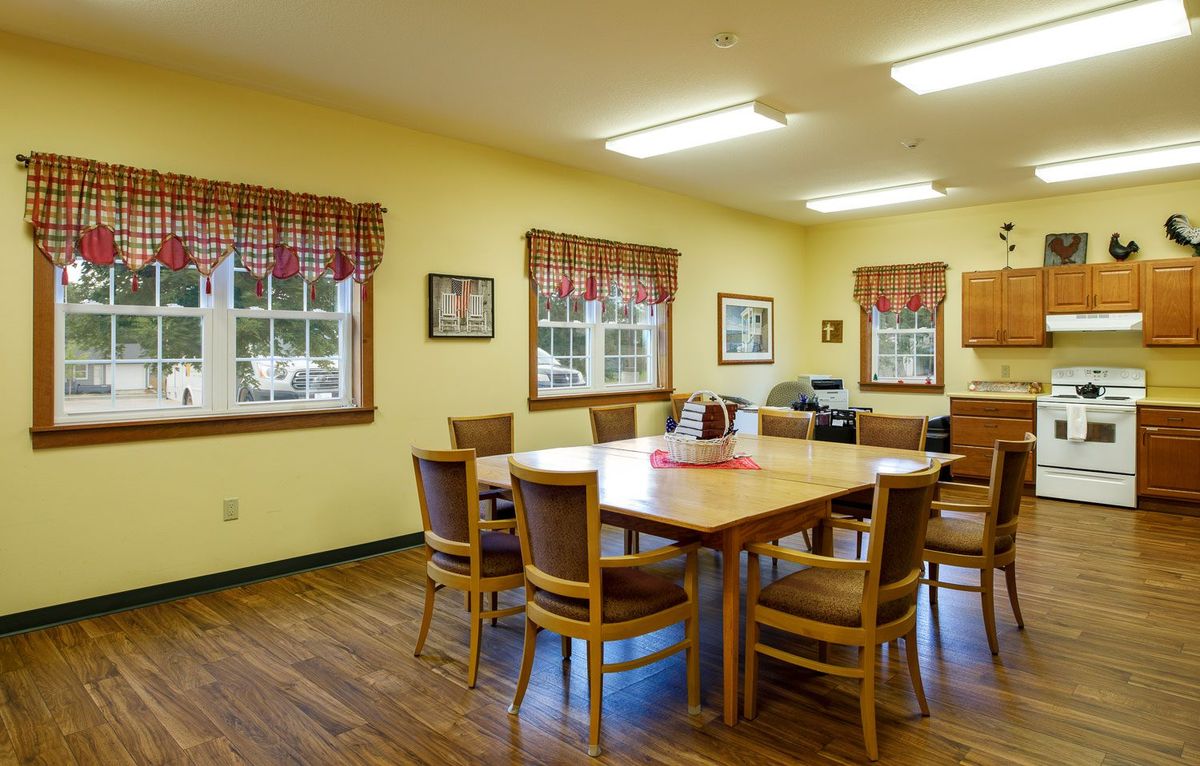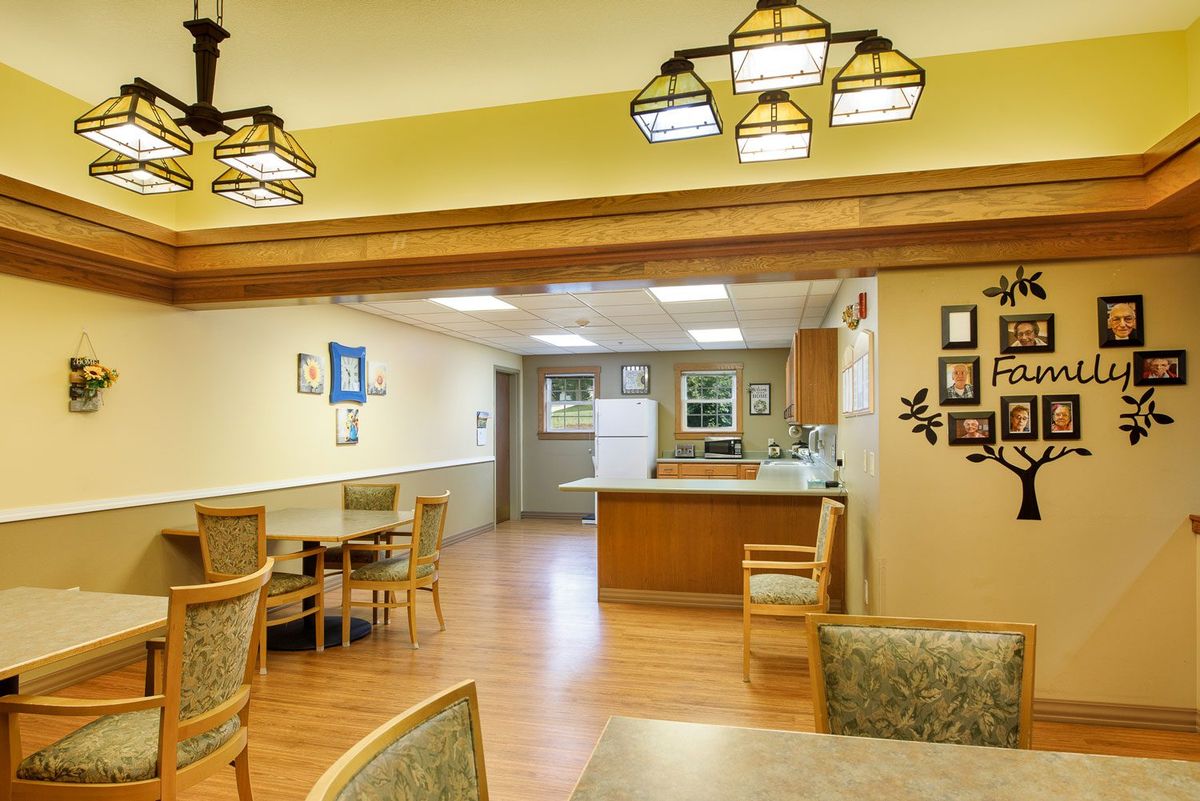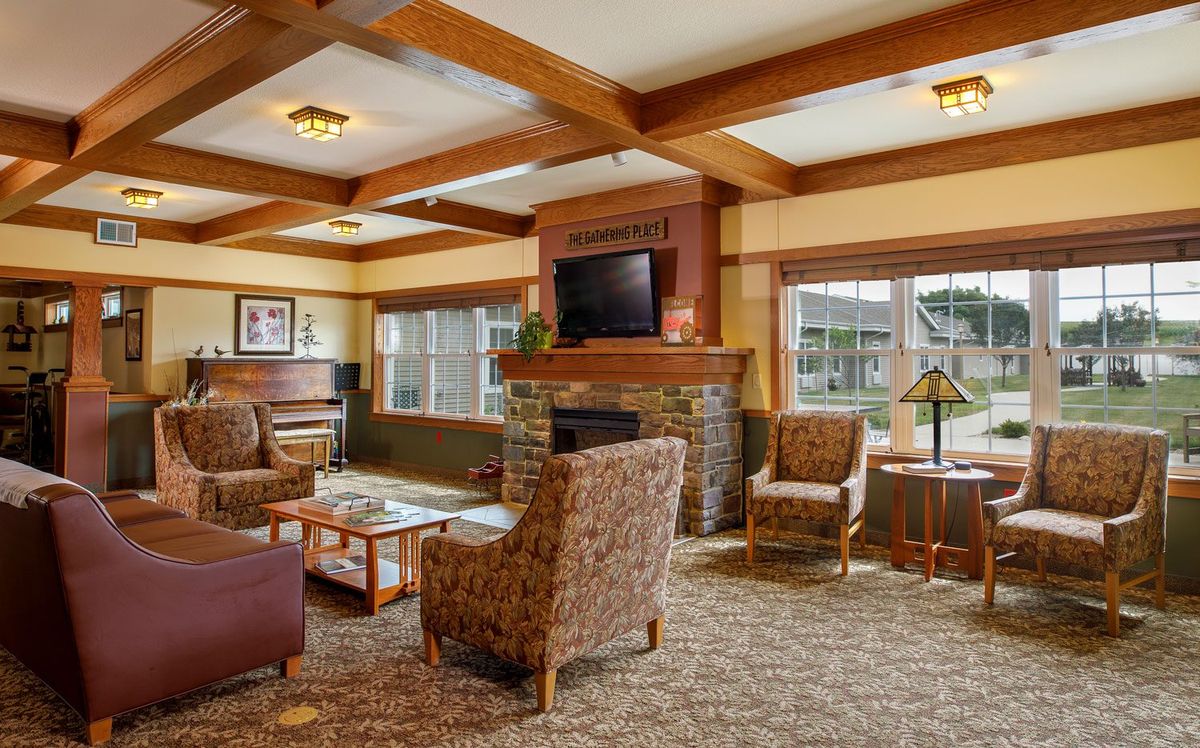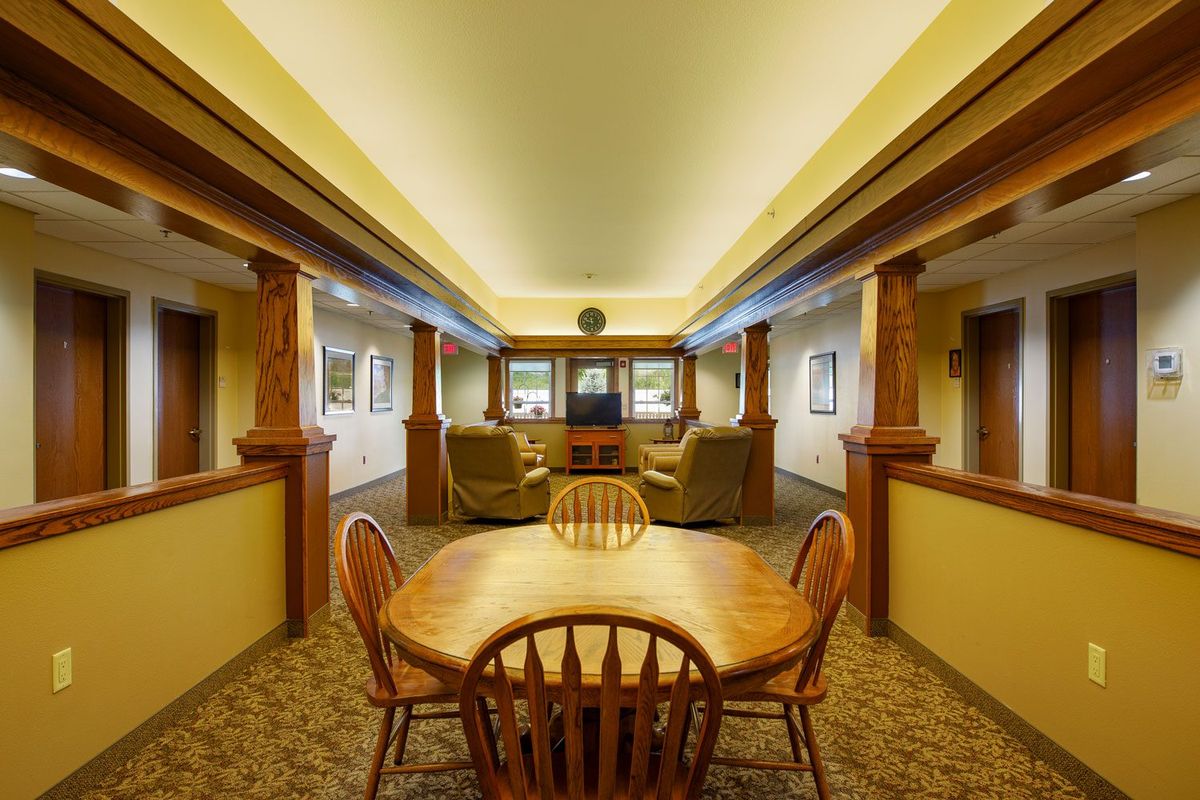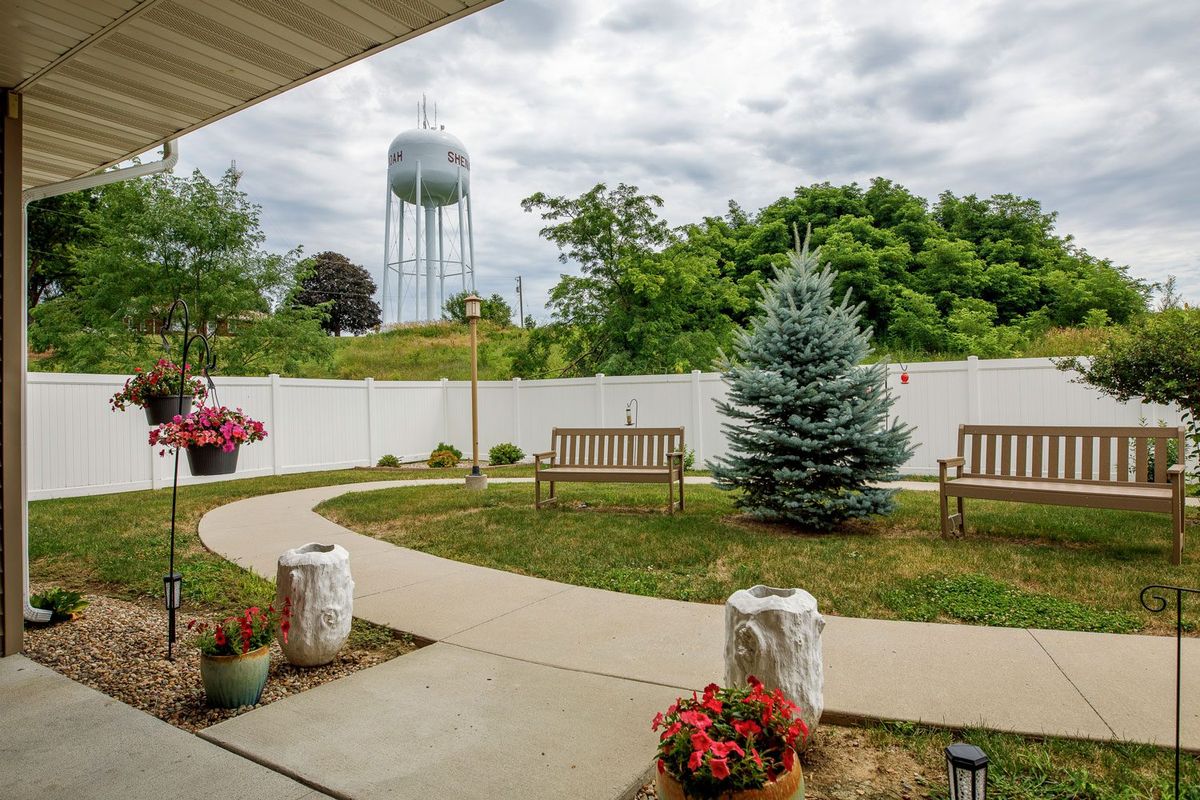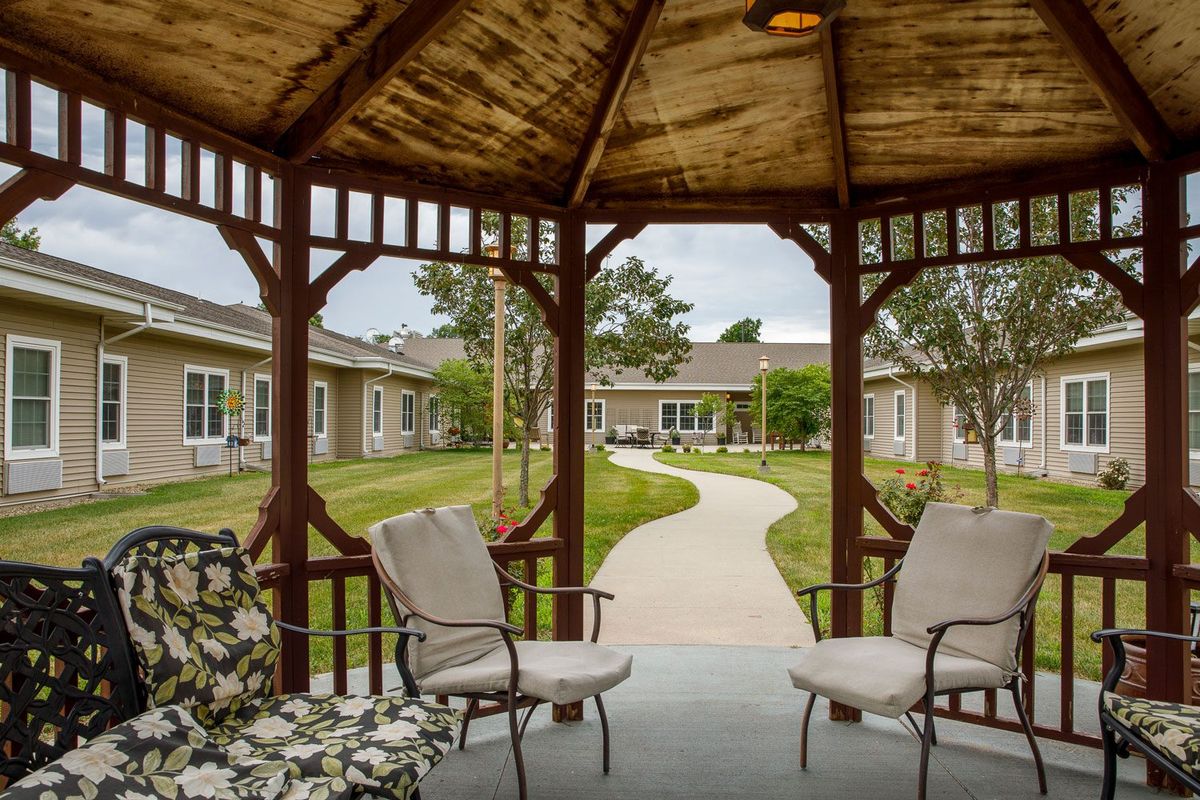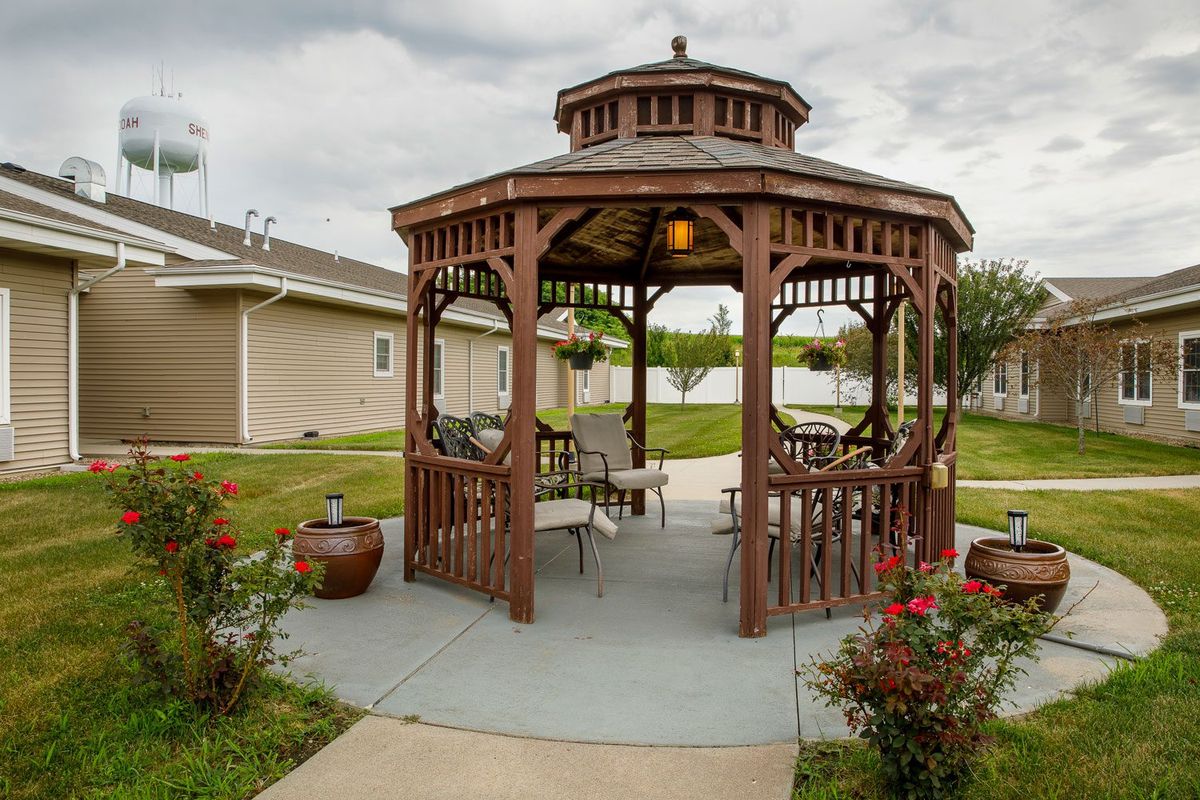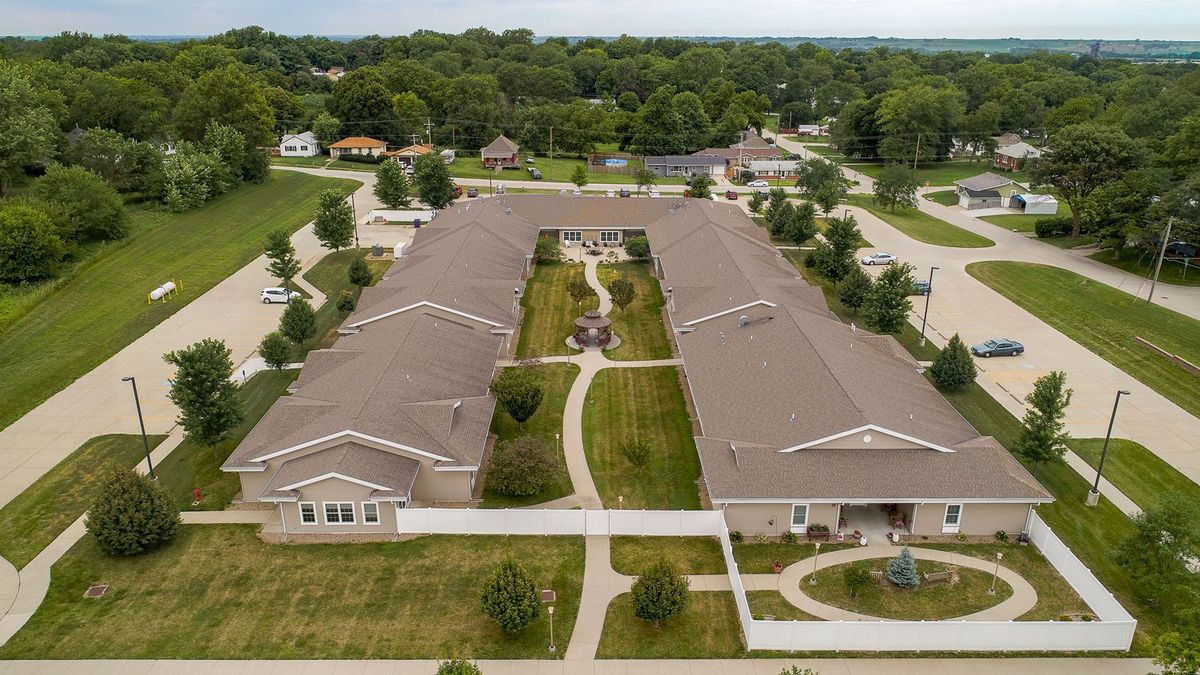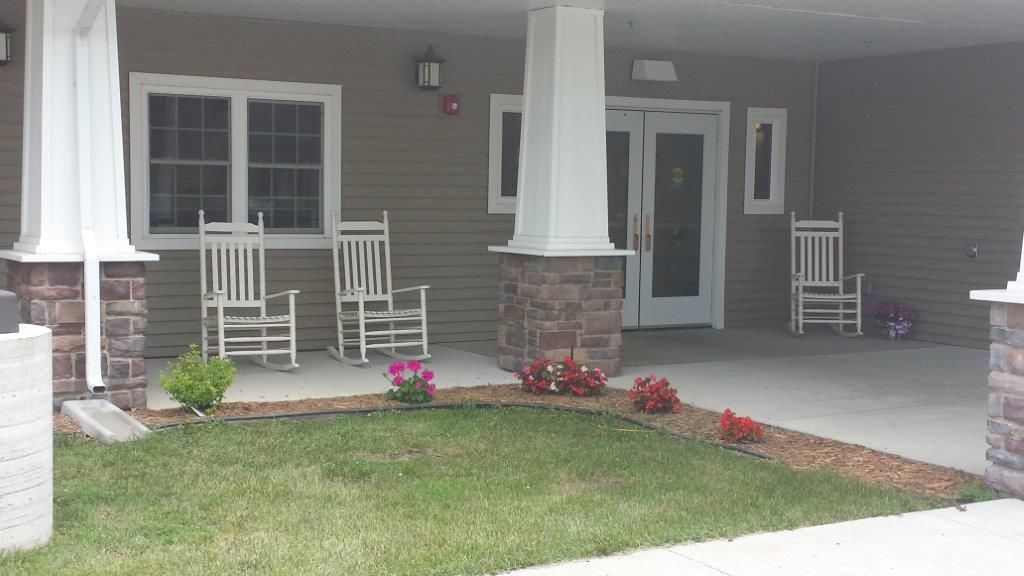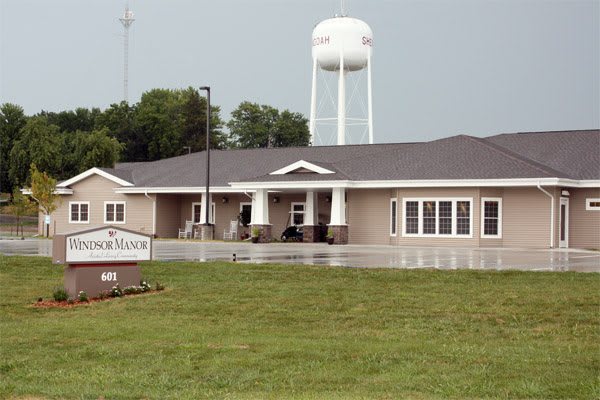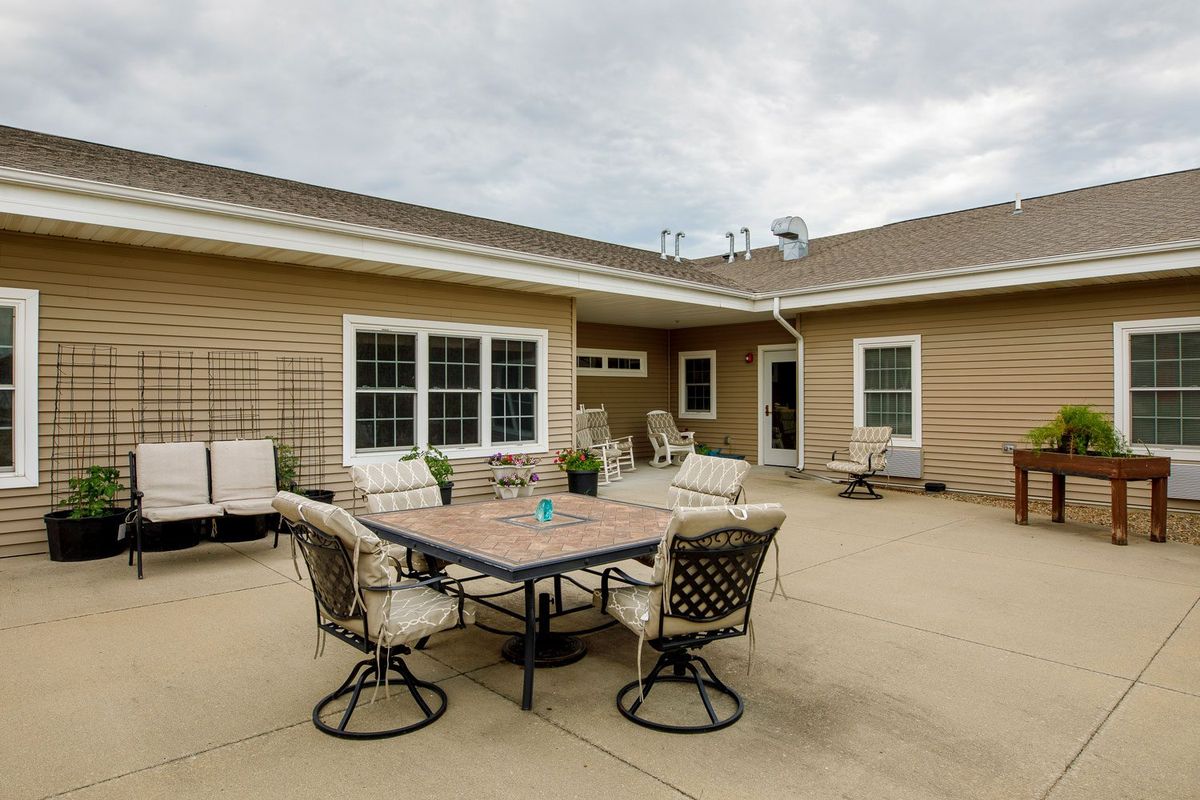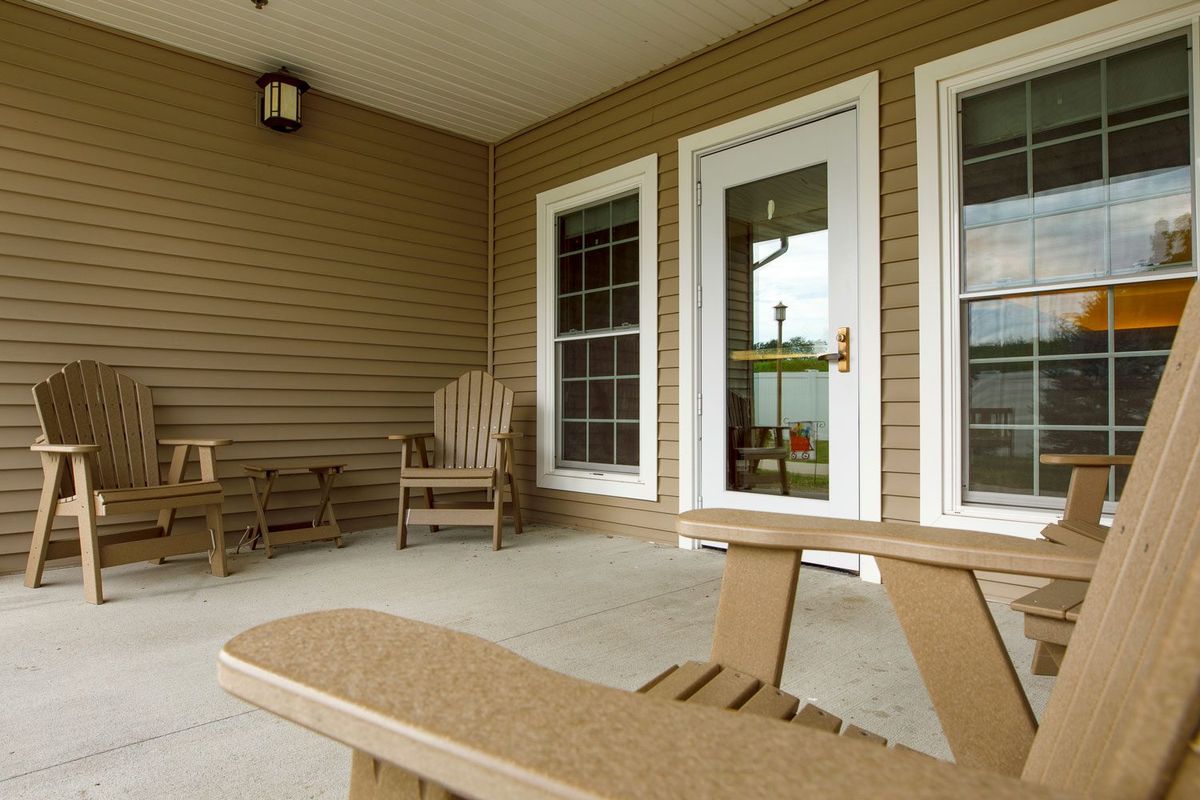


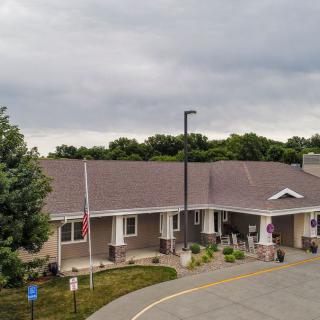

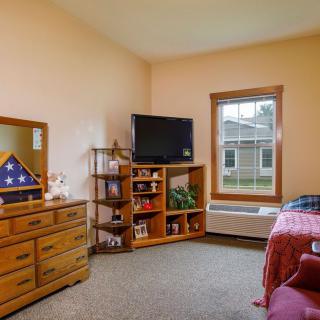
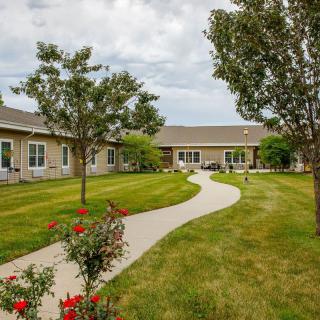


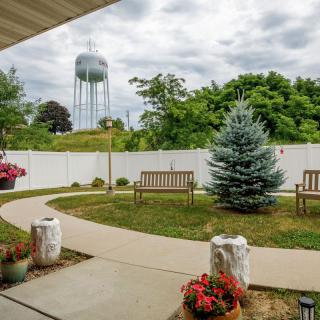
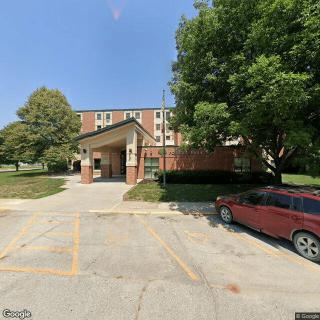
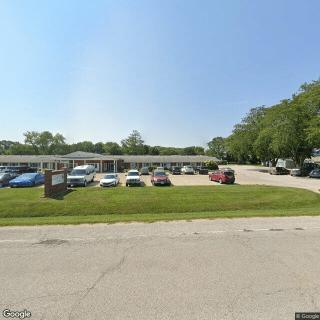
601 Harrison Street, Shenandoah, IA 51601
For more information about senior living options: (866) 208-4318
Homestead Of Shenandoah Costs & Pricing
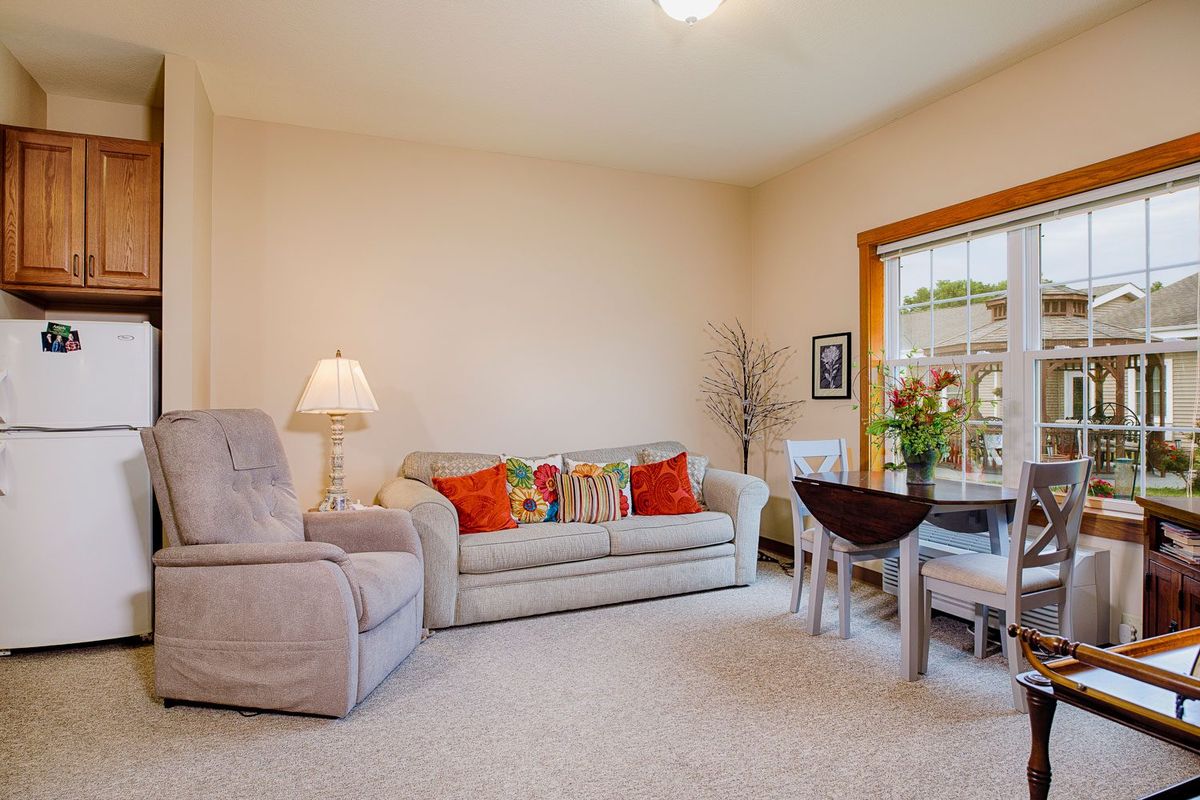
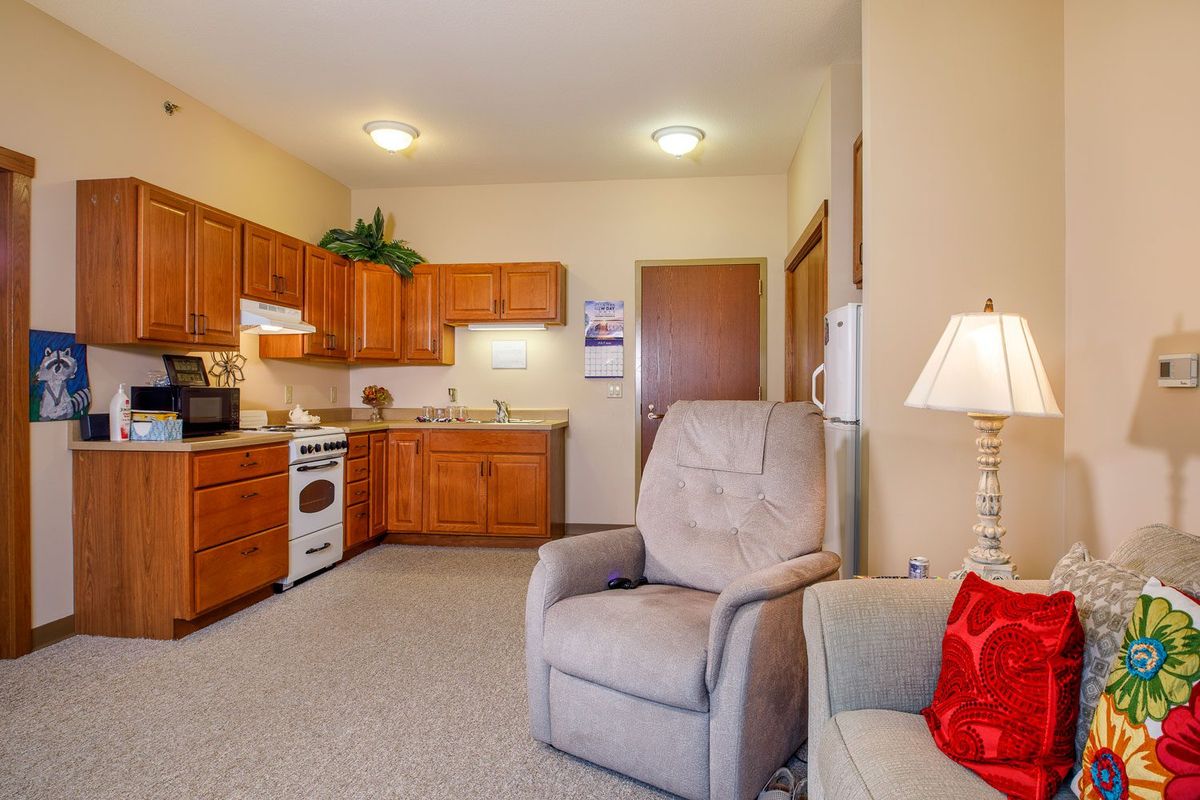
Homestead of Shenandoah offers competitive pricing for its residential accommodations, reflecting the cost of living in Page County, Iowa. The monthly rates for various room types are consistently aligned with local averages, emphasizing their commitment to accessible senior living options. For a one-bedroom unit, residents can expect to pay $3,600 per month, which matches the county's average, while the two-bedroom option is priced at $4,600 - a figure that also corresponds with local market rates. The studio apartments are slightly higher at $5,100 each month but remain consistent with the regional economy's standards. Overall, Homestead of Shenandoah presents a transparent fee structure that resonates well within the community context and ensures residents receive both quality care and comfortable living conditions.
| Floor plans | Homestead Of Shenandoah | Page County | Iowa |
|---|---|---|---|
| 1 Bedroom | $3,600 | $3,600 | $2,863 |
| 2 Bedrooms | $4,600 | $4,600 | $3,329 |
| Studio | $5,100 | $5,100 | $3,609 |
Memory care communities with a similar price nearby
-
About the same

Arlington Place of Red Oak
$3,615 to $5,350 / month20.0 miles away
Overall Review of Homestead Of Shenandoah
Pros
 Homestead of Shenandoah is a great facility with caring staff and a friendly environment.
- The staff are caring and in tune to residents' needs, and visitors find them courteous and helpful.
- It is a great and comfortable place for anyone who cannot live alone and needs a little extra help.
- The staff are great, the facilities are clean, and the transportation is clean and well maintained.
- The care includes compassionate daily living assistance, engaging activities, nutritious meals, and professional leadership, providing loving companionship.
- Windsor Manor in Shenandoah is a wonderful place with a staff that feels like a second family, an active director who plans fun activities, and a clean, welcoming environment.
Cons
 They caution that assurances should be put in writing in a legal document before placing a loved one.
- They allege the facility stopped accepting Medicaid after promising to work with them, forcing continued private-pay at high monthly costs.
- They describe the owners’ refusal to speak to them and the regional director’s unwillingness to meet in person as disrespectful.
- They claim the care is prioritized by payment, stating it’s “all about the money” and that help is only available to those who can pay full price.
Review
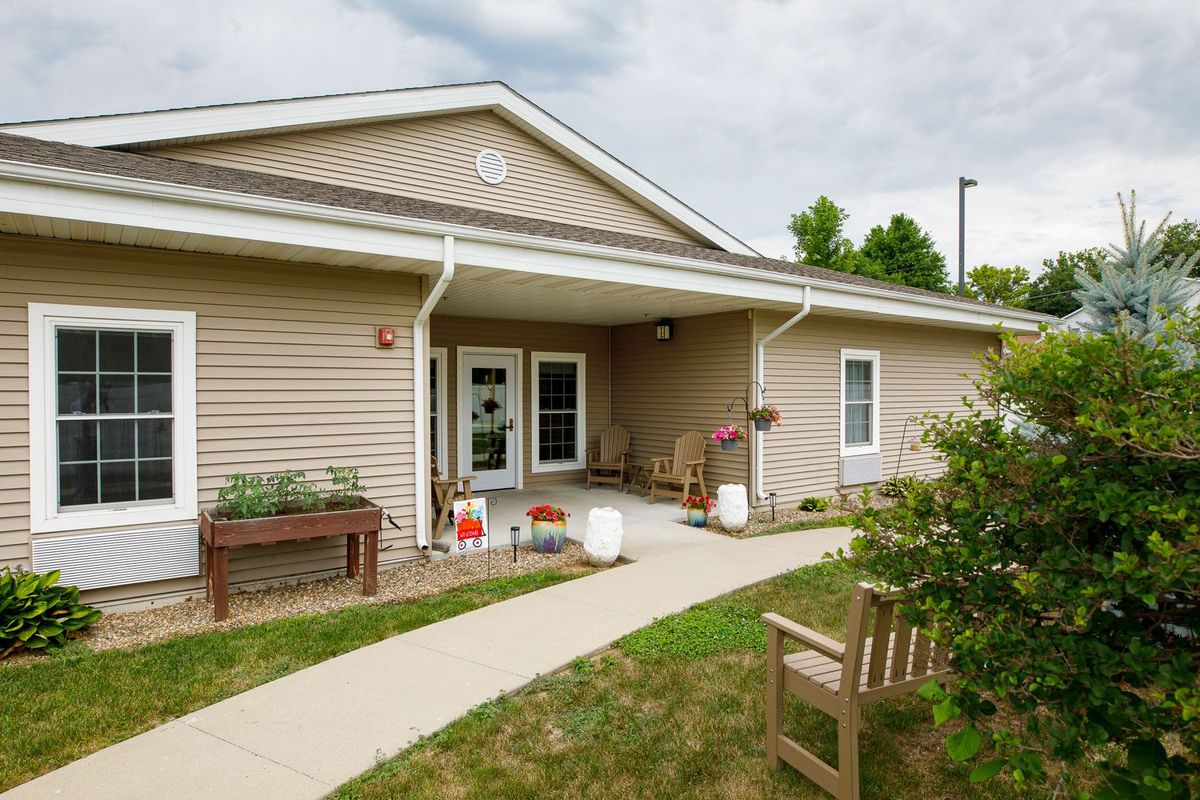
Homestead of Shenandoah is best suited for seniors who want a warm, home-like assisted living experience where care feels personal and neighbors feel like family. The facility consistently earns praise for caring staff, a friendly atmosphere, and daily routines that respect autonomy while providing needed help with daily living activities. It is a practical fit for residents who do not require round-the-clock skilled nursing but do need reliable help with tasks, medication prompts, transportation to appointments, and companionship during meals and activities. Families seeking a straightforward, quietly dignified environment, where meals, housekeeping, and social programming are predictable and well-managed, will find this community aligns with those priorities.
Alternatives matter for families with needs beyond the scope of standard assisted living. Those with advanced dementia requiring locked memory care, or residents whose care demands have the potential to escalate, should compare facilities with dedicated memory-care wings and higher clinical oversight. Prospective residents who require ironclad, written assurances about long-term financial terms, especially around Medicaid eligibility and price changes, will want to scrutinize contracts carefully and compare policies across nearby communities. In short, if financial transparency or highly specialized clinical care is non-negotiable, other options should be weighed against Homestead’s strengths.
From the most consistent reports, the strongest pros are evident: a staff that is described as compassionate, courteous, and in tune with resident needs; a home-like vibe that lowers stress and promotes comfort; clean facilities and well-maintained transportation; nutritious meals; and an activity program that engages residents and fosters companionship. These factors collectively offset the apparent trade-offs: the setting isn’t a hospital-like environment, and the leadership projects competence and a resident-centered ethos. While a minority of reviews indicate dissatisfaction, the prevailing pattern is clear: residents tend to thrive when guided by attentive caregivers and a stable, friendly culture.
That said, the scant negative feedback in the broader set of reviews makes one cautious note: any community can misalign with expectations around value or communication. The main con to watch is transparency in pricing and contracts; ensure written terms for ongoing residency, potential rate increases, and any Medicaid-related arrangements are explicit. When those terms are clear, the strong pros, empathy from staff, homey atmosphere, and solid programming, nearly always outweigh the potential downsides for families prioritizing daily support in a respectful setting.
Practical due diligence should focus on how care is delivered day to day. Observe staff interactions during a visit, ask to meet caregivers who would be assigned to the potential resident, and request a sample weekly schedule of activities. Inquire about transportation reliability for medical appointments, and inspect the dining experience, including menu options and accommodations for dietary restrictions. If memory support is needed, probe the extent of cognitive care, whether there are separate memory-care spaces, and how staff are trained to handle memory-related behaviors. Finally, obtain written policies on residency terms, notice periods, and any waivers to avoid misunderstandings that could erode trust.
Cost discussions should be upfront. Families should compare the all-in monthly rate, what is included, and what triggers extra charges. Ask about what happens if a loved one’s care needs increase or if Medicaid eligibility changes; secure a transparent plan that remains viable through seasons of health. If price predictability matters, or if the family desires a facility with a more formal, clinical atmosphere, consider options with a longer track record of predictable pricing and clearer Medicaid handling. Homestead’s appeal lies in its warmth and daily relevance; alternatives should be evaluated if those price and policy assurances are non-negotiable.
Overall, Homestead of Shenandoah offers a compelling package for families seeking a personable, supportive, and well-run assisted living option. It is particularly well-suited for residents who value a genuine home-like tenor, attentive staff, nutritious meals, and engaged programming without the formality of a hospital setting. Those who require specialized memory care, or who need ironclad, long-term Medicaid assurances, will want to explore alternatives with explicit policies and documented commitments. For most families, a measured visit, watching staff interactions, reviewing contracts, and testing the dining and transport routines, will confirm that this community can deliver dignity, comfort, and a steady hand in daily life.
 70 resident community capacity
 Assisted Living
 Memory Care
 Activities off-site
 Air-conditioning
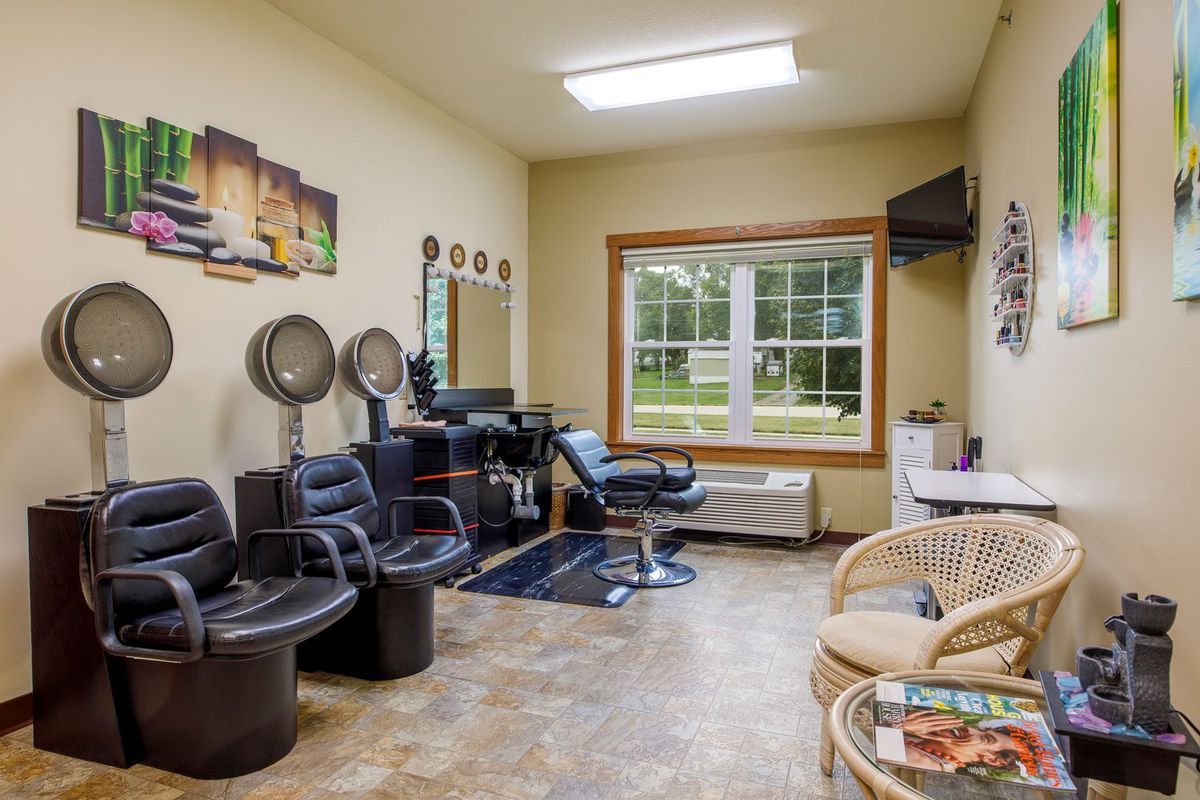
 Beautician on-site
 Cable or satellite TV
 Computer center
 Devotional services off-site
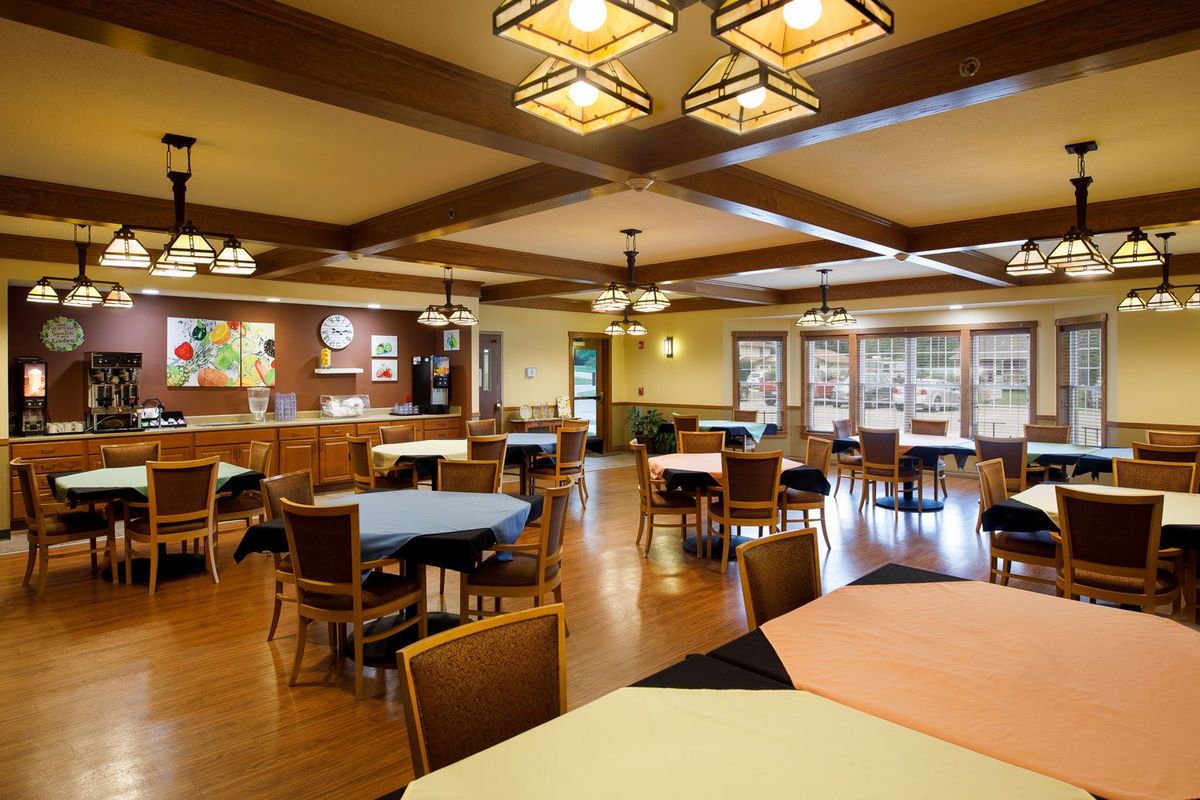
 Dining room
 Fitness room
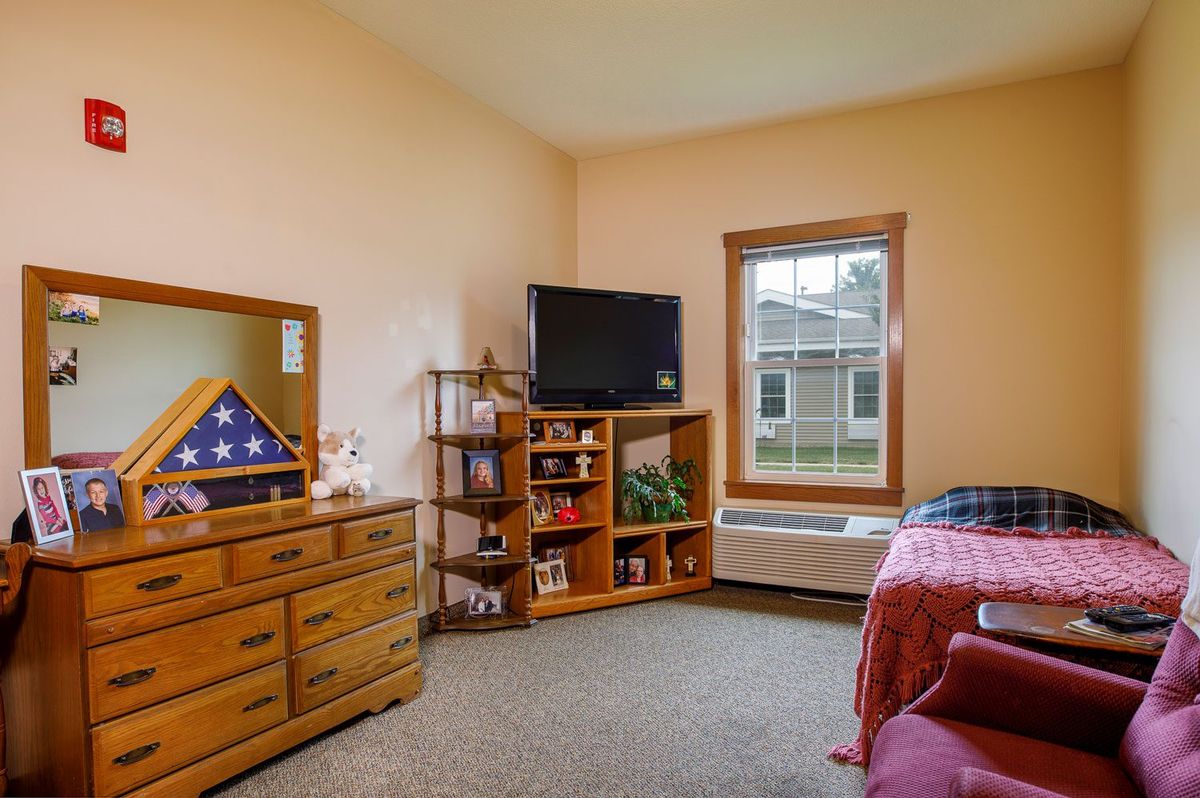
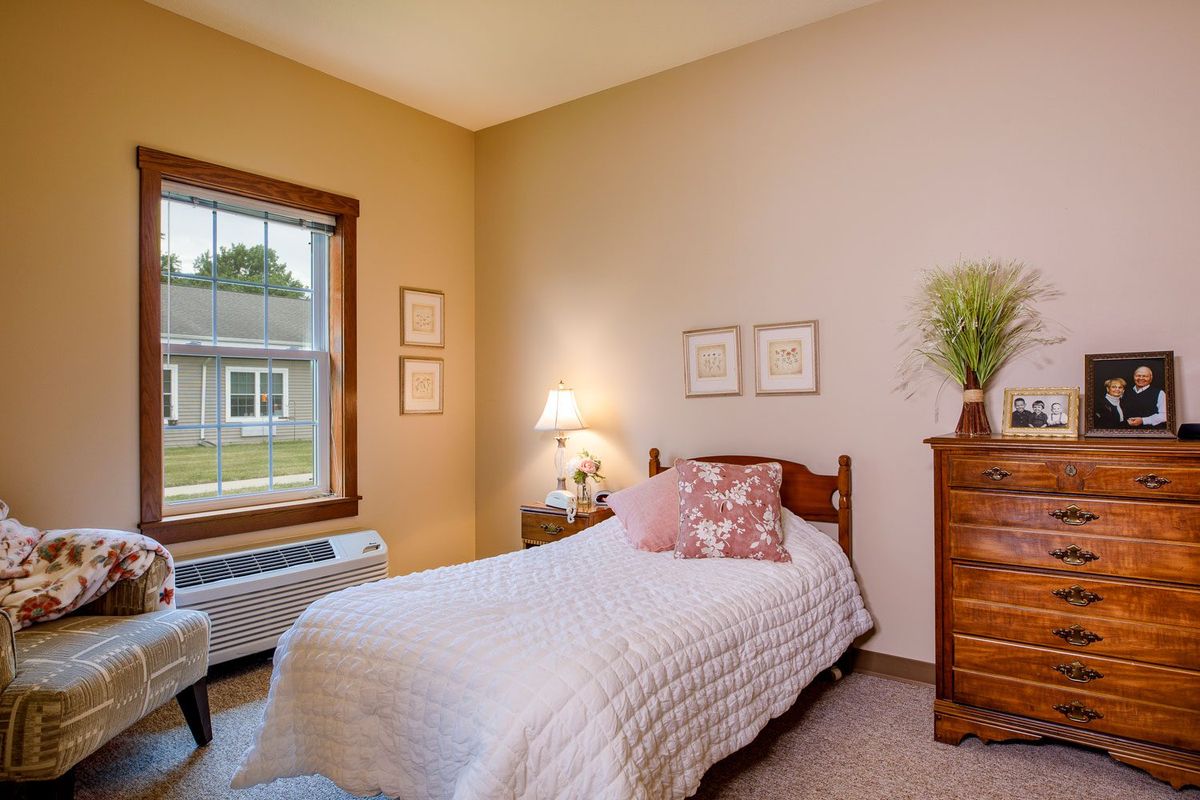
 Fully furnished
 Gaming room
 Garden
 Housekeeping services
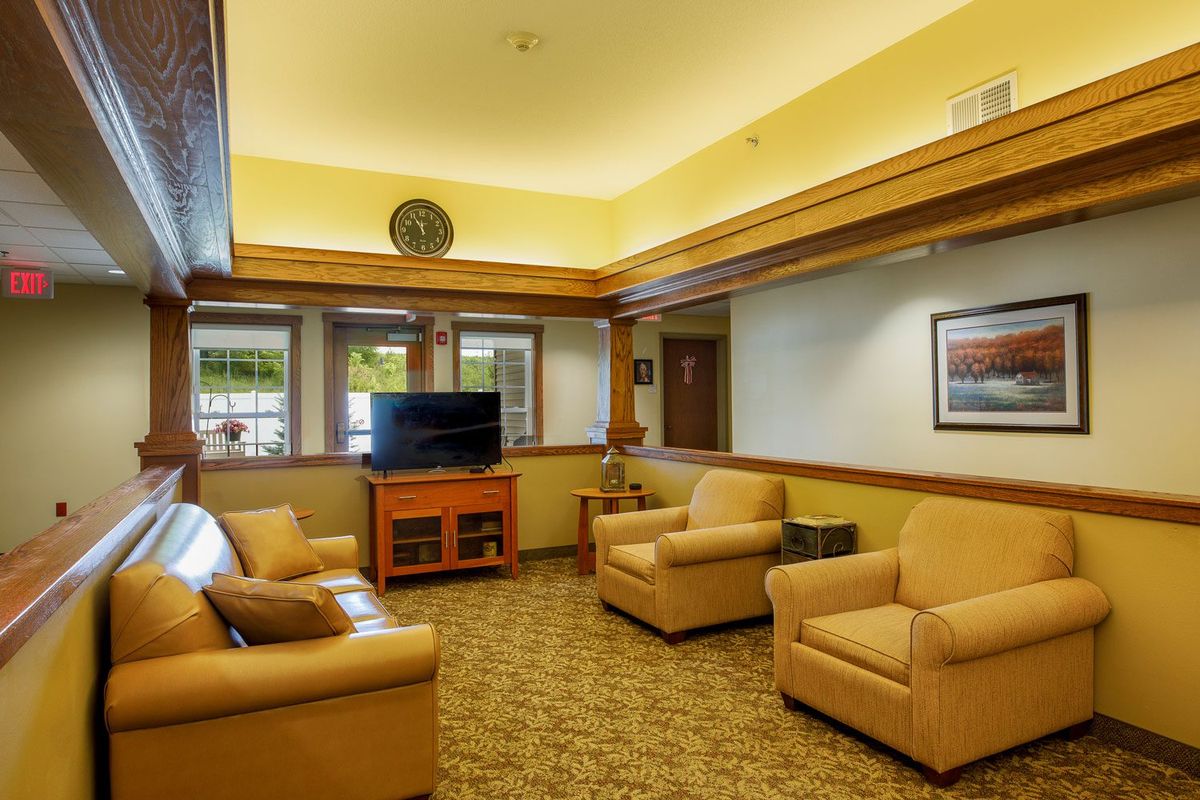
 Indoor common areas
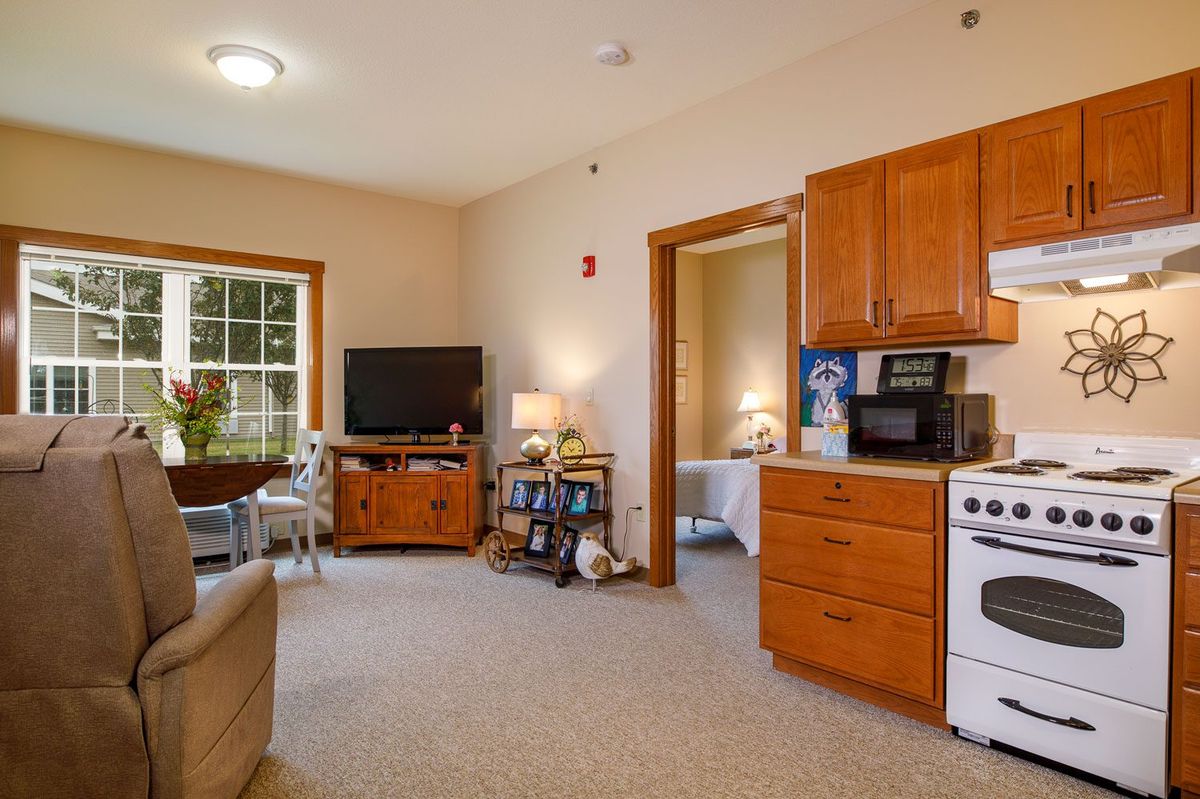
 Kitchenette
 Move-in coordination
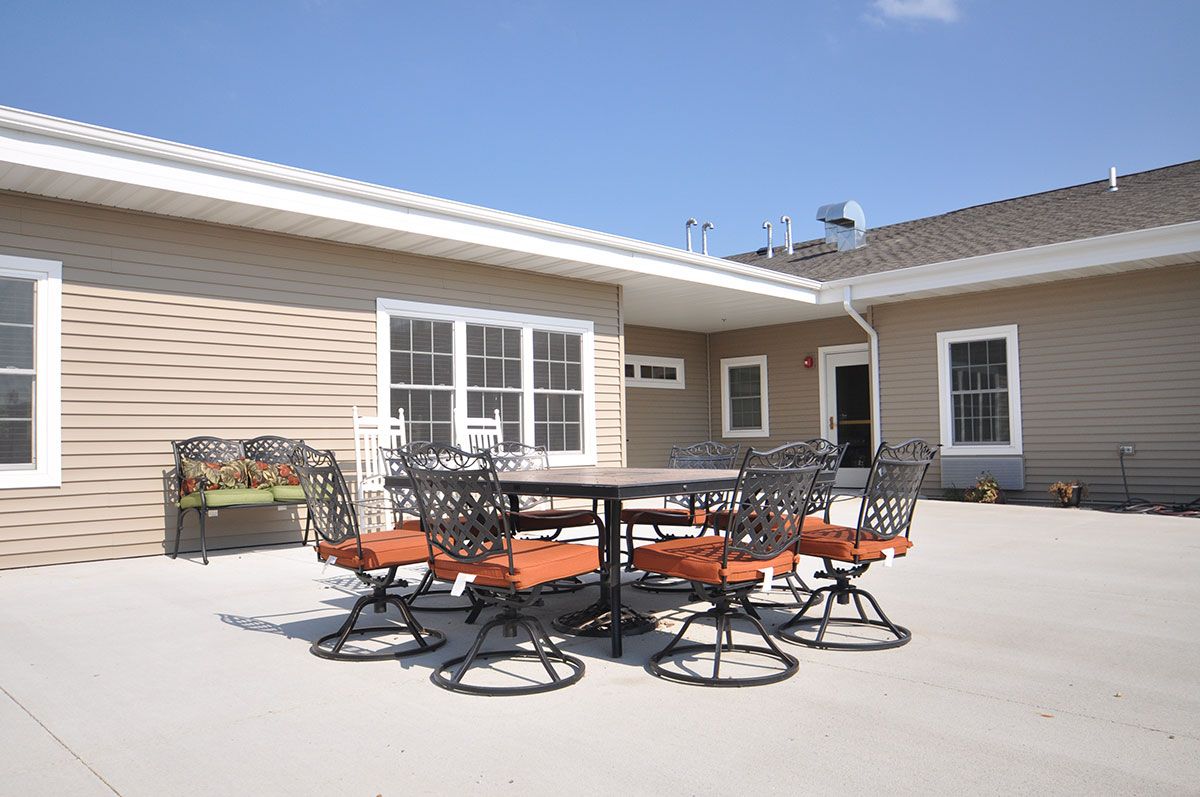
 Outdoor common areas
 Private bathrooms
 Respite or short term stays offered
 Restaurant-style dining
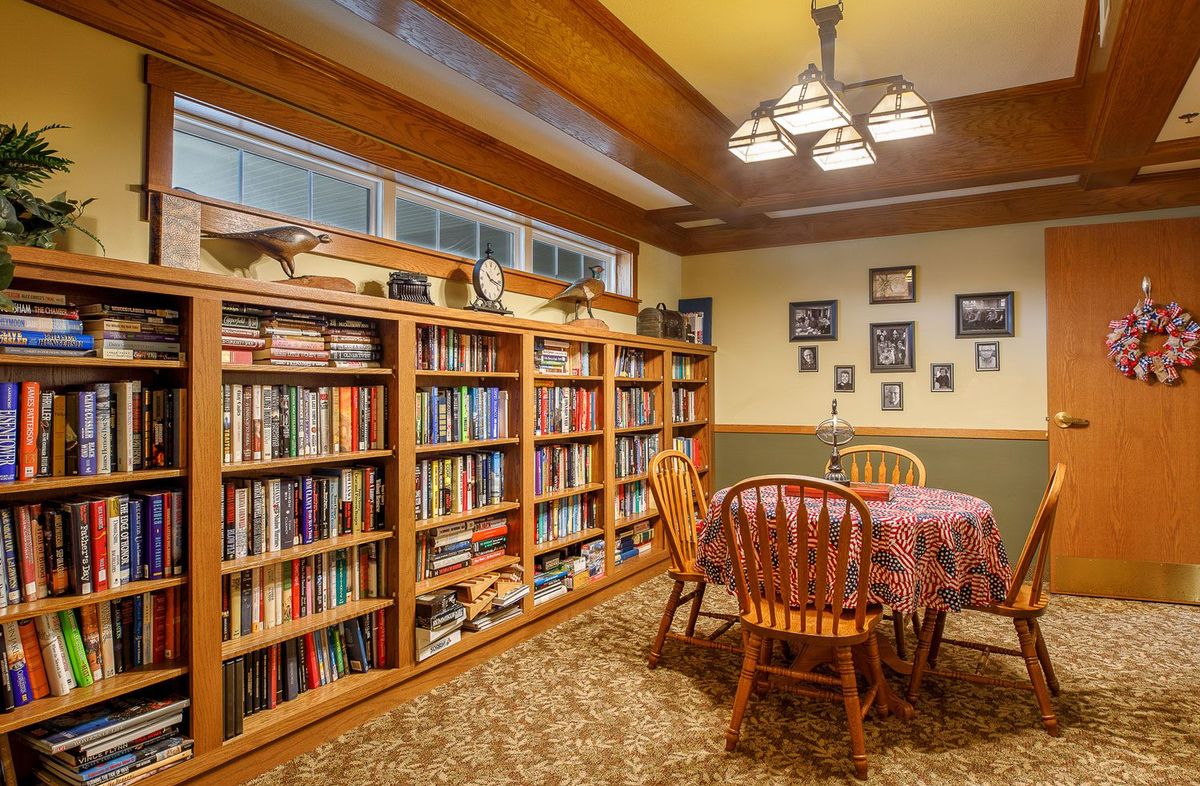
 Small library
 Swimming pool / hot tub
 Telephone
 Wellness center
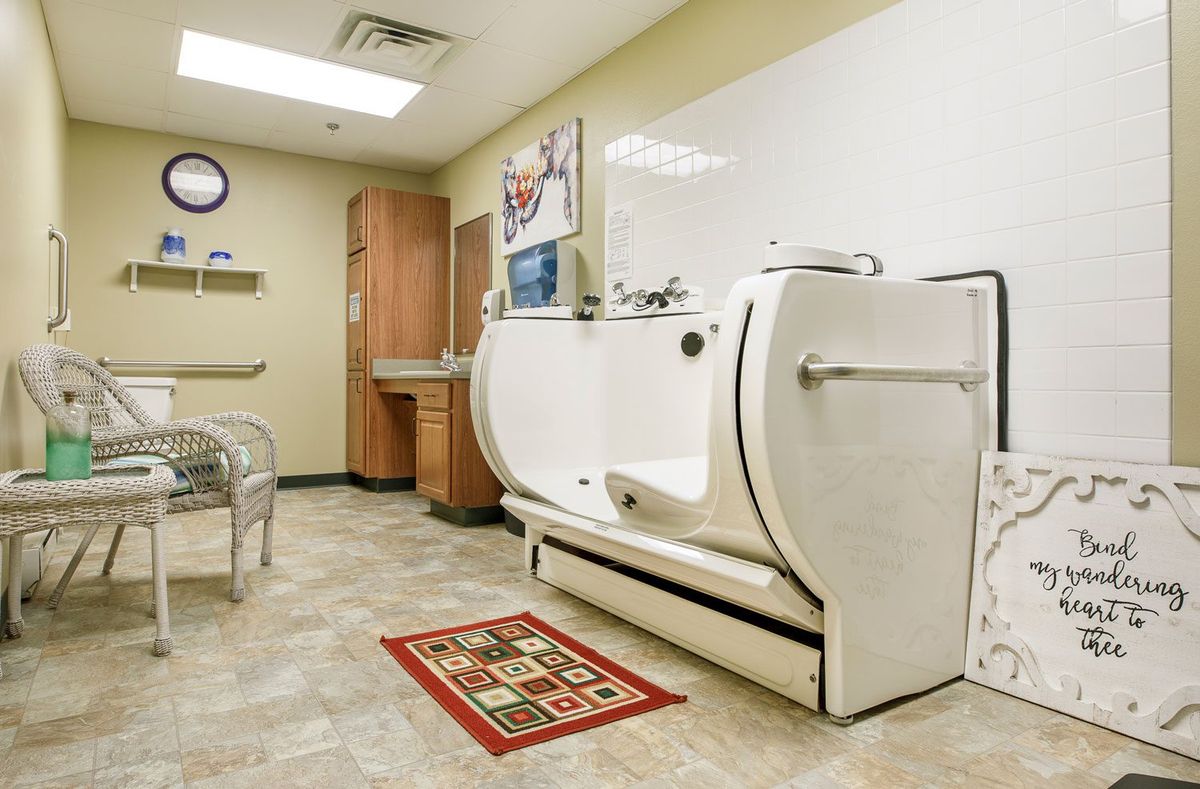
 Wheelchair accessible showers
 Wi-Fi/high-speed internet available
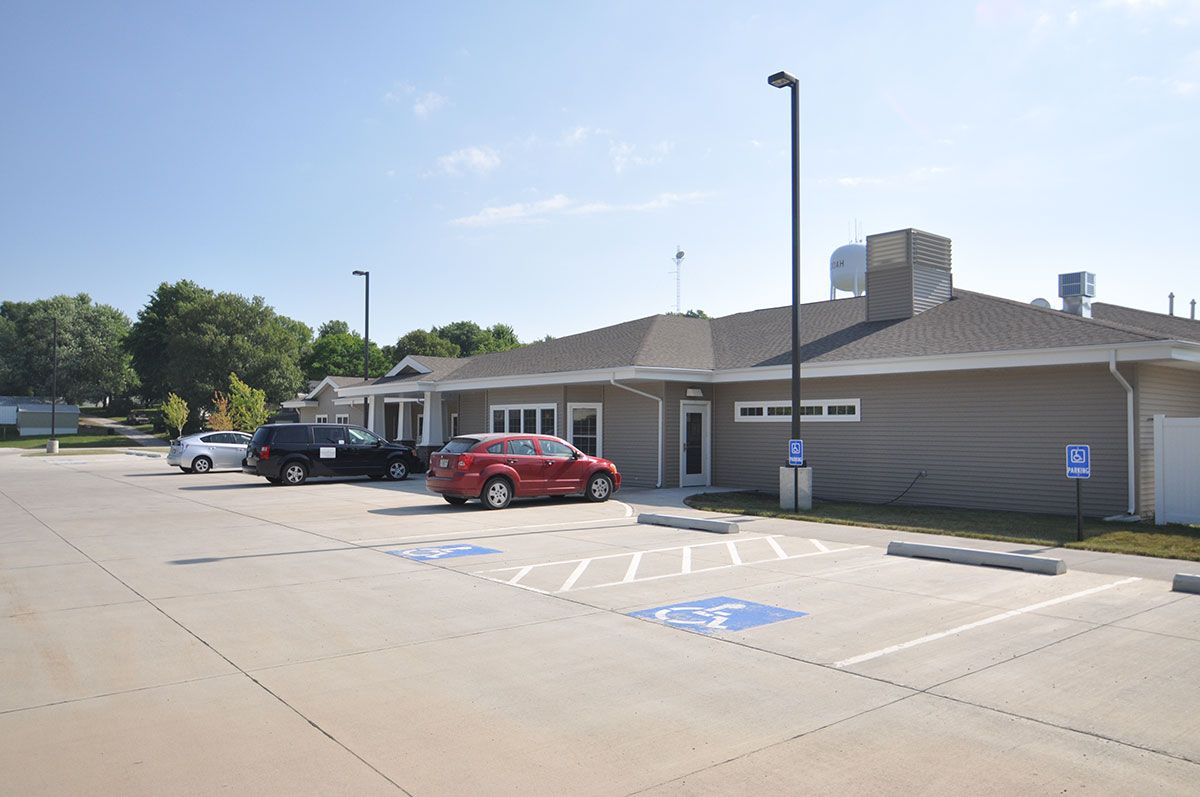
 Community operated transportation
 12-16 hour nursing
 24-hour call system
 Ambulatory care
 Assistance with bathing
 Assistance with dressing
 Assistance with transfers
 Diabetes diet
 Diabetic care
 Hospice waiver
 Incontinence care
 Medication management
 Mental wellness program
 Special dietary restrictions
 Transportation arrangement (medical)
 Concierge services
 Planned day trips




 An In-Depth Look at Reminiscence Therapy in Dementia Care
 Dementia-Related Hallucinations: Causes, Experiences, and Practical Approaches
 Illuminating Insights About Alzheimer's Disease: Ten Crucial Realities