











115 Main Street, Sidney, IA 51652
For more information about senior living options: (866) 208-4318
Overall Review of The Ambassador Sidney
Pros
 The staff and nurses did an excellent job taking care of her, and everyone was kind and helpful, making her feel comfortable and at ease.
- The great grandma loved it there.
- At the Ambassador, the staff provided excellent care and did everything they could to improve her life.
- They were never too busy or cranky to help with her phone, TV, finding things, or fixing a special meal.
- A nurse brought her bologna sandwiches, a favorite treat.
- The activities staff ensured crafts that didn’t require glue, accommodating her limited vision.
- The nursing home was always clean and fresh-smelling.
- Elvis entertainment was a scheduled, ongoing favorite activity.
- The staff go over and beyond the call of duty.
Cons
 The Director of Nursing and Administrator positions are rotated randomly every few months, giving residents no stability.
- The administrator comes off as stuck up with a superiority complex when interacting with CNAs.
- The building is old and appears to have little to no housekeeping.
- CNA turnover is astonishing; good employees quit because they are treated poorly by management, while less capable CNAs remain due to friendships with management.
- The reviewer describes the place as a dump and would like to free a resident from it.
- The administrator’s rude comments and laughter regarding questions were noted.
Review
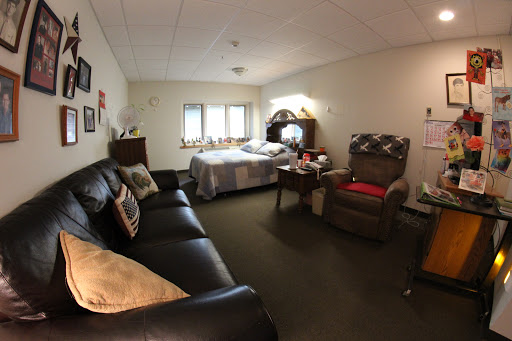
The Ambassador Sidney in Sidney, IA is best suited for seniors who want hands-on, compassionate care delivered by a responsive, resident-focused team, paired with a warm, home-like atmosphere and lively social programming. The strongest argument in favor of this community is the staff’s willingness to go the extra mile: aides and nurses who connect with residents, help with everyday tasks like phone and TV setup, and even arrange small comforts such as a preferred snack or a familiar meal. Residents express feeling at ease because caregivers are attentive, the environment is kept clean, and activities, ranging from crafts tailored for limited vision to regular Elvis-themed entertainment, keep daily life engaging and meaningful.
That warmth, however, comes with caveats. Families should explicitly consider alternatives if stability in leadership and consistent, long-tenured staff are non-negotiables. A recurring theme among reviews is management turnover, particularly at the director of nursing and administrator levels, which breeds a sense of unpredictability in policies and daily routines. Prospective residents who prioritize a steady administrative voice and predictable care planning may find this inconsistency unsettling. The building’s age and apparent gaps in housekeeping further complicate expectations for a facility that feels uniformly fresh and well-organized over time.
On the upside, the documented pros offset many of the downsides for residents who value personal attention. The care team’s responsiveness translates into tangible benefits: help with practical tasks, prompt problem-solving for daily needs, and a willingness to customize experiences, including meal modifications when a resident dislikes the main offering. Cleanliness and a fresh-smelling environment reinforce a sense of dignity and comfort, while the activities staff demonstrates creativity and sensitivity, ensuring programs accommodate vision challenges and other limitations. This combination of attentive care and meaningful engagement helps residents maintain a sense of autonomy within a supportive framework.
Yet the strongest caution accompanies the positive notes: governance instability and staffing churn can undermine the very consistency families expect from long-term care. One review portrays a pattern of turnover at the CNA level accompanied by strained morale, and, in another voice, a frustrated perspective on management’s conduct. Such dynamics can translate into variability in how care plans are implemented, how quickly issues are escalated, and how well residents’ preferences are honored over time. For families weighing this option, the risk is that a well-meaning care team could be hamstrung by leadership gaps or inconsistent policy enforcement, eroding the reliability sought in daily living arrangements.
For those evaluating The Ambassador Sidney, a practical plan centers on proactive due diligence. Tour the community with a focus on governance stability: request the current DON and administrator’s schedules, ask about turnover rates, and inquire how often policies change and how residents are informed. Observe the dining area and kitchen service during a meal to gauge consistency and responsiveness to dietary preferences. Speak with several residents about perceived changes in staff and management, and verify housekeeping routines and response times for maintenance requests. Request a trial period or a closely supervised transition for a loved one to assess whether the daily rhythm aligns with expectations.
In the end, The Ambassador Sidney offers a compelling blend of compassionate care and a lively, resident-centered culture that can make everyday life feel comfortable and connected. For families prioritizing warmth, accessible staff, individualized attention, and rich social programming, this community delivers substantial value. The decision hinges on appetite for potential leadership turnover and aging facilities: if stability and long-term administrative continuity are essential, alternatives with steadier management and newer infrastructure may be a wiser fit. When choosing, calibrate expectations accordingly and lean into the proven strengths while preparing for the realities of governance and facility aging.
 50 resident community capacity
 Skilled Nursing Facility
 Beauty salon
 Cable or satellite TV
 Dining room
 Fully furnished
 Garden
 Housekeeping services
 Kitchenette
 Move-in coordination
 Outdoor space
 Restaurant-style dining
 Small library
 Telephone
 Wi-Fi/high-speed internet available
 24-hour call system
 Activities of daily living assistance
 Assistance with bathing
 Assistance with dressing
 Assistance with transfers
 Diabetes diet
 Medication management
 Mental wellness program
 Special dietary restrictions








 Comprehensive Insights into Palliative Home Care: What It Is and What to Expect
 Skilled Nursing Facilities vs. Nursing Homes: Making Sense of the Differences
 A Detailed Examination of Nursing Home Costs Across the U.S.