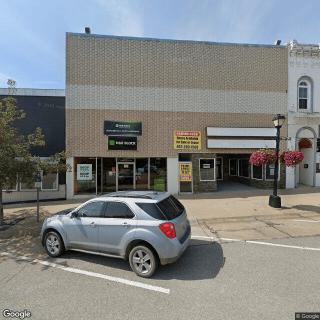
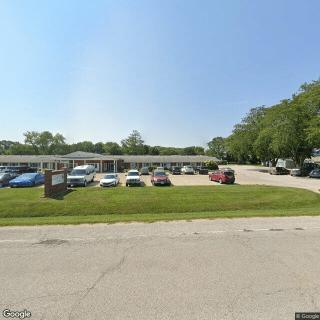
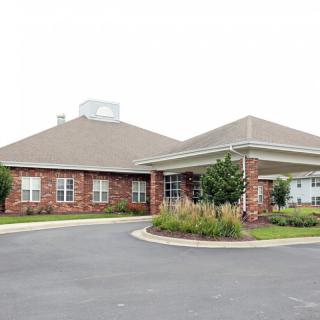
1420 North 10Th Street, Nebraska City, NE 68410
For more information about senior living options: (866) 208-4318
Prestige Care Center Of Nebraska City Costs & Pricing
Prestige Care Center of Nebraska City offers competitive pricing for its services compared to both Otoe County and the broader state of Nebraska. For a studio room, residents can expect a monthly cost of $1,673, which is significantly lower than the county average of $2,980 and the state's $3,728. When it comes to semi-private accommodations, Prestige Care charges $3,906, which is slightly above Otoe County's average of $3,415 but still more affordable than the state's typical rate of $4,123. Private rooms at Prestige Care are priced at $4,008 - aligning with Otoe County's rate while remaining below Nebraska's higher average of $4,615. Overall, Prestige Care Center provides valuable options for prospective residents seeking quality care without the higher costs often associated within the surrounding area.
| Floor plans | Prestige Care Center Of Nebraska City | Otoe County | Nebraska |
|---|---|---|---|
| Studio | $1,673 | $2,980 | $3,728 |
| Semi-Private | $3,906 | $3,415 | $4,123 |
| Private | $4,008 | $4,008 | $4,615 |
Overall Review of Prestige Care Center Of Nebraska City
Pros
 The facility is great for staff and fosters a positive community for residents, families, and team members.
- It is a wonderful place for short-term rehab or long-term care, offering physical therapy, occupational therapy, and speech therapy.
- It is a great place to live and work.
- It is a skilled long-term care facility with a memory care unit and assisted living apartments, featuring a full-service therapy department and skilled nursing services, including IV therapy and wound care.
- It is a good place to rehabilitate after surgery or a hospital stay.
Cons
 A nurse pressured resident families to sign a DNR, challenging patient autonomy.
- Nurses allegedly ignore residents until they are DOA and label behaviors to justify neglect.
- Bed bugs were found in numerous residents’ beds, and staff reportedly laughed about it while residents were being bitten.
- The facility is understaffed, causing long waits for call buttons to be answered.
- Discharge paperwork was not reviewed with the family and was thrown in a trash bag with the medications.
- Prescriptions were not properly transmitted to the new pharmacy; only a medication summary was provided.
Review
Prestige Care Center of Nebraska City is best suited for seniors who need formal rehabilitation services or memory care within a skilled-nursing environment, and for families prepared to stay actively involved in oversight. The facility features a full therapy department (PT, OT, ST), wound care, IV therapy, and a memory care unit, all of which support recovery after surgery or hospital stays while providing ongoing cognitive support. For families prioritizing structured rehab plans and a team that coordinates care around distinct goals, this community can deliver notable advantages. The upside hinges on steady family participation, clear care conversations, and a willingness to monitor progress closely.
There is a clear caveat: not every family will want to or be able to tolerate the operational inconsistencies that repeatedly surface in reviews. Understaffing is a recurrent theme, with residents waiting for assistance and call buttons left unanswered for extended periods. Discharge processes are described as disjointed, with paperwork mishandling and a perception that families must push for proper and timely transitions. Hygiene and housekeeping concerns, including reports of bed bugs, also appear in multiple accounts, tempering confidence in daily quality control. These factors create a risk calculus that makes this community less suitable for families seeking a consistently smooth, low-stress experience.
On the positive side, the treatment and rehabilitation offerings are widely recognized as a genuine strength. The center positions itself as a capable hub for restorative therapy, with a robust suite of services designed to support short-term rehab or long-term care. Several reviewers emphasize a constructive environment for healing, noting that therapy teams can drive meaningful progress and that the facility is well-equipped to manage memory care needs. In addition, the facility is described as a reasonable place to work and live, suggesting a culture among some shifts that is collaborative and resident-centered, which can translate into a more engaged experience for residents when staffing aligns with needs.
Yet the strongest pros do not fully cancel out the principal drawbacks. The same evidence that highlights a comprehensive therapy program also underscores the reality of staffing gaps and inconsistent responsiveness, which can undermine daily safety and peace of mind. When calls go unanswered or care plans are not followed through with due diligence, even excellent therapy sessions lose their effectiveness in the eyes of families. Discharge mismanagement and unclear transitions risk leaving loved ones without crucial prescriptions or proper after-care instructions, undermining the gains achieved during rehab. In short, the clinical strengths are powerful for recovery, but operational and communication weaknesses can erode trust and outcomes if not actively controlled.
The practical takeaway is clear: Prestige Care Center can be a strong choice for families who insist on a rigorous rehab path, a memory care option, and a nursing team capable of delivering skilled interventions, provided a robust oversight plan is in place. If the priority is top-tier caregiver reliability, transparent discharge procedures, and spotless hygiene, this community requires proactive engagement and ongoing supervision. Families should secure a guardian if needed, request detailed care conferences, and insist on documented care plans with explicit timelines. Before committing, demand a tour focused on therapy staffing patterns, housekeeping practices, and the facility’s process for incident reporting and corrective actions.
Bottom line: for residents whose goals center on rehab outcomes and steady therapy support, Prestige Care Center can deliver meaningful benefit, so long as one partner in care remains vigilant about staffing, cleanliness, and discharge continuity. Those who prize seamless day-to-day operations, rapid response to calls, and consistently flawless administrative handoffs may want to explore other options first. A candid on-site assessment, direct conversations with the therapy team, and a clear, written plan for oversight will determine whether this community rises to meet expectations or if it’s wiser to look elsewhere.
 24 resident community capacity
 Assisted Living
 Memory Care
 Skilled Nursing Facility
 Cats allowed
 Dogs allowed
 Activities on-site
 Beauty salon
 Cable or satellite TV
 Devotional services off-site
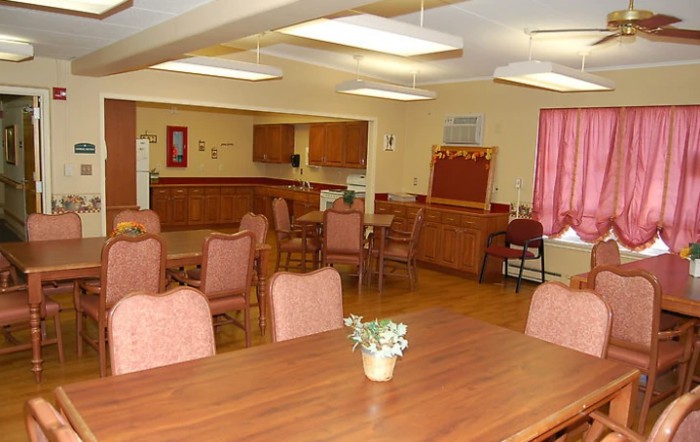
 Dining room
 Fully furnished
 Garden
 Housekeeping services
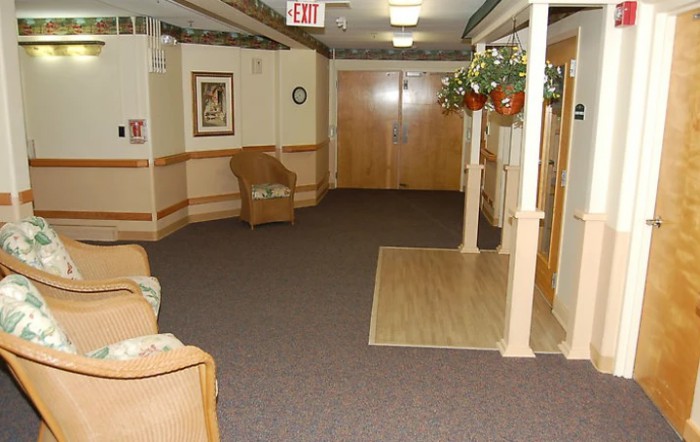
 Indoor common areas
 Kitchenette
 Move-in coordination
 Outdoor space
 Private
 Telephone
 Wi-Fi/high-speed internet available
 24-hour call system
 Ambulatory care
 Assistance with bathing
 Assistance with dressing
 Assistance with transfers
 Diabetes diet
 Diabetic care
 Meal preparation and service
 Medication management
 Mental wellness program
 Special dietary restrictions
 Transportation arrangement (medical)
 Transportation to doctors appointments

 Guiding Your Journey: Understanding Power of Attorney for Elderly Parents
 22 Remarkable Caregiver Support Groups Available Online and In-Person
 Understanding Medicaid Coverage for Assisted Living: A Comprehensive Guide