For more information about senior living options: (866) 208-4318
2.2 from 35 reviews
5 stars
9
4 stars
1
3 stars
1
2 stars
0
1 stars
24
Oakland Heights Assisted Living Costs & Pricing
At Oakland Heights Assisted Living, the monthly costs for accommodation reflect a commitment to providing quality care and comfort. For a one-bedroom unit, residents can expect to invest $2,900, which is slightly above the average in Pottawattamie County at $2,548 but remains competitive compared to the state average of $2,862. When it comes to two-bedroom units, the pricing is set at $3,350; this is notably higher than the county's average of $2,236 while closely aligning with Iowa's state figure of $3,329. These costs highlight Oakland Heights' dedication to offering a supportive living environment tailored to meet the needs of its residents while remaining mindful of regional pricing trends.
Floor plans
Oakland Heights Assisted Living
Pottawattamie County
Iowa
1 Bedroom
$2,900
$2,548
$2,863
2 Bedrooms
$3,350
$2,236
$3,329
Assisted Living communities with a similar price nearby
Residents describe both attentive help and, in other cases, serious gaps in how quickly staff respond.
Some families say staff provided strong, day-to-day support, answered questions, and worked as a team that helped with transitions. Other reviews report residents and families felt ignored, with problems not resolved and communication described as missing. Several accounts contrast missed needs—like delays to help or lack of follow-through—with reviews that say staff were present and responsive.
caveat14 reviews mention this
Facility cleanliness and room conditions
Multiple reviews raise concerns about cleanliness and basic room conditions.
A number of reviewers describe rooms as dirty, hot, or generally run down, including mentions of odors, clutter, and housekeeping not keeping up. Some reviews also describe food trays left unaddressed and staff not completing straightforward care tasks like cleaning surfaces or sweeping floors. A smaller set of reviews goes the other way, saying the facility is clean and clutter free.
caveat6 reviews mention this
Heated periods, blankets, and comfort
Residents and families mention comfort issues tied to heat and warmth.
Some reviews describe the facility going without heat for stretches in colder weather, with no immediate heaters or extra blankets provided. Other accounts describe rooms as very hot in summer without air conditioning. A few reviews mention better overall conditions, but the heat and comfort complaints show up repeatedly among the negative experiences.
caveat4 reviews mention this
Meals and nutrition concerns
Reviews include both praise for meals and complaints about nutrition and meal delivery.
One reviewer says the food was very good, while another describes meals being not nourishing. Several critical reviews also mention meals not being provided when expected, such as not receiving breakfast until late or food being left unaddressed. Overall, dining experiences in the reviews are mixed, with concerns focused on timing and nutritional adequacy.
caveat
Pricing runs above benchmarks
Pricing for one- and two-bedroom units is described as above county levels.
The listed cost range for both one-bedroom and two-bedroom units sits above the county comparison referenced in the pricing summary. For two-bedrooms, the pricing also appears lower versus the state reference point in the same range. Reviews do not quantify pricing in the provided text, so this section is based on the published pricing range rather than resident commentary.
How we summarize
We summarize when many written reviews mention each theme; a review can touch several themes, and only frequently mentioned themes are displayed.
Features
Types of Care
Assisted Living
Amenities
Activities off-site
Activities on-site
Beautician on-site
Devotional services off-site
Devotional services on-site
Indoor common areas
Outdoor common areas
Respite or short term stays offered
Wheelchair accessible showers
Care Services
Ambulatory care
Diabetic care
Incontinence care
Dining
Meals provided
Activities
Activities off-site
Activities on-site
Devotional activities offsite
Devotional activities on-site
Pet-focused programs
Nearby Places of Interest
Located in the charming town of Oakland, Iowa, this area offers a variety of amenities for seniors looking to settle down in a peaceful community. With several places of worship such as St Paul's Evangelical Lutheran Church and United Methodist Church nearby, residents can easily maintain their spiritual practices. Additionally, there are numerous dining options including Tailgators Bar & Grill and Casa Mexicana for enjoyable meals with friends and family. For healthcare needs, there are reputable physicians like CHI Health Clinic Family Medicine available within a short distance. Parks like Chautauqua Park provide opportunities for outdoor recreation and relaxation. In terms of transportation, U-Haul services are conveniently accessible for any moving or storage needs. Overall, this area provides a comfortable and welcoming environment for seniors to call home in Oakland, Iowa.
Places of Worship
St Paul's Evangelical Lutheran Church (0.1 miles)
St Paul Lutheran Missouri Synod (0.1 miles)
United Methodist Church (0.1 miles)
Oakland United Methodist Church (0.2 miles)
Oakland United Methodist Church (0.7 miles)
First Congregational Church (0.8 miles)
Oakland Christian Church (1.4 miles)
Restaurants
Tailgators Bar & Grill (0.5 miles)
Whiskey Creek Sports Bar & Grill (5.9 miles)
The Back Forty (8.8 miles)
Casa Mexicana (11.4 miles)
Old Main Street Grille (11.4 miles)
Grandma's Diner (11.8 miles)
Maid-Rite (12.5 miles)
Pharmacies
Oakland Pharmacy (0.8 miles)
Carley Drug (11.3 miles)
Parks
Chautauqua Park (1.1 miles)
Memorial Park (5.2 miles)
Botna Bend Park (5.3 miles)
Eddington Memorial Park (11.5 miles)
Treynor East Park (12.6 miles)
Agrisymbol Park Shelby (13.2 miles)
Eddington Memorial Park (15.4 miles)
Physicians
CHI Health Clinic Family Medicine (Oakland) (1.5 miles)
Family Health Walk In Clinic (11.3 miles)
Glenn E Hurst, MD, PC (13.3 miles)
Heilesen Bret D Md Myrtue Medical Center Shelby Clinic Shelby (14 miles)
At Oakland Heights Assisted Living, the monthly costs for accommodation reflect a commitment to providing quality care and comfort. For a one-bedroom unit, residents can expect to invest $2,900, which is slightly above the average in Pottawattamie County at $2,548 but remains competitive compared to the state average of $2,862. When it comes to two-bedroom units, the pricing is set at $3,350; this is notably higher than the county's average of $2,236 while closely aligning with Iowa's state figure of $3,329. These costs highlight Oakland Heights' dedication to offering a supportive living environment tailored to meet the needs of its residents while remaining mindful of regional pricing trends.
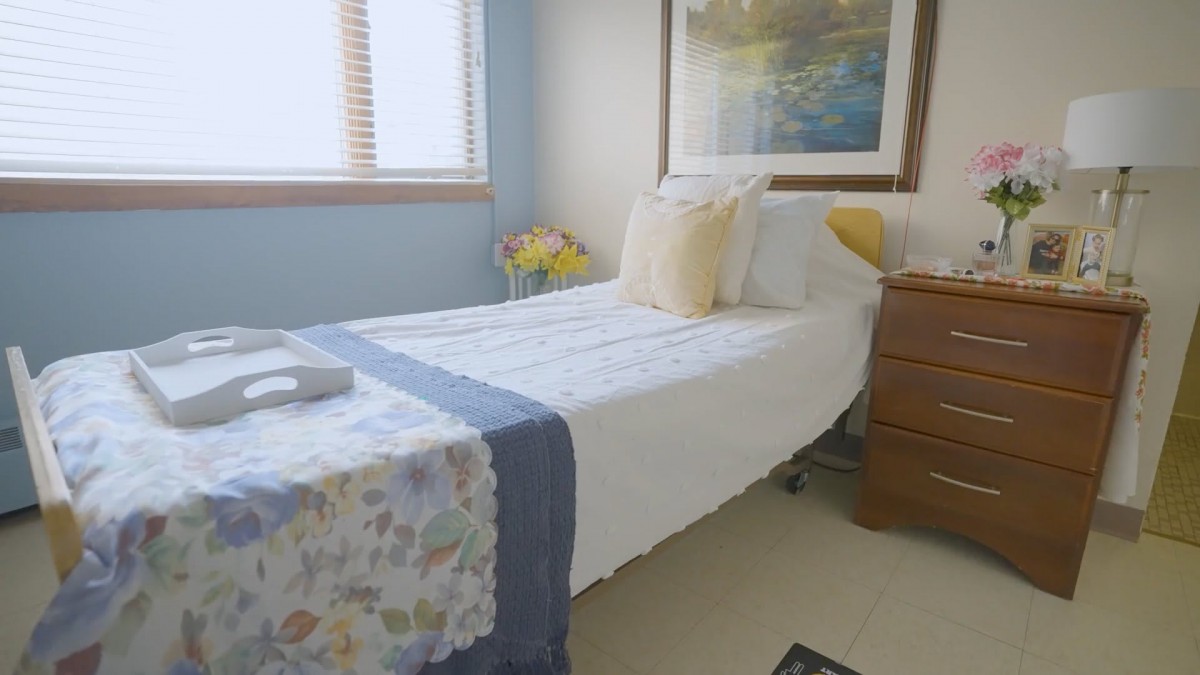
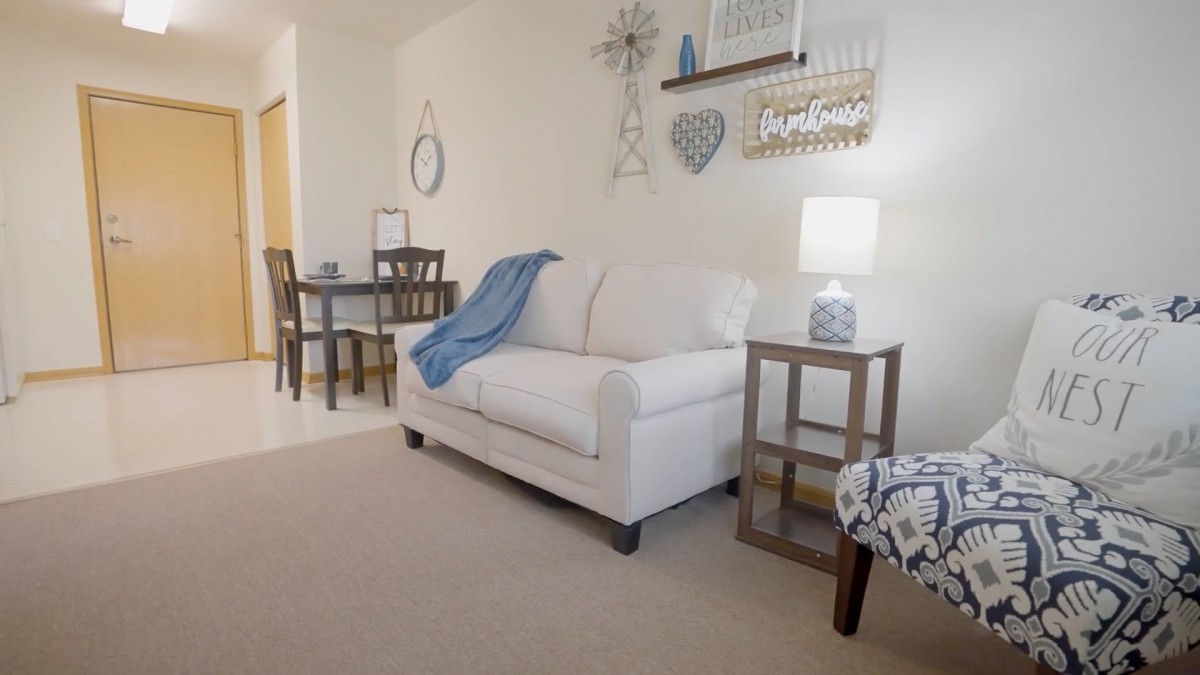
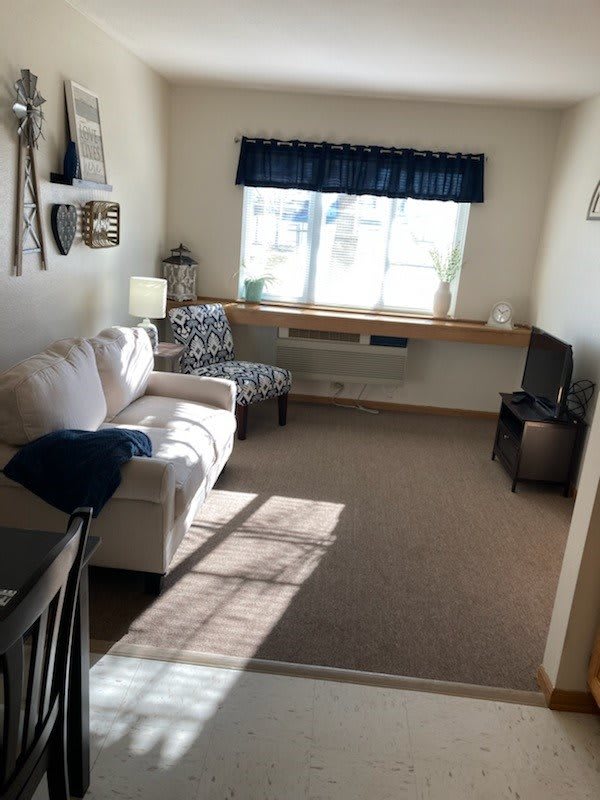
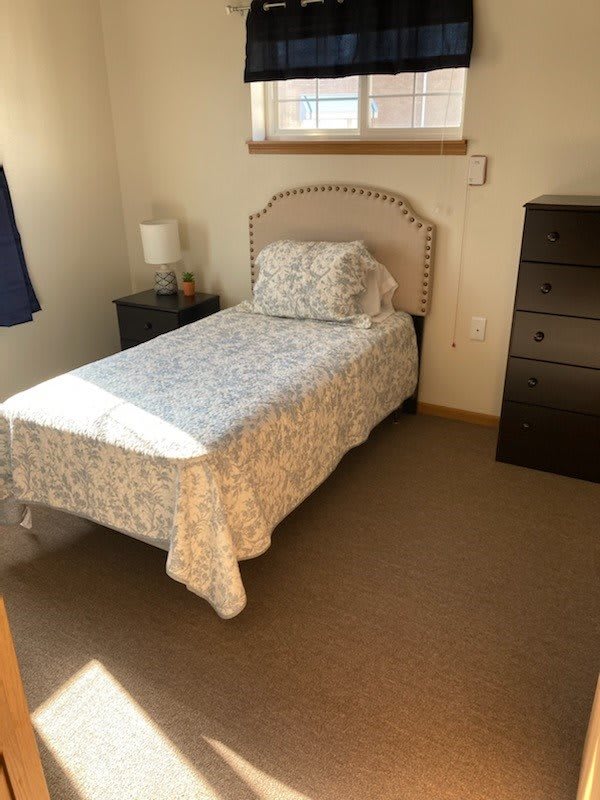
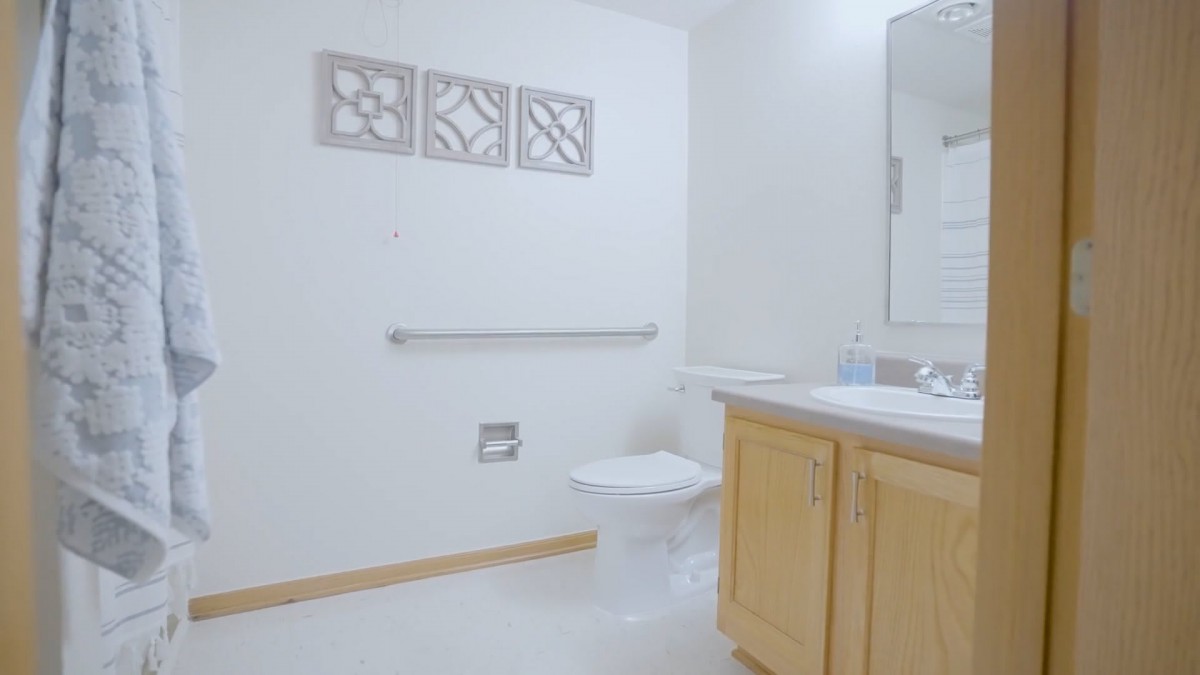
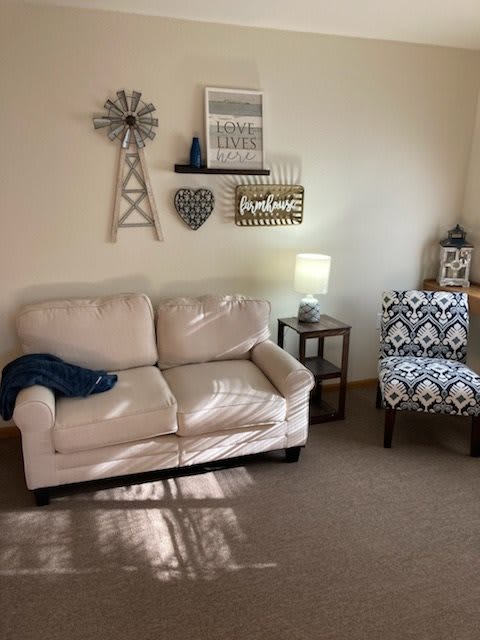
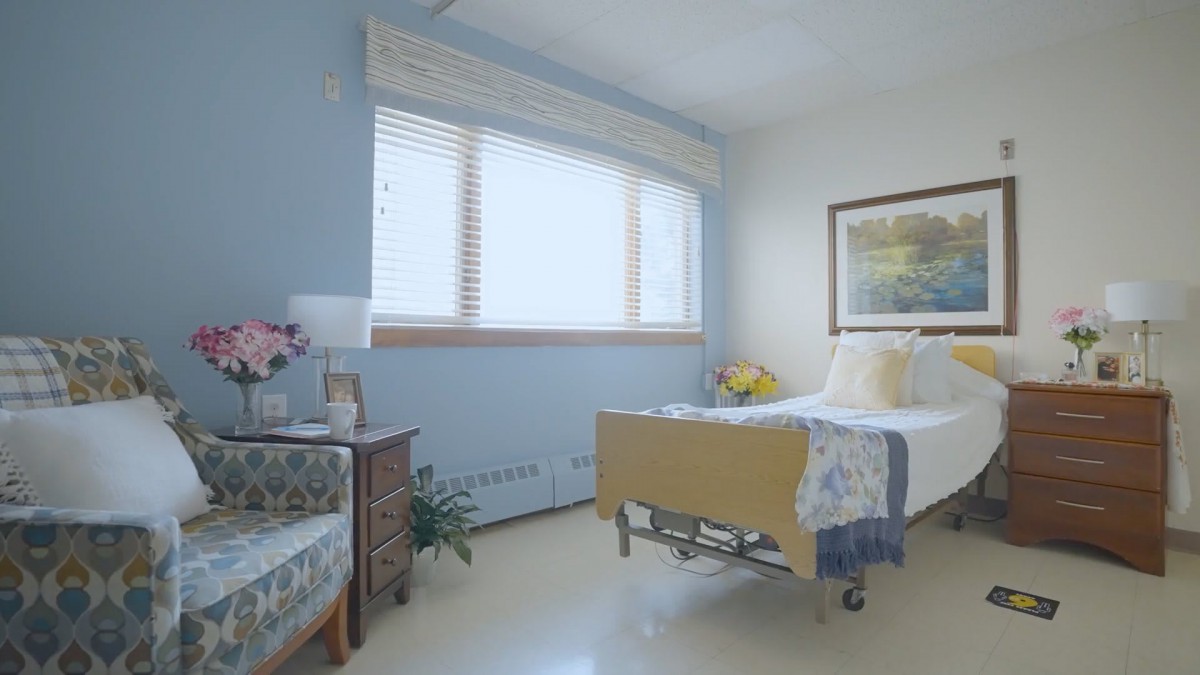
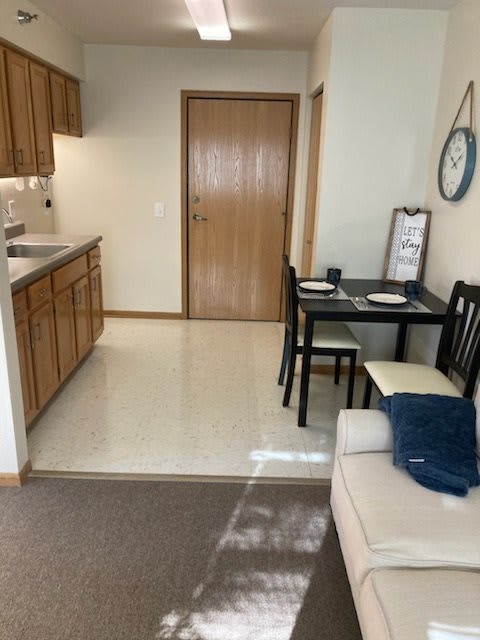
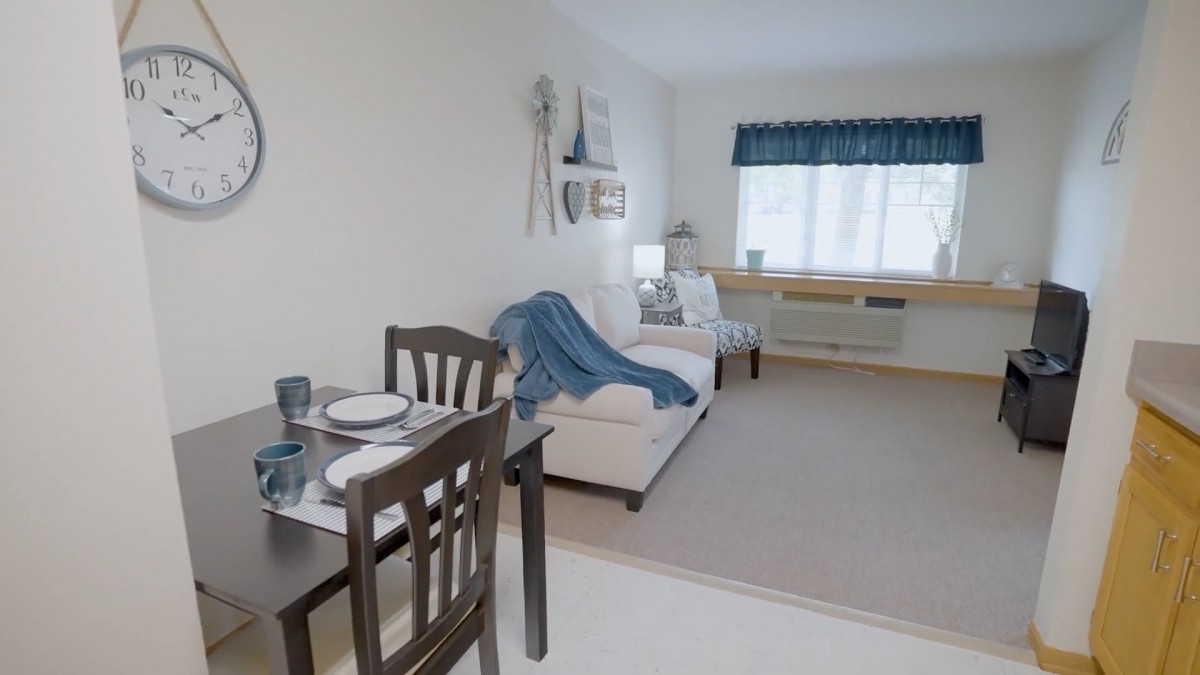
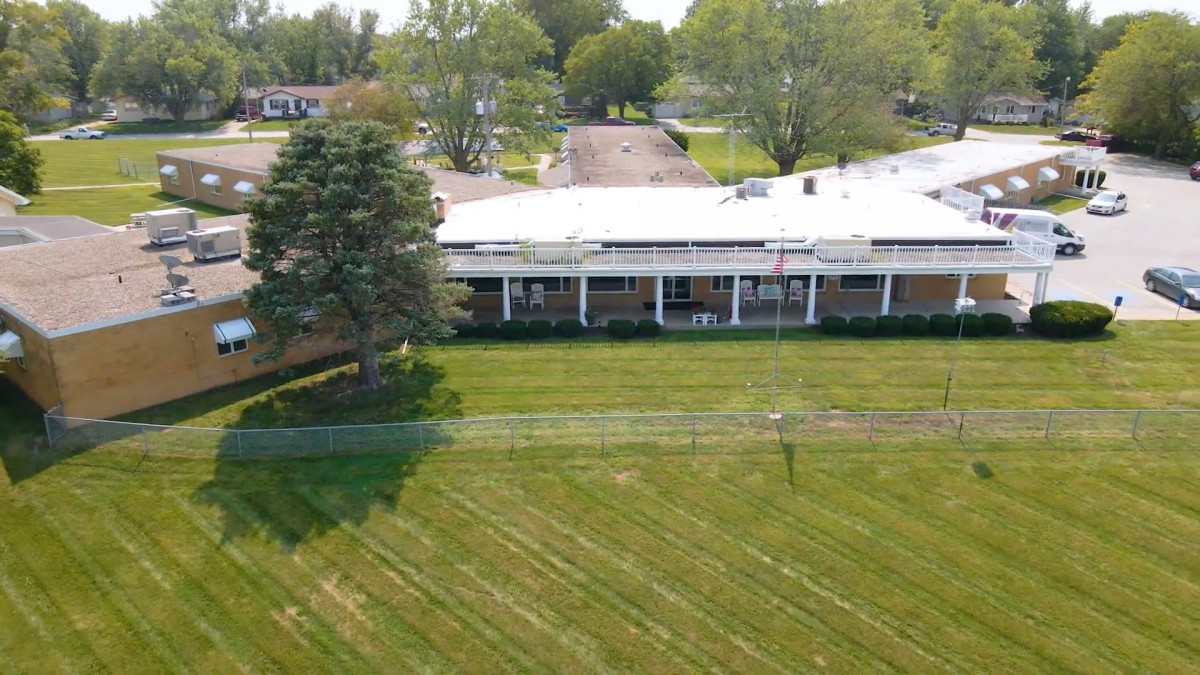
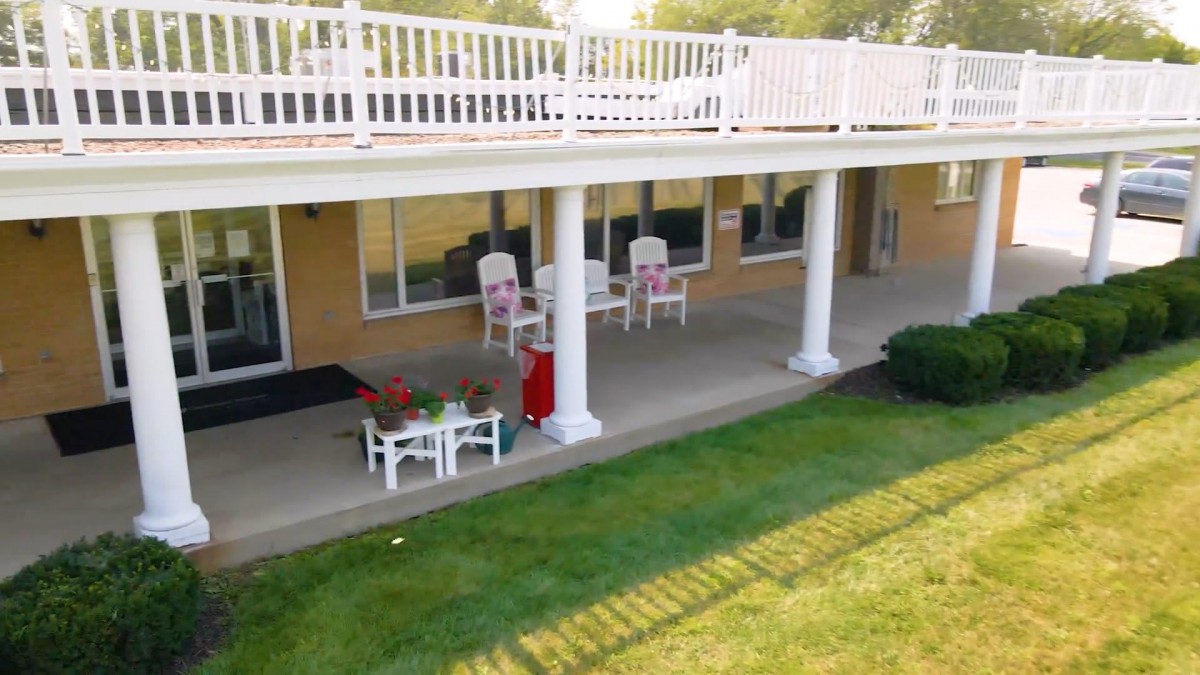
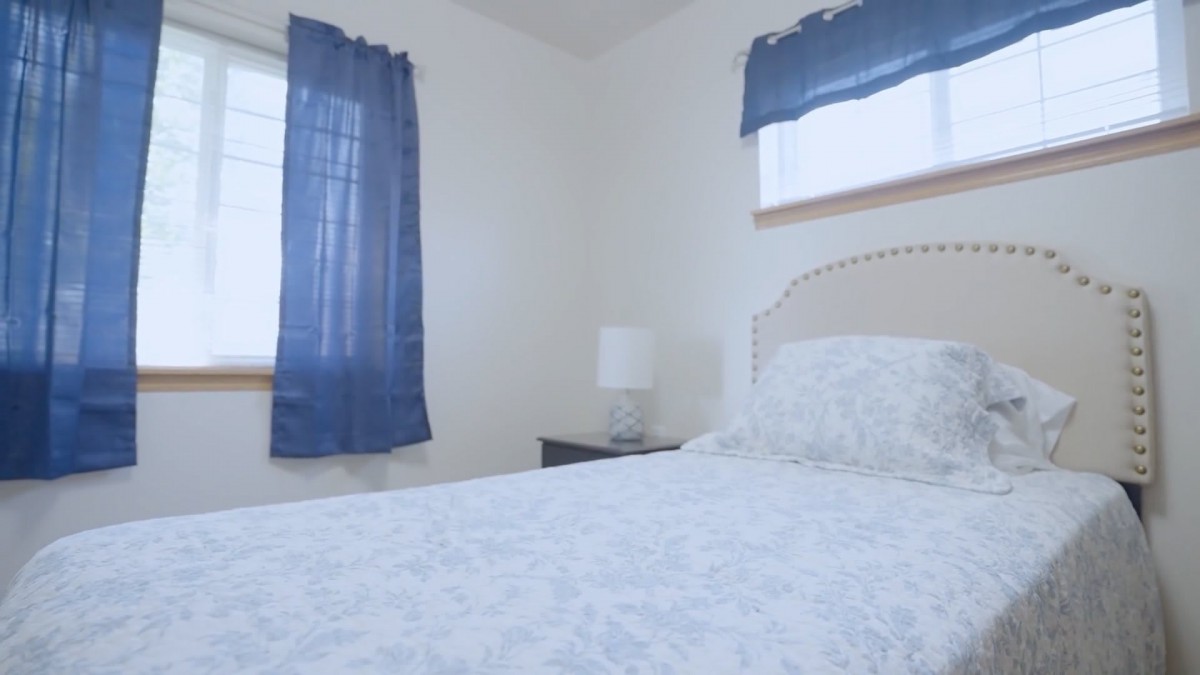
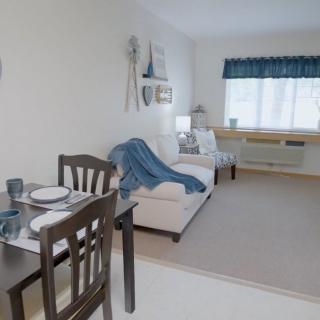
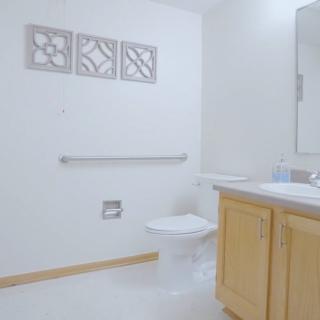
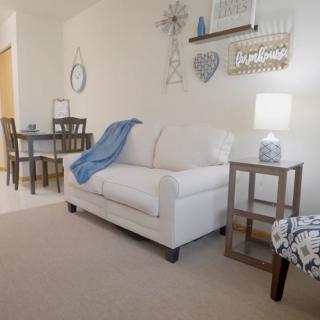
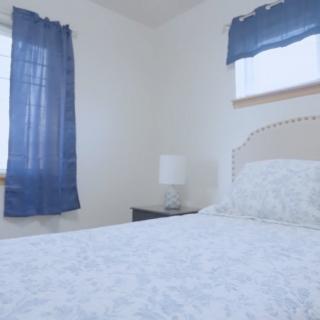
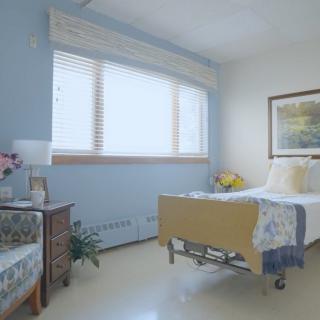
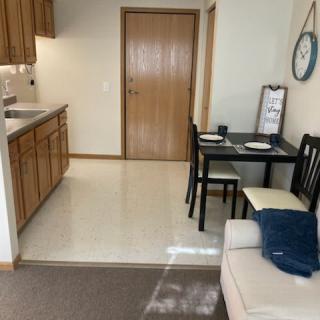
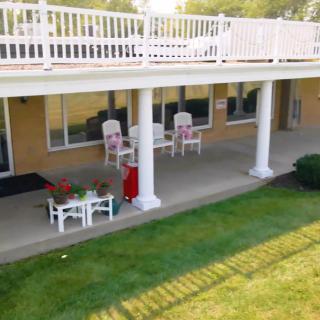
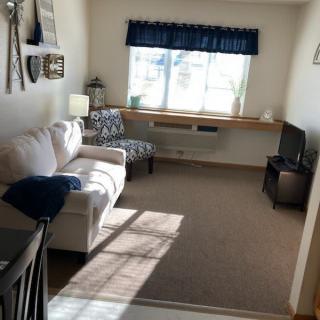
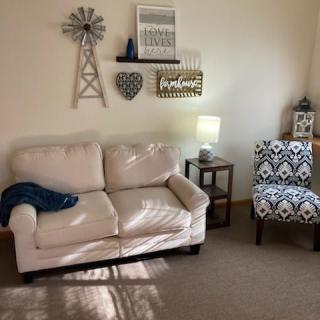
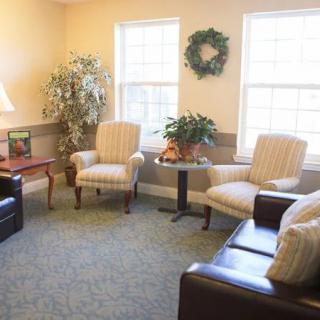
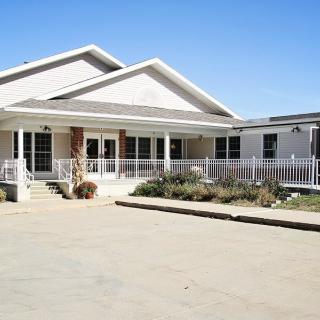
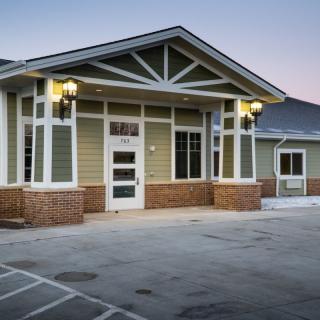
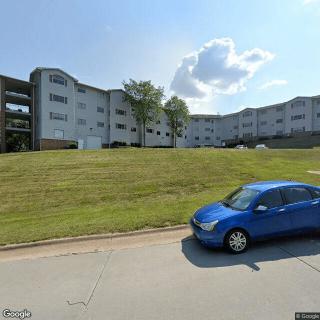
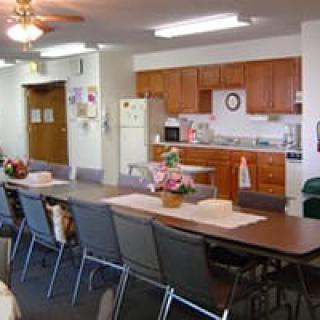
Oakland Heights Assisted Living on seniors.fyi includes 14 photos including images showing bedroom, interior, decor, windows, living room, landscaping, dining, bathroom, and more.
Nearby Communities
Oakland Manor
Oakland, IA
2.1 from 35 reviews
Restaurant-style dining with dietary options and 24-hour care.
Oakland Heights
Oakland, IA
5 from 1 review
Small, close-knit community with excellent care and transparent pricing, plus engaging activities.
Avoca Specialty Care
Avoca, IA
Comprehensive care and amenities in a comfortable, fully furnished setting.
Avoca Lodge Assisted Living
Avoca, IA
Fully furnished rooms with 24/7 supervision, medication management, and restaurant-style dining.
Griswold Rehabilitation & Health Care Center
Griswold, IA
4.2 from 14 reviews
$2,480 / month
Competitive price for memory care with 24/7 supervision and on-site amenities.
Willow Heights
Atlantic, IA
4.4 from 10 reviews
Independent living with 24/7 staff support and diabetic care
Arlington Place of Red Oak
Red Oak, IA
4.3 from 23 reviews
$3,615 to $5,350 / month
Caring staff, clean apartments, and engaging activities.
Harmony Court Council Bluffs
Council Bluffs, IA
4.3 from 10 reviews
$935 to $1,510 / month
Affordable pricing with comprehensive on-site amenities and easy access to healthcare and transit.
Camelot Village
Council Bluffs, IA
4.8 from 4 reviews
$837 to $857 / month
Competitive pricing for studios/1-bedrooms; pet-friendly 55+ community with on-site activities.
The VA Aid and Attendance benefit provides financial support to veterans needing assistance with daily living due to medical conditions or disabilities, augmenting standard VA pensions for services like in-home care. Eligibility is based on service duration, wartime status, income, and medical needs, with a detailed application process required to access funds for caregiving and home modifications.
Senior move management services assist older adults in the relocation process by providing emotional support and organizational help, addressing unique challenges like downsizing and moving from long-term homes. These specialists collaborate with real estate agents and manage logistics, making the transition smoother for seniors and their families.
The article examines senior housing options, detailing the distinctions between independent living and assisted living, along with the emerging "independent assisted living" model that blends both approaches. It highlights the importance of assessing individual needs, preferences, and financial factors in making informed decisions about suitable living arrangements for seniors.
Get PricingAsk A QuestionSchedule A TourContact Senior Advisor
By clicking submit, you agree to our Partner's Terms of Use. You
also consent to receive calls and texts, which may be autodialed, from our Partner. Your consent is not a condition to
using our Partner's service. Please visit our Partner's Privacy Policy for information about their privacy practices.



 Assisted Living
 Activities off-site
 Beautician on-site
 Devotional services off-site
 Indoor common areas
 Outdoor common areas
 Respite or short term stays offered
 Wheelchair accessible showers
 Ambulatory care
 Diabetic care
 Incontinence care
 Meals provided
 Pet-focused programs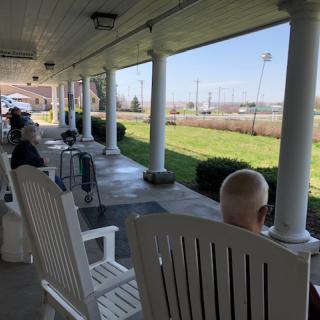
 Restaurant-style dining with dietary options and 24-hour care.



 An Extensive Exploration of the VA Aid and Attendance Benefit
 Senior Transition Services: Understanding Their Role, Cost, and Importance
 Exploring the Path to Senior Living: A Comprehensive Look at Independent Living and Assisted Living