Newton Village presents a compelling value proposition in the realm of housing costs, particularly when compared to both Jasper County and the broader state averages for Iowa. For a one-bedroom unit, residents can expect to pay $1,250 per month, significantly higher than the county's average of $820 but still more affordable than the state average of $2,862. Similarly, two-bedroom units are priced at $1,626 in Newton Village, which is above Jasper County's rate of $1,176 yet well below Iowa's average of $3,329. The studio apartments at Newton Village are on par with local pricing at $2,880 but still offer an economical choice relative to the state's figure of $3,613. Overall, while Newton Village may not be the most budget-friendly option within Jasper County, it provides a competitive alternative against state averages that underscores its unique value in this vibrant community.
Floor plans
Newton Village
Jasper County
Iowa
1 Bedroom
$1,250
$820
$2,863
2 Bedrooms
$1,626
$1,176
$3,329
Studio
$2,880
$2,880
$3,609
What level of care are you interested in?
Assisted Living
Memory Care
Independent Living
Skilled Nursing Facility
Continuing Care Retirement Community (CCRC)CCRC
Other
Who are you looking to provide information for?
Myself
Parent
Spouse
Grandparent
Friend
Other
What is your move timeline?
Immediately
1 - 3 months
3+ months
Unsure
Is there a Monthly Budget Range you're trying to work for?
Over $5,000
$2,000 to $5,000
Under $2,000
Unsure
Almost Done! Who do we have the pleasure of working with today?
Thank you
One of our local senior advisors will contact you shortly.
Request a tour at Newton Village
Overall Review of Newton Village
Pros
The care is described as the best in town.
The facility is well kept and clean, and the staff are friendly and professional.
The place is wonderful for the right person.
The facility's cleanliness, staff, and resident activity impressed the reviewer.
Cons
The facility did not accept Medicaid, which would have been an issue for them.
They felt the place was not right for them at this time because they are too active for this type of place.
Review
Newton Village in Newton, IA is best suited for seniors who want a clean, well-maintained assisted-living community with genuinely friendly, professional staff and a robust slate of resident activities. It suits individuals who prefer a structured, socially engaged environment where daily life unfolds under attentive supervision and with ready access to companionship and organized programs. The setting carries a suburban, Des Moines-area appeal that attracts families looking for a hometown feel without sacrificing quality. Crucially, it works best for those who can cover the cost through private pay or other non-Medicaid arrangements, since Medicaid is not accepted here.
Those weighing alternatives should start with the Medicaid question. The community does not accept Medicaid, a barrier that can become a long-term constraint for families relying on public funding. For seniors whose finances are centered on Medicaid, or whose planning assumes that long-term coverage will be essential, Newton Village may not be a viable option. Additionally, anyone seeking a more urban Des Moines footprint or closer proximity to certain medical networks may prefer other suburbs or metro communities with broader insurance acceptance. Finally, individuals who view independence and a high degree of personalization as non-negotiable may find the environment too structured or predictable.
On the upside, the strongest professional case for Newton Village is the combination of cleanliness, solid staff engagement, and active resident life. Reviews consistently highlight a well-kept facility where staff appear friendly and professional, and where residents stay engaged through structured activities. Those conditions translate into a dependable daily rhythm - one that can reduce stress for families who want reliable oversight and predictable routines. When a family wants concrete evidence of a home-like atmosphere, the emphasis on cleanliness, respectful care, and ongoing activities provides reassurance that basic standards are being met at a high level.
The main con, however, is substantive: the lack of Medicaid acceptance. For families budgeting on government-supported funds, this is never a minor detail. The good caregiving environment and the appealing social calendar do not offset the financial constraint if private pay is not an option. Pros like attentive staff and a vibrant activity calendar may make the community a strong fit for those who can privately fund care, but for those dependent on Medicaid, it signals a hard fork to explore other communities first. Location adds a secondary tension for some families who are balancing travel time and proximity to medical providers or family, suggesting that the Newton town setting may feel distant for those with strong ties elsewhere.
Another practical consideration is the fit for an active senior. One reviewer noted being "much too active for this type of place," underscoring that Newton Village tends toward a more contained lifestyle rather than a full-time, independent-spirited atmosphere. For residents who crave frequent excursions, flexible day-to-day autonomy, or a setting that supports high-energy, independent living, the staff- and activity-rich environment may feel constraining over time. In short, the community delivers well for those seeking structure with companionship, not for those who measure success by pace and spontaneity.
In practical terms, this is a clear choice for families who have ample private funds and want a dependable, people-centered community with a clean environment and a lively activities program. It is a place where "the best care in town" sentiment can be realized through consistent staff presence, a calm layout, and an engaged resident community. Those same attributes, however, should be weighed against the non-negotiable reality of Medicaid ineligibility and the lifestyle fit for an active senior. If financial coverage through Medicaid or access to a more dynamic, less structured setting is a priority, it is prudent to look elsewhere in the Des Moines metro before committing. For families comfortable with private pay and seeking a solid, activity-rich atmosphere, Newton Village stands out as a strong, practical option.
Features
Housing
88 resident community capacity
Types of Care
Assisted LivingAssisted living facilities provide crucial support and care for seniors who may need help with daily tasks such as medication management, bathing, and meal preparation. These communities offer a safe and comfortable environment where seniors can maintain their independence while receiving the assistance they need to thrive in their golden years.
Independent LivingIndependent living communities are important for seniors because they offer a safe and supportive environment where older adults can live independently while still having access to amenities and services that enhance their quality of life. These communities provide social opportunities, recreational activities, and assistance with daily tasks, promoting overall well-being and allowing seniors to maintain their independence for as long as possible.
Memory CareMemory care is crucial for seniors as it provides specialized support and services for individuals with dementia or Alzheimer's disease. These programs offer a safe and secure environment where residents receive personalized care, cognitive stimulation, and help with daily activities. Memory care helps seniors maintain their independence, quality of life, and dignity while also providing peace of mind for their families.
Respite CareRespite care provides temporary relief for caregivers, allowing them to recharge and attend to their own needs. It also gives seniors the opportunity to socialize, receive professional care, and experience a change of scenery, promoting overall well-being and reducing feelings of isolation.
Skilled Nursing FacilitySkilled Nursing Facilities are crucial for seniors as they provide round-the-clock medical care, rehabilitation services, and assistance with daily activities. These facilities ensure that seniors receive the specialized care they need to maintain their health and well-being as they age.
Amenities
Activities off-siteEngaging in off-site activities is crucial for seniors to maintain social connections, stay active, and stimulate their minds. It promotes overall well-being and helps combat feelings of isolation and loneliness.
Activities on-siteActivities on-site are important for seniors because they provide opportunities for socialization, mental stimulation, physical activity, and overall well-being. Engaging in activities can help seniors stay active, maintain their independence, and improve their quality of life.
Air-conditioningAir conditioning is important for seniors as they are more vulnerable to heat-related illnesses and may have underlying health conditions that make it difficult for them to regulate their body temperature. It helps to keep them comfortable, safe, and healthy in hot weather.
Bath tubsBath tubs are important for seniors because they provide a safe and relaxing way to bathe, helping to prevent slips and falls while promoting independence and overall well-being.
Beautician on-siteHaving a beautician on-site at a senior living community is important for seniors as it allows them to easily access grooming and personal care services, boosting their self-esteem and overall well-being. It also provides convenience and helps seniors maintain their sense of independence and personal style.
Beauty salonBeauty salons are important for seniors because they provide a space for them to feel pampered, socialize, and maintain their personal grooming and hygiene. Regular visits to a beauty salon can help boost seniors' self-esteem and overall well-being.
Cable or satellite TVCable or satellite TV is important for seniors because it provides entertainment, news, and companionship, helping to combat loneliness and boredom. It also offers a wide range of programming options tailored to different interests and preferences.
Computer centerA computer center is essential for seniors as it provides access to technology, communication tools, and resources that can enhance their daily lives. It allows them to stay connected with loved ones, engage in online activities, and learn new skills, ultimately promoting socialization and mental stimulation.
Devotional services off-siteDevotional services off-site are important for seniors as they provide spiritual nourishment, social engagement, and a sense of community outside of the senior living facility. This can enhance overall well-being and help combat feelings of isolation and loneliness often experienced by older adults.
Devotional services on-siteDevotional services on-site provide seniors with spiritual support and a sense of community, as well as an opportunity for reflection and guidance during their senior living experience. This can promote emotional well-being and connection to others, leading to a more fulfilling and enriching lifestyle in their later years.
Dining roomDining rooms are important for seniors as they provide a space for socialization, connection, and nutritious meals. They offer opportunities for residents to bond over shared meals, foster a sense of community, and promote healthy eating habits. Dining rooms also ensure that seniors have access to well-balanced meals tailored to their dietary needs and preferences.
Fitness roomHaving a fitness room in a senior living community is essential for seniors to stay active, maintain their physical health, and improve their overall well-being. Regular exercise can help prevent falls, reduce the risk of chronic diseases, and promote mental sharpness. It also provides social opportunities for residents to connect with others and enjoy a sense of community.
Fully furnishedFully furnished senior living communities are important for seniors because they provide convenience, comfort, and a hassle-free moving experience. Seniors can easily settle into their new living space without the stress of having to buy and move furniture. This allows them to focus on enjoying their new home and community.
Gaming roomGaming rooms are important for seniors as they provide a fun and engaging environment for socializing, cognitive stimulation, and physical activity. Games can improve memory, problem-solving skills, and overall mental well-being while fostering friendships and reducing feelings of isolation.
GardenGardens are important for seniors as they provide a peaceful and therapeutic environment for relaxation, physical activity, and socialization. Being in nature has been shown to reduce stress, improve mood, and promote overall well-being. Gardens also offer opportunities for seniors to engage in gardening activities, which can improve mobility, flexibility, and cognitive function. Additionally, gardens create a sense of community and connection with others who share a passion for plants and outdoor spaces.
Housekeeping servicesHousekeeping services are important for seniors because they help maintain a clean and safe living environment, promote independence, and reduce the risk of accidents or illnesses. Additionally, having assistance with household chores can alleviate physical strain and allow seniors to focus on other aspects of their well-being.
Indoor common areasIndoor common areas are crucial for seniors as they provide a space for socialization, recreation, and community engagement, promoting overall well-being and reducing feelings of isolation and loneliness.
KitchenetteKitchenettes are important for seniors living in senior living communities because they provide the convenience and independence of being able to prepare simple meals and snacks in the comfort of their own living space. This can help promote a sense of autonomy and well-being for seniors, allowing them to maintain some level of control over their dietary choices and daily routines.
Move-in coordinationMove-in coordination is important for seniors because it helps ease the transition into their new living environment. It ensures that all logistics, such as packing, organizing movers, and setting up utilities are taken care of, allowing seniors to focus on settling in and adjusting to their new home. Having a smooth move-in process can alleviate stress and anxiety, making the transition smoother and more enjoyable for seniors.
Outdoor common areasOutdoor common areas are important for seniors as they provide a space for socialization, physical activity, and relaxation. Being outside in nature can improve mood and overall well-being, while also encouraging movement and engagement with others. These spaces can help combat feelings of isolation and promote a sense of community among residents.
Outdoor spaceOutdoor spaces are important for seniors as they provide opportunities for physical activity, social interaction, exposure to natural light and fresh air, and a sense of connection to nature. Having access to outdoor spaces can improve overall well-being and quality of life for older adults living in senior communities.
Private bathroomsPrivate bathrooms are important for seniors in senior living communities because they provide independence, dignity, and comfort. Having a private bathroom allows seniors to maintain their personal hygiene routines without the need for assistance, promoting a sense of autonomy and privacy. Additionally, private bathrooms help prevent the spread of infections and provide a safe and clean environment for seniors to navigate safely.
Restaurant-style diningRestaurant-style dining is important for seniors because it allows them to enjoy delicious, nutritious meals in a social and upscale setting. This enhances their dining experience, promotes healthy eating habits, and fosters socialization with fellow residents, ultimately contributing to their overall well-being and quality of life.
Small librarySmall libraries are important for seniors as they provide access to a variety of reading materials, including books, newspapers, and magazines. This can help stimulate their minds, keep them engaged, and provide a sense of community through book clubs and other social activities. Additionally, reading has been shown to improve cognitive function and overall mental well-being in older adults.
TelephoneTelephones are important for seniors as they provide a lifeline for communication with loved ones, emergency services, and healthcare providers. They offer a sense of security and independence, enabling seniors to stay connected and access assistance when needed.
Wellness centerWellness centers are important for seniors because they offer a variety of programs and services that promote physical, mental, and emotional well-being. These centers provide opportunities for exercise, socialization, education, and relaxation, helping seniors maintain their overall health and quality of life.
Wheelchair accessible showersWheelchair accessible showers are crucial for seniors as they provide a safe and independent bathing option for those with mobility challenges. These showers help prevent falls and allow seniors to maintain their dignity and autonomy while ensuring they can bathe comfortably.
Wi-Fi/high-speed internet availableWi-Fi/high-speed internet is important for seniors to stay connected with loved ones, access online resources, and participate in virtual activities to combat feelings of loneliness and isolation. It also allows them to easily manage healthcare needs, access entertainment, and engage in lifelong learning opportunities.
Transportation
Community operated transportationCommunity operated transportation is crucial for seniors as it provides them with the means to access essential services, social activities, and medical appointments. It allows seniors to maintain their independence and quality of life by ensuring they can participate in activities outside of their homes. Additionally, community-operated transportation services offer a safe and reliable way for seniors to travel without having to rely on family or friends for assistance.
Transportation arrangementTransportation arrangements are crucial for seniors as they may face challenges with driving, mobility, or access to public transportation. Having reliable transportation services ensures that seniors can easily attend appointments, social activities, and maintain their independence and quality of life.
Transportation arrangement (non-medical)Transportation arrangements are essential for seniors as they provide access to essential services, activities, and social interactions outside the home. This service helps maintain independence, mobility, and overall well-being for seniors who may have limited transportation options.
Transportation to doctors appointmentsTransportation to doctors appointments is crucial for seniors as it ensures they have access to necessary medical care and support, promoting their health and well-being. It allows them to receive timely treatment, monitor existing conditions, and address any new health concerns efficiently. Additionally, transportation services can help seniors maintain their independence and quality of life by enabling them to stay connected with their healthcare providers.
Care Services
12-16 hour nursing12-16 hour nursing care is crucial for seniors in order to ensure around-the-clock monitoring, timely medication administration, and prompt response to any health concerns or emergencies. This level of care helps to promote the overall well-being and safety of seniors living in senior living communities.
24-hour call system24-hour call systems are important for seniors because they provide peace of mind and immediate assistance in case of emergencies. This technology ensures that help is always available, promoting safety and security for elderly individuals living alone or in assisted living facilities.
24-hour supervision24-hour supervision is important for seniors to ensure their safety, well-being, and access to immediate assistance in case of emergencies or health issues. This constant support provides peace of mind for both seniors and their loved ones, allowing them to age in place with dignity and security.
Activities of daily living assistanceActivities of daily living assistance are important for seniors because they provide essential support with tasks such as eating, bathing, dressing, and mobility. This assistance helps seniors maintain their independence, dignity, and overall quality of life as they age.
Ambulatory care"Ambulatory care services provide essential medical support and treatment to seniors without requiring hospitalization, allowing them to maintain their independence and quality of life while managing chronic conditions or receiving routine medical care."
Assistance with bathingAssistance with bathing is crucial for seniors as it helps maintain personal hygiene, prevents infections, and ensures their overall well-being and comfort. It also provides a sense of dignity and independence for seniors who may struggle with this task on their own.
Assistance with dressingAssistance with dressing is important for seniors because it helps maintain their independence, promotes personal hygiene, prevents accidents and injuries, and improves overall quality of life. This service ensures that seniors can continue to dress comfortably and confidently, despite any physical limitations they may have.
Assistance with transfersAssistance with transfers is crucial for seniors as it helps prevent falls and injuries, maintains their independence, and ensures they can safely navigate their living environment. It also provides peace of mind for both seniors and their loved ones.
Diabetes dietA diabetes diet is crucial for seniors as it helps manage blood sugar levels, reduce risks of complications, and improve overall health and well-being. By following a balanced and nutritious diet tailored to their specific needs, seniors can better control their diabetes and enhance their quality of life.
Diabetic careDiabetic care is crucial for seniors as they are more susceptible to developing diabetes due to aging and other health conditions. Proper management of diabetes can help prevent complications such as heart disease, vision loss, and nerve damage, improving the overall quality of life for seniors in senior living communities.
Incontinence careIncontinence care is essential for seniors to maintain their dignity, hygiene, and overall quality of life. By addressing incontinence issues promptly and effectively, seniors can enjoy a sense of independence and comfort in their daily activities.
Meal preparation and serviceMeal preparation and service are crucial for seniors as they may have limited mobility or energy to cook nutritious meals. Having access to healthy and convenient food options can ensure they are getting the proper nutrition needed to maintain their overall health and well-being.
Medication managementMedication management is crucial for seniors to ensure they are taking the right medications at the correct dosages and times. This helps prevent adverse drug interactions, reduces the risk of medication errors, and promotes overall health and well-being. Proactive management also allows for adjustments as needed based on changing health conditions or new prescriptions.
Mental wellness programMental wellness programs are essential for seniors as they promote cognitive stimulation, emotional support, and social engagement. These programs help prevent isolation, depression, and cognitive decline, ultimately enhancing the overall quality of life for older adults.
Mild cognitive impairment"Mild cognitive impairment" is important for seniors because it is an early stage of cognitive decline that can potentially progress to more severe conditions such as dementia. Recognizing and addressing mild cognitive impairment can help seniors receive appropriate care and support to maintain their quality of life and independence for as long as possible.
Special dietary restrictionsSpecial dietary restrictions are important for seniors because age-related changes in metabolism and health conditions can make it difficult for their bodies to process certain foods. By following a diet tailored to their specific needs, seniors can maintain their overall health and well-being, manage chronic conditions, and reduce the risk of complications such as malnutrition or food interactions with medications.
Specialized memory care programmingSpecialized memory care programming is crucial for seniors with cognitive impairments such as dementia or Alzheimer's disease. These programs provide a safe and supportive environment tailored to the unique needs of individuals with memory loss, helping them maintain their independence, dignity, and quality of life.
Dining
Diabetes dietA diabetes diet is crucial for seniors as it helps manage blood sugar levels, reduce risks of complications, and improve overall health and well-being. By following a balanced and nutritious diet tailored to their specific needs, seniors can better control their diabetes and enhance their quality of life.
Meals provided"Meals provided" are crucial for seniors in assisted living communities as it ensures they have access to nutritious, balanced meals without the stress of meal planning and preparation. This can help promote overall health and well-being for seniors who may have limited mobility or cognitive abilities.
Special dietary restrictionsSpecial dietary restrictions are important for seniors because age-related changes in metabolism and health conditions can make it difficult for their bodies to process certain foods. By following a diet tailored to their specific needs, seniors can maintain their overall health and well-being, manage chronic conditions, and reduce the risk of complications such as malnutrition or food interactions with medications.
Activities
Activities off-siteEngaging in off-site activities is crucial for seniors to maintain social connections, stay active, and stimulate their minds. It promotes overall well-being and helps combat feelings of isolation and loneliness.
Activities on-siteActivities on-site are important for seniors because they provide opportunities for socialization, mental stimulation, physical activity, and overall well-being. Engaging in activities can help seniors stay active, maintain their independence, and improve their quality of life.
Community-sponsored activitiesCommunity-sponsored activities are important for seniors as they provide opportunities for social interaction, mental stimulation, and physical activity. These activities can help improve overall well-being, combat loneliness and isolation, and promote a sense of belonging and purpose among older adults.
Concierge servicesConcierge services are essential for seniors as they provide assistance with daily tasks and errands, enhance their quality of life by offering convenience and personalized care, and promote a sense of safety and security.
Devotional activities offsiteDevotional activities offsite are important for seniors because they provide social engagement, spiritual growth, and a sense of community outside of their living environment. This can improve overall well-being, mental health, and combat feelings of isolation or loneliness.
Devotional activities on-siteDevotional activities on-site provide seniors with a sense of community, spiritual fulfillment, and emotional support, promoting overall well-being and a positive sense of purpose in their lives.
Fitness programsFitness programs are crucial for seniors as they help improve strength, flexibility, balance, and overall well-being. Staying active can reduce the risk of chronic diseases, improve mental health, and enhance quality of life in older adults.
Planned day tripsPlanned day trips are important for seniors because they offer opportunities for socialization, mental stimulation, and physical activity. They provide a change of scenery and help seniors stay engaged and connected to their community, promoting overall well-being and quality of life.
Resident-run activitiesResident-run activities are important for seniors as they encourage social interaction, creativity, and a sense of autonomy. These activities empower seniors to stay engaged and active in their community while fostering meaningful connections with their peers.
Scheduled daily activitiesScheduled daily activities are important for seniors because they provide structure, socialization, mental stimulation, and physical activity. Engaging in regular activities can improve overall well-being and quality of life for seniors living in a community setting.
Description
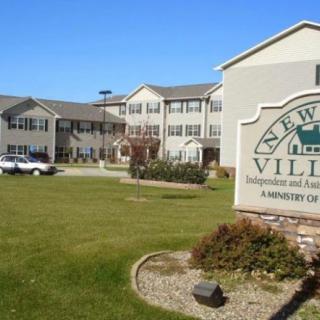
The Newton Village in Newton, IA is a premier assisted living community offering a variety of care services and amenities designed to enhance the quality of life for residents. With options such as Independent Living, Memory Care, Respite Care, and Skilled Nursing Facility, the community ensures that each individual's unique needs are met.
The community boasts a wide range of amenities to cater to the comfort and convenience of its residents. On-site activities keep residents engaged and entertained, while air-conditioning ensures a comfortable living environment. The presence of bath tubs and wheelchair accessible showers promotes personal hygiene and mobility. A beautician on-site and beauty salon provides opportunities for pampering and self-care. Cable or satellite TV is available for entertainment purposes, while the computer center allows for digital engagement. Devotional services both on-site and off-site facilitate spiritual wellness, while the dining room offers restaurant-style dining experiences.
Residents can enjoy various common areas both indoors and outdoors, including a gaming room, fitness room, garden, small library, and outdoor space. Housekeeping services ensure that living spaces remain clean and well-maintained. Move-in coordination makes transitioning into the community seamless. Telephone services are provided for communication purposes, along with non-medical transportation arrangements for ease of movement outside the community.
Care services at Newton Village are comprehensive and personalized. A 24-hour call system ensures that assistance is readily available whenever needed. Supervision is provided round-the-clock to ensure safety and security. Trained staff provide assistance with activities of daily living such as bathing, dressing, transfers, diabetes care, medication management, meal preparation according to dietary restrictions, incontinence care, mental wellness programs,and specialized memory care programming.
Dining at Newton Village is nutritious and delicious with meals provided on-site. Special dietary restrictions are accommodated to meet individual needs.
Residents can stay socially active through various activities organized on-site as well as those sponsored by the local community. Concierge services further enhance the convenience and lifestyle of residents. Devotional activities both on-site and offsite, fitness programs, planned day trips, resident-run activities, and scheduled daily activities ensure a fulfilling and engaging lifestyle.
Located in the heart of Newton, there are numerous amenities in close proximity to the community. Cafes, parks, pharmacies, physicians' offices, restaurants, places of worship, theaters,and hospitals are all nearby for easy access to various services and recreational opportunities.
Overall, Newton Village provides a welcoming and supportive environment where residents can enjoy an independent lifestyle while receiving the care they need.
Nearby Places of Interest
Places of Worship
Sparks Harold (0.1 miles)
Newton Congregational UCC (0.2 miles)
Newton Christian Reformed Churc (0.3 miles)
Newton First (0.3 miles)
Grace Church of Newton (0.4 miles)
Church of the Nazarene (0.4 miles)
Christian Life Church of Newton (0.4 miles)
Physicians
Eye Care Center Of Newton (0.1 miles)
Dermatology Central Iowa (0.2 miles)
Optical Shoppe The (0.3 miles)
Newton Eye Clinic P.C. (0.3 miles)
Kayser Hearing Aid & Audiology Centers (0.4 miles)
Newton Village presents a compelling value proposition in the realm of housing costs, particularly when compared to both Jasper County and the broader state averages for Iowa. For a one-bedroom unit, residents can expect to pay $1,250 per month, significantly higher than the county's average of $820 but still more affordable than the state average of $2,862. Similarly, two-bedroom units are priced at $1,626 in Newton Village, which is above Jasper County's rate of $1,176 yet well below Iowa's average of $3,329. The studio apartments at Newton Village are on par with local pricing at $2,880 but still offer an economical choice relative to the state's figure of $3,613. Overall, while Newton Village may not be the most budget-friendly option within Jasper County, it provides a competitive alternative against state averages that underscores its unique value in this vibrant community.
The comprehensive features offered by Newton Village are designed to create a supportive environment for residents with dementia or Alzheimer's disease, ensuring their safety and enhancing their quality of life. The 24-hour supervision provides constant oversight, which is crucial for individuals prone to wandering or confusion, while assistance with activities of daily living--such as bathing, dressing, and transfers--promotes dignity and independence in personal care tasks. Incontinence care further supports the residents' comfort and hygiene, allowing them to focus on engaging with their surroundings without anxiety. Meal preparation and service cater to nutritional needs tailored to specific dietary restrictions, enhancing overall wellness. Additionally, medication management ensures that residents receive timely doses of necessary medications, contributing to effective health monitoring. The mental wellness program addresses the emotional and psychological aspects of cognitive decline through therapeutic activities that foster engagement. For those experiencing mild cognitive impairment or more advanced stages of memory loss, specialized memory care programming provides targeted interventions to stimulate cognitive function and preserve existing capabilities, all within a nurturing community setting that prioritizes their unique needs.
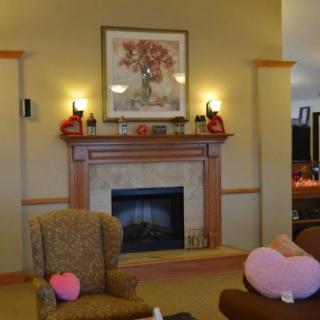
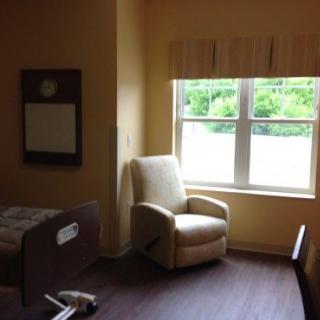
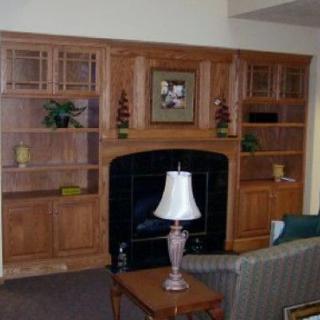
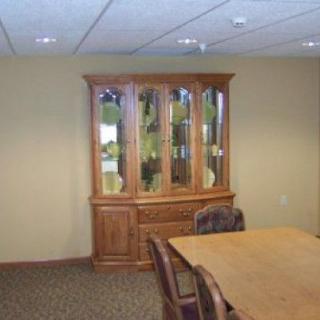
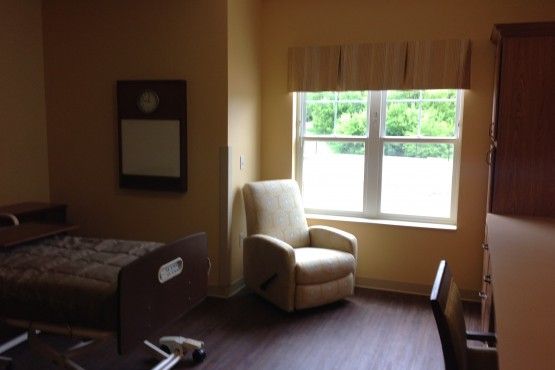
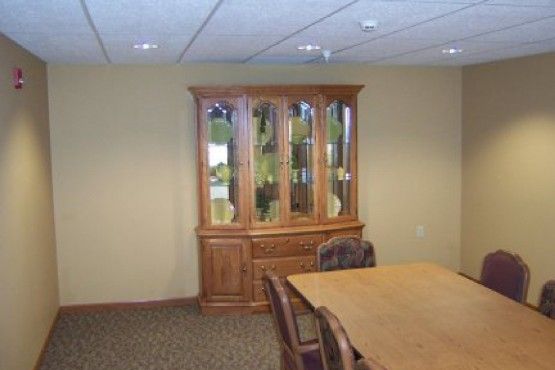
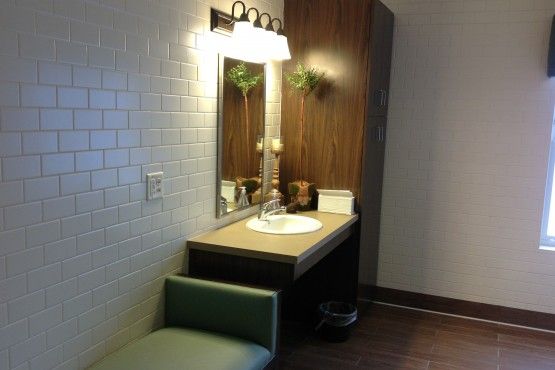
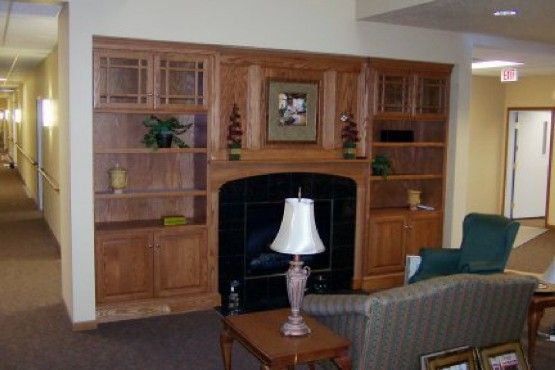
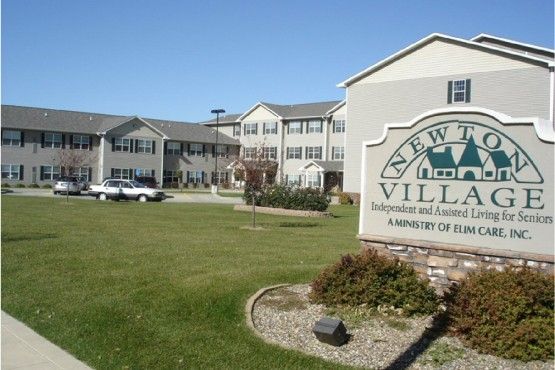
Newton Village on seniors.fyi includes 5 photos including images showing interior, dining, living room, fireplace, bookshelves, decor, bathroom, lighting, and more.
Nearby Communities
Newton Village
Newton, IA
4 from 9 reviews
Clean, well-maintained facility with friendly staff and engaging activities.
Newton Village Health Care Center
Newton, IA
4.4 from 5 reviews
Fully furnished accommodations with 24-hour supervision and medication management.
Park Centre
Newton, IA
5 from 1 review
Warm, welcoming community with friendly staff and social opportunities.
Newton Place Apartments
Newton, IA
5 from 3 reviews
$515 / month
Affordable 1-bedroom rent with easy access to restaurants, parks, and healthcare.
Home Instead - Newton, Marshalltown, Oskaloosa, Pella, IA
Newton, IA
4.9 from 32 reviews
Kind, competent caregivers with flexible support and reliable office follow-up.
Newton Health Care Center
Newton, IA
3.9 from 63 reviews
Friendly, compassionate staff and a clean, well-maintained environment.
Courtyard Estates at Hawthorne Crossing
Bondurant, IA
4.1 from 57 reviews
$5,800 to $6,700 / month
Friendly staff, clean facility, and a broad range of on-site amenities and activities.
Hearthstone Pella
Pella, IA
4.4 from 28 reviews
Engaging staff, clean, well-maintained environment, and spacious Cottage-style living with inviting outdoor spaces.
Edencrest at The Tuscany
Altoona, IA
4.1 from 57 reviews
$2,200 to $3,550 / month
Professional, timely care; friendly memory care staff; modern, well-equipped facilities with engaging activities.
Dementia is characterized by cognitive decline, with nutrition playing a vital role in brain health; while no specific diet can prevent or reverse it, a nutrient-dense diet rich in antioxidants and healthy fats may support cognitive function. The MIND diet, which emphasizes beneficial foods and limits processed items, along with proper hydration and individualized meal strategies, can enhance the well-being of dementia patients.
Dementia affects memory and cognitive function in older adults, presenting challenges for caregivers due to behavioral changes such as confusion and mood swings. Compassionate, person-centered care that considers individual history and preferences, along with effective communication and environmental modifications, is essential for supporting both patients and their caregivers.
Dementia leads to cognitive impairment and can cause emotional and behavioral changes, including aggression that arises from frustration, confusion, or fear. Effective coping strategies for caregivers include understanding dementia's nature, recognizing triggers, using empathetic communication, and employing non-pharmacological interventions like music and art therapy.
Newton Village photos
×
Interior
Decor
Building
Dining
Lighting
Interior
Decor, Living Room, Fireplace, and Bookshelves
Bedroom and Windows
Dining
Landscaping, Building, and Architecture
Bathroom and Lighting
Get PricingAsk A QuestionSchedule A TourContact Senior Advisor
Thank You!
We'll be in touch soon.
Sun
Mon
Tue
Wed
Thu
Fri
Sat
Morning (between 8am and 12pm)
Afternoon (between 12pm and 3pm)
Late Afternoon (between 3pm and 5pm)
By continuing, you agree to receive text messages and emails related to my inquiry and understand that message & data rates may apply.
Assisted Living
Memory Care
Independent Living
Respite Care
Skilled Nursing Facility
Continuing Care Retirement Community (CCRC)
Adult Communities (55+)
Myself
Parent
Spouse
Grandparent
Friend
Other
Immediately
1 - 3 months
3+ months
Unsure
Over $5,000
$2,000 to $5,000
Under $2,000
By continuing, you agree to receive text messages and emails related to my inquiry and understand that message & data rates may apply.