
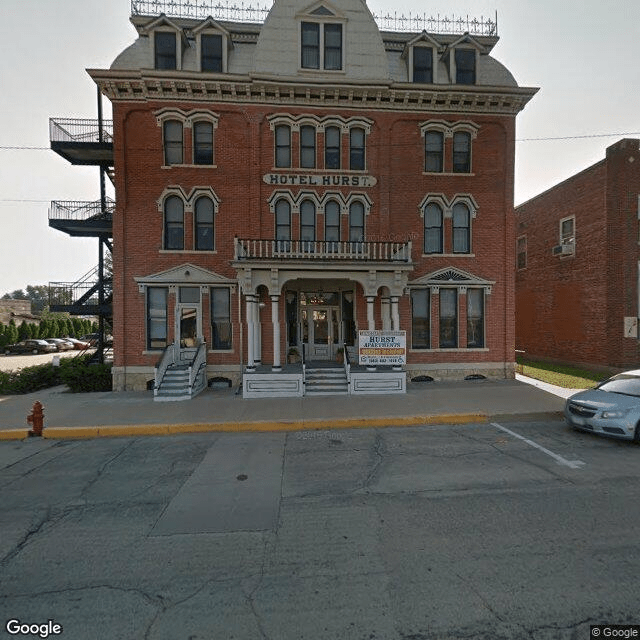
227 S Main Street, Maquoketa, IA 52060
To contact a resident: (563) 652-1918
For more information about senior living options: (866) 208-4318
Overall Review of Hurst Hotel Apartments
Pros
 The place is awesome.
- The residents are friendly.
- The apartments are huge and the rooms are beautiful.
Cons
 The property is falling apart.
- The owners don't care.
- Residents cannot get anything done.
- A lot of handicapped folks live there, and it is not very accessible.
- There are roaches, bats, and mold.
Review
Hurst Hotel Apartments in Maquoketa, IA is best suited for independent seniors who prize generous living space and a social, neighborly atmosphere over a full-service assisted-living experience. The units are roomy, and the overall vibe leans toward a community where residents mingle and neighbors know one another. This makes it appealing to couples or singles who want to entertain, store belongings comfortably, and maintain a greater sense of personal autonomy. It is not a fit for those who require reliable, hands-on care, constant maintenance, or modern accessibility features, and it warrants caution for families evaluating options if dependable accessibility and responsive service are nonnegotiable.
Two of the four reviews land hard on the negative end, painting a picture of maintenance neglect and owner disengagement. Residents reportedly struggle to get even basic tasks addressed, and the physical surroundings raise flags about cleanliness and upkeep. Accessibility gaps compound the concern, with mentions that many residents who rely on mobility assistance find the environment insufficiently adaptable. The combination of pest activity and mold amplifies the risk, suggesting health and comfort can deteriorate quickly if management does not intervene decisively. Those signals should not be dismissed by families seeking a stable, safe living situation.
On the other hand, there is a clearly positive undercurrent worth weighing. The social fabric appears strong, with residents described as friendly, which can translate into meaningful daytime connections and a supportive micro-community. The emphasis on large, attractive living spaces is not trivial; for some residents, that space supports hobbies, storage needs, and privacy in a way smaller or more conventional layouts cannot. For individuals who can absorb the maintenance uncertainty and do not rely on immediate repairs, these advantages can translate into a comfortable, livable daily experience.
Yet the positives do not eliminate the fundamental risk presented by the drawbacks. Health and safety concerns, mold, pests, and insufficient accessibility, pose meaningful worries, particularly for seniors with chronic conditions, allergies, or mobility limitations. The apparent disconnect between owner attentiveness and resident needs further undermines confidence that issues will be resolved promptly. In a setting where daily comfort and routine reliability matter, such gaps may erode quality of life more quickly than the spacious apartments compensate.
Prospective occupants should enter with a plan to verify concrete fixes and protections. Key questions should focus on current pest control status, recent mold remediation, and the timeline for any outstanding repairs. Demand direct answers about accessibility upgrades: ramps, widened doorways, grab bars in bathrooms, non-slip flooring, and any planned renovations. Request recent maintenance response data, and seek written commitments for service timelines and escalation procedures. A candid conversation with current residents about how quickly problems are addressed can illuminate the true daily lived experience beyond polished tours.
In the end, this community aligns best with those who prioritize space, social opportunity, and a degree of independence, while accepting variability in upkeep and services. For families and individuals who require consistently reliable maintenance, rapid repairs, and robust accessibility, alternatives merit serious consideration. The prudent approach is a thorough visit guided by targeted questions, a direct inquiry into the status of outstanding issues, and a comparison against other options that offer stronger assurances of upkeep and resident safety. The decision should hinge on whether the trade-off between space and social life versus maintenance reliability aligns with the residentā€™s health, safety needs, and long-term comfort.
 Active Adult Communities (55+)
 Cats allowed
 Dogs allowed
 Bath tubs
 Dubuque Municipal (23 miles away)
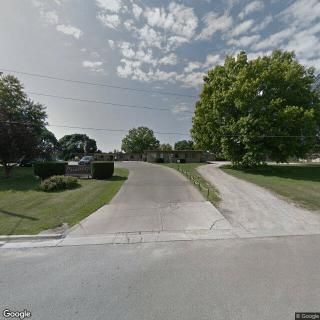

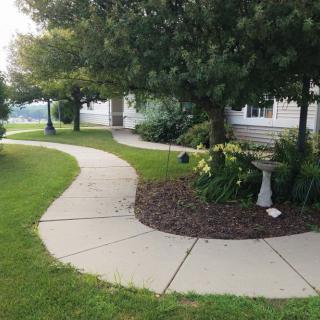


 Managing Nursing Home Expenses After Medicare Coverage Ends
 Is a Geriatric Care Manager the Right Choice for Your Family?
 Compassionate Conversations: How to Comfort Someone Who Is Grieving