





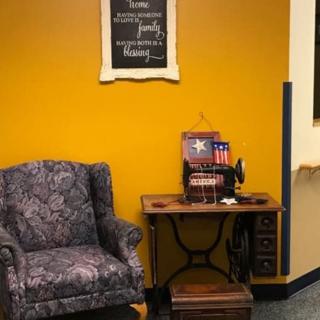
200 East Char Mac Drive, Lawton, IA 51030
For more information about senior living options: (866) 208-4318
Lawton Senior Living Costs & Pricing
Lawton Senior Living presents a pricing structure that reflects its commitment to quality care and service, though it stands at a premium compared to the surrounding region. For a studio apartment, residents can expect to pay $4,800 per month, which is significantly higher than the average costs in Woodbury County at $3,084 and the broader Iowa state average of $3,613. Similarly, the one-bedroom option is priced at $5,500, surpassing both Woodbury County's rate of $2,910 and the statewide figure of $2,862. While these costs may be above average for the area, they likely encompass enhanced amenities and services tailored to meet the needs of seniors seeking a supportive living environment.
| Floor plans | Lawton Senior Living | Woodbury County | Iowa |
|---|---|---|---|
| Studio | $4,800 | $3,084 | $3,609 |
| 1 Bedroom | $5,500 | $2,910 | $2,863 |
Overall Review of Lawton Senior Living
Pros
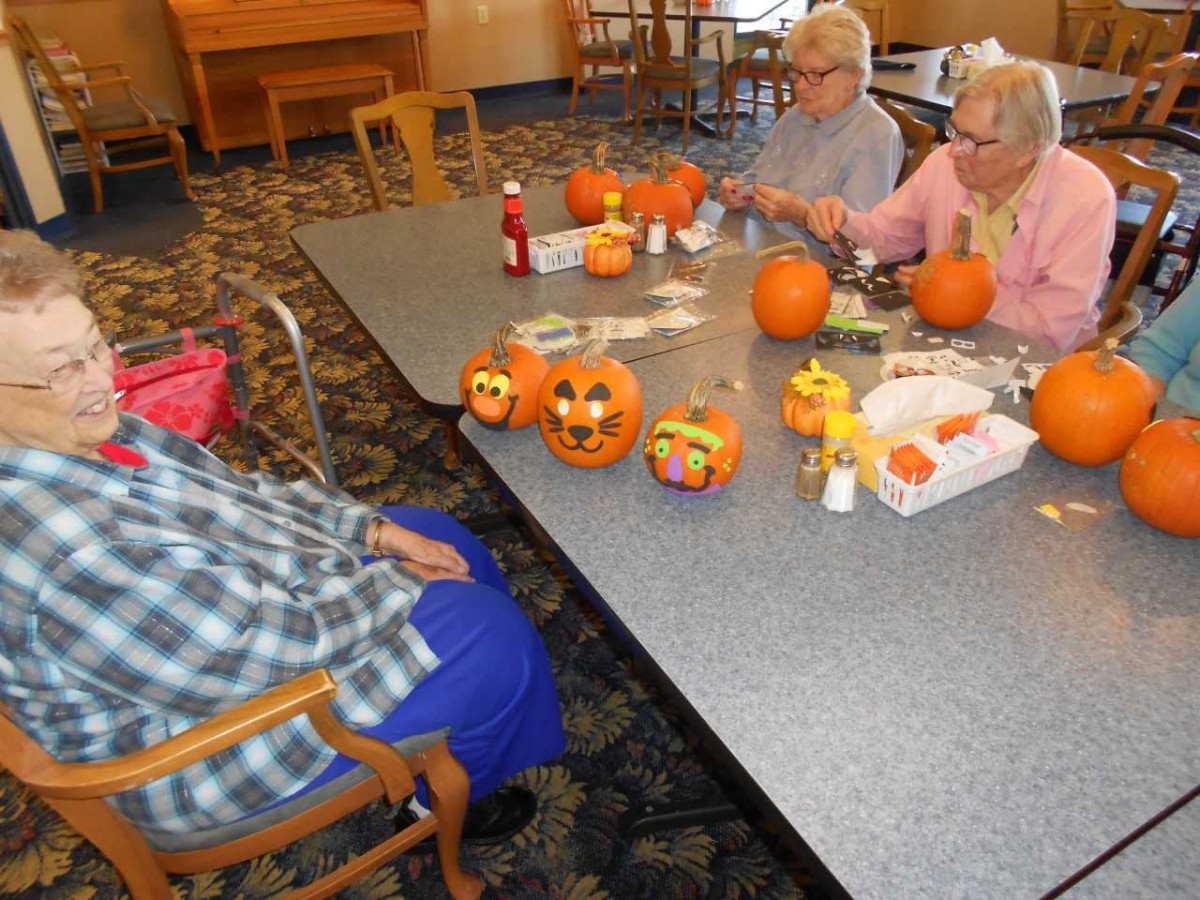
 The mom had a spacious room and enjoyed the activities.
- Residents could do their own laundry, a unique feature.
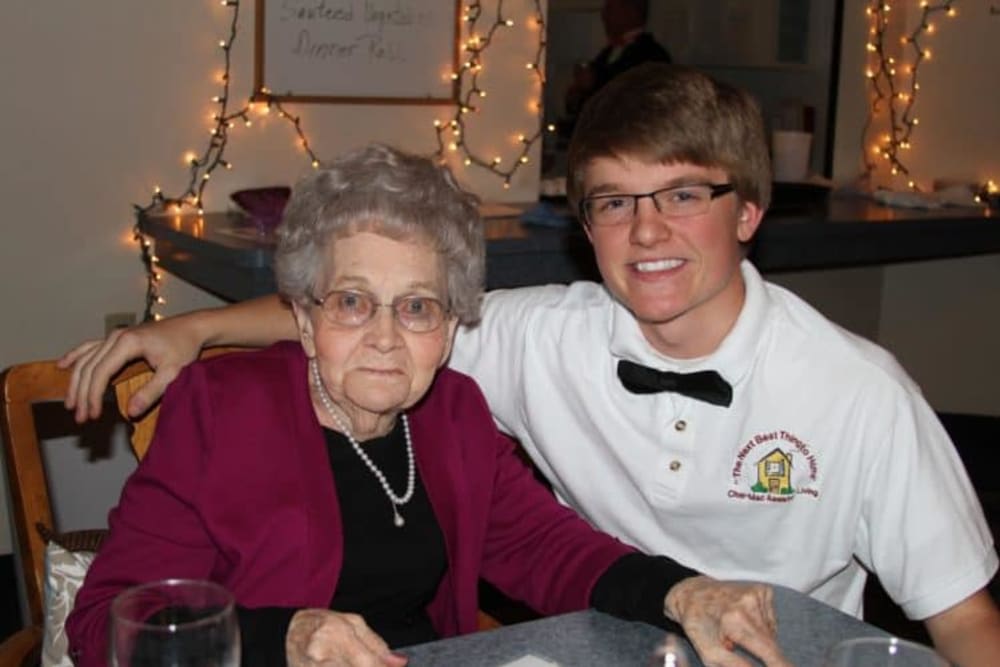
- Interactions with staff have been wonderful.
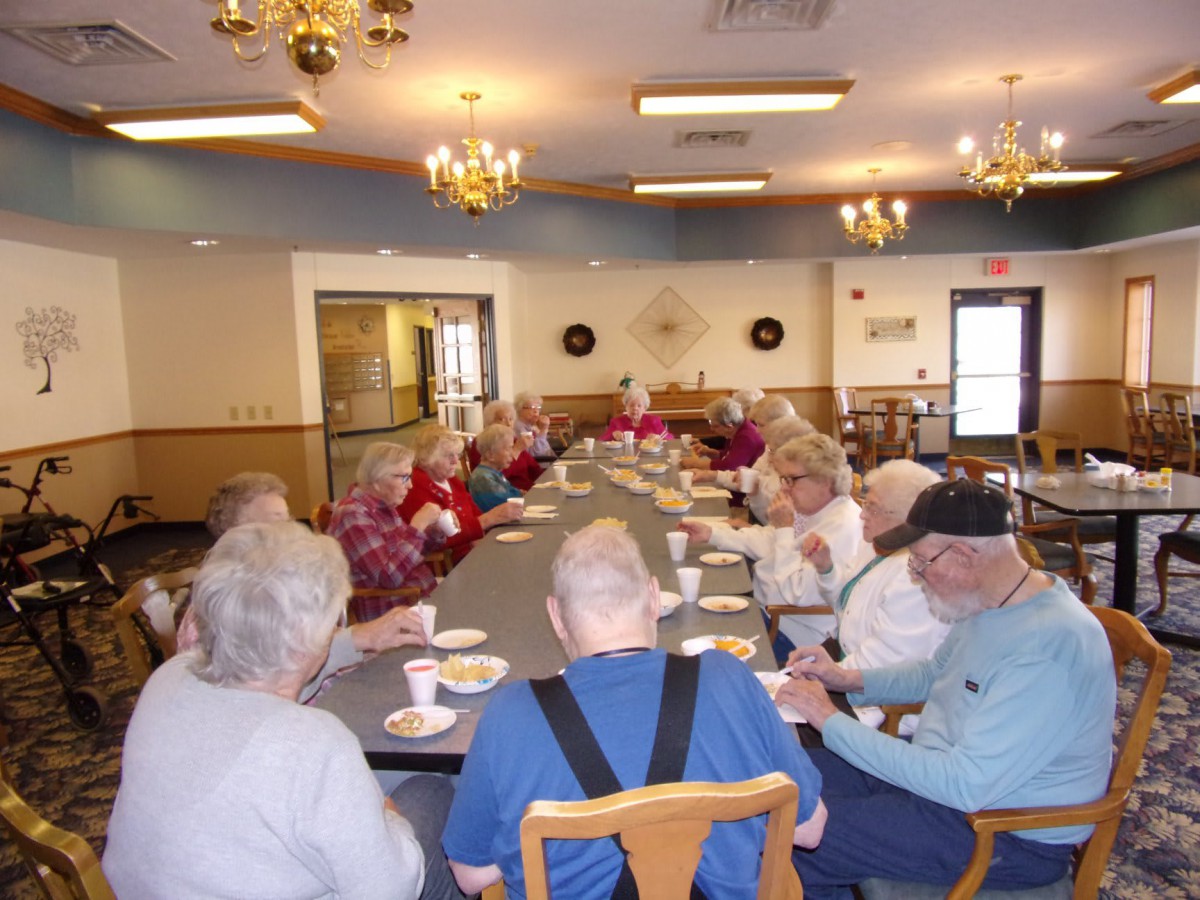
- The food was tasty and well prepared.
- Residents were treated very well, and the facility comes highly recommended.
- The care provided was compassionate and a blessing to the care center.
- The tenants and staff are amazing.
- Char-Mac is a wonderful family-owned business.
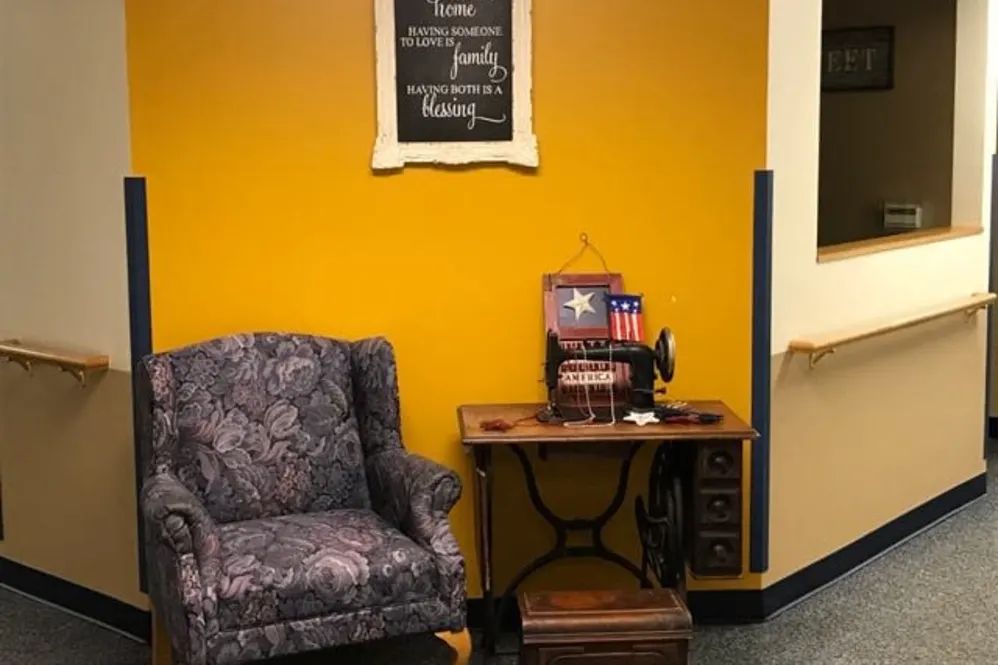
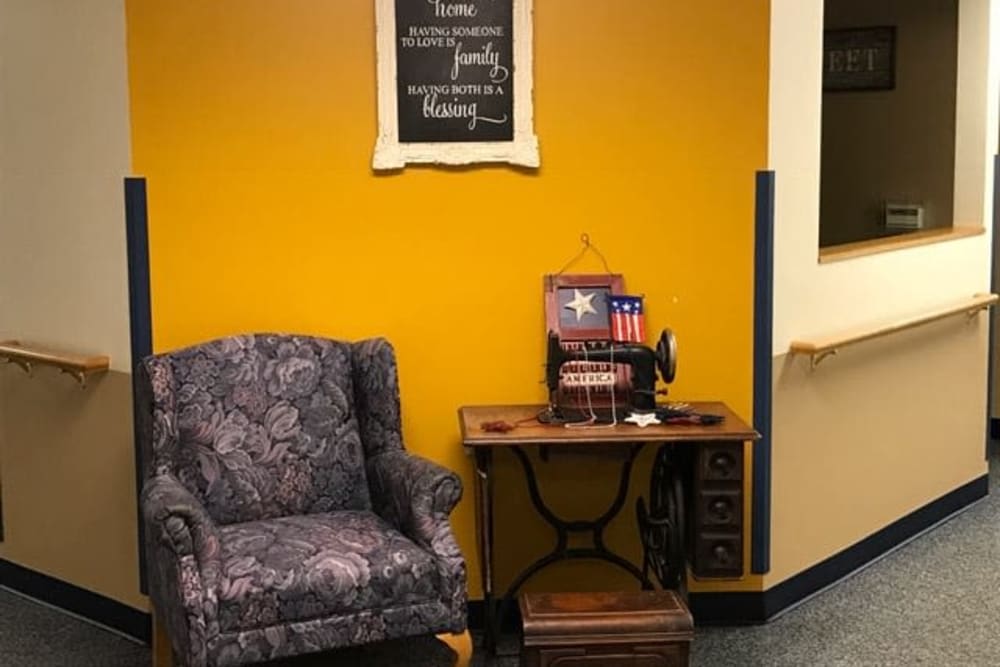
- Char-Mac feels like home; meals are amazing and staff greet tenants by first name.
- Char-Mac is excellent, with a clean facility and friendly staff.
- Char-Mac is warm and inviting, and the staff truly care about clients.
Cons
 The reviewer was not impressed with Lawton Senior Living.
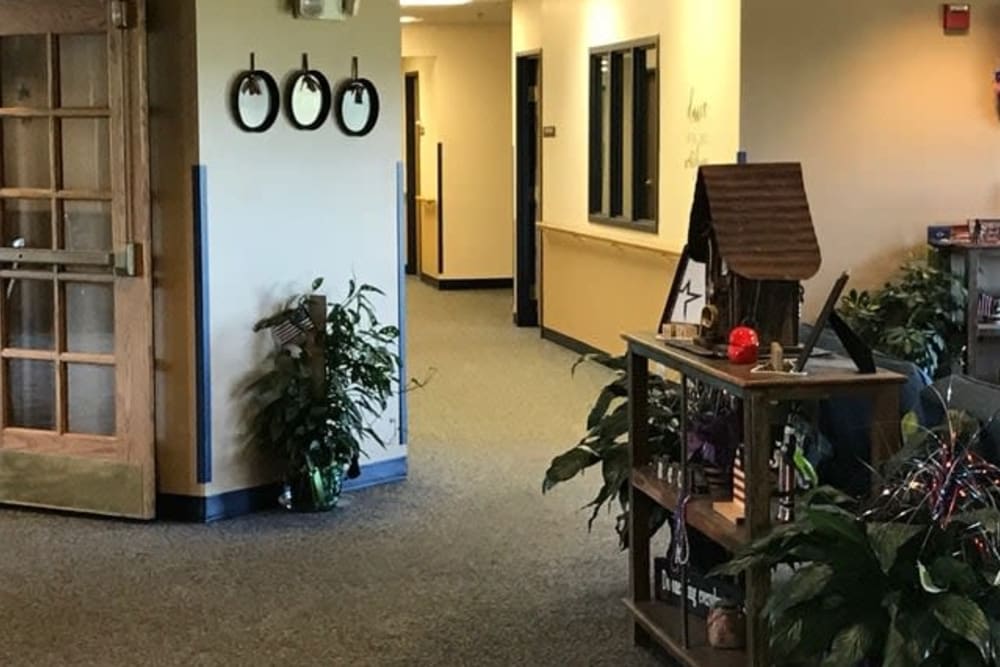
- The reviewer felt it lacked open space and that the staff did not seem as experienced as at the other facility.
- The reviewer would not place their dad in a place where he didn't feel comfortable.
- The reviewer described the facility as a horrible place.
- The reviewer warned that corporate ownership would lead to decline.
- The reviewer noted that the residents looked standoffish and that the facility needed a lot of work.
- The reviewer found the price unaffordable.
Review
This community is best suited for families seeking a warm, home-like assisted living with integrated memory-care support and deeply personal attention. It shines for residents who value a locally owned, non-corporate feel where staff greet families by name, meals are cooked from scratch, and daily life centers on genuine interaction and meaningful activities. It is especially well-suited for seniors who want to stay as independent as possible within a intimate setting, yet appreciate regular staff presence, flexible service options, and a strong sense of community. Those who crave large, expansive common areas, hospital-style routines, or high-volume medical oversight may find the footprint and pace less aligned with their expectations.
The strongest positives are the human elements: consistently caring staff, a sense of safety and belonging, and robust social programming. Families repeatedly note that caregivers treat residents with respect and dignity, and that the atmosphere feels like a close-knit, small-town home rather than a sterile institution. Home-style meals and ongoing opportunities for activities, trips, games, and varied events, contribute to daily life that feels personal rather than procedural. The facility’s memory-care components are delivered within the assisted-living framework, which helps minimize transitions for residents who need cognitive support while avoiding multiple moves. For families prioritizing warmth, staff familiarity, and a personable, adaptable care plan, these strengths carry substantial weight.
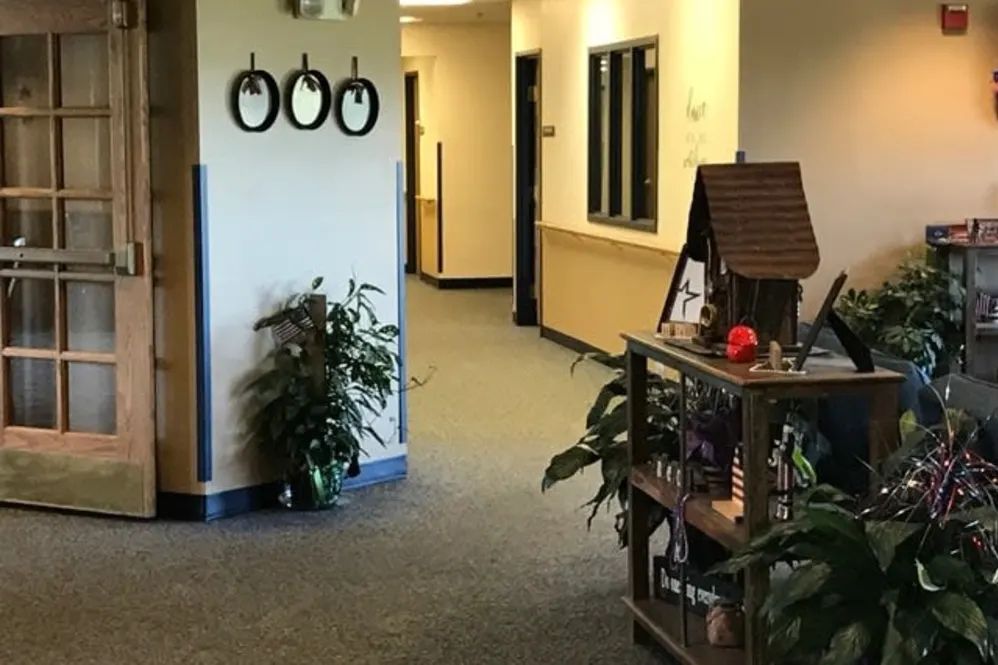
However, several notable drawbacks warrant careful consideration. The footprint and open-space offering are described as limited, with some visitors feeling the layout constrains activity flow and social interaction. Staffing experience, while praised in many encounters, is not uniformly highlighted across reviews, leaving some families uneasy about consistency during shifts or during peak hours. Pricing can also be a concern, with impressions of value varying by family and need; the absence of universal affordability means some households may struggle to budget for ongoing care. A handful of reviews reflect frustration or disappointment, including warnings about corporate ownership changes and questions about whether the operation will maintain the same local, family-focused character over time. For prospective residents who require broad, hospital-like medical infrastructure or rapid expansion in services, these factors may tilt the balance toward alternatives.
The pros offset the cons most effectively when the priority is a small, neighborly environment with steady personal attention. The intimate setting tends to foster trust between residents and caregivers, which in turn supports regular participation in activities and consistent daily routines. Integrated memory-care supports meaningful engagement without forcing abrupt transitions to a separate unit, a plus for families seeking continuity. The quality of meals and the personal, front-line interactions can make a meaningful difference in mood and satisfaction, especially for residents who thrive on structured, varied days and predictable staff thank-yous. When cost is manageable within a customized care plan, the value proposition strengthens, particularly for those who appreciate transparent, flexible service options that reflect actual needs rather than a one-size-fits-all package.
Who should consider alternatives? Families needing immediate, highly-structured nursing oversight, or those prioritizing expansive physical space and a broader array of on-site medical services, may be better served elsewhere. If the primary decision driver is a large, polished campus with abundant common areas, or if concerns about fluctuating staffing or ownership stability undermine confidence, exploring other options is advisable. Likewise, communities with more predictable pricing and robust corporate backing may appeal to families seeking a transparent, standardized model with potentially fewer sudden policy shifts.
In making a final decision, approach this community as a strong option for those who prize personalization, warmth, and a home-like rhythm of life, with a willingness to trade off some square footage and formal medical breadth. Visit multiple times, engage with residents and their families, and ask concrete questions about staffing ratios, activity calendars, and the exact scope of memory-care services. Review fee structures carefully to understand what is included versus add-ons, and explore ownership history and ongoing governance plans to gauge long-term consistency. If alignment is evident on personal connection, daily life, and value delivered for the care level needed, this community stands out as a compelling choice for families intent on preserving dignity, comfort, and a sense of belonging for their loved one.
 50 resident community capacity
 1-bedroom apartments
 Assisted Living
 Memory Care
 Cats allowed
 Dogs allowed
 Activities on-site
 Air-conditioning
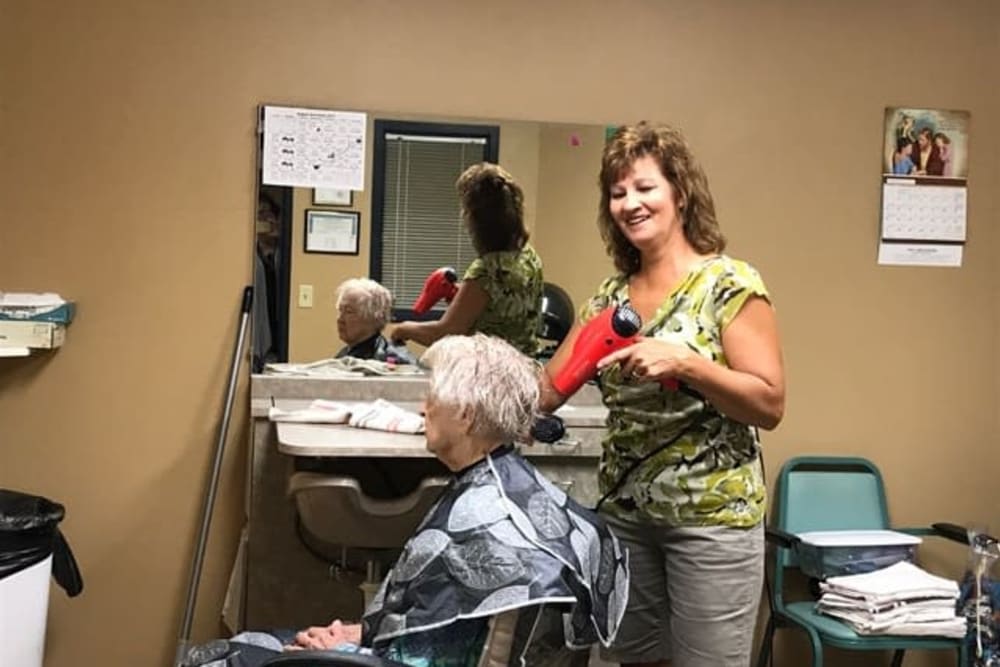
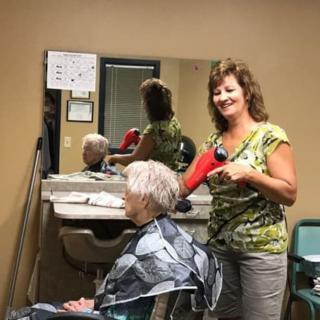
 Beautician on-site
 Cable or satellite TV
 Devotional services off-site
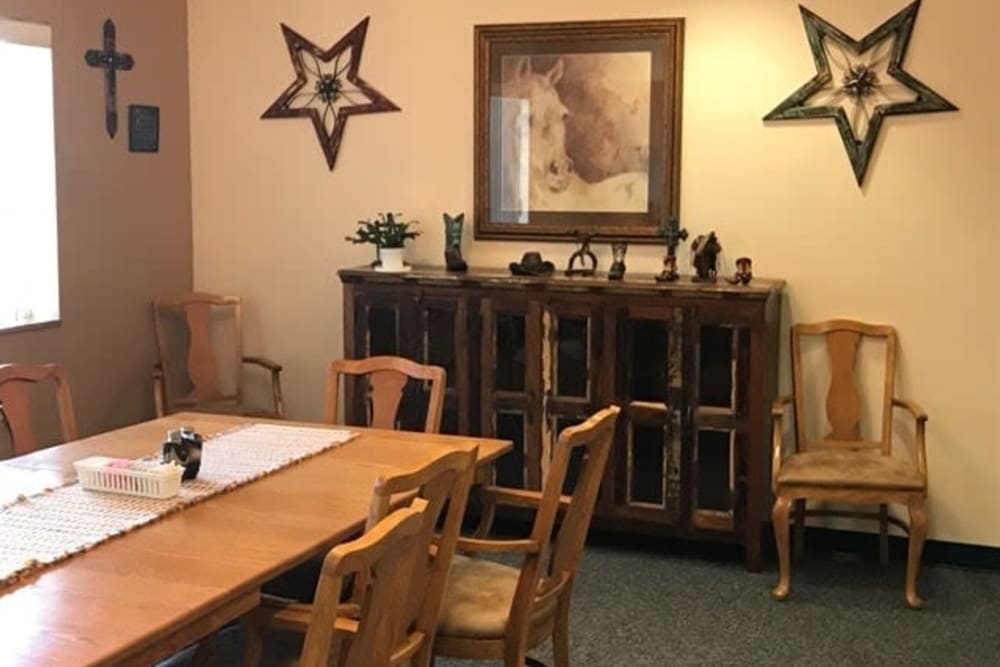
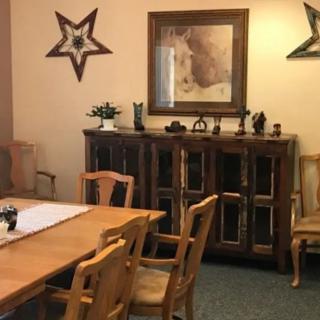
 Dining room
 Fully furnished
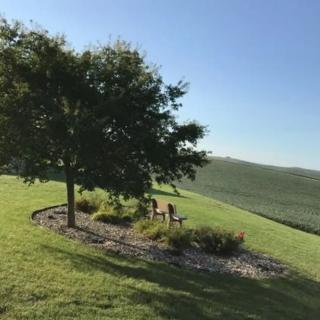
 Garden
 Ground floor units
 Handicap accessible
 Housekeeping services
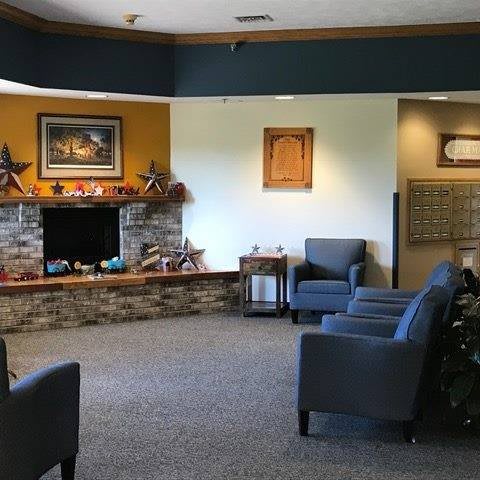
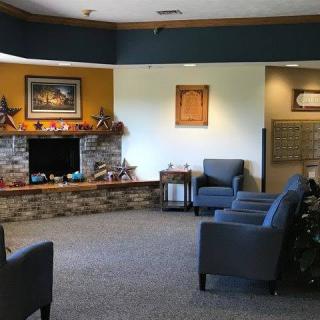
 Indoor common areas
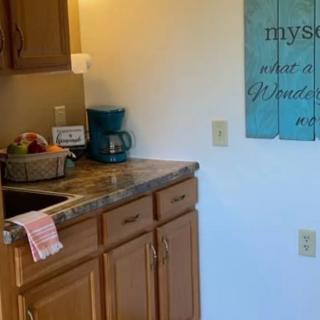
 Kitchenette
 Move-in coordination
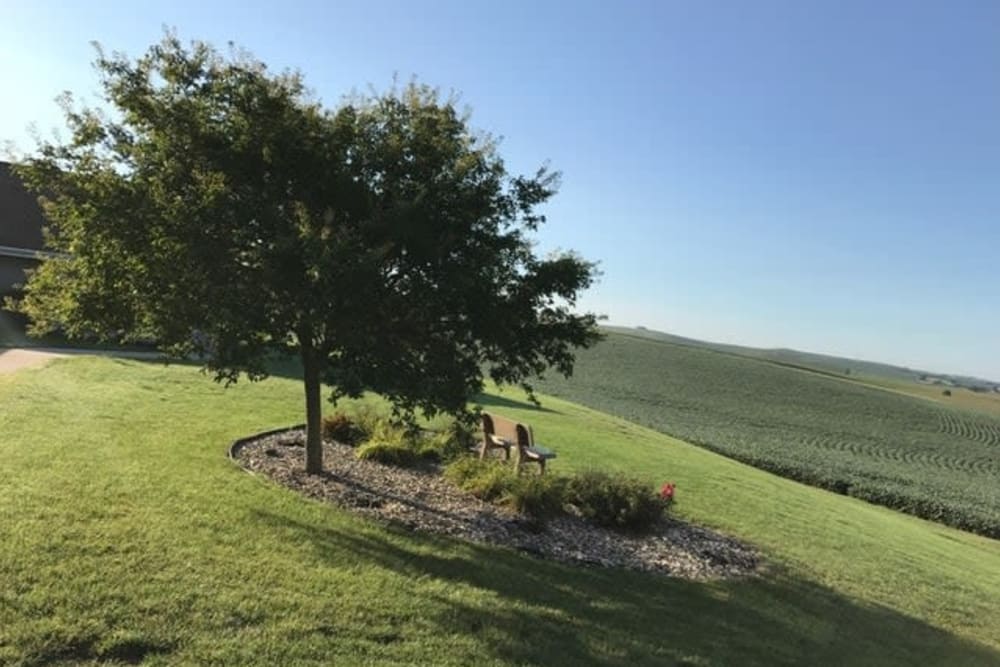
 Outdoor space
 Private bathrooms
 Respite or short term stays offered
 Restaurant-style dining
 Small library
 Telephone
 Wheelchair accessible showers
 Wi-Fi/high-speed internet available
 Sioux Gateway (11 miles away)
 24-hour call system
 Ambulatory care
 Assistance with bathing
 Assistance with dressing
 Assistance with transfers
 Diabetes diet
 Diabetic care
 High acuity care
 Medication management
 Mental wellness program
 Special dietary restrictions
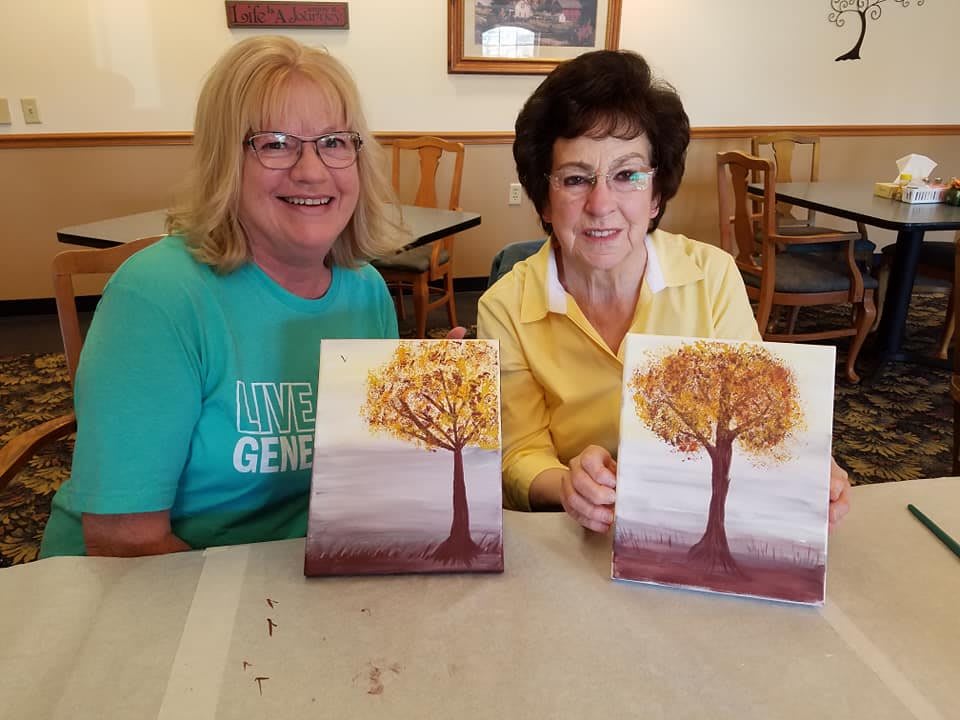
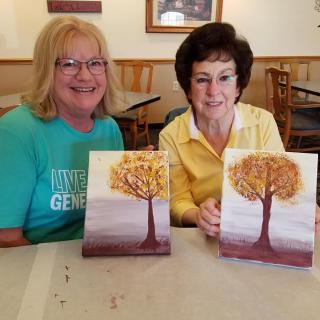
 Art classes
 Brain fitness
 Educational speakers / life long learning
 Happy hour
 Live dance or theater performances
 Live musical performances
 Live well programs
 Trivia games
 Exploring the Power of Reminiscence Therapy for Individuals With Dementia
 An In-Depth Look at Reminiscence Therapy in Dementia Care
 Dementia-Related Hallucinations: Causes, Experiences, and Practical Approaches