Bickford of Iowa City offers a variety of room types at competitive rates that reflect the quality of care and comfort provided. The monthly cost for a studio at Bickford is $3,498, which is higher than the average in Johnson County at $2,838 but remains slightly lower than the state average of $3,613. For those considering a one-bedroom option, Bickford's rate of $4,258 stands in stark contrast to both the county and state averages: Johnson County residents can expect to pay around $2,698, while statewide averages are more modest at $2,862. These figures suggest that while Bickford may be positioned as a premium choice within Iowa City, it also encompasses a range of services and amenities designed to enhance residents' well-being.
Floor plans
Bickford of Iowa City
Johnson County
Iowa
Studio
$3,498
$2,838
$3,609
1 Bedroom
$4,258
$2,698
$2,863
Overall Review of Bickford of Iowa City
common45 reviews mention this
Staff feels attentive and caring
Residents describe staff who stay engaged, communicate proactively, and provide hands-on support.
Across many reviews, residents and families describe staff as caring and attentive, with management that takes concerns seriously. Multiple reviewers specifically mention how staff check in, notify families when something seems off, and help residents stay involved. Several comments also point to staff being friendly and knowledgeable, including during tours and day-to-day care.
differentiator10 reviews mention this
Home-like, smaller community feel
The community is frequently described as home-like and easier to navigate due to its smaller layout.
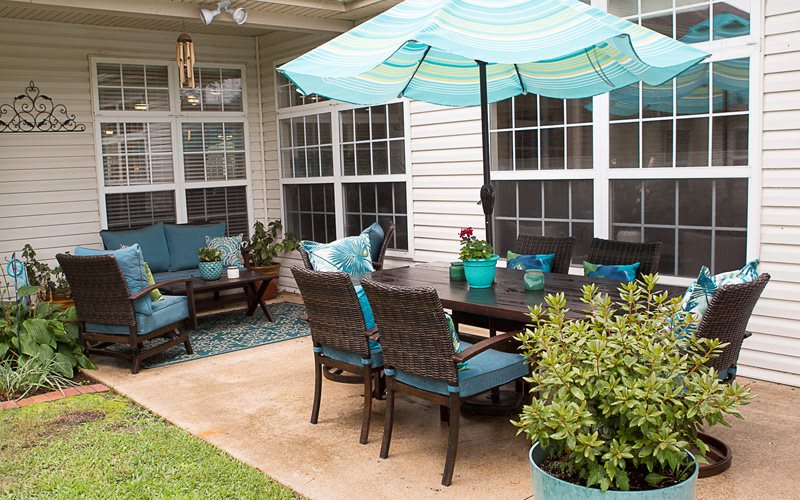
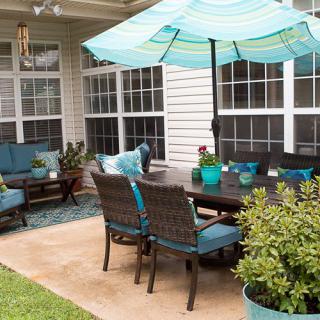
Many reviewers use language like home-like, cozy, and comfortable when describing the day-to-day feel. Families also mention the setting is smaller and easy to get around, with some describing how it supports more personal relationships. A few comments mention the enclosed outdoor courtyard/grounds, reinforcing the sense of comfort for residents.
common15 reviews mention this
Activities are a consistent focus
Residents and families consistently describe an active schedule with group events and entertainment.
Reviews frequently call out activities as a bright spot, including daily engagement and community events. Families mention residents making friends and staying busy, with activities that can include performances, games, and outings. Some reviewers also describe special touches like visiting entertainers and therapy animal experiences.
common13 reviews mention this
Dining quality and accommodations vary
Meals are often praised, and the community also offers menu-style ordering and diet accommodations.
Several reviews describe the dining experience positively, including meals that look and smell good, restaurant-style ordering, and attention to dietary needs like gluten-free. Others note the food is fine or good, but suggest wanting more variety. One review also raises concerns about encouragement to eat, tying dining to overall well-being for a resident with dementia.
caveat2 reviews mention this
Memory care support is questioned
Some reviewers question how well dementia-related needs are supported.
A couple of reviews describe challenges with dementia care, including residents who wander and staff being perceived as untrained for those situations. Another comment describes difficulty related to meals and encouragement to eat for a resident in varying stages of dementia. These concerns appear alongside generally positive remarks about caregiving, but they stand out as specific memory-care-related issues.
caveat2 reviews mention this
Pricing feels higher for some
Some reviews frame the community as more expensive than alternatives.
At least one reviewer explicitly notes it is more expensive than other options, while another family shares that they chose the community partly because it was more affordable than some places they looked at. Either way, pricing shows up as a decision factor in reviews. The listing’s price range also sits around the mid-$3,000s to mid-$4,000s depending on unit type.
How we summarize
Counts show how many written reviews mention each theme; a review can touch several themes, and only frequently mentioned themes are displayed.
Features
Housing
Studio apartments
Types of Care
Assisted Living
Skilled Nursing Facility
Pets
Cats allowed
Dogs allowed
Amenities
Activities off-site
Activities on-site
Beautician on-site
Cable or satellite TV
Devotional services on-site
Dining room
Financing advice
Garden
Guasts at mealtime
Guest parking
Home sale assistance
Housekeeping services
Indoor common areas
Kitchenette
Laundry
Outdoor common areas
Overnight guests
Party space
Resident parking
Respite or short term stays offered
Spa
TV room
VA Benefits Consultation
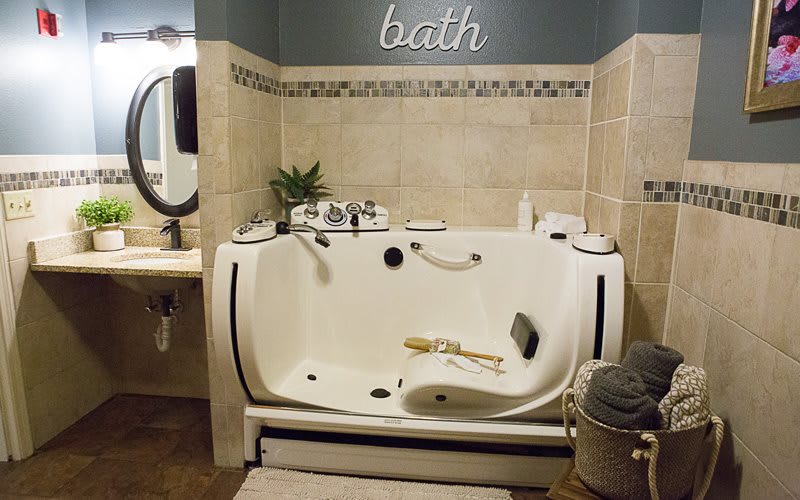
Wheelchair accessible showers
Transportation
Eastern Iowa (19 miles away)
Transportation & parking
Care Services
Ambulatory care
Diabetic care
Incontinence care
Medication management
Dining
Diabetes diet
Low / no sodium
Meals provided
Room service
Vegetarian
Activities
Activities off-site
Activities on-site
Arts and crafts
Devotional activities on-site
Fitness programs
Games
Live musical performances
Religious services
Stories
Languages Spoken
English
Nearby Places of Interest
This part of Iowa City, Iowa, offers a diverse range of amenities that cater to a comfortable and convenient lifestyle for seniors. With a variety of restaurants, cafes, and pharmacies within close proximity, residents have easy access to dining options and healthcare services. The presence of reputable physicians and hospitals nearby provides quality medical care for any health needs. Additionally, the abundance of parks and recreational areas offer opportunities for outdoor activities and relaxation. The area also boasts convenient transportation options with the Iowa City Municipal Airport just a short distance away. Overall, this neighborhood provides a well-rounded environment for seniors to enjoy their retirement years in a vibrant community.
Restaurants
BlackStone (0.1 miles)
Short's Burgers Eastside (0.2 miles)
Wildwood Smokehouse & Saloon (1.6 miles)
Los Agaves Mexican Grill (1.7 miles)
Jimmy John's (1.9 miles)
2 Dogs Pub (1.9 miles)
Deluxe Cakes & Pastries (2.2 miles)
Physicians
Ui Health Care (0.2 miles)
Peak Performance Chiropractic (0.4 miles)
Iowa City Dermatology (1 miles)
U of I Family Care (1.2 miles)
Southeast UIHC (1.2 miles)
University of Iowa Family Care Southeast (1.2 miles)
Health Options Iowa (1.3 miles)
Pharmacies
Pharmacy Matters (0.5 miles)
Drug Town (1 miles)
Hy-Vee Pharmacy (1.4 miles)
CVS Pharmacy (1.4 miles)
Pharmacy Matters Ltc (1.5 miles)
Walgreens (1.5 miles)
Quality Associates (2.4 miles)
Parks
Scott Park (0.8 miles)
Creekside Park (1.7 miles)
Weatherby Park (2.8 miles)
Riverfront Crossings Park (2.9 miles)
Lower City Park (3.2 miles)
Thornberry Off Leash Dog Park (3.7 miles)
Terry Trueblood Recreation Area (3.8 miles)
Hospitals
Iowa City Family Practice Clinic (1.1 miles)
Mercy Services Iowa City (2.4 miles)
Mercy Hospital (2.4 miles)
PICU University Of Iowa Childrens Hospital (3.4 miles)
4JPEast (3.4 miles)
University Of Iowa Hospital Neurosurgery Department (3.4 miles)
Bickford of Iowa City offers a variety of room types at competitive rates that reflect the quality of care and comfort provided. The monthly cost for a studio at Bickford is $3,498, which is higher than the average in Johnson County at $2,838 but remains slightly lower than the state average of $3,613. For those considering a one-bedroom option, Bickford's rate of $4,258 stands in stark contrast to both the county and state averages: Johnson County residents can expect to pay around $2,698, while statewide averages are more modest at $2,862. These figures suggest that while Bickford may be positioned as a premium choice within Iowa City, it also encompasses a range of services and amenities designed to enhance residents' well-being.
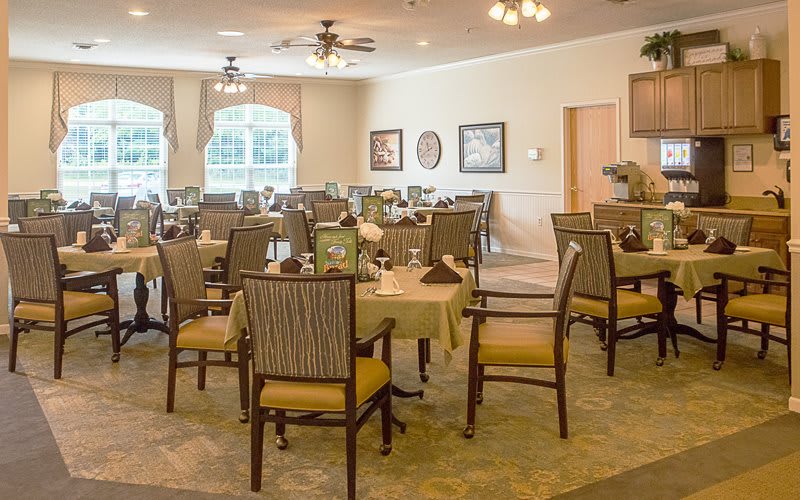
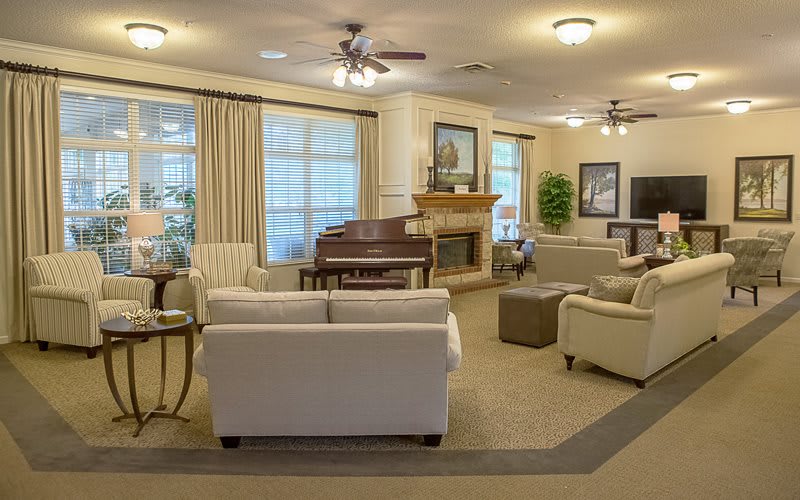
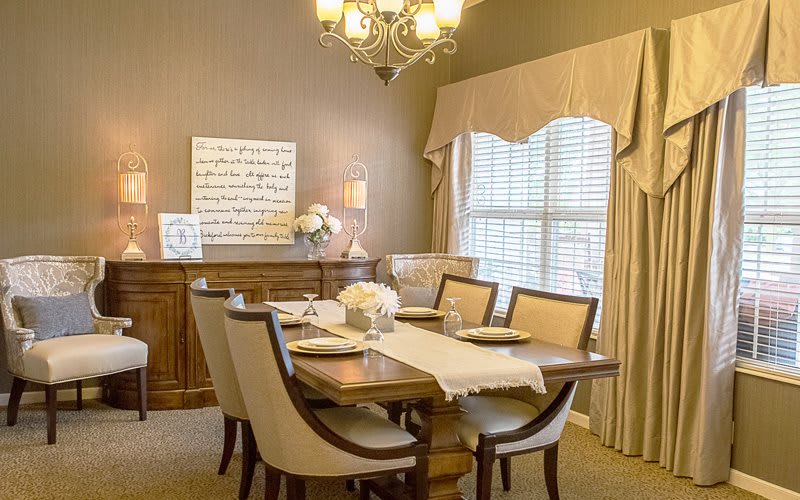
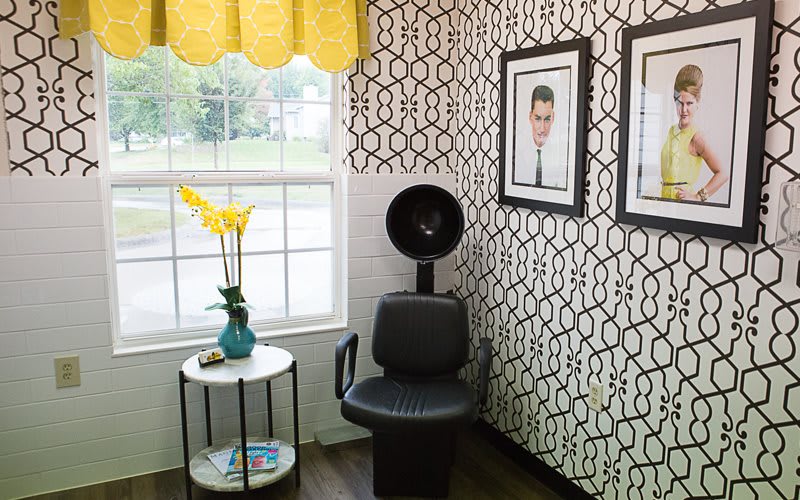
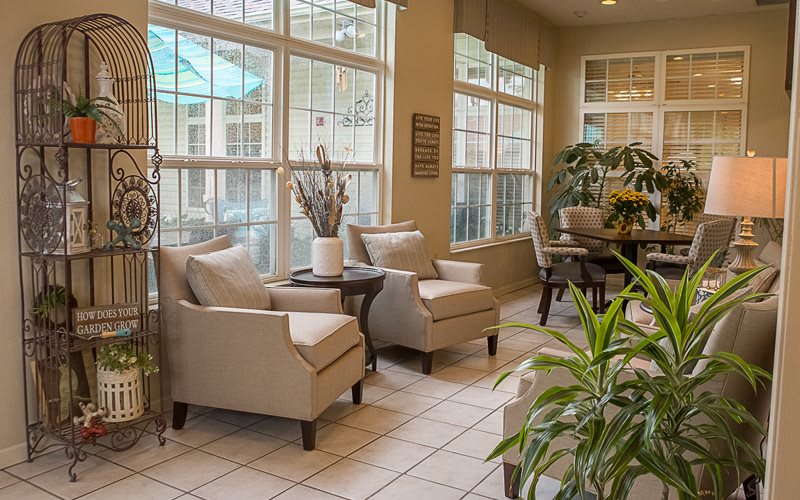
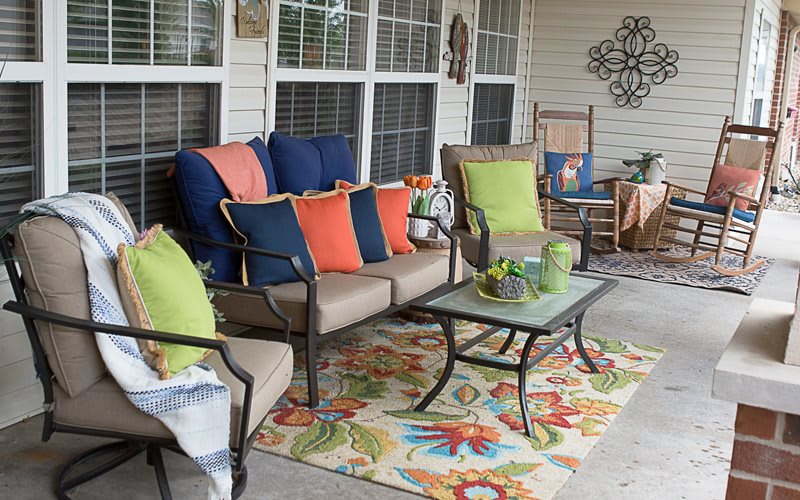
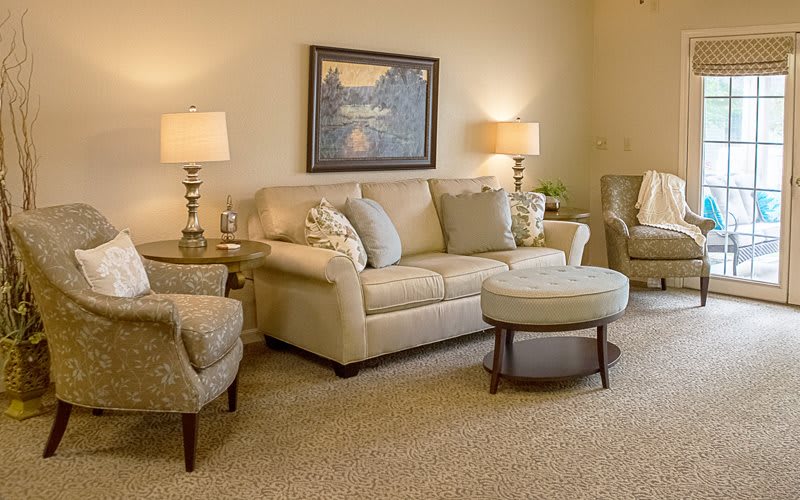
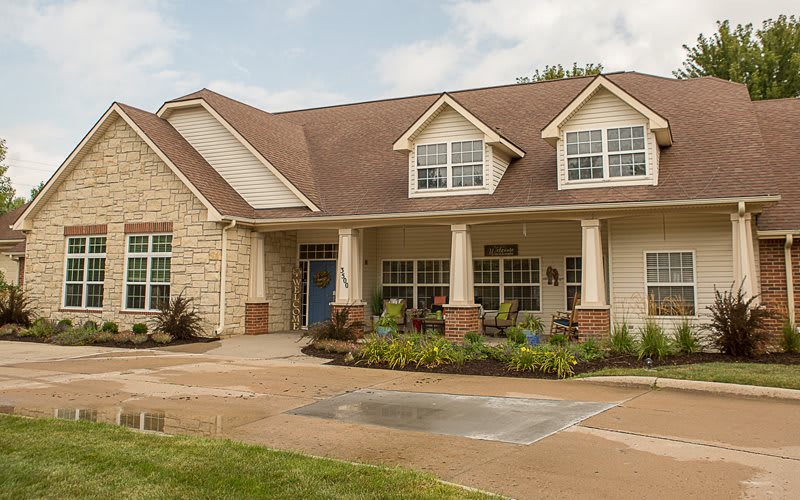
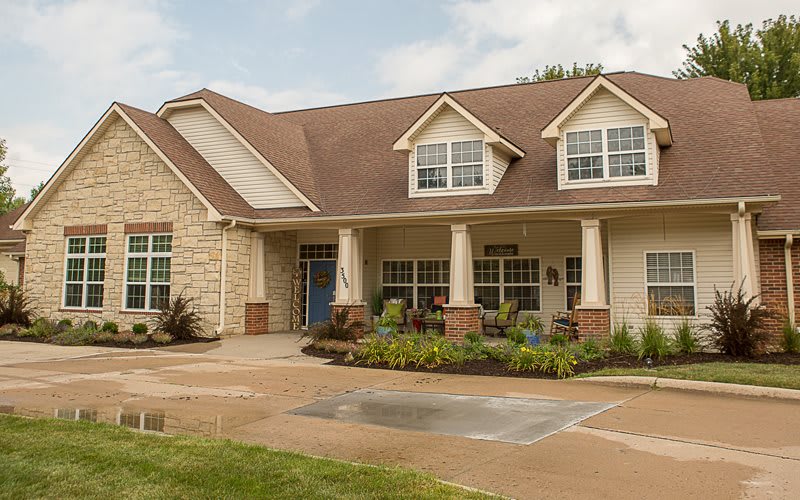
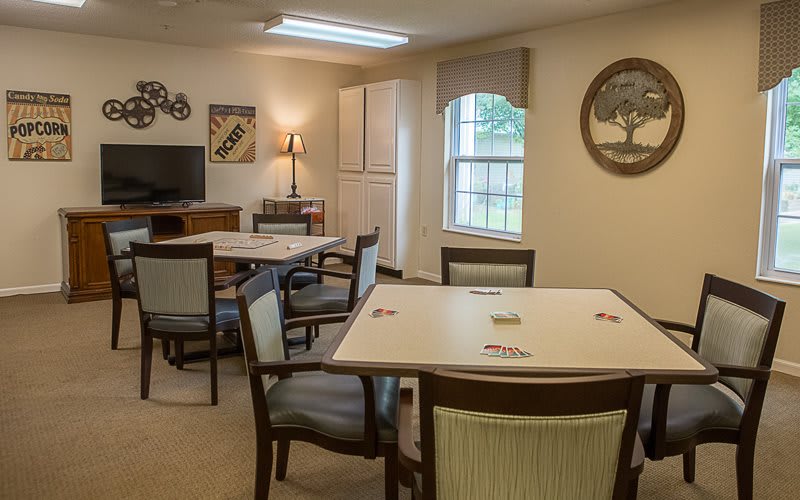
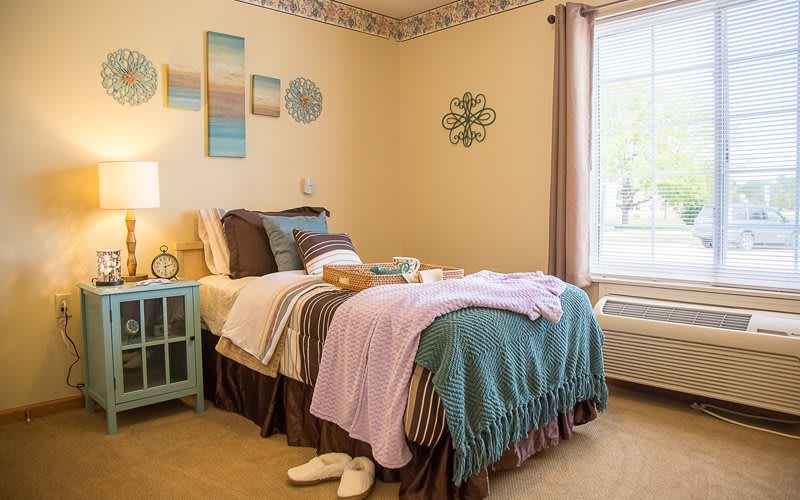
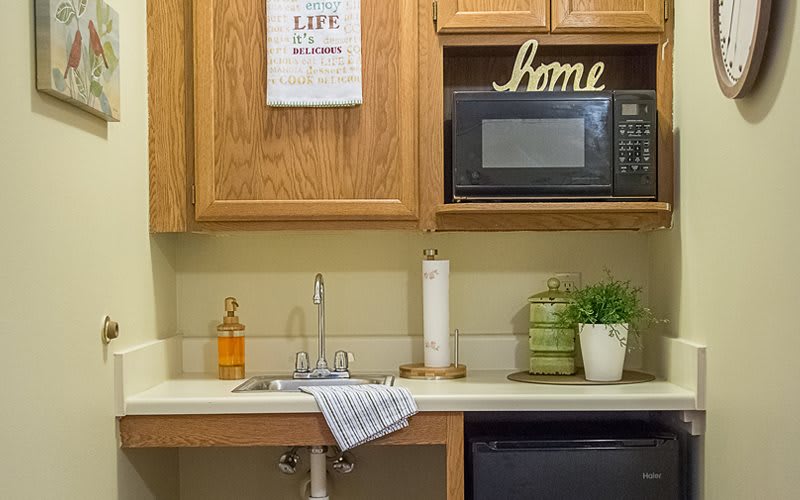
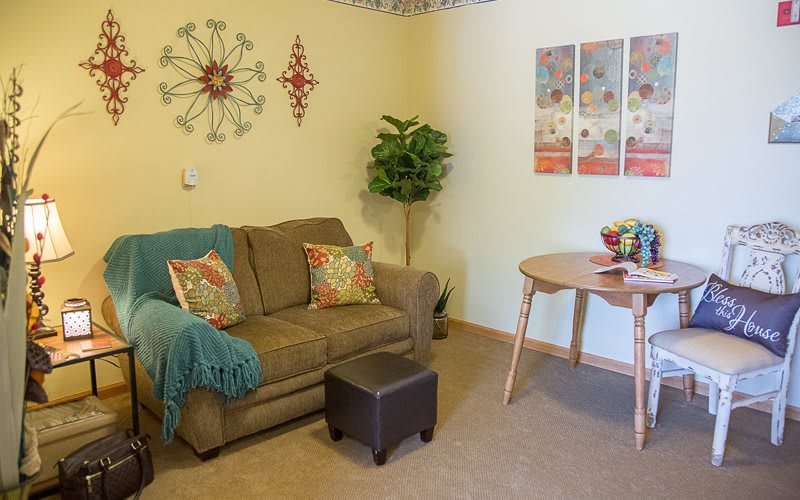
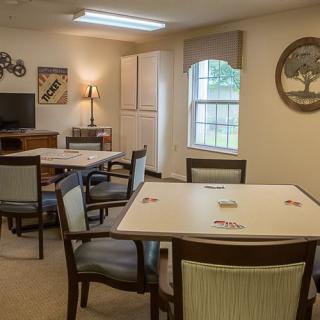
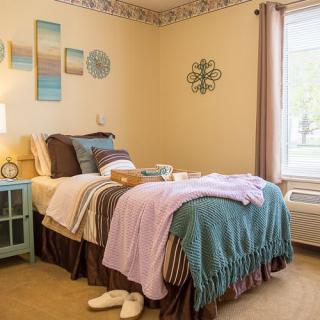
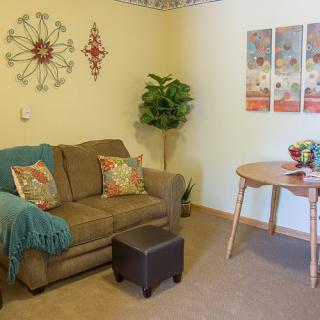
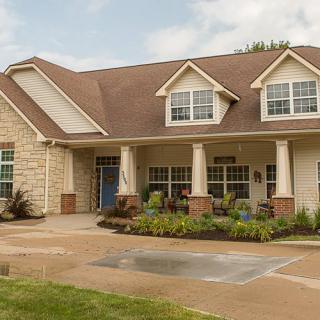
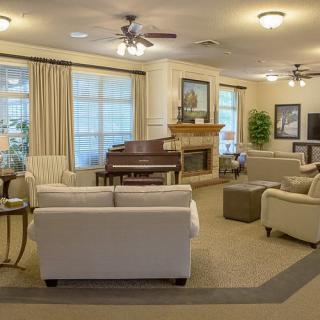
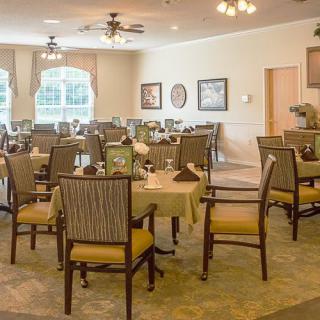
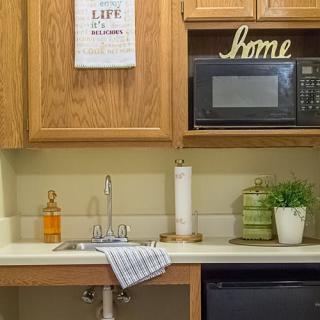
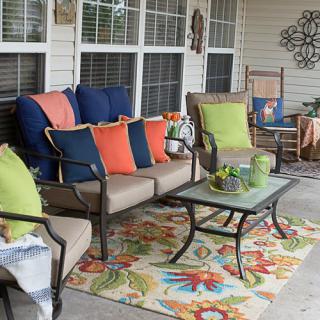
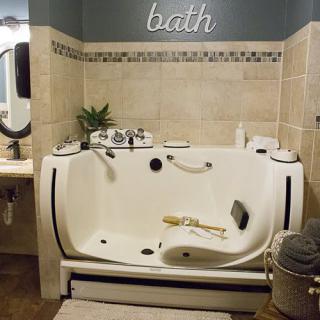
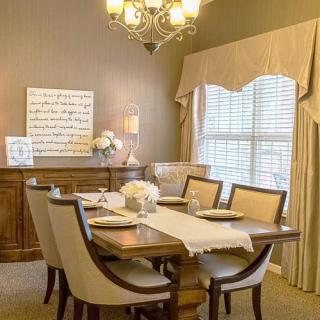
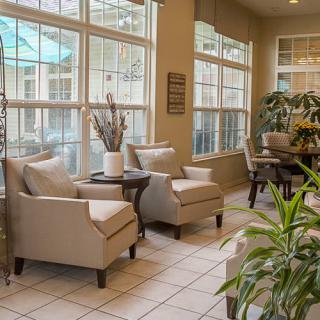
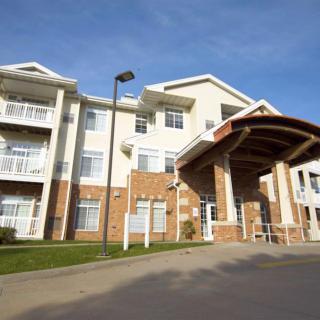
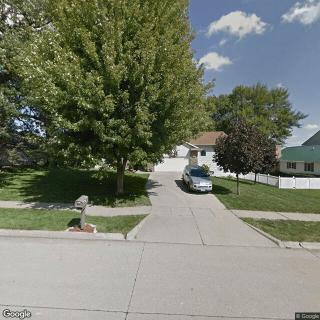
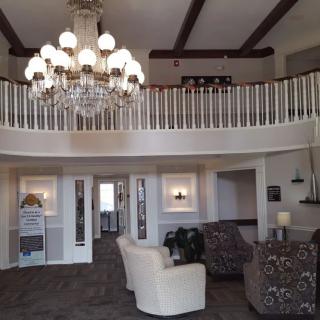
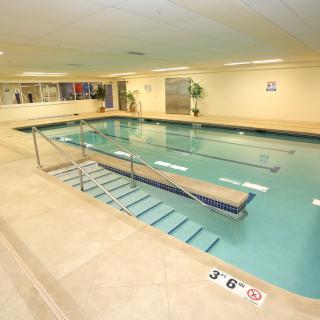
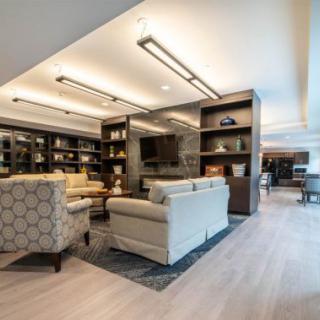
Bickford of Iowa City on seniors.fyi includes 16 photos including images showing decor, interior, windows, living room, dining, landscaping, wall art, indoor plants, and more.
Nearby Communities
Iowa City Rehab & Health Care
Iowa City, IA
2.2 from 34 reviews
$2,345 to $5,565 / month
Potential safety and cleanliness improvements; supportive resident community.
Regency Heights
Iowa City, IA
4.2 from 16 reviews
$699 to $850 / month
Friendly community with attentive staff, convenient in-unit laundry, and pleasant views.
Iowa City Rehab-Health Care
Iowa City, IA
2.2 from 34 reviews
Specialized diabetic care with engaging activities and indoor common areas.
Legacy Pointe
Iowa City, IA
4.9 from 166 reviews
$2,750 to $3,900 / month
Warm, attentive staff in a clean, activity-rich community.
Legacy Gardens
Iowa City, IA
3.5 from 11 reviews
24/7 staff with specialized memory-care programming.
Nurse Next Door - Iowa City, IA
Iowa City, IA
3 from 1 review
Convenient location with access to dining, parks, healthcare, worship, and entertainment.
Brown Deer Place
Coralville, IA
4.4 from 97 reviews
$3,300 to $4,600 / month
Caring staff and an engaging, inclusive social community with multiple care options (independent, assisted, memory care).
Melrose Meadows Retirement Community
Iowa City, IA
4.7 from 15 reviews
$2,300 to $3,200 / month
Bright, pleasant environment with a standout pool, quality dining, and helpful staff.
Stirlingshire
Coralville, IA
4.9 from 137 reviews
$3,380 to $4,470 / month
Beautiful, clean facility with spacious apartments, friendly staff, and engaging activities.
Transitioning from assisted living to memory care is driven by an individual's cognitive decline and specific needs, requiring careful evaluation of indicators like increased confusion and wandering. The process involves consulting medical professionals, researching suitable communities, considering financial and legal aspects, and ensuring effective communication for personalized care plans.
Assisted living provides moderate support for seniors seeking independence, while memory care offers specialized support for individuals with dementia or cognitive impairments through structured routines and trained staff. Key differences include care approaches, environment security measures, staff training levels, activity types, and cost considerations.
Assisted living communities offer diverse activities beyond traditional games to enhance seniors' physical health, cognitive well-being, emotional enrichment, and social connections, including fitness classes, creative expression, and intergenerational interactions. These enriching programs foster community bonds and support residents' independence and happiness.
Get PricingAsk A QuestionSchedule A TourContact Senior Advisor
By clicking submit, you agree to our Partner's Terms of Use. You
also consent to receive calls and texts, which may be autodialed, from our Partner. Your consent is not a condition to
using our Partner's service. Please visit our Partner's Privacy Policy for information about their privacy practices.




 Studio apartments
 Assisted Living
 Skilled Nursing Facility
 Cats allowed
 Dogs allowed
 Activities off-site
 Beautician on-site
 Cable or satellite TV
 Devotional services on-site
 Dining room
 Financing advice
 Garden
 Guest parking
 Housekeeping services
 Indoor common areas
 Kitchenette
 Laundry
 Outdoor common areas
 Overnight guests
 Party space
 Respite or short term stays offered
 Spa
Spa Wheelchair accessible showers
 Eastern Iowa (19 miles away)
 Transportation & parking
 Ambulatory care
 Diabetic care
 Incontinence care
 Medication management
 Diabetes diet
 Low / no sodium
 Arts and crafts
 Fitness programs
 Games
Games Live musical performances
 Stories
 English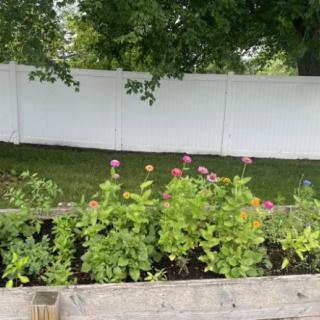
 Potential safety and cleanliness improvements; supportive resident community.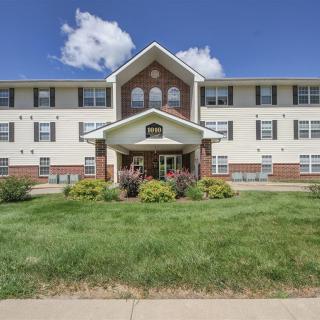

 When to Transition from Assisted Living to Memory Care: Key Indicators, Steps, and Finding the Right Community
 Assisted Living and Memory Care: Understanding Their Core Differences
 Beyond the Bingo Hall: 50+ Enriching Activities for Seniors in Assisted Living