At Bickford of Cedar Falls, the costs for various room types reflect a unique positioning within both Grundy County and the broader state of Iowa. For a studio apartment, residents can expect to pay $3,498 per month, which is notably higher than the county's average of $3,179 but competitive when compared to the state average of $3,613. The pricing for two-bedroom accommodations stands at $3,500, aligning closely with Grundy County's rate of $3,888 while remaining lower than the state average of $3,329. However, it is the one-bedroom unit that presents an interesting contrast; priced at $4,258, it significantly exceeds both county and state averages of $3,186 and $2,862 respectively. This pricing structure indicates that Bickford offers more premium services or amenities not captured in typical regional comparisons.
Floor plans
Bickford of Cedar Falls
Grundy County
Iowa
Studio
$3,498
$3,179
$3,609
2 Bedrooms
$3,500
$3,888
$3,329
1 Bedroom
$4,258
$3,186
$2,863
Skilled Nursing Facilities with a similar price nearby
Staff kindness and responsiveness come through in multiple resident experiences and families’ feedback.
Across the reviews, residents and families describe staff as consistently kind, compassionate, and attentive to changing needs. People also mention staff taking time, learning residents as individuals, and responding to questions and challenges without being rushed. Several caregivers are described as supportive during dementia-related care and difficult transitions, including grief and health changes.
common18 reviews mention this
Home-like spaces and clean upkeep
Residents and families repeatedly mention a clean, home-like feel.
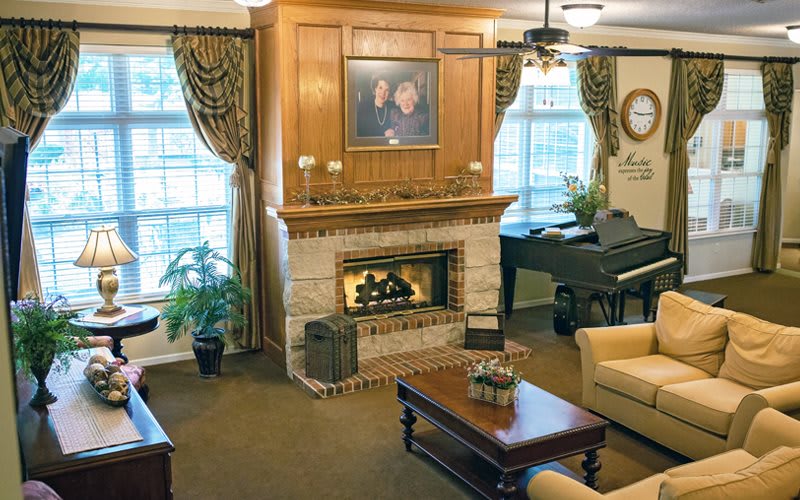
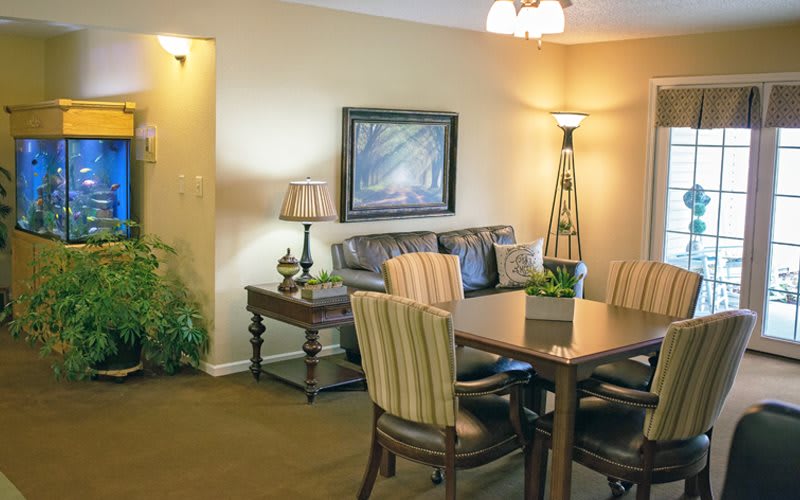
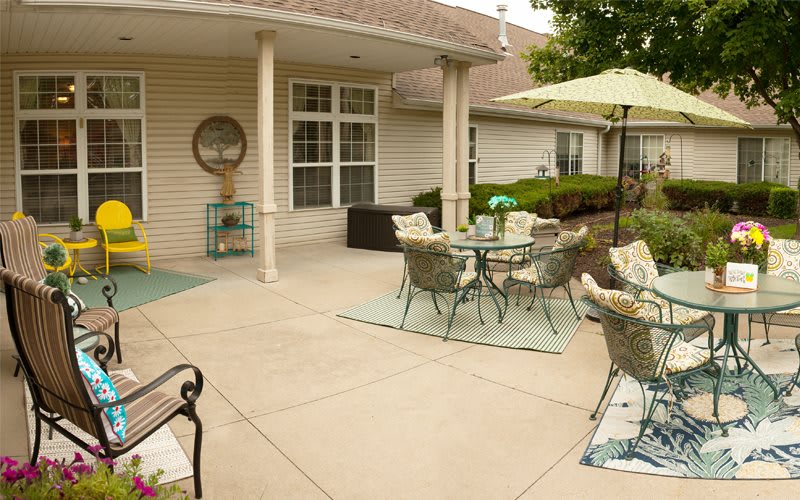
Many reviews emphasize cleanliness and freshness, along with a setting they describe as cozy, inviting, and easy to navigate. Several mention common areas where residents can spend time outside their rooms, along with access to outdoor space such as a courtyard garden. A few reviewers also note minor room upkeep concerns, but overall impressions focus more on cleanliness and comfort than maintenance issues.
common10 reviews mention this
Activities and community life stay active
A steady mix of activities shows up in resident and family accounts.
Reviews describe frequent scheduled activities and a range of options, including music, movies, crafts, games, and physical activities. Families note that even when residents didn’t participate in everything, there were still plenty of choices available. Several also highlight resident interaction and event calendars posted for awareness.
common9 reviews mention this
Dining is described as homemade
Meals are a recurring point of satisfaction, often described as homemade.
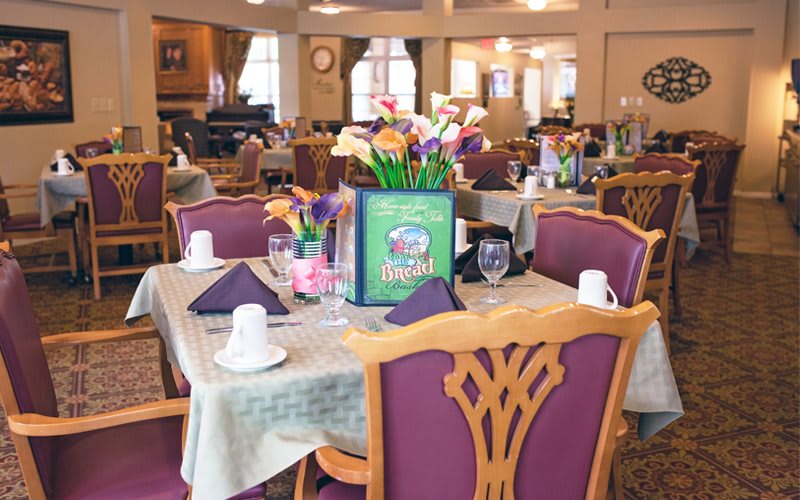
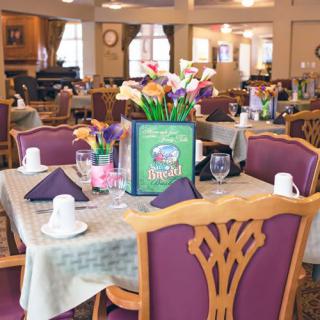
Many reviews mention good meals and attention to residents’ preferences, including that meals are made from scratch. Some families describe dining as restaurant-style or served in a way that keeps residents together and able to socialize. A couple of reviewers flag that dining quality can vary during staffing changes, but most comments stay positive overall.
differentiator4 reviews mention this
Secure access supports dementia care
Reviews describe a secure, locked-down setup intended to reduce wandering for dementia residents.
Residents’ family members describe safety measures that limit unsupervised exits, including secured entry such as fob access and a locked-down environment when needed. One family also mentions alarms on doors and that residents are not restricted to a separate wing, which the family saw as important for comfort and familiarity. These descriptions align with the community’s emphasis on supervision and call-system support in daily care.
caveat2 reviews mention this
Pricing draws criticism for being high
Some families think the cost is too high for the rooms and overall value.
While multiple reviews focus on quality and support, a few mention that pricing felt expensive compared with the value they expected. One reviewer points to room details and the absence of certain in-room conveniences, while another compares costs unfavorably against a different nearby community. Reviews do not consistently provide a single standard for value, but cost concern is clear in the negative comments.
How we summarize
Counts show how many written reviews mention each theme; a review can touch several themes, and only frequently mentioned themes are displayed.
Features
Housing
74 resident community capacity
1-bedroom apartments
Studio apartments
Types of Care
Assisted Living
Respite Care
Skilled Nursing Facility
Pets
Cats allowed
Dogs allowed
Amenities
Activities off-site
Activities on-site
Air-conditioning
Bath tubs
Beautician on-site
Beauty salon
Cable or satellite TV
Computer center
Devotional services off-site
Devotional services on-site
Dining room
Financing advice
Fitness room
Fully furnished
Gaming room
Garden
Guasts at mealtime
Guest parking
Home sale assistance
Housekeeping services
Indoor common areas
Kitchenette
Laundry
Move-in coordination
Outdoor space
Party space
Private bathrooms
Resident parking
Respite or short term stays offered
Restaurant-style dining
Small library
Spa
TV room
Telephone
VA Benefits Consultation
Wellness center
Wheelchair accessible showers
Wi-Fi/high-speed internet available
Transportation
Waterloo Municipal (3 miles away)
Community operated transportation
Transportation & parking
Transportation arrangement
Transportation arrangement (non-medical)
Transportation to doctors appointments
Care Services
12-16 hour nursing
24-hour call system
24-hour supervision
Activities of daily living assistance
Ambulatory care
Assistance with bathing
Assistance with dressing
Assistance with transfers
Diabetes diet
Diabetic care
Hospice care
Incontinence care
Meal preparation and service
Medication management
Mental wellness program
Physical therapy
Special dietary restrictions
Dining
Diabetes diet
Meals provided
Room service
Special dietary restrictions
Vegetarian
Activities
Activities off-site
Activities on-site
Arts and crafts
Book club
Community-sponsored activities
Concierge services
Devotional activities offsite
Devotional activities on-site
Educational speakers / life long learning
Fitness programs
Games
Live musical performances
Planned day trips
Religious services
Resident-run activities
Scheduled daily activities
Stories
Nearby Places of Interest
This part of Cedar Falls, Iowa offers a variety of amenities and services that cater to senior living. With several restaurants nearby such as Via Sofia’s Italian Kitchen and Amigos Mexican Restaurant, seniors can enjoy a variety of dining options close to home. Additionally, there are reputable physicians like Rashid Chaudhry, MD and healthcare facilities such as Allen Women's Health in the vicinity for convenient medical care. Places of worship like Orchard Hill Church provide spiritual support, while theaters like College Square Cinema offer entertainment options. Pharmacies like Walgreens and Prairie Parkway Pharmacy are easily accessible for medication needs. Parks such as Paw Park and Seerley Park offer opportunities for outdoor recreation, and transportation options like Ryder Truck Rental ensure easy access to travel when needed. Overall, this area provides a mix of amenities that can support a comfortable and fulfilling senior lifestyle in Cedar Falls.
Restaurants
Via Sofia’s Italian Kitchen (0.2 miles)
Chuck E. Cheese's (0.5 miles)
Amigos Mexican Restaurant (0.5 miles)
Wendy's (0.5 miles)
The Other Place (0.6 miles)
Taco Bell (0.7 miles)
Applebee's (0.7 miles)
Physicians
Family Medicine-Cedar Valley (0.4 miles)
Rashid Chaudhry, MD (0.4 miles)
Allen Womens Health (0.5 miles)
Talk to Me Technologies (0.6 miles)
Benjamin Torrez, MD (1.2 miles)
Unity Point Health & Wellness Center (1.3 miles)
AJ Schmalfuhs, MD (1.4 miles)
Places of Worship
Church of Jesus Christ of Latter Day Saints (0.6 miles)
At Bickford of Cedar Falls, the costs for various room types reflect a unique positioning within both Grundy County and the broader state of Iowa. For a studio apartment, residents can expect to pay $3,498 per month, which is notably higher than the county's average of $3,179 but competitive when compared to the state average of $3,613. The pricing for two-bedroom accommodations stands at $3,500, aligning closely with Grundy County's rate of $3,888 while remaining lower than the state average of $3,329. However, it is the one-bedroom unit that presents an interesting contrast; priced at $4,258, it significantly exceeds both county and state averages of $3,186 and $2,862 respectively. This pricing structure indicates that Bickford offers more premium services or amenities not captured in typical regional comparisons.
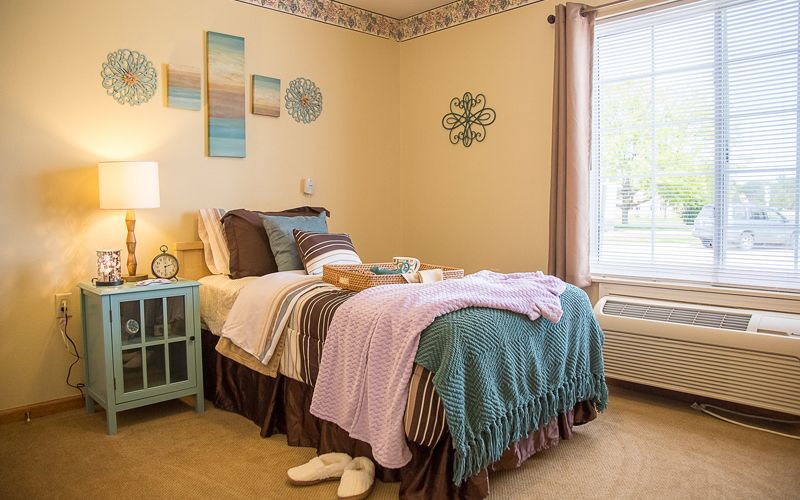
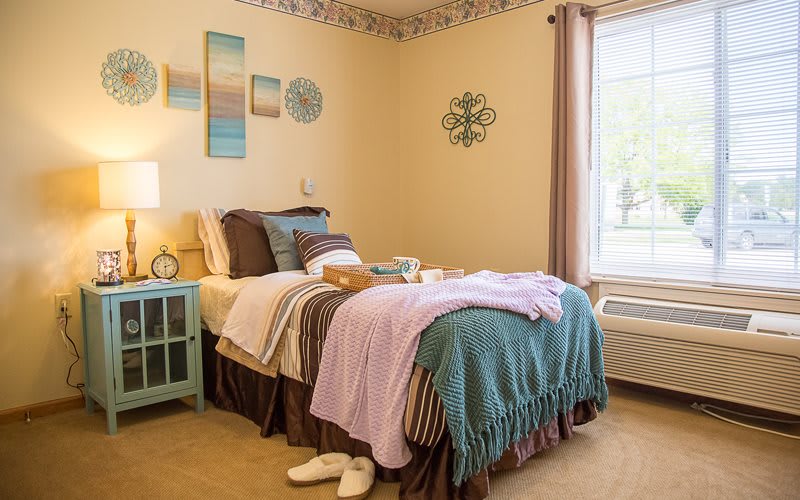
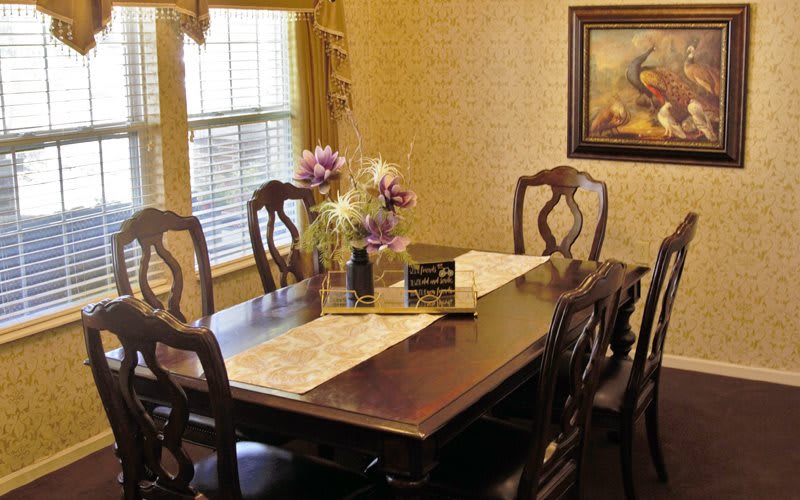
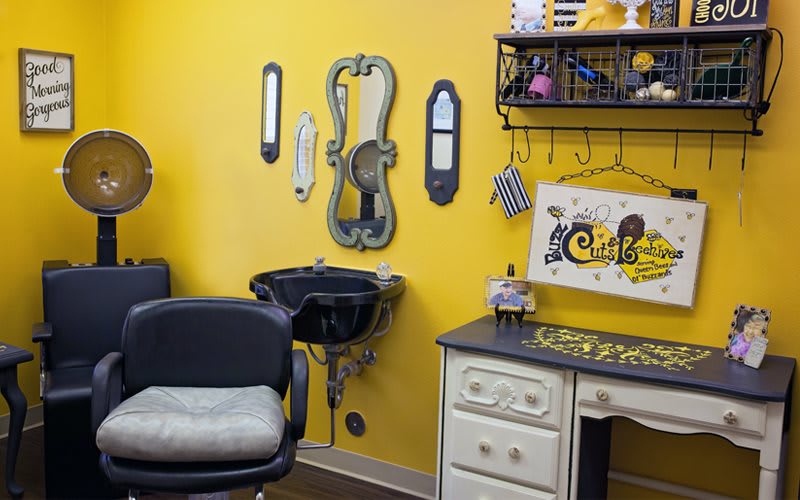
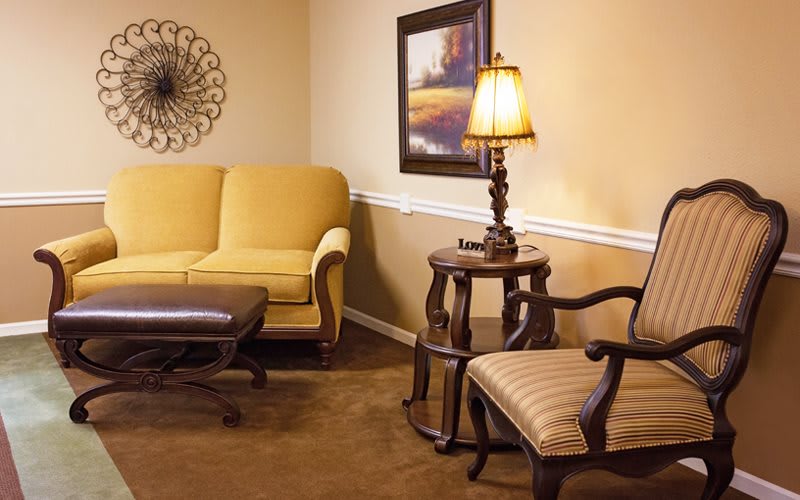
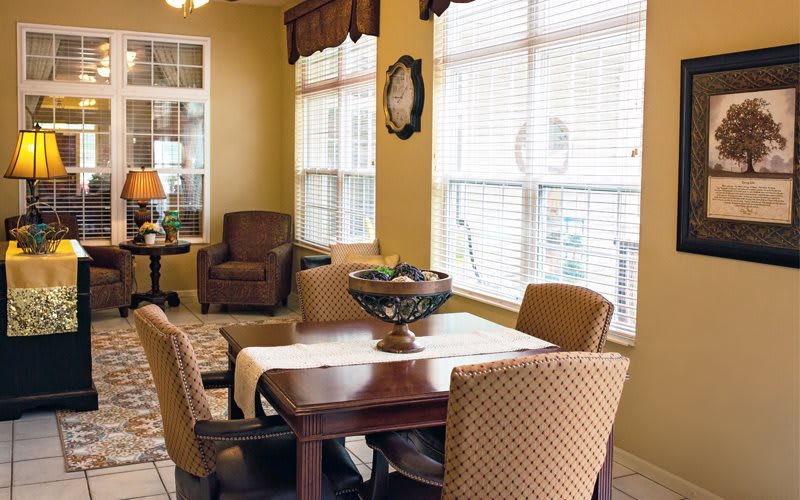
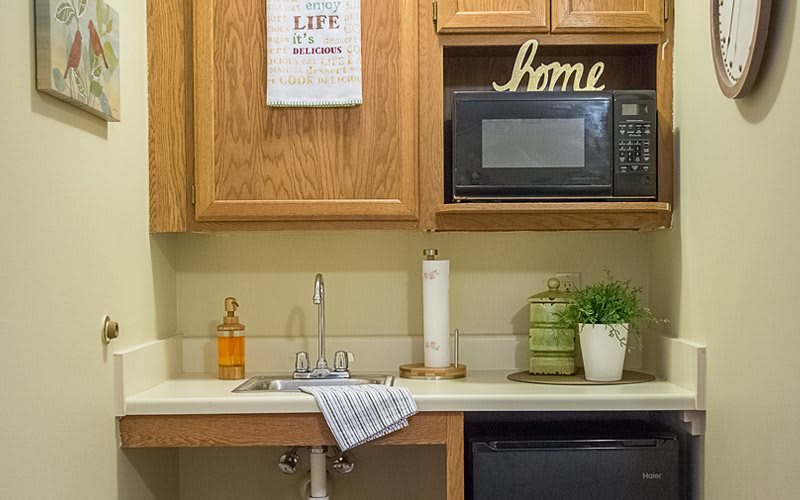
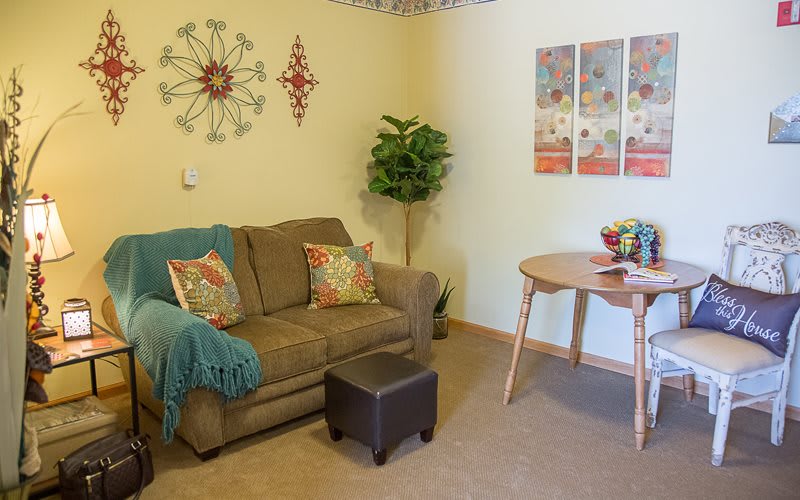
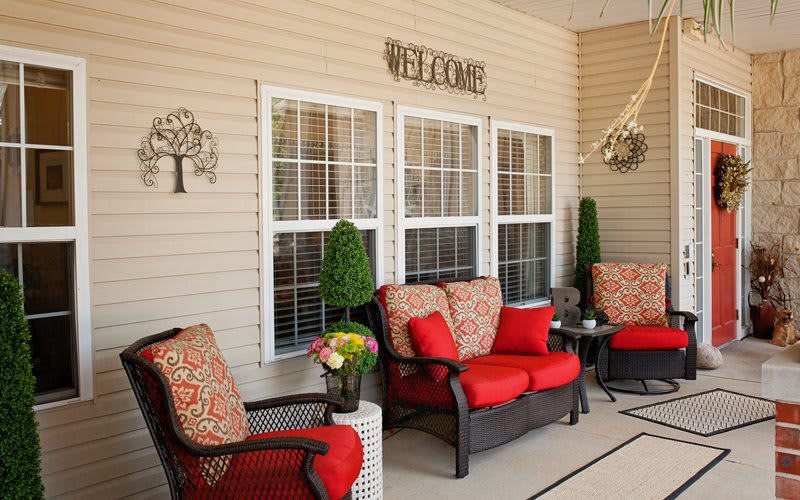
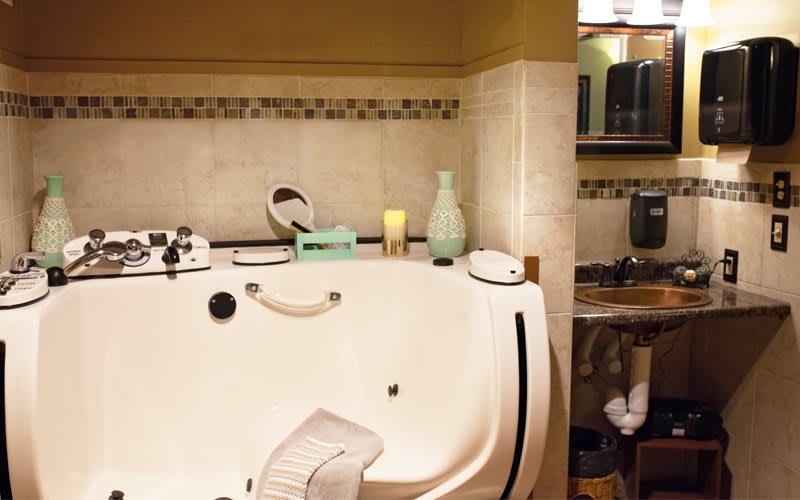
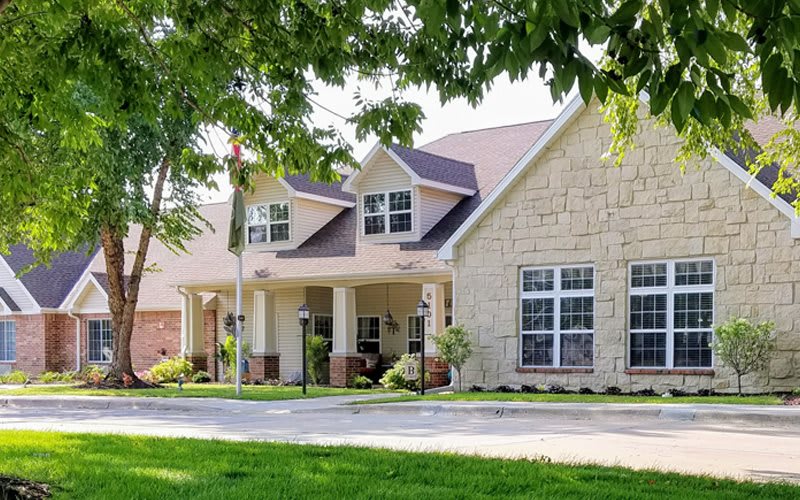
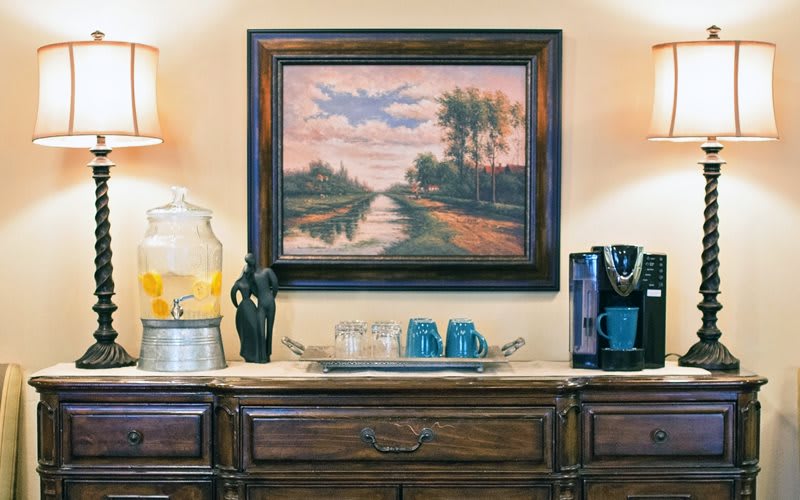
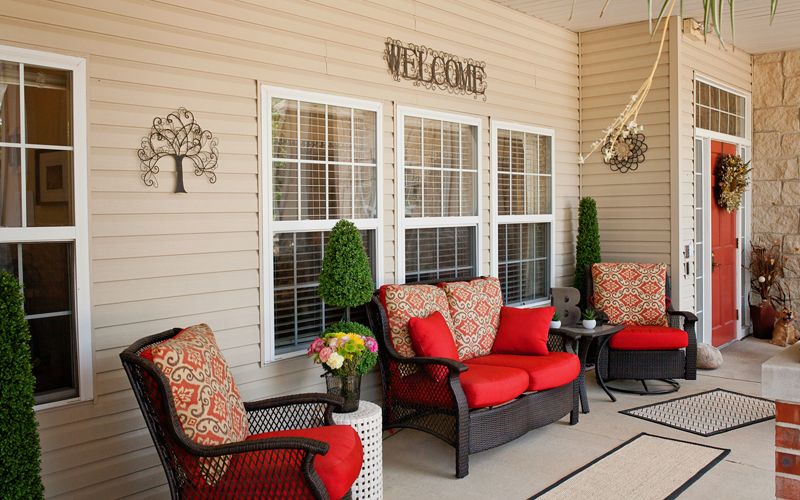
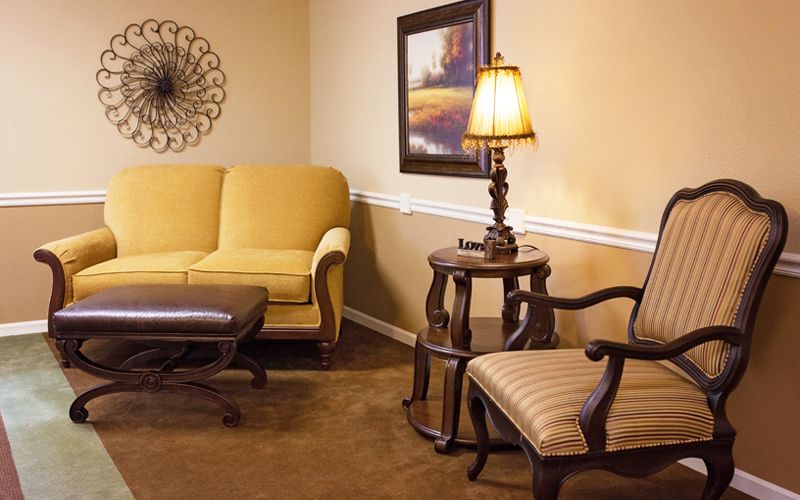
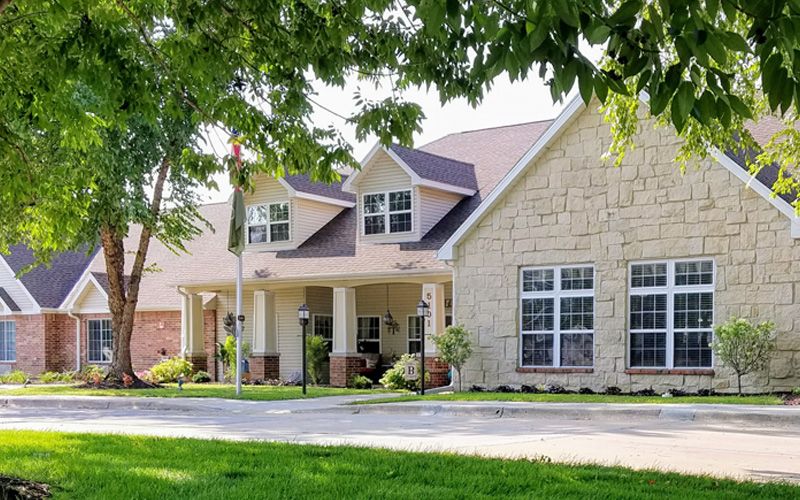
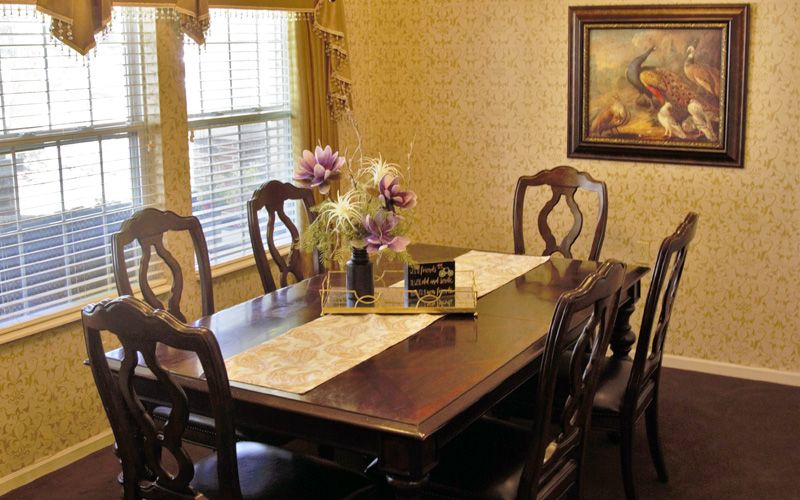
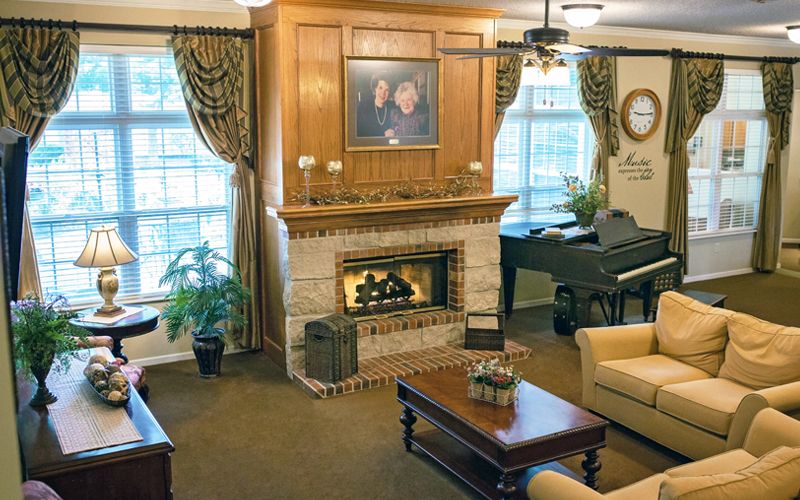
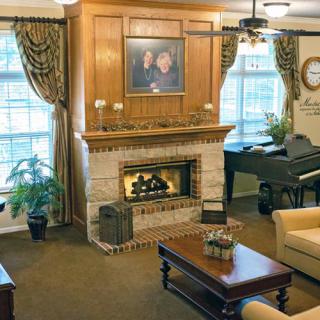
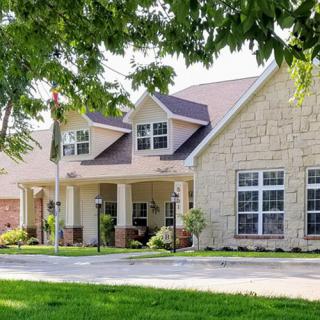
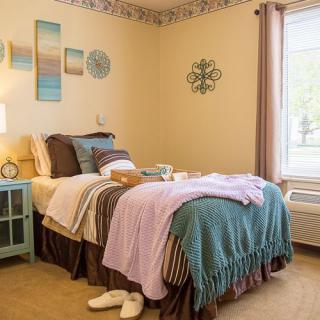
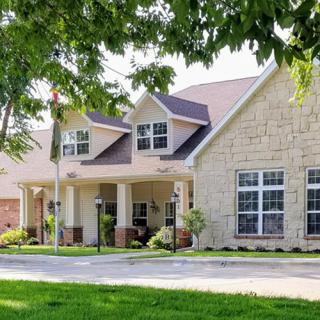
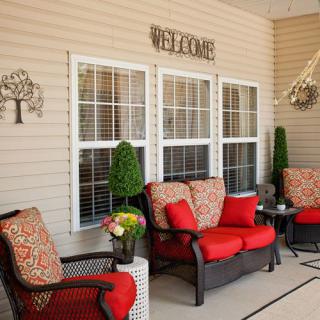
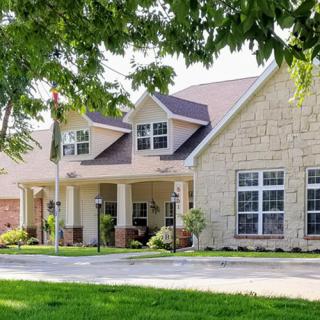
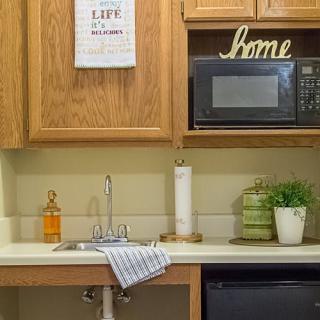
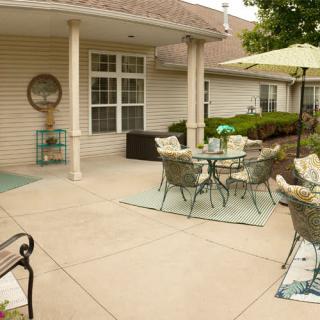
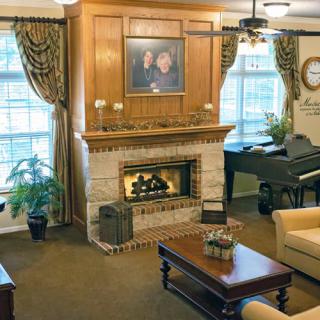
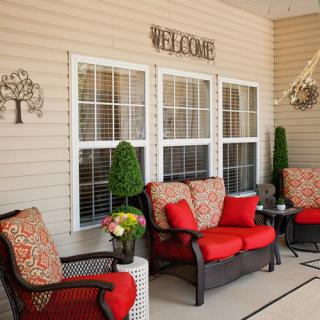
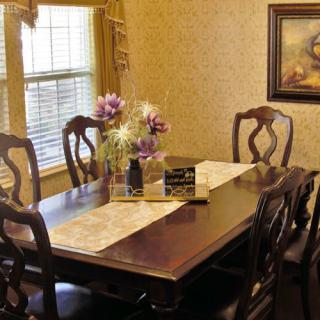
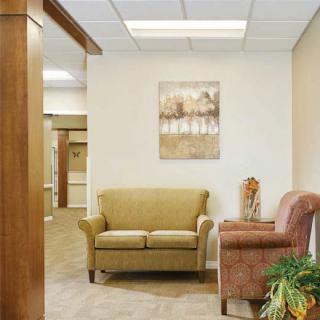
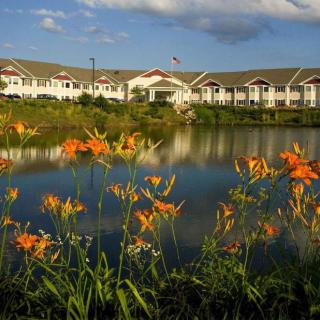
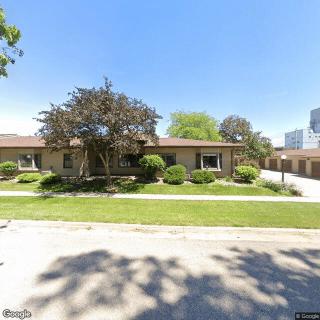
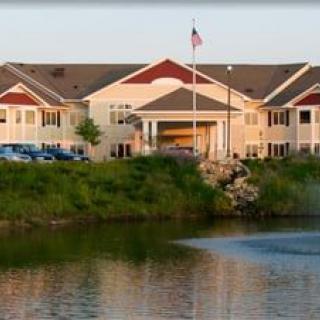
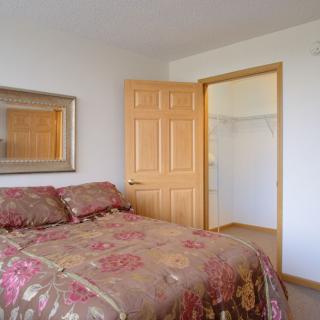
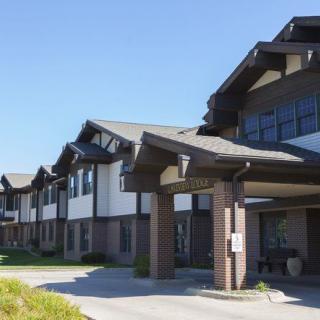
Bickford of Cedar Falls on seniors.fyi includes 23 photos including images showing decor, interior, windows, dining, living room, wall art, landscaping, bedroom, and more.
Nearby Communities
Holiday Mallard Point
Cedar Falls, IA
4.4 from 141 reviews
$1,829 to $3,359 / month
Attentive staff, lively activities, and solid value for money.
Pinnacle Specialty Care
Cedar Falls, IA
3 from 46 reviews
Attentive nursing and effective rehab with strong amenities.
Newaldaya
Cedar Falls, IA
4 from 63 reviews
Continuum of care on-site (independent living, memory care, skilled nursing) within one community
Western Home Communities
Cedar Falls, IA
5 from 1 review
Continuum of care (independent to memory care) with on-site amenities and transportation.
Willowwood
Cedar Falls, IA
4.2 from 10 reviews
Diabetic care and indoor common areas with easy access to nearby pharmacies, hospitals, parks, and dining options.
Western Home Communities
Cedar Falls, IA
4.3 from 61 reviews
$1,425 / month
Wide range of care options (CCRC, Independent Living, Memory Care, Respite) with on-site amenities (dining, beauty salon, fitness, transportation) at a competitive monthly rate.
Bridges
Waterloo, IA
4.8 from 41 reviews
$1,795 to $27,950 / month
Caring staff, engaging activities, and welcoming atmosphere.
Vibrant Senior Living emphasizes active senior living communities that promote independence and engagement through diverse amenities and activities, fostering wellness and social interaction among older adults. These communities range from independent to assisted living, with a focus on personal growth, family involvement, financial planning, and leveraging technology to enhance residents' experiences.
Transitioning from assisted living to memory care is driven by an individual's cognitive decline and specific needs, requiring careful evaluation of indicators like increased confusion and wandering. The process involves consulting medical professionals, researching suitable communities, considering financial and legal aspects, and ensuring effective communication for personalized care plans.
Assisted living provides moderate support for seniors seeking independence, while memory care offers specialized support for individuals with dementia or cognitive impairments through structured routines and trained staff. Key differences include care approaches, environment security measures, staff training levels, activity types, and cost considerations.
Get PricingAsk A QuestionSchedule A TourContact Senior Advisor
By clicking submit, you agree to our Partner's Terms of Use. You
also consent to receive calls and texts, which may be autodialed, from our Partner. Your consent is not a condition to
using our Partner's service. Please visit our Partner's Privacy Policy for information about their privacy practices.






 74 resident community capacity
 1-bedroom apartments
 Assisted Living
 Respite Care
 Skilled Nursing Facility
 Cats allowed
 Dogs allowed
 Activities off-site
 Air-conditioning
 Bath tubs
 Beautician on-site
 Cable or satellite TV
 Computer center
 Devotional services off-site
 Dining room
 Financing advice
 Fitness room
 Fully furnished
 Gaming room
 Garden
 Guest parking
 Housekeeping services
 Indoor common areas
 Kitchenette
 Laundry
 Move-in coordination
 Outdoor space
 Party space
 Private bathrooms
 Restaurant-style dining
 Small library
 Spa
Spa Telephone
 Wheelchair accessible showers
 Wi-Fi/high-speed internet available
 Waterloo Municipal (3 miles away)
 Community operated transportation
 12-16 hour nursing
 24-hour call system
 Ambulatory care
 Assistance with bathing
 Assistance with dressing
 Assistance with transfers
 Diabetes diet
 Diabetic care
 Hospice care
 Incontinence care
 Medication management
 Mental wellness program
 Physical therapy
 Special dietary restrictions
 Arts and crafts
 Book club
 Concierge services
 Educational speakers / life long learning
 Games
Games Live musical performances
 Planned day trips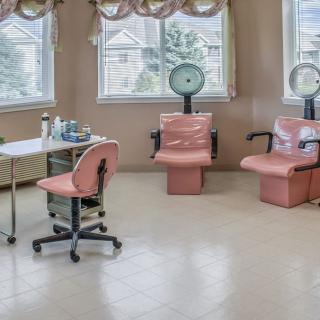
 Attentive staff, lively activities, and solid value for money.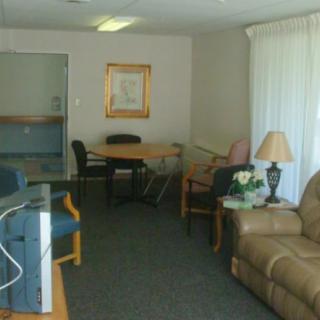

 Vibrant Senior Living: A Comprehensive Guide for Active Older Adults
 When to Transition from Assisted Living to Memory Care: Key Indicators, Steps, and Finding the Right Community
 Assisted Living and Memory Care: Understanding Their Core Differences