
900 Seventh Street West, Allison, IA 50602
For more information about senior living options: (866) 208-4318

Overall Review of Elm Springs Assisted Living Apts
Pros
 The Rehabilitation Center provides compassionate and high-quality care to those in need.
- The dedicated staff consistently goes above and beyond to positively impact residents’ lives.
- Elm Springs Assisted Living staff are highly caring and hard-working, always looking for ways to help the tenants.
- Rehab Center of Allison exemplifies teamwork and treats residents and staff like family.
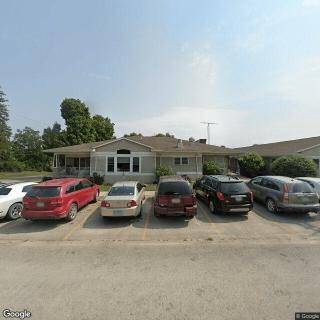
- The facility is clean, well-kept, and offers engaging activities, great food, and a home-like atmosphere.
- The staff communicate well, create a welcoming environment, and make visiting families feel supported.
Review
Elm Springs Assisted Living Apts in Allison, IA is best suited for seniors who want a warm, family-like living environment where care feels personal and residents are treated as neighbors first. The community earns its high marks through a clean, well-maintained setting, comfortable and home-like common spaces, and dining and activity programs that prioritize daily purpose and enjoyment. Families consistently report staff who know residents by name, communicate clearly, and cultivate genuine belonging, turning each day into a sense of connected living rather than a clinical routine. In short, this is a place where companionship is routine, care is attentively delivered, and the culture encourages ongoing engagement rather than quiet passivity. It operates as a cohesive, mid-sized campus where the care team is empowered to go the extra mile.
That said, a practical buyer should consider who may want alternatives. Elm Springs shines in daily support, social inclusion, and responsive staffing, but for residents needing intensive medical management, complex dementia care, or highly specialized rehabilitation with around-the-clock clinical oversight, other options with broader medical resources may be more appropriate. If the goal is an environment with larger-scale medical services, or if budgetary realities demand very specific service levels, exploring comparable communities designed around higher acuity care is prudent. This is not a flaw so much as a reality check: align the resident’s medical needs and therapy expectations with what the setting is prepared to deliver.
The strongest asset is the staff. CNAs and nurses are consistently described as outstanding, compassionate, and patient, forming a team that treats residents as family. The atmosphere is markedly cohesive, coworkers support one another, management models teamwork, and that culture translates into cleaner rooms, better meals, and a lively calendar of activities that keeps residents engaged. The facility itself earns praise for cleanliness and a home-like feel, with frequent remarks about warm, welcoming interactions during visits. Relatives repeatedly emphasize that the staff go above and beyond to ensure residents feel cared for, safe, and valued, while also maintaining candid, respectful communication about what is happening day to day.
Those strengths translate into real-life benefits. A close-knit, family-oriented environment reduces anxiety during transitions, builds trust quickly, and strengthens adherence to routines that support health and well-being. The emphasis on living well, quality meals, meaningful activities, and social connection, helps prevent isolation and gives residents a sense of purpose. Even on busy days, staff are described as cheerful, sharing laughter with residents, which reinforces a supportive, non-clinical mood throughout the building. For families, this means reduced worry about neglect or indifference and greater confidence that the resident is known, included, and actively engaged in decisions about daily life.
For decision-making, practical checks during tours and conversations matter. Confirm the current staff-to-resident ratio and ask about turnover, since continuity of care matters when relationships are central to comfort. Inquire how care plans are developed and updated, how activities accommodate varying energy levels, and how family input is incorporated into daily routines. Pay attention to leadership; one reviewer highlighted the director as a compassionate, hands-on presence, an indicator of stable training and problem resolution. Request a sample of the dining program to judge whether meals feel nourishing and enjoyable. Finally, consider whether the pace and style of life match preferences: a quiet, home-like setting with frequent family-friendly activities versus a more bustling atmosphere with a hospital-like tempo.
Bottom line: Elm Springs Assisted Living Apts is a strong choice for families seeking a compassionate, high-touch, home-like option where staff excellence and a supportive community atmosphere drive daily life. It is particularly well-suited for residents who value meaningful interactions, consistent caregiving, and active family involvement in routines and activities. Those needing advanced medical complexity, highly specialized memory care, or intensive rehab therapy may want to explore alternatives with broader clinical resources. For most seniors and their families, the blend of clean facilities, engaged staff, and a genuinely caring culture offers a practical, dignified pathway to aging in place with confidence.
 36 resident community capacity
 Assisted Living
 Skilled Nursing Facility
 Beauty salon
 Cable or satellite TV
 Dining room
 Fully furnished
 Garden
 Housekeeping services
 Kitchenette
 Move-in coordination
 Outdoor space
 Restaurant-style dining
 Small library
 Telephone
 Wi-Fi/high-speed internet available
 Waterloo Municipal (25 miles away)
 24-hour call system
 Activities of daily living assistance
 Assistance with bathing
 Assistance with dressing
 Assistance with transfers
 Diabetes diet
 Medication management
 Mental wellness program
 Special dietary restrictions

 8 Key Indicators That Suggest It May Be Time to Transition from Assisted Living to Skilled Nursing Care
 Vibrant Senior Living: A Comprehensive Guide for Active Older Adults
 When to Transition from Assisted Living to Memory Care: Key Indicators, Steps, and Finding the Right Community