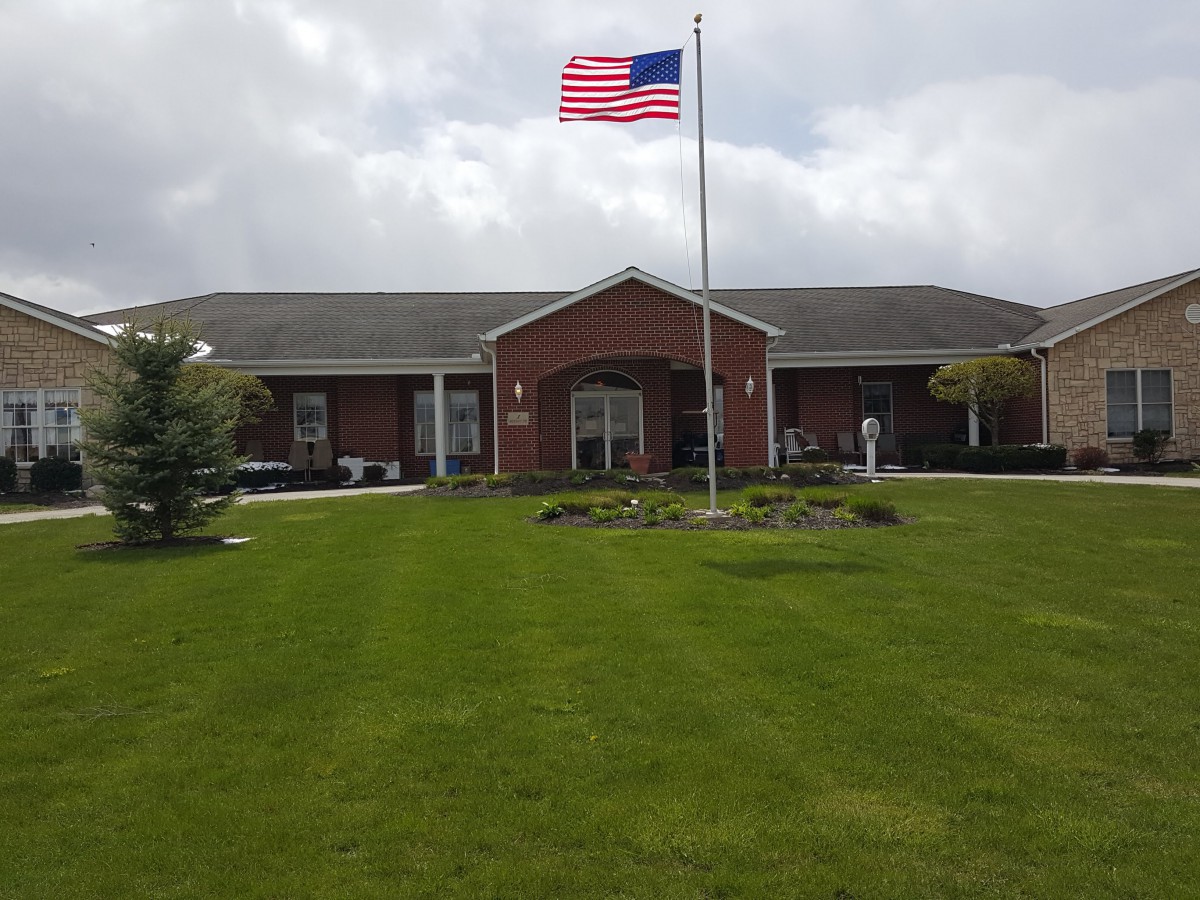



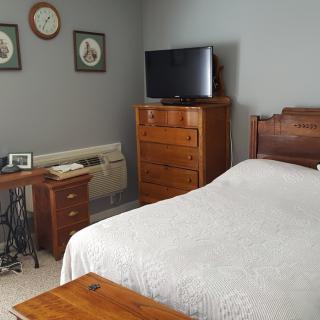

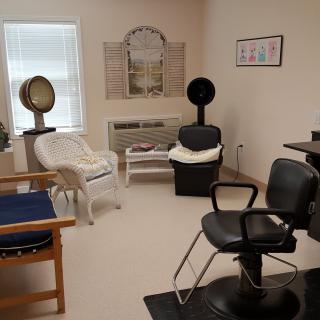
One Sunset Dr, Winchester, IN 47394
To contact a resident: (765) 584-7676
For more information about senior living options: (866) 208-4318
The Lodge at Summers Pointe Costs & Pricing
The Lodge at Summers Pointe offers competitive pricing for its accommodations when compared to both Randolph County and the broader state of Indiana. For a studio unit, residents can expect to pay $2,450 per month, which aligns perfectly with the local county's pricing, making it a cost-effective choice in the region. However, this rate is significantly lower than the Indiana state average of $3,258 for similar studio living arrangements. Similarly, the one-bedroom option at The Lodge is priced at $2,650 per month - matching Randolph County rates but standing in stark contrast to the state's average of $3,300. This positioning not only underscores The Lodge's appeal as an affordable senior living alternative but also highlights its commitment to providing quality housing without sacrificing financial accessibility.
| Floor plans | The Lodge at Summers Pointe | Randolph County | Indiana |
|---|---|---|---|
| Studio | $2,450 | $2,450 | $3,258 |
| 1 Bedroom | $2,650 | $2,650 | $3,300 |
Assisted Living communities with a similar price nearby
-
from +$340 / mo

Village Green Health Campus
$2,790 to $4,110 / month19.0 miles away -
from -$190 / mo
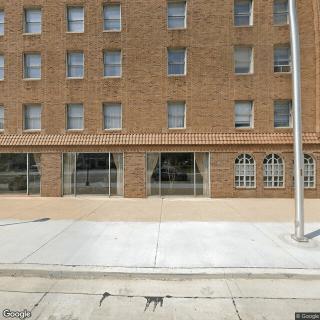
Senior Suites at The Leland
$2,260 to $2,995 / month23.6 miles away -
from +$130 / mo
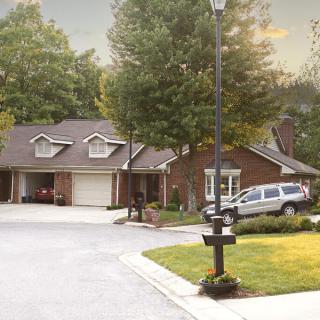
Friends Fellowship Community, a CCRC
$2,580 to $8,310 / month21.4 miles away -
About the same
Oakley Place
$2,432 to $4,652 / month17.6 miles away -
from -$450 / mo

Silver Birch Of Muncie
$2,000 / month23.7 miles away
Overall Review of The Lodge at Summers Pointe
Pros
 The mom had a nice experience.
- The reviewer reports a nice experience for the mother.
- The mother’s experience is described as pleasant.
- A positive experience for the mother is noted.
Cons
 The patients can't use the phone because it's not working.
- They went days without water or ice because bills weren't paid.
- They treat employees horribly.
- A relative residing there has a hard time due to massive turnover of staff.
- Management needs to be replaced.
- It wouldn't be shocking if the state shuts this place down.
Review
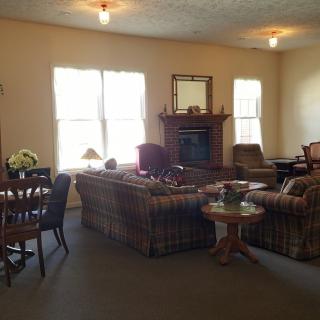
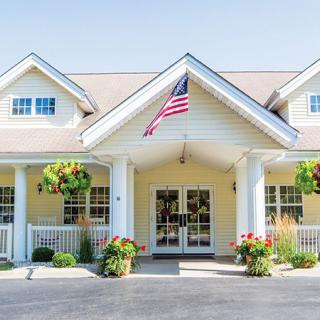
The Lodge at Summers Pointe is best suited for families seeking a warm, home-like assisted living experience in Winchester who are willing to tolerate some operational bumps in exchange for genuinely human, day-to-day care. On the right days, residents experience friendly engagement, practical rhythms, and a sense of community that makes a loved one feel seen. The most encouraging signal is that some families report a genuinely positive, reassuring experience for their Mom or Dad when the environment functions smoothly and staff interactions are attentive.
Where this community shines, when operating well, is in the everyday warmth of caregiving. Families describing a “nice experience” for their loved ones point to caregivers who connect, a welcoming atmosphere, and a level of personal attention that can make daily life feel comfortable and dignified. These moments matter, and they show that the core goal, supportive companionship, help with daily tasks, and a respectful living environment, can be achieved with staff who are present and engaged. In the right circumstances, those strengths translate into meaningful quality of life for residents.
However, the weight of the negatives in the reviews is not easily ignored. The most troubling red flags center on reliability and leadership: reports of phones not functioning, gaps in basic utilities like water and ice tied to what appears to be billing and payment issues, and a narrative of severe staff turnover and managerial turnover. When the basics fail, communication channels down, supply disruptions, and a revolving door of supervisors, the risk to resident safety and daily comfort escalates quickly. These factors amplify stress for residents who depend on consistent care, predictable routines, and steady access to essential services.
The key question becomes whether the positives can truly offset those operational risks. In theory, a stable, well-led operation with reliable utilities and low staff turnover can amplify the true value of the positive resident experiences. In practice, the surrounding reports suggest that the offset is contingent and fragile. If management can demonstrate durable improvements, clear financial practices, uninterrupted utility access, proactive maintenance, and long-tenured staff, then the favorable interactions and home-like feel may dominate the decision. Until such stability is evident, however, the comforting moments risk being sporadic rather than dependable.
Families evaluating alternatives should prioritize reliability, transparency, and continuity of care. Look for communities with a track record of steady staffing, prompt maintenance responses, and visible financial discipline. Seek current resident and family references about long-term stability, ask for maintenance logs, verify utility reliability, and request a formal plan from leadership addressing turnover and service consistency. If these elements can be confirmed, The Lodge at Summers Pointe could be a viable, affordable option that delivers the warmth promised by its better days.
In the end, a candid verdict hinges on whether risk tolerance aligns with the currently reported operating realities. The Lodge at Summers Pointe can deliver a pleasant, respectful living environment on good days, but the documented concerns about phones, water access, billing, and staff stability should not be dismissed. For families who can verify sustained improvements and insist on strong oversight, it may work well for a loved one who values companionship and a homelike setting. For those who cannot tolerate recurring outages, turnover, and leadership instability, it is prudent to continue exploring other options that promise steadier service, clearer communication, and demonstrable daily reliability. The decision should hinge on concrete assurances from management and a careful, in-person assessment of whether the day-to-day experience can be consistently trusted.
 Assisted Living
 Activities on-site
 Air-conditioning
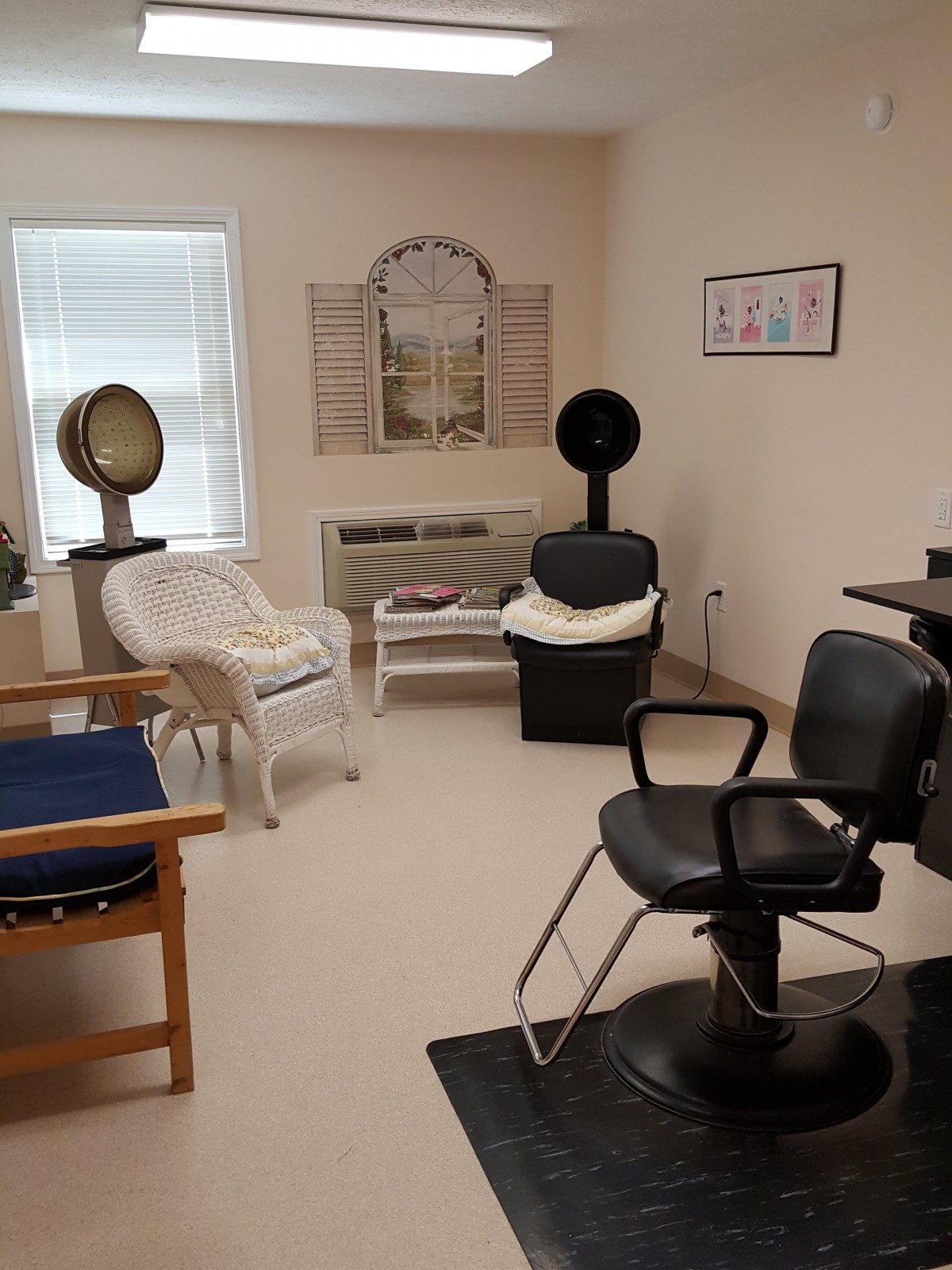
 Beautician on-site
 Cable or satellite TV
 Devotional services on-site
 Ground floor units
 Handicap accessible
 Indoor common areas
 Outdoor common areas
 Respite or short term stays offered
 Wi-Fi/high-speed internet available
 Ambulatory care
 Diabetic care
 Incontinence care
 Medication management
 Guest meals
 Day trips and outings
 Educational speakers / life long learning
 Gardening club
 Happy hour
 Karaoke
 Live musical performances
 Stretching classes
 Trivia games
 Wii bowling



 Understanding the Distinctions: Assisted Living and Memory Care Explained
 Guiding Elderly Parents Who Refuse Assisted Living: 6 Practical Steps
 Your Comprehensive Guide to Luxury Assisted Living: Elevated Facilities, Amenities, and Costs