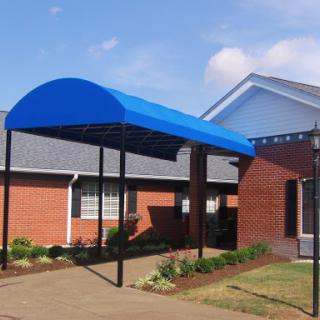
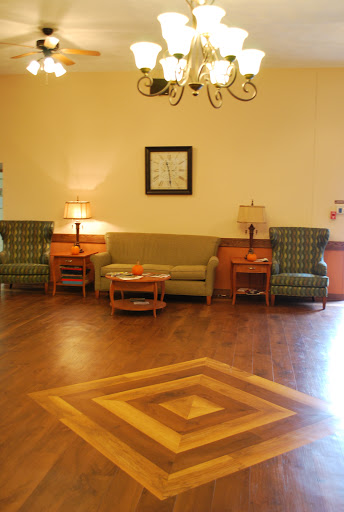
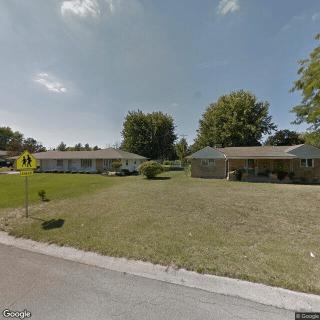
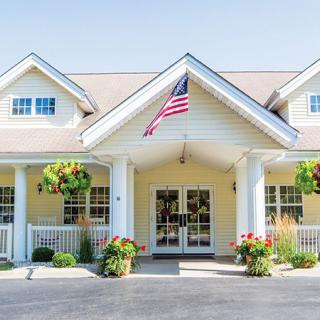
701 South Oak Street, Winchester, IN 47394
For more information about senior living options: (866) 208-4318
Overall Review of Randolph Nursing Home
Pros
 The care is great and the staff are wonderful.
- The new chef is amazing.
- The staff seem friendly and provide good care for residents.
- The staff are very kind to families when a loved one passes away.
- The place is amazing and the staff make residents feel welcome like family.
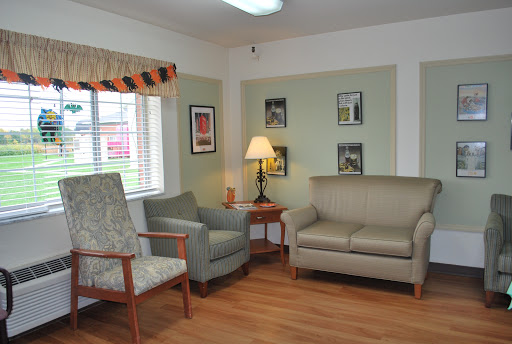
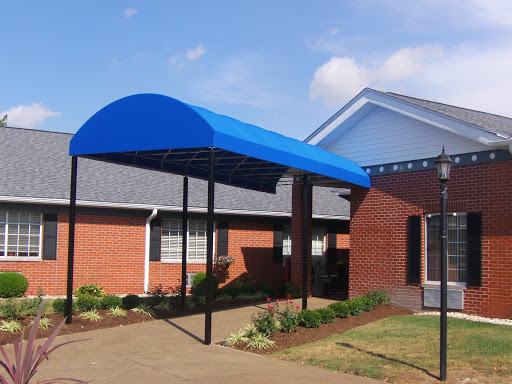
- The facility is very clean and well kept.
- The Activities Director goes above and beyond to keep residents active and mentally engaged.
- The CNAs and nursing staff are caring and loving, and they always do their best.
Cons
 The facility is described as very horrible, with disrespectful staff who have called the patient names.
- The patient was left waiting almost six hours to use the restroom because she cannot get into bed due to having one leg.
- The reviewer plans to remove their mom and pursue a state investigation, alleging poor care and possible shutdown of the facility.
- The staff leave callers on hold for over 20 minutes and then hang up.
- The father did not receive adequate care; he died of pneumonia, and there were issues like no heat in the room and likely inappropriate medication (mucinex instead of antibiotics).
- There are not enough CNAs to care for residents; staffing needs more help.
Review
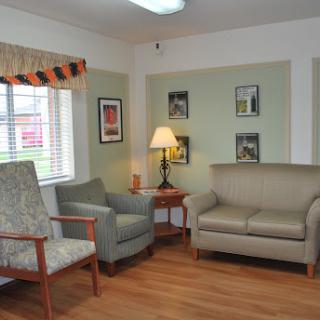
Randolph Nursing Home in Winchester, IN is best suited for families who prize a warm, home-like atmosphere where staff personalizes care and residents feel genuinely welcomed. It works well for seniors who need ongoing assistance and rehabilitation services, particularly those who benefit from a friendly, family-oriented environment and a robust activity calendar. The facility earns praise for compassionate interactions, a capable therapy component, and a recent improvement in dining leadership, suggesting that daily life can be pleasant and engaging when staff are present and attentive.
Those who should consider alternatives are families prioritizing flawless clinical oversight and consistent, high-stakes medical responsiveness. Several reviews flag real risks: uneven staffing levels, with CNAs sometimes in short supply; communication gaps that leave families waiting on hold or out of the loop; and alarming anecdotes about care lapses, such as prolonged waits for help, inadequate heat, and questions about appropriate antibiotic administration during illness. When medical acuity, rapid response, or strict adherence to care plans are non-negotiable, other communities may offer stronger assurances of oversight and accountability.
The strongest positives at Randolph offset some daily-life challenges but do not erase the underlying concerns. On the upside, residents report genuine kindness from staff, a welcoming atmosphere that makes loved ones feel part of a caring community, and evidence of effective therapy and rehabilitation for those recovering from strokes or other events. The culinary leadership, especially a new chef, is highlighted as a meaningful enhancement, and the facility’s cleanliness and maintenance are repeatedly noted as solid. An active Activities Director who keeps residents mentally engaged adds practical value, helping maintain a sense of purpose and community involvement that is not easily replicated in more clinical settings.
Yet the main cons loom over the overall experience. Staffing gaps translate into delayed assistance and inconsistent attention to residents’ needs; multiple accounts describe frustrating moments on the phone with families left waiting or repeatedly cut off. Instances of disorganization in care delivery, including reports of inadequate monitoring and miscommunications about a resident’s health status, raise legitimate concerns about how swiftly issues are escalated and resolved. The more severe anecdotes, such as one resident lacking adequate heat, another patient with delayed antibiotic treatment after illness, and a serious implication of state-level review, underscore real risks that require careful scrutiny by prospective families.
In practical terms, families evaluating Randolph should demand clarity and enforceable assurances before committing. Key questions to prioritize include: staffing schedules and CNA-to-resident ratios across different shifts; the frequency and thoroughness of care-plan reviews; the facility’s process for rapid escalation of medical concerns; maintenance reliability (including heat and room conditions); and the transparency of any investigations or corrective actions arising from past complaints. A first-hand tour focused on interactions between staff and residents, conversations with current families about communication responsiveness, and a review of recent state or survey findings can provide critical context. Consider requesting a short-term stay or regular updates during a trial period to observe how care and communication unfold in practice.
Randolph Nursing Home can be a solid choice for families seeking a warm, engaged community with rehabilitative potential and strong day-to-day friendliness. The right fit hinges on tolerance for potential staffing variability and the possibility of care gaps that require proactive oversight. If reliability of medical care, consistent staffing, and highly responsive communication are non-negotiable, it would be prudent to explore alternatives while keeping Randolph as a backup option. For families that prioritize a welcoming atmosphere, meaningful activity, and companionship alongside rehabilitation services, Randolph offers real strengths, provided the decision includes a clear plan for monitoring staffing, care quality, and family communication from day one.
 94 resident community capacity
 Assisted Living
 Skilled Nursing Facility
 Air-conditioning
 Beauty salon
 Cable or satellite TV
 Computer center
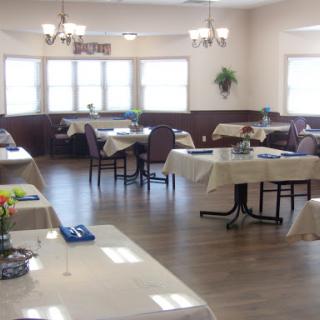
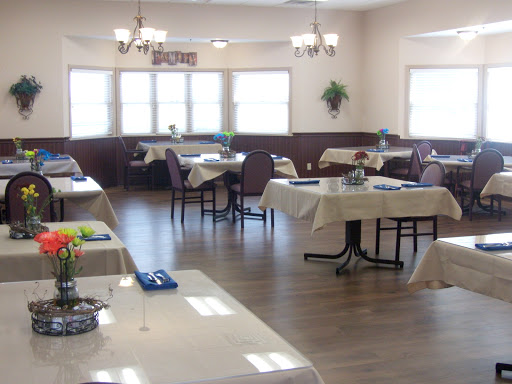
 Dining room
 Fitness room
 Fully furnished
 Gaming room
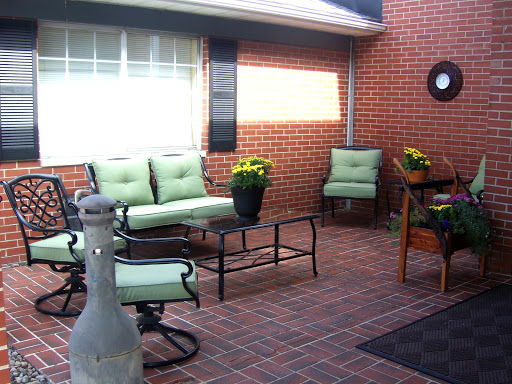
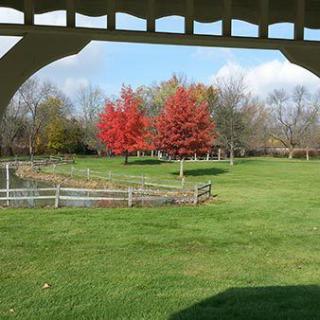
 Garden
 Housekeeping services
 Kitchenette
 Move-in coordination
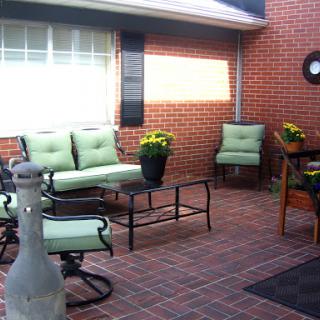
 Outdoor space
 Private bathrooms
 Restaurant-style dining
 Small library
 Telephone
 Wellness center
 Wi-Fi/high-speed internet available
 Community operated transportation
 24-hour call system
 Activities of daily living assistance
 Assistance with bathing
 Assistance with dressing
 Assistance with transfers
 Diabetes diet
 Medication management
 Special dietary restrictions
 Concierge services
 Planned day trips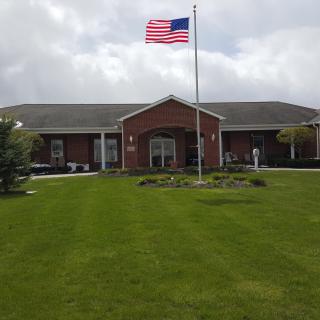



 Comprehensive Insights into Activities of Daily Living (ADLs) and Their Assessment
 Guiding Elderly Parents Who Refuse Assisted Living: 6 Practical Steps
 Your Comprehensive Guide to Luxury Assisted Living: Elevated Facilities, Amenities, and Costs