Multiple care levels are described as available within the same community.
Several reviewers describe University Place as a continuing-care setup where residents can stay in the same building as needs change. That includes independent living, assisted living, memory support, and health care services mentioned together. A reviewer also frames the ability to move within the community as a key benefit for avoiding having to relocate later.
common6 reviews mention this
Dining quality is mixed
Dining gets strong praise from some residents, but food service is also criticized.
Some residents and families say the meals are excellent, with capable cooks, a chef, and options residents can choose. Others report that the food service they received fell below expectations, including concerns about food quality and serving staff. Even among positive comments, dining comes up as a daily experience, while the negative feedback is specific to food service standards.
common12 reviews mention this
Staff kindness comes up often
Residents and families repeatedly describe the staff as caring and helpful.
Across reviews, the staff is often described as friendly, attentive, caring, and professional. Multiple reviewers mention the dining staff and maintenance/office teams responding quickly to needs. One shortcoming appears in a small number of experiences tied to staffing adequacy or specific care moments, but many more comments focus on warmth and responsiveness in everyday interactions.
caveat5 reviews mention this
Pricing is a recurring concern
Reviews repeatedly call out high costs and affordability concerns.
Several reviewers describe University Place as expensive, including comments about upfront costs and monthly rent. A couple of reviews also connect the price to expectations for day-to-day maintenance or overall value. One reviewer describes the cost as very high compared with what they experienced in care or services, while others still call out the expense even when they rate other parts highly.
common2 reviews mention this
Nature proximity and outdoor space
Outdoor walking access and landscaped surroundings are valued by residents.
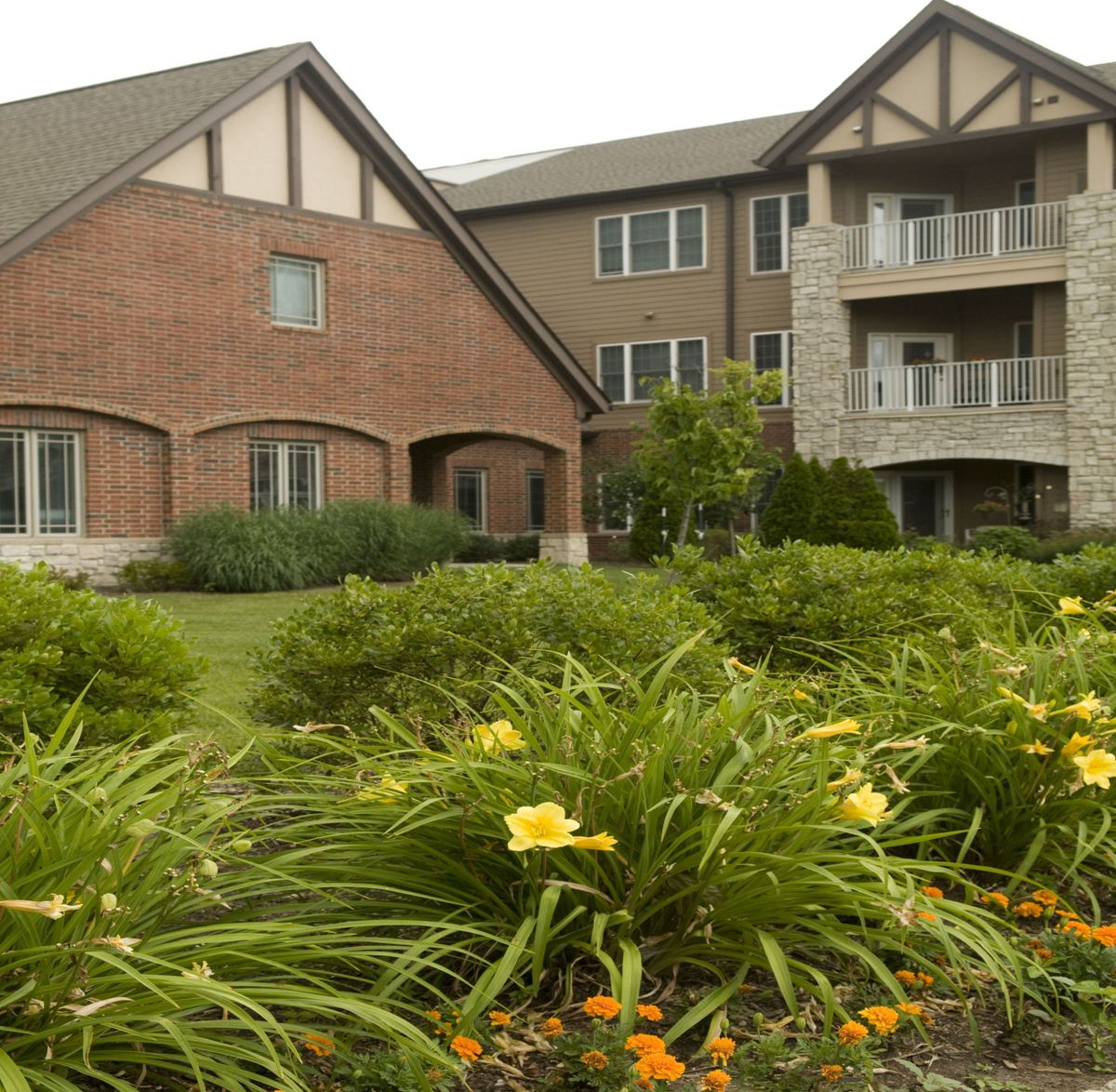
Reviewers mention the natural setting and proximity to parks and walking trails. One reviewer specifically highlights the Nature Preserve area and walking trails, while another emphasizes the landscaped grounds and outdoor views from the community. These comments suggest the outdoor environment is a day-to-day quality that residents notice.
How we summarize
Counts show how many written reviews mention each theme; a review can touch several themes, and only frequently mentioned themes are displayed.
Features
Housing
182 resident community capacity
1-bedroom apartments
2-bedroom apartments
Detached homes
Studio apartments
Types of Care
Assisted Living
Continuing Care Retirement Community (CCRC)
Independent Living
Memory Care
Respite Care
Skilled Nursing Facility
Amenities
Air-conditioning
Beautician on-site
Beauty salon
Cable or satellite TV
Computer center
Dining room
Fitness room
Fully furnished
Gaming room
Garden
Housekeeping services
Kitchenette
Laundry
Move-in coordination
Outdoor space
Party space
Private bathrooms
Resident parking
Respite or short term stays offered
Restaurant-style dining
Small library
Telephone
Wellness center
Wi-Fi/high-speed internet available
Transportation
Community operated transportation
Transportation & parking
Transportation arrangement
Transportation arrangement (non-medical)
Care Services
24-hour call system
24-hour supervision
Activities of daily living assistance
Assistance with bathing
Assistance with dressing
Assistance with transfers
Diabetes diet
Meal preparation and service
Medication management
Physical therapy
Special dietary restrictions
Dining
Diabetes diet
Special dietary restrictions
Activities
Community-sponsored activities
Concierge services
Fitness programs
Planned day trips
Religious services
Resident-run activities
Scheduled daily activities
Languages Spoken
English
Nearby Places of Interest
Parks
Celery Bog Nature Area (0.3 miles)
Horticultural Park (1.4 miles)
Happy Hollow Park (1.4 miles)
Trailhead Park (1.5 miles)
Tapawingo Park (2.7 miles)
McCaw Park Baseball Pressbox (3.2 miles)
Restaurants
Burger King (0.9 miles)
Applebee's (0.9 miles)
Wendy's (1.1 miles)
McDonald's (1.1 miles)
KFC (1.1 miles)
Dog N Suds West (1.3 miles)
Silver Dipper Ice Cream (1.4 miles)
Physicians
Med Express Care (1 miles)
Franciscan Physician Network Pediatrics West Lafayette (1 miles)
Abramovitz Internal Medicine (1.3 miles)
Mobile Limb & Brace (1.3 miles)
Internal Medicine Department (1.5 miles)
Cahoon, Jeff Iu Health Arnett Physicians Radiology (1.5 miles)
Unity Healthcare (1.6 miles)
Pharmacies
Pay Less Drug Stores (1.2 miles)
Purdue Gmp Center (1.2 miles)
Walgreens (1.2 miles)
CVS Pharmacy (1.3 miles)
CVS Pharmacy (1.3 miles)
Hanau Holistic Health Services (1.6 miles)
Credit Rx America (3.2 miles)
Cafes
Starbucks (1.2 miles)
Cosi (1.7 miles)
Indie Coffee Roasters (1.7 miles)
Starbucks (1.8 miles)
Greyhouse Coffee & Supply Co. (2.2 miles)
Starbucks (2.6 miles)
Hospitals
Franciscan Sisters Of Chicago Service Co. (1.4 miles)
The 24-hour supervision offered at University Place ensures that residents receive constant monitoring and support, which is crucial for individuals with dementia or Alzheimer's, who may require immediate assistance to ensure their safety. Activities of daily living assistance helps residents maintain a sense of independence while receiving the necessary help with essential tasks. The personalized assistance with bathing and dressing not only promotes hygiene but also fosters dignity and self-esteem, which can be impacted by cognitive decline. Assistance with transfers reduces the risk of falls and injuries, allowing residents to move safely throughout the facility. Meal preparation and service are tailored to meet dietary needs and preferences, ensuring that residents receive balanced nutrition vital for their overall health. Medication management is critical in preventing errors and ensuring compliance, as proper medication adherence can significantly affect cognitive functioning. Lastly, physical therapy is beneficial in enhancing mobility and strength, contributing to improved quality of life for those experiencing physical limitations often associated with dementia-related conditions. Together, these features create a supportive environment conducive to comfort and well-being for residents navigating the challenges of memory loss.
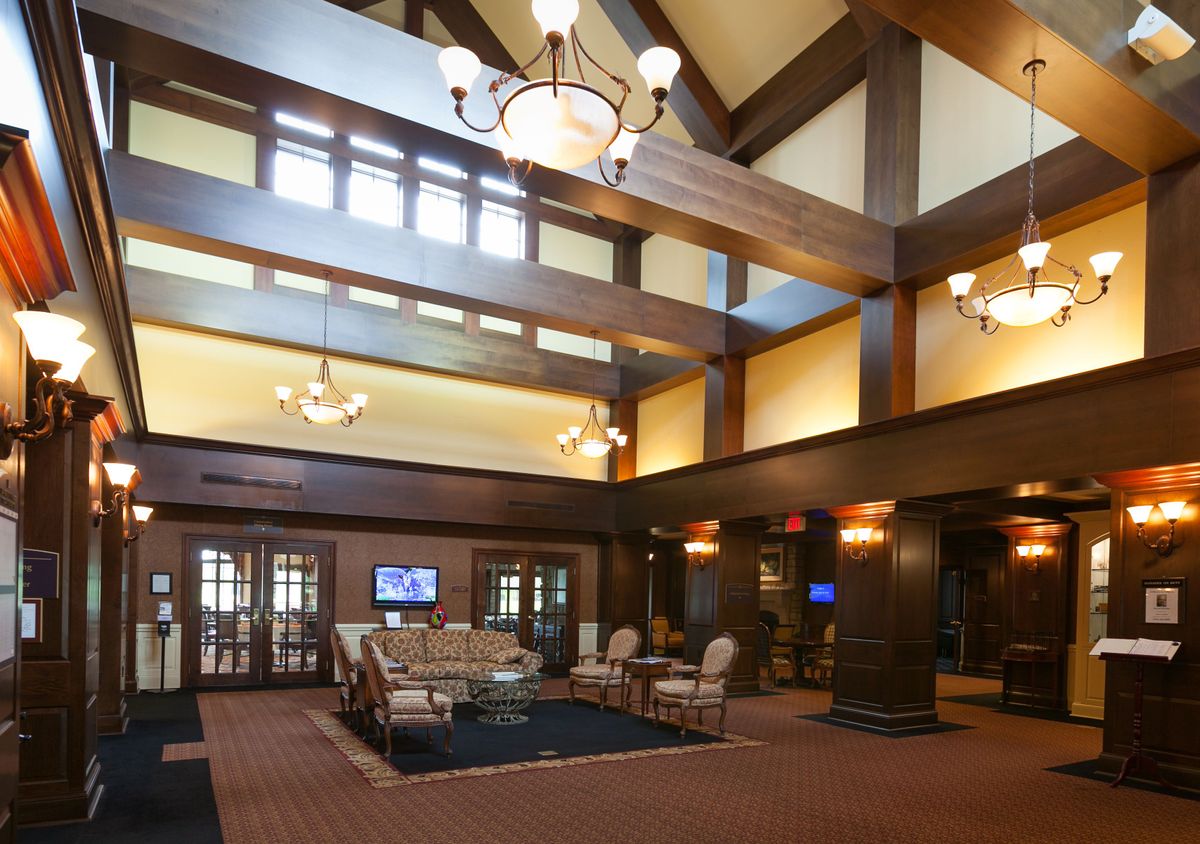
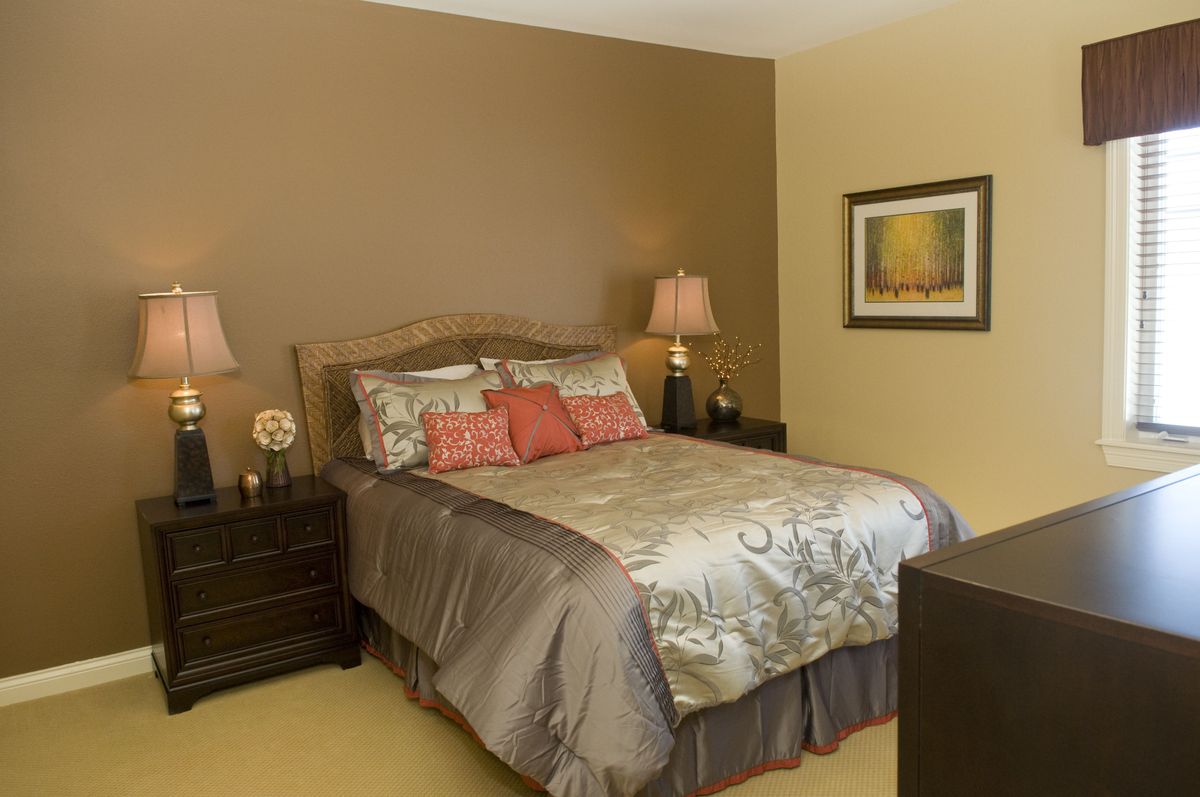
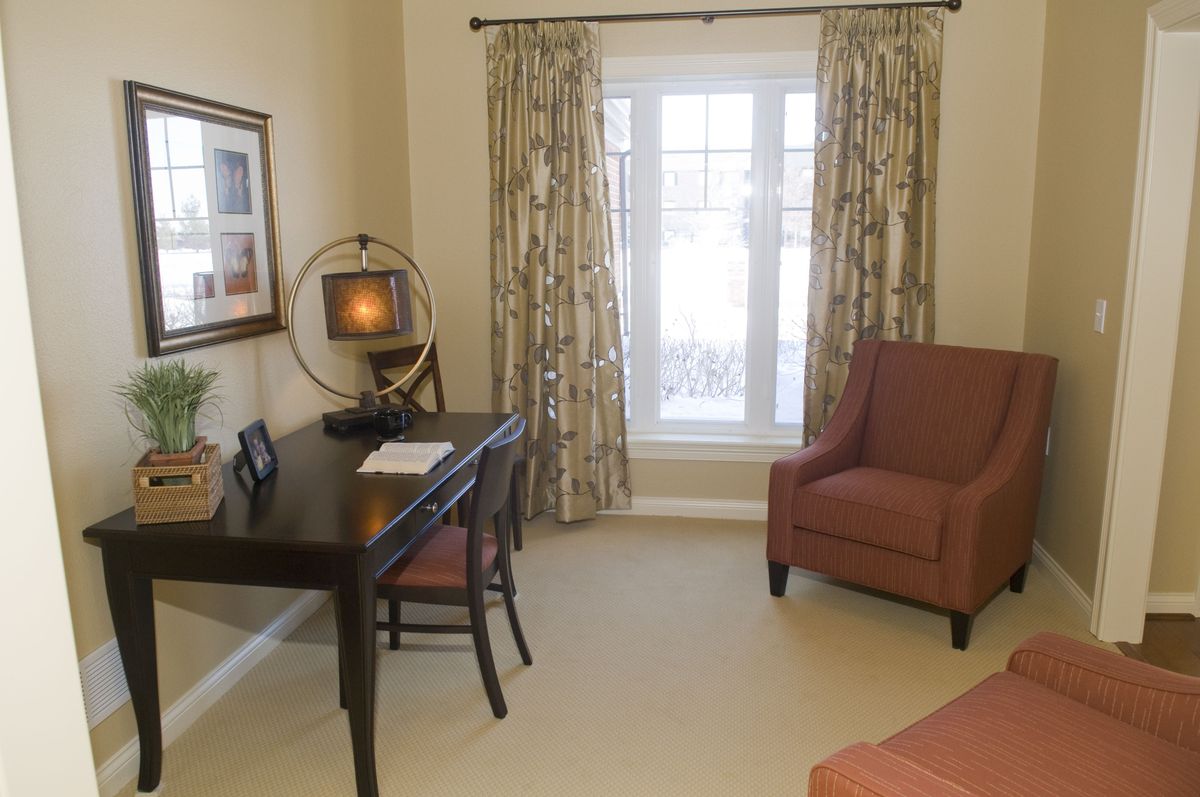
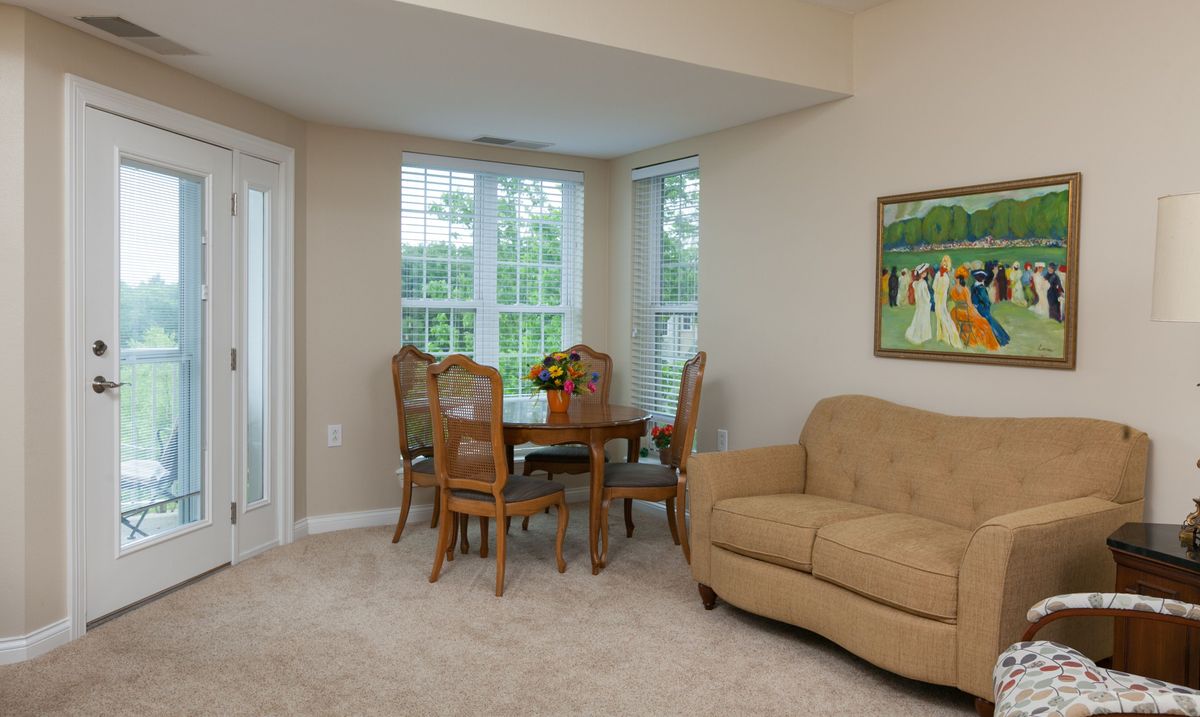
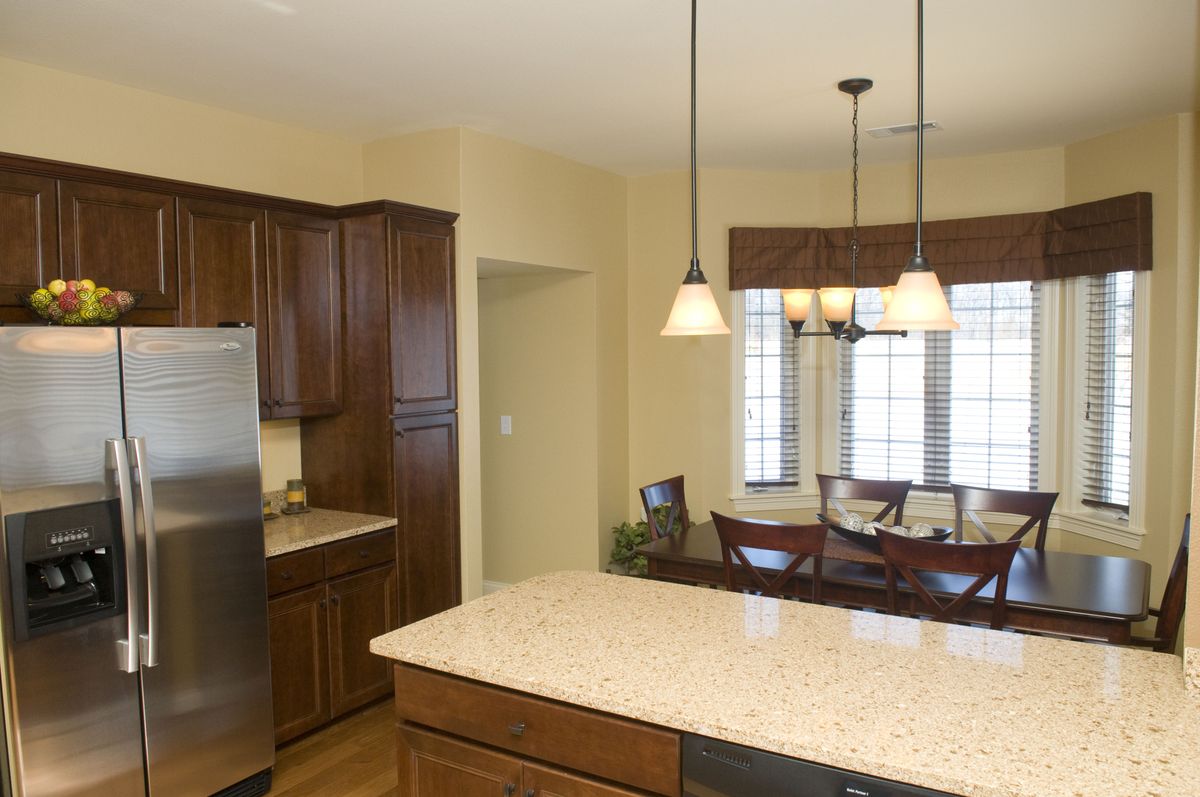
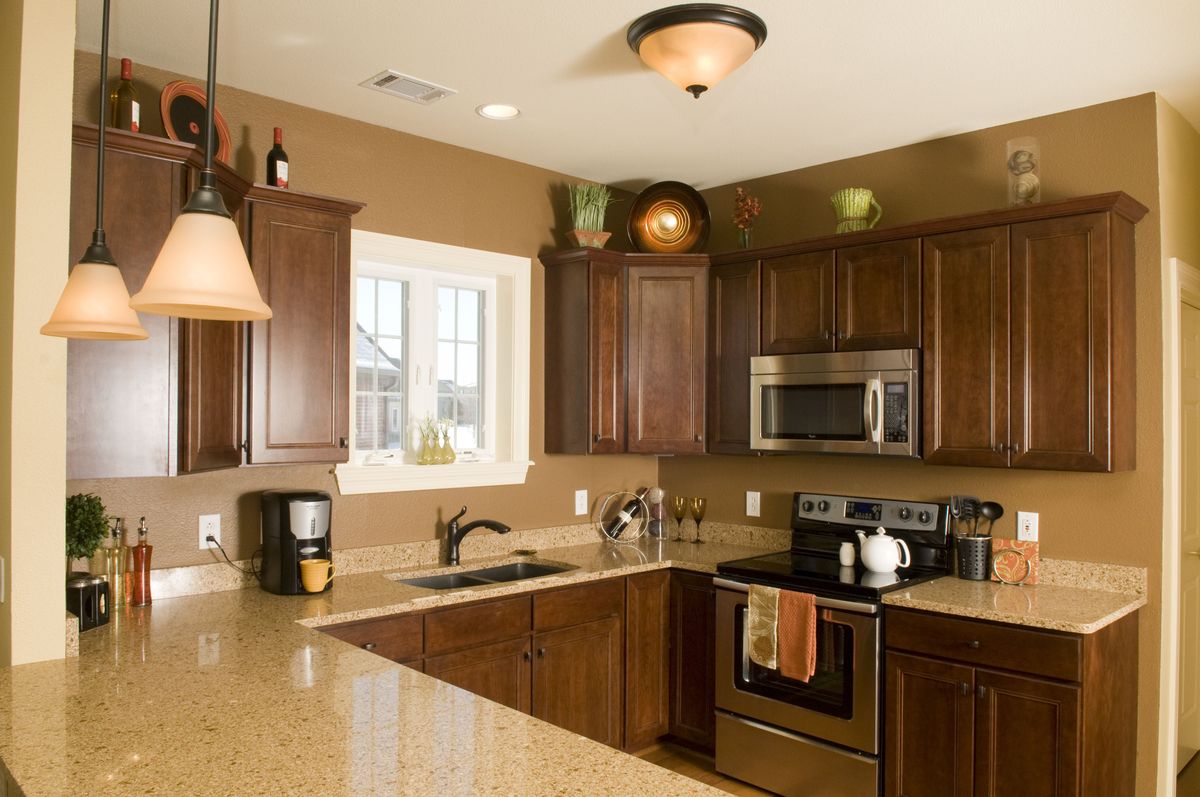
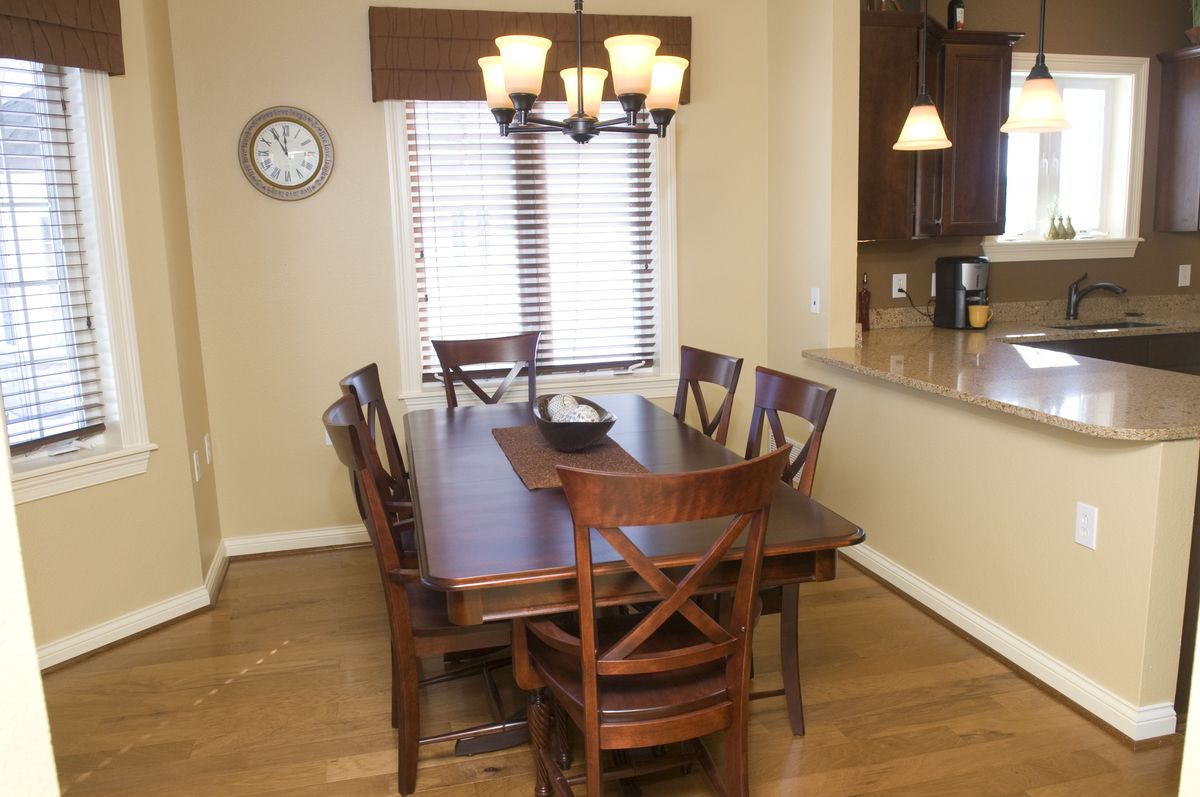
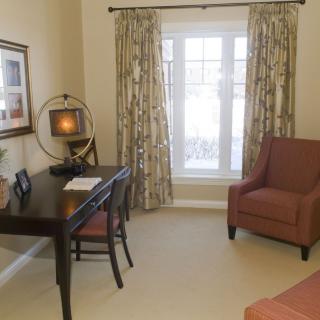
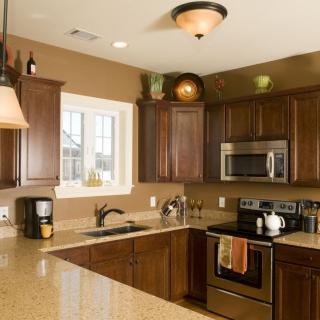
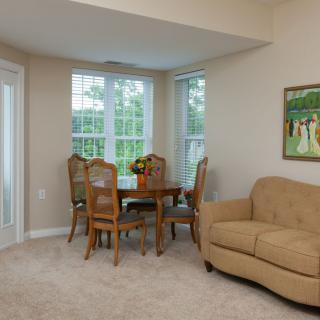
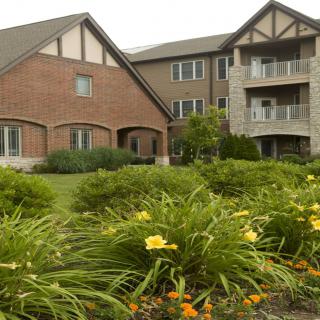
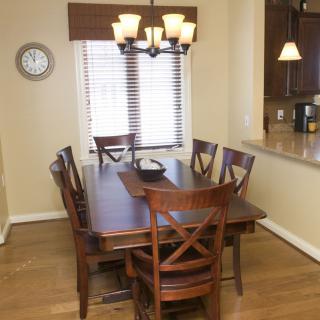
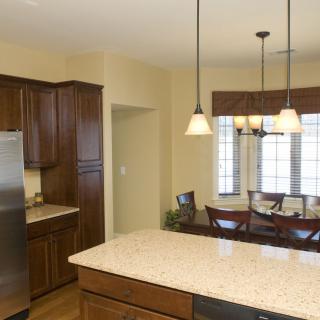
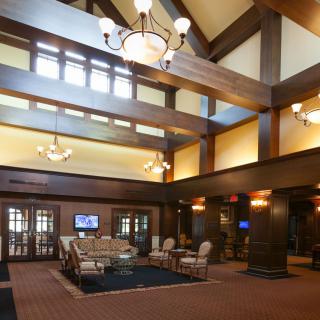
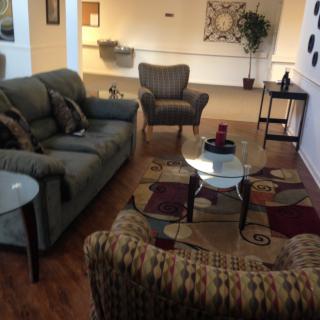
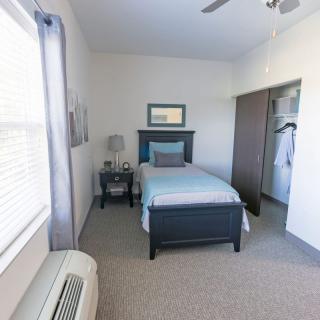
University Place on seniors.fyi includes 8 photos including images showing interior, dining, windows, chandelier, decor, bedroom, kitchen, painting, and more.
Nearby Communities
University Place, a CCRC
West Lafayette, IN
4.1 from 40 reviews
$2,672 to $3,380 / month
Friendly, professional staff; beautiful grounds and a strong sense of community; excellent dining.
University Place Health Center And Assisted Living
West Lafayette, IN
4 from 22 reviews
Comprehensive care options (independent living, assisted living, memory care, and skilled nursing) with extensive on-site amenities and 24-hour supervision.
Cumberland Pointe Health Campus
West Lafayette, IN
4.4 from 36 reviews
$1,800 to $4,410 / month
Vibrant social environment with engaging activities and nutritious dining.
Westminster Village - West Lafayette
West Lafayette, IN
4.9 from 110 reviews
Wide range of care options with extensive on-site amenities.
Friendship House
West Lafayette, IN
4.8 from 4 reviews
Excellent facility layout with friendly staff and strong safety measures.
Westminster Village
West Lafayette, IN
4.8 from 132 reviews
$2,150 to $3,090 / month
Friendly staff and engaging activities in well-kept facilities.
Chapelgate Senior Apartments
West Lafayette, IN
$617 / month
Very affordable 2-bedroom pricing with nearby healthcare and amenities.
Tippecanoe Villa
West Lafayette, IN
Personalized care with diabetic support, engaging activities, and nearby amenities.
Glasswater Creek of Lafayette
Lafayette, IN
4.5 from 32 reviews
$3,800 to $4,425 / month
Strong amenities and friendly staff; spacious, hotel-like rooms and a vibrant social environment
Dementia, influenced by aging and certain medications, may be exacerbated by drug classes such as anticholinergics, benzodiazepines, and antipsychotics, which are associated with cognitive impairment. Regular medication reviews by healthcare professionals are crucial for older adults to manage risks and optimize cognitive health.
Dementia often results in disrupted sleep patterns, leading to excessive daytime sleeping due to factors like brain damage affecting circadian rhythms, medication side effects, and lack of structure in daily activities. Caregivers must monitor these changes closely, as oversleeping can increase risks such as malnutrition or dehydration, and provide necessary support and routines to enhance patient engagement and well-being.
The transition from assisted living to skilled nursing care is often prompted by complex medical needs that assisted living cannot meet, with key indicators including frequent health declines, increased falls, severe memory issues, and caregiver burnout. Families should recognize these signs early to discuss options with healthcare providers and prepare for the emotional and logistical aspects of moving to a facility that offers comprehensive medical support.
Get PricingAsk A QuestionSchedule A TourContact Senior Advisor
By clicking submit, you agree to our Partner's Terms of Use. You
also consent to receive calls and texts, which may be autodialed, from our Partner. Your consent is not a condition to
using our Partner's service. Please visit our Partner's Privacy Policy for information about their privacy practices.



 182 resident community capacity
 1-bedroom apartments
 Detached homes
 Assisted Living
 Continuing Care Retirement Community (CCRC)
 Independent Living
 Memory Care
 Respite Care
 Skilled Nursing Facility
 Air-conditioning
 Beautician on-site
 Cable or satellite TV
 Computer center
 Dining room
 Fitness room
 Fully furnished
 Gaming room
 Garden
 Housekeeping services
 Kitchenette
 Laundry
 Move-in coordination
 Outdoor space
 Party space
 Private bathrooms
 Resident parking
 Restaurant-style dining
 Small library
 Telephone
 Wellness center
 Wi-Fi/high-speed internet available
 Community operated transportation
 24-hour call system
 Activities of daily living assistance
 Assistance with bathing
 Assistance with dressing
 Assistance with transfers
 Diabetes diet
 Medication management
 Physical therapy
 Special dietary restrictions
 Concierge services
 Planned day trips
 Religious services
 English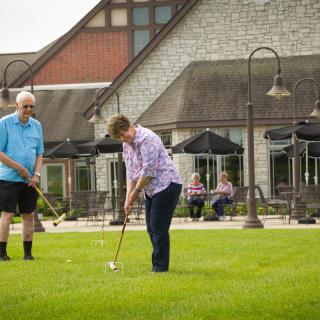
 Friendly, professional staff; beautiful grounds and a strong sense of community; excellent dining.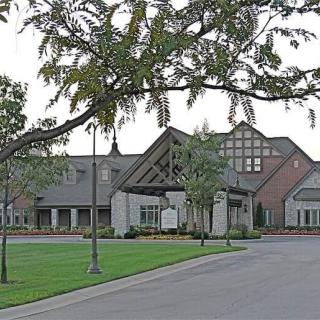



 A Thorough Discussion of Medications Potentially Linked to Dementia Risk
 Why Do Dementia Patients Sleep So Much? Understanding Oversleeping, Stages, and Care Approaches
 8 Key Indicators That Suggest It May Be Time to Transition from Assisted Living to Skilled Nursing Care