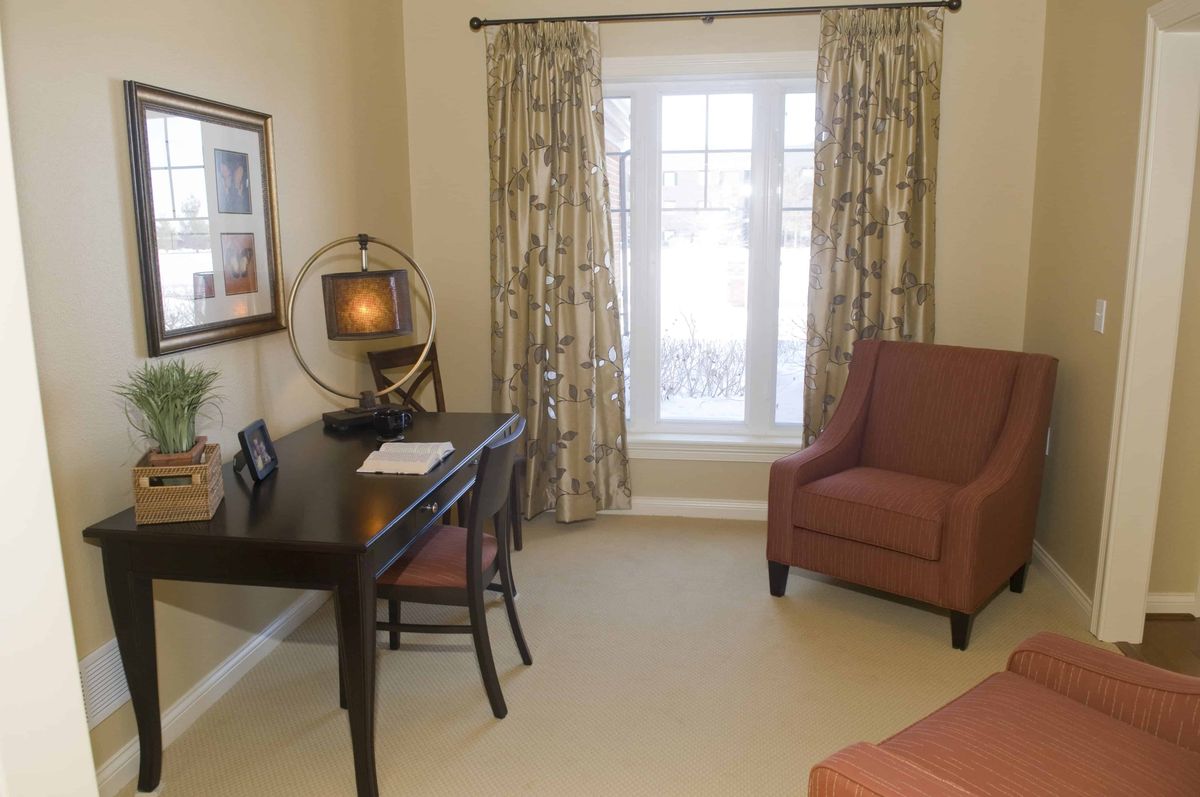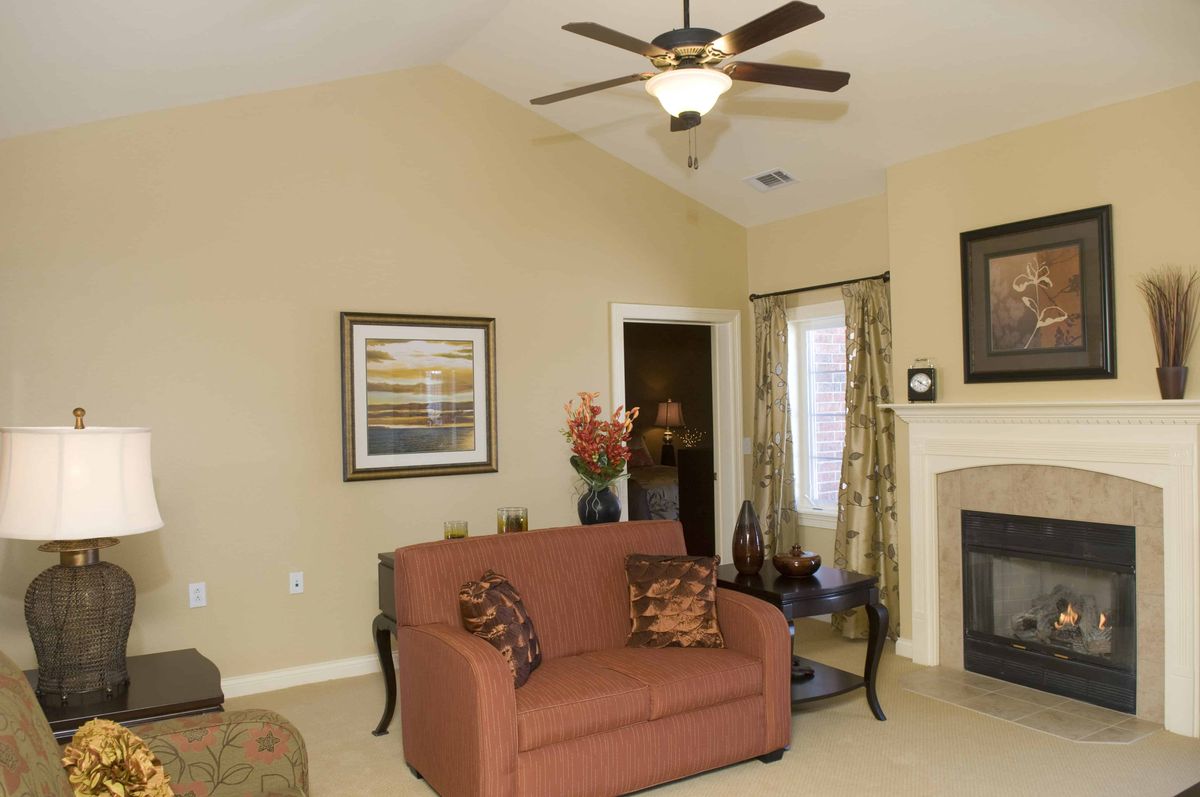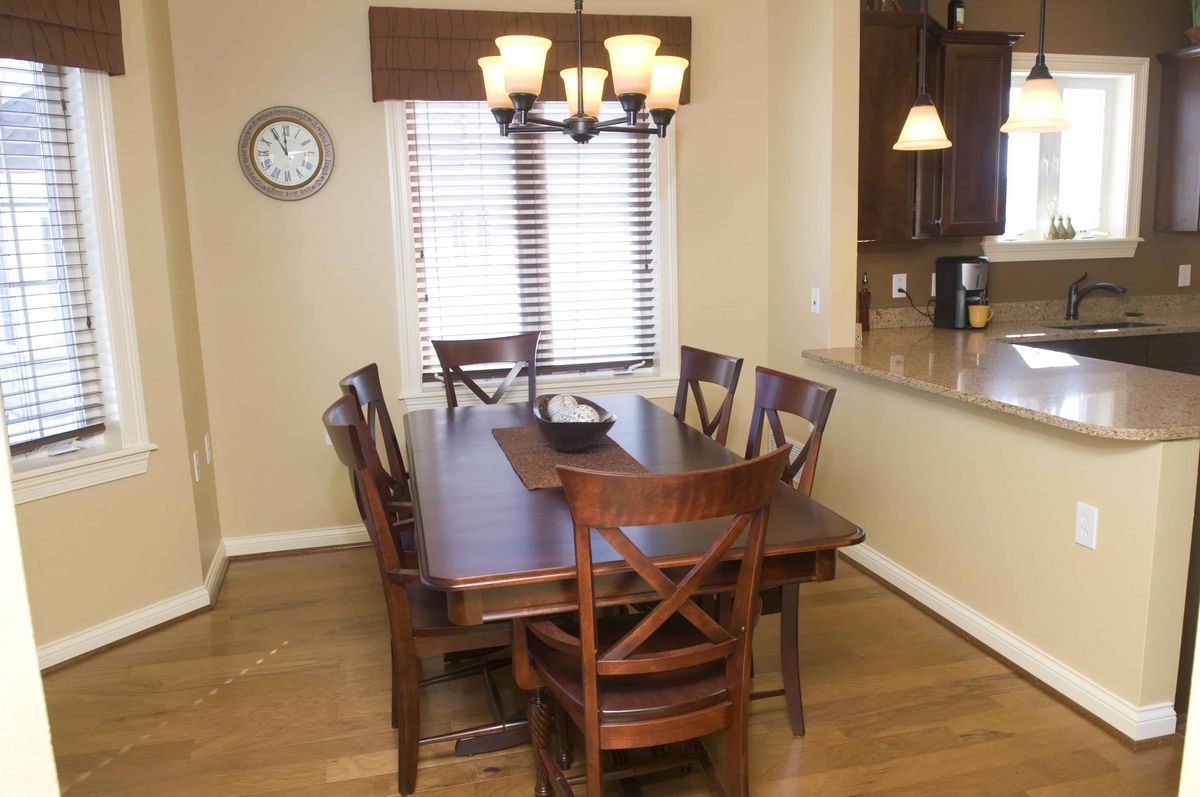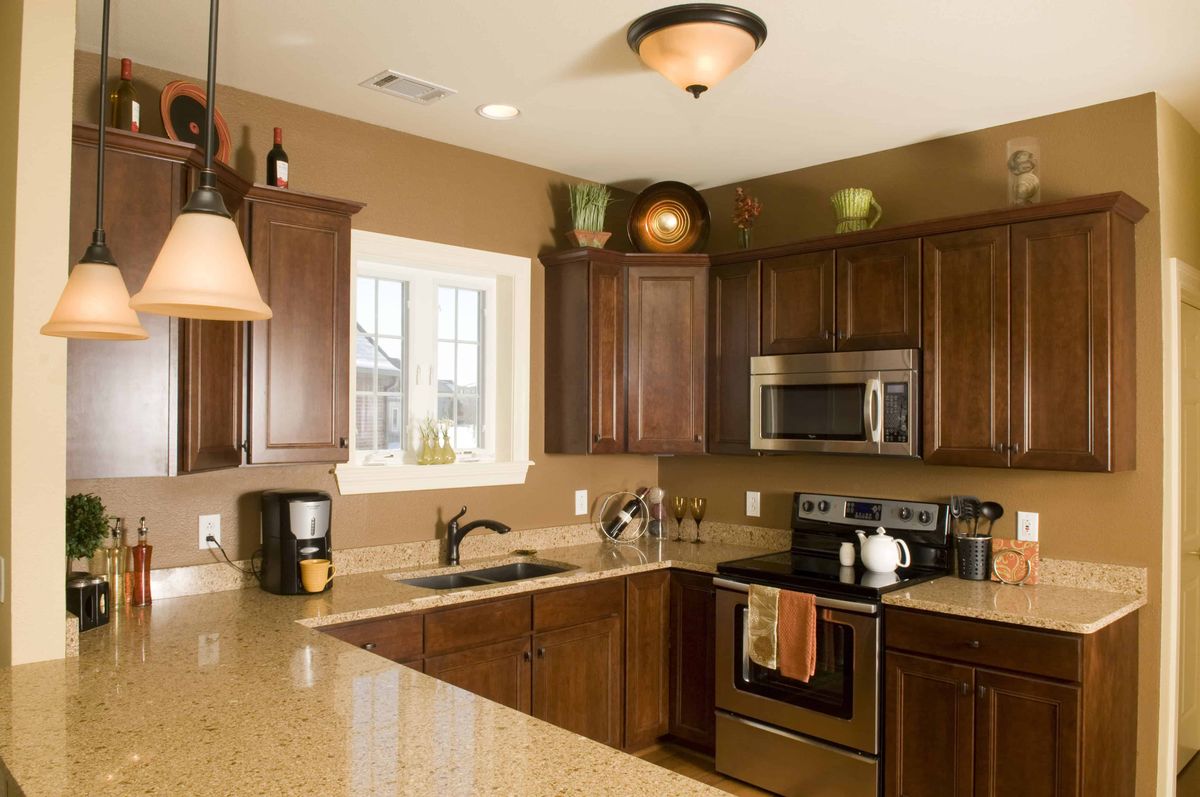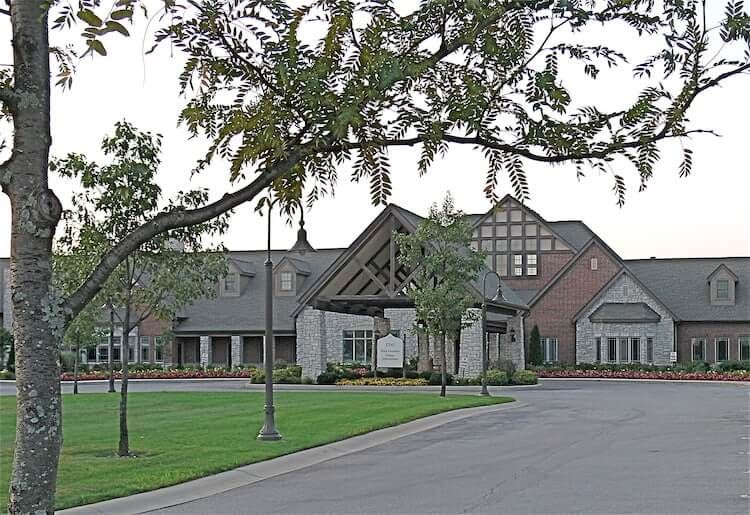
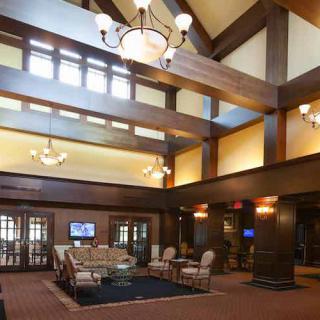
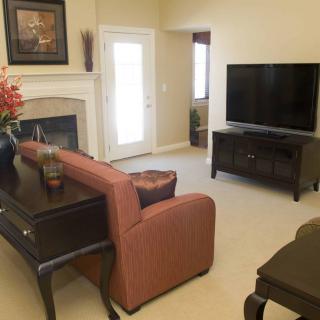
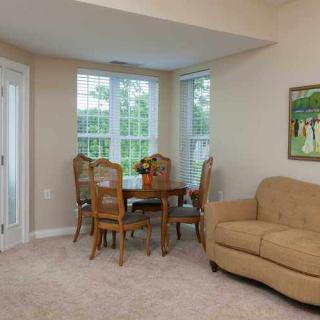
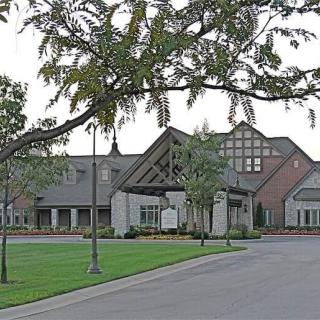
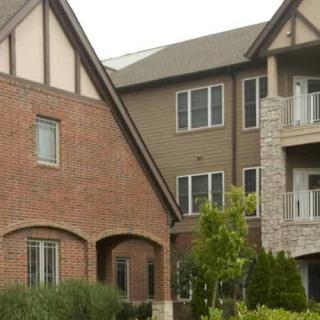

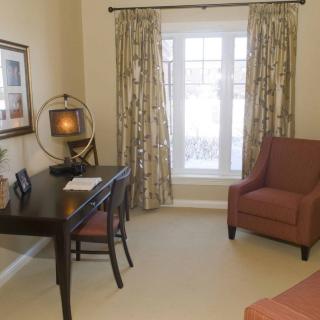
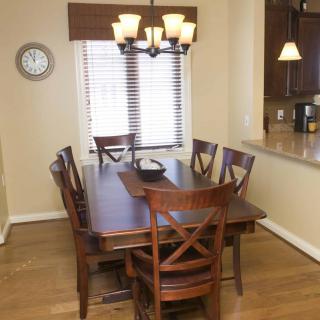
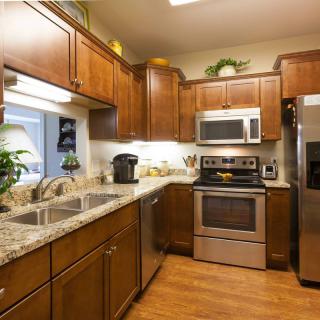

1750 Lindberg Road, West Lafayette, IN 47906
For more information about senior living options: (866) 208-4318
Overall Review of University Place Health Center And Assisted Living
Pros
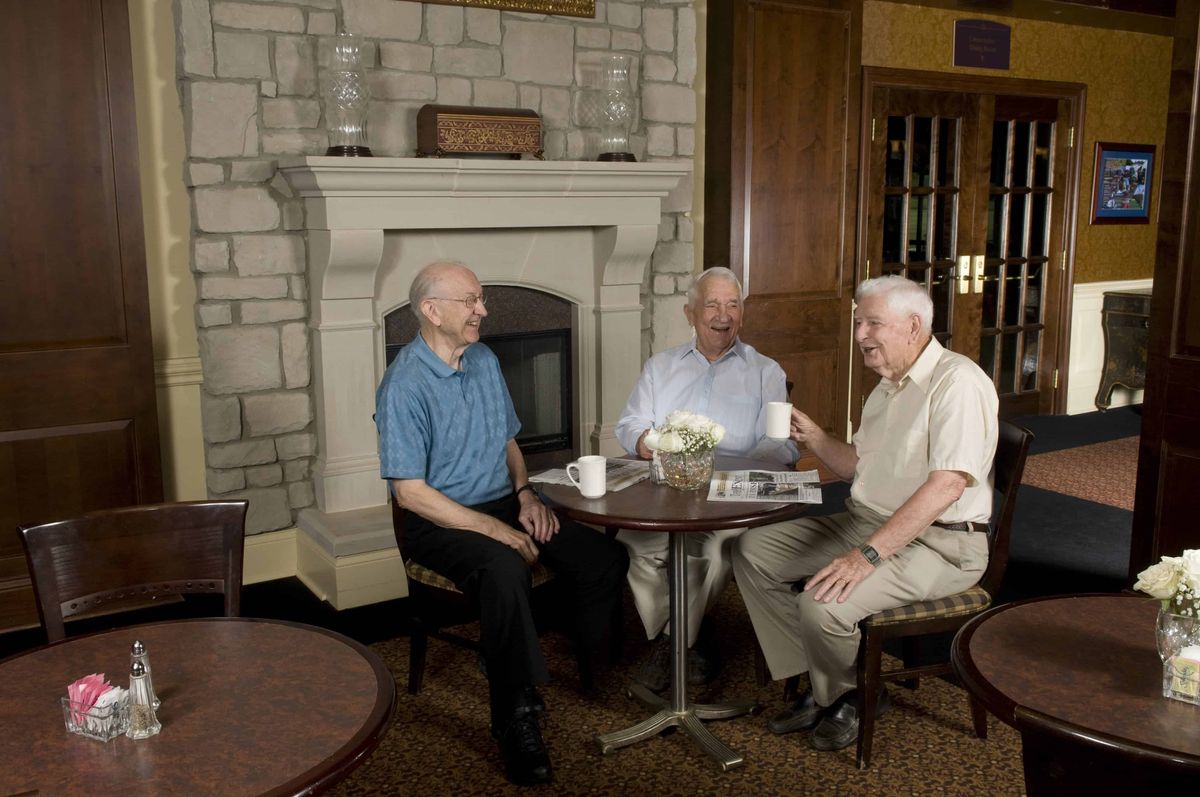
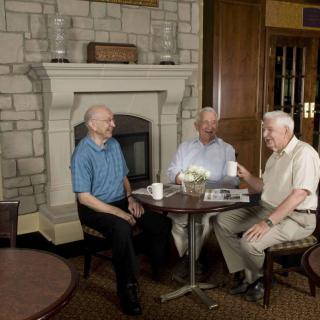
 University Place is a small, warm, and friendly community among residents and staff.
- It is owned and overseen by an experienced service corporation, providing stability.
- Enrichment activities are plentiful, with both religious and secular options and hobbies encouraged.
- The facility features a well-equipped woodworking shop and strong pastoral support.
- Quality dining service is a continuing priority.
- A close relationship with nearby Purdue University provides access to diverse expertise and cultural opportunities.
- The staff is consistently capable and dedicated.
- The building houses independent living, assisted living, memory support, and healthcare in one location, facilitating continuous care.
- Residents have abundant opportunities to interact daily, and transportation for errands is a plus.
- UP feels safe, friendly, and happy for residents and their families.
Cons
 The facility suffers from chronic understaffing and cannot adequately handle residents' needs.
- It is described as extremely expensive.
- Care is inconsistent, with meals and check-ins delayed or unpredictable.
- Residents needing full assistance are routinely last on the list, and end-of-hall placements are viewed as bad.
- High turnover of aides makes it hard for residents to form relationships.
- The back-and-forth over hospice responsibilities can leave residents neglected.
- Food service quality is below acceptable standards due to outsourcing.
- Online ratings are deceiving and do not reflect the facility's true quality.
Review
University Place is best suited for seniors who want a true continuing-care environment on a single campus and who prize a small, neighborly feel along with a path to escalating care without moving off-site. The community works well for residents who anticipate needing memory support or health services later while remaining in the same building, and for those who value proximity to Purdue, a nature-rich setting, and a schedule of on-site activities. In short, it suits independent-minded adults who seek seamless access to assisted living, memory care, and healthcare as life evolves, rather than for those who insist on highly reliable, high-touch care from day one.
For families weighing alternatives, the strongest caveat is clear: this is not the right pick for loved ones who require constant, predictable, high-touch supervision. Prospective residents with significant daily care needs, pronounced mobility or incontinence challenges, or a history of needing immediate response may find staffing variability, long gaps in assistance, and fluctuating meal delivery demanding. The price tag compounds the concern: high costs paired with perceived gaps in staffing and service can strain budgets without delivering the flawless, all-day responsiveness some families expect from a higher-acuity setting. Those who prioritize bite-size, consistently scheduled routines, especially around meals and personal care, should look at other options.
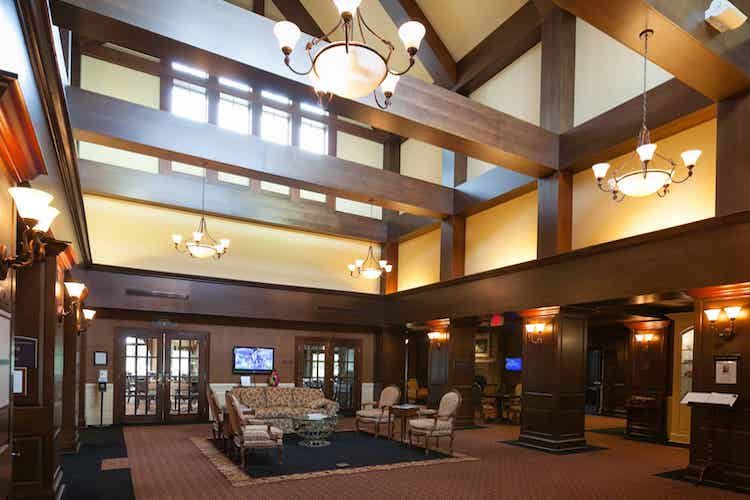
The facility’s continuum of care is a central strength that can offset many drawbacks, when viewed through the lens of long-range planning. Having independent living, assisted living, memory support, and health care under one roof minimizes disruption as needs change, and several reviews highlight a warm, stable community led by capable managers and staff. The on-site amenities, safe, well-kept grounds, a pastoral support network, and regular enrichment activities, foster a sense of belonging that helps residents form meaningful routines. A close relationship with Purdue and access to campus resources, plus the potential for transportation to errands, appointments, and events, reinforce the value of staying place-based as health needs evolve.
Staffing quality and engagement emerge as the decisive variable. On good days, residents describe a supportive, friendly environment where the team is capable and dedicated, with ongoing programs and a sense of family among residents. Yet persistent concerns about turnover and insufficient staffing for the assisted-living wing undermine reliability. Instances of late meals, delayed assistance for basic needs, and the perception that aides are spread too thin can erode trust, particularly for residents who rely on timely help. In addition, while some experiences praise the on-site dining and dining service, other voices flag a decline in food quality after outsourcing to a contractor, underscoring how operational choices ripple through daily life.
The most practical decision guardrails come from direct, floor-level diligence. Prospective families should tour during different shifts to gauge how responsive staff are, ask to review actual care plans, and verify the schedule and quality of meals. It is essential to probe how hospice and facility roles interact, one review notes a confusing handoff between hospice and in-house staff, and confirm that the care model aligns with the resident’s expectations for daily support. Considering the price and the mixed staffing signal, verify transparency in billing, confirm any late-fee policies, and request a detailed breakdown of services included in the continuum of care.
For families weighing options, University Place remains a compelling choice for those who want an integrated campus with a warm, community-focused atmosphere and an eye toward aging in place. It can be an excellent fit for independent or lightly assisted seniors who value stability, religious and cultural programming, a woodworking shop, and strong pastoral support, along with the convenience of staying in the same building if health needs change. However, for loved ones who require consistently high staffing ratios, flawless meal service, and unwavering day-to-day responsiveness, several alternatives, especially standalone assisted living or specialized memory-care facilities with proven staffing models, may deliver greater peace of mind and fewer day-to-day compromises.
 78 resident community capacity
 Assisted Living
 Independent Living
 Memory Care
 Skilled Nursing Facility
 Air-conditioning
 Beauty salon
 Cable or satellite TV
 Computer center
 Dining room
 Fitness room
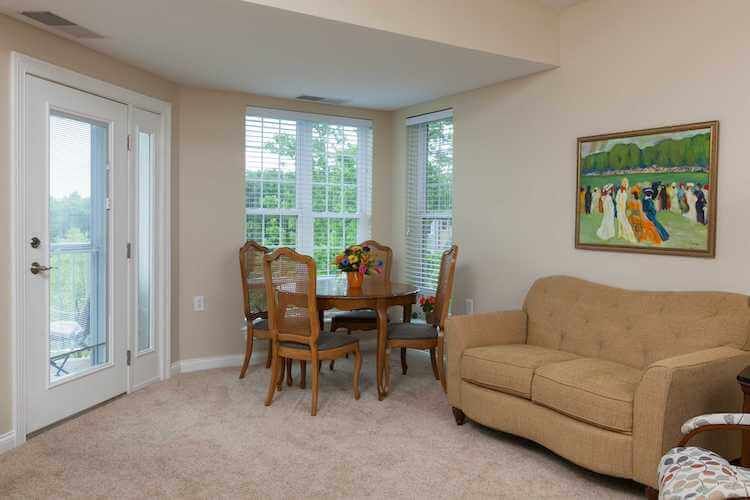
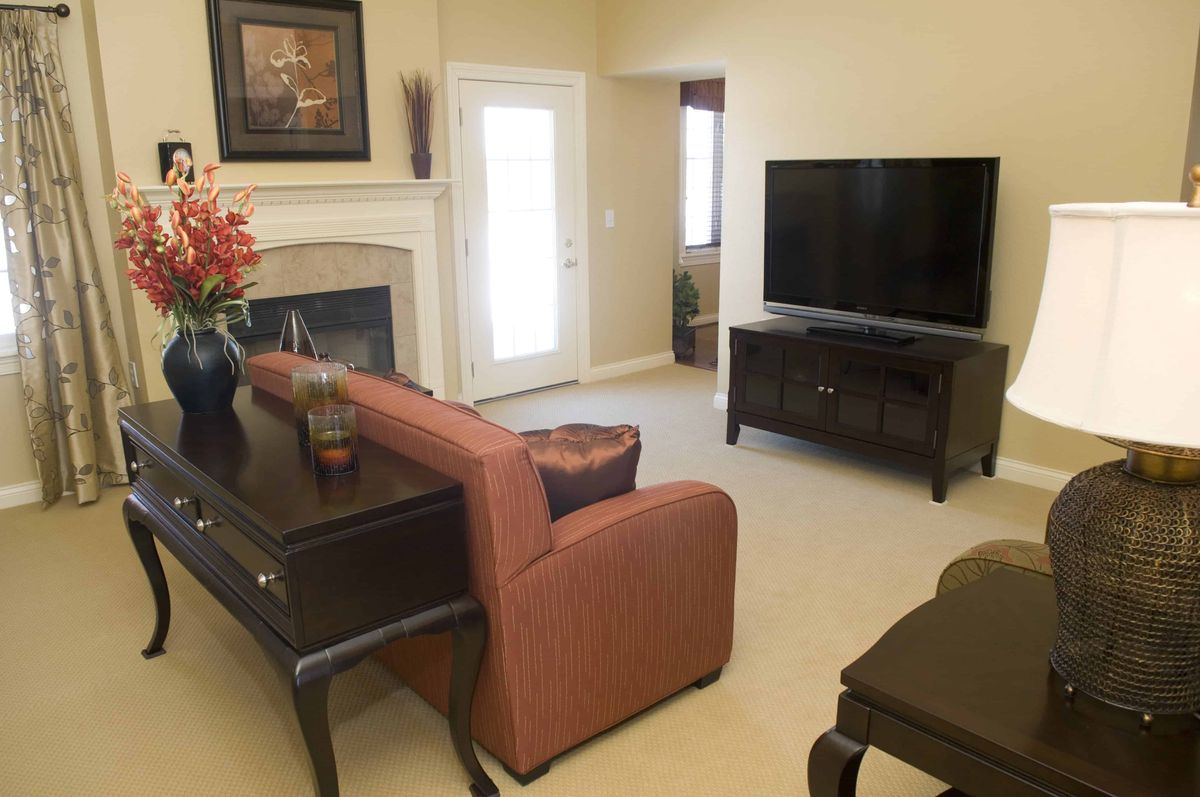
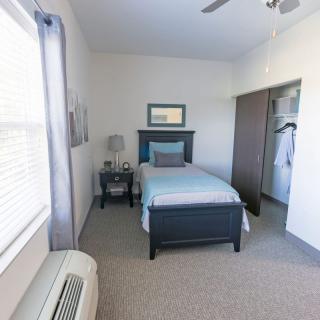
 Fully furnished
 Gaming room
 Garden
 Housekeeping services
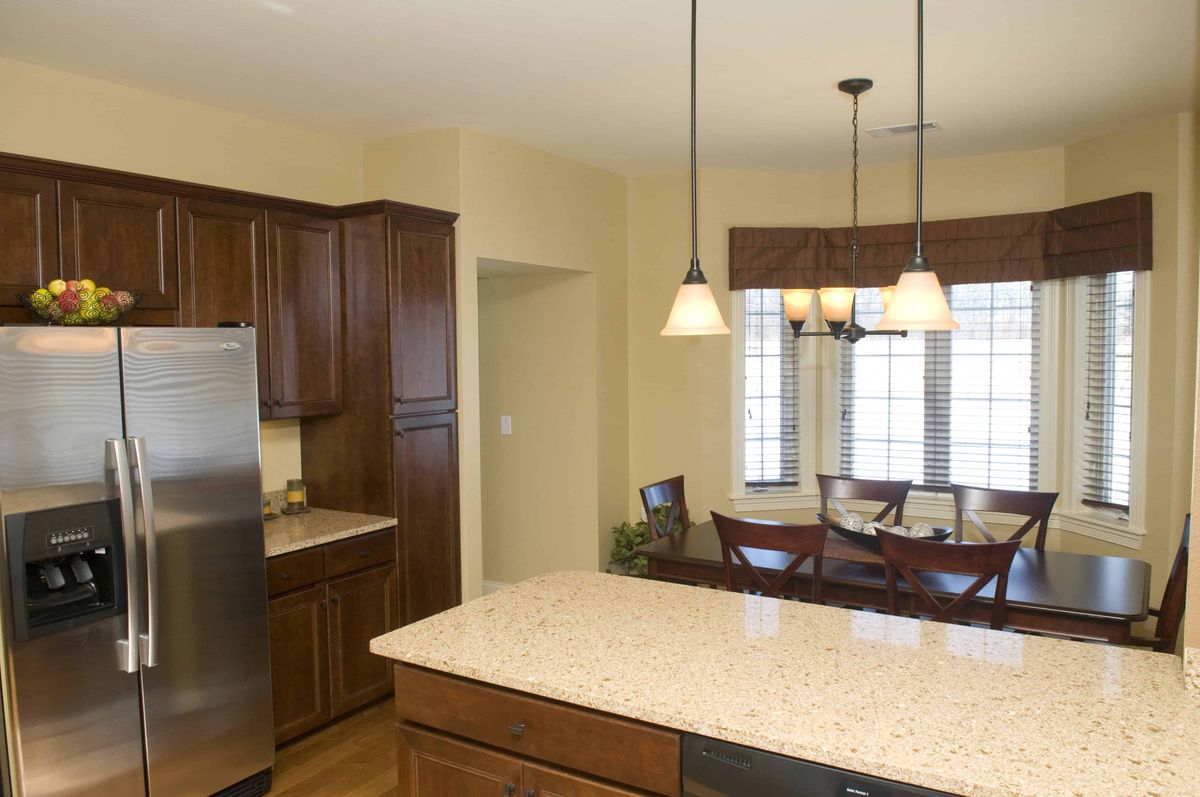
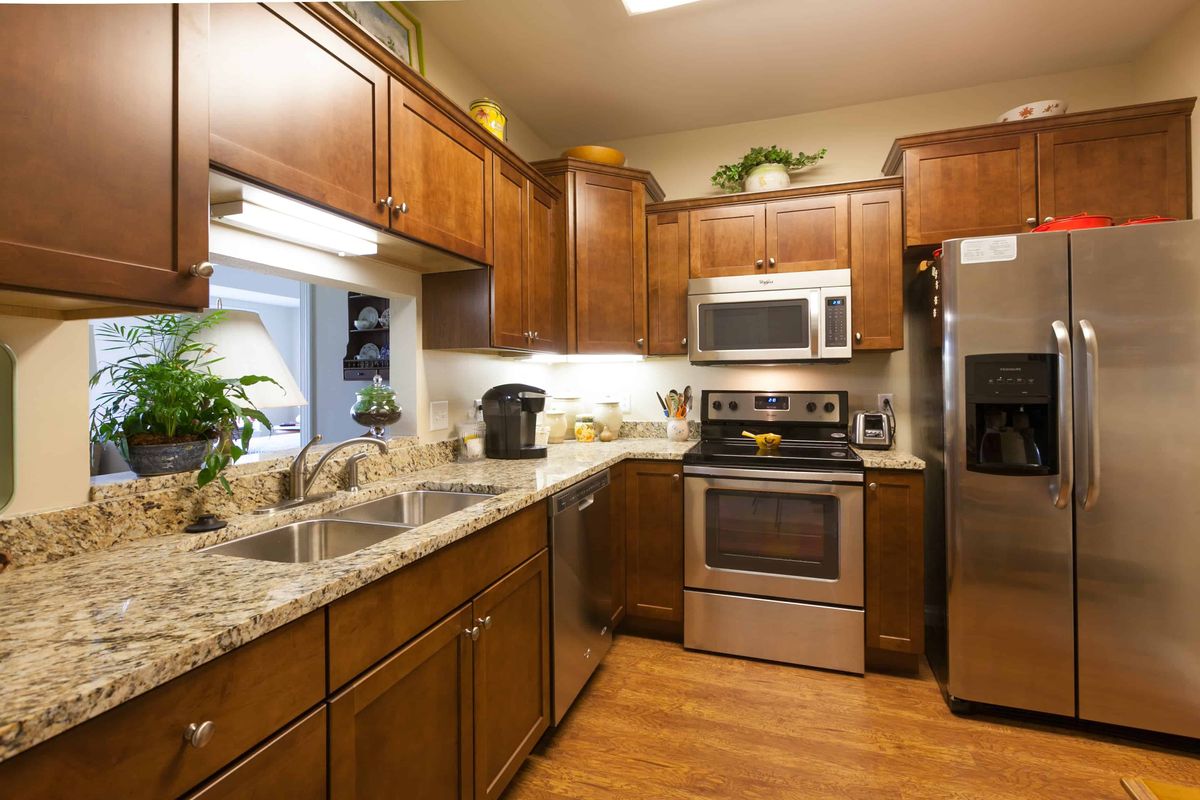
 Kitchenette
 Move-in coordination
 Outdoor space
 Private bathrooms
 Restaurant-style dining
 Small library
 Telephone
 Wellness center
 Wi-Fi/high-speed internet available
 Community operated transportation
 24-hour call system
 Activities of daily living assistance
 Assistance with bathing
 Assistance with dressing
 Assistance with transfers
 Diabetes diet
 Medication management
 Mental wellness program
 Special dietary restrictions
 Concierge services
 Planned day trips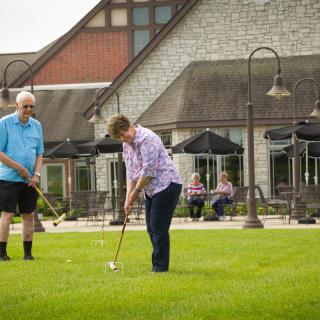






 Delving into the Inner World of Dementia: Insights into Thoughts and Awareness
 Five Subtle Dementia Indicators to Observe: An In-Depth Guide to Understanding “Does My Mom Have Dementia?”
 Dementia, Paranoia, and Caregiver Guidance: Understanding the Connection