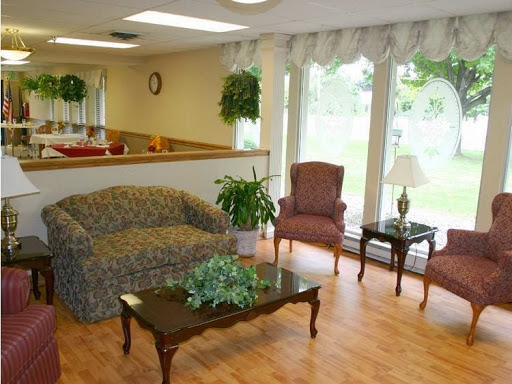
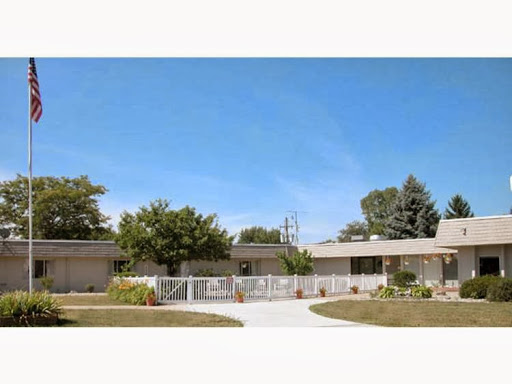
500 Walkerton Tr, Walkerton, IN 46574
For more information about senior living options: (866) 208-4318
Overall Review of Miller's Merry Manor I
Pros
 The facility is clean and the staff are caring.
- The staff are friendly, and the environment is clean and safe.
- They are doing an excellent job and making sure residents receive the best care possible.
- Families express gratitude and highly recommend Miller's Merry Manor.
Cons
 The aids and nursing staff are cited as the reason for the low rating.
- There were concerns about the lack of showers and teeth not being put in before meals.
- The DON brushed off concerns as no big deal.
- The nurse walked away after an accident, leaving the resident to clean up.
- There is ongoing neglect and laziness on the staff's part, with dirty diapers and skin breakdowns.
- Basic care should be standard, not a luxury, indicating a lack of dignity and safety for residents.
Review
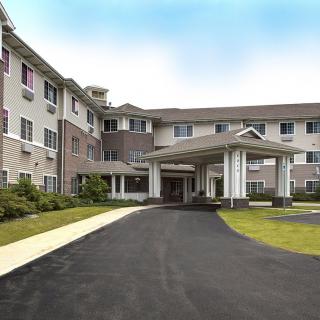
Miller’s Merry Manor I in Walkerton is best suited for older adults who place a high value on strong rehabilitative services, a clean and safe physical environment, and staff who are generally friendly and responsive. The facility earns praise for its physical therapy program, which many families view as a standout asset. In addition, the building itself tends to be kept orderly and presentable, giving residents and visitors a sense of safety and dignity. For families able to stay actively involved, the atmosphere can feel supportive and well-intentioned, and occasional staff interactions reinforce that commitment even when problems arise. This combination makes it a reasonable fit for residents who prioritize recovery-focused care or routine, clean surroundings and who can supplement care oversight with family involvement.
That said, serious caveats push many families to consider alternatives. The most persistent red flag is the variability in day-to-day personal care and oversight. Some reviews describe aides and nursing staff as the weak link, with repeated concerns about basic daily tasks not being completed promptly or properly. Instances cited include limited showers, dentures not being placed before meals, and ongoing safety risks that require vigilant monitoring. In at least one account, a nurse failed to respond appropriately to a fecal incontinence episode, leaving family members to manage the situation and prompting questions about whether dignity and skin integrity are consistently protected. For families with loved ones who require steady, hands-on assistance with dressing, hygiene, and critical safety checks, these gaps can feel unacceptable.
The most consequential negatives revolve around care quality and staff responsiveness. A pattern of perceived neglect, particularly with dementia care, undermines trust that basic needs will be met in a timely, respectful manner. Accounts describe situations where a resident’s needs were not anticipated or addressed, and where leadership appeared reluctant to acknowledge or remedy the issues. The disconnect between what families expect as standard practice and what is experienced by residents points to a systemic risk: without reliable, proactive caregiving, the facility’s other strengths (cleanliness, atmosphere, rehabilitation options) may be outweighed by the potential for skin breakdown, discomfort, and diminished dignity. In short, the compassionate tone of some staff members does not consistently translate into consistent, high-quality daily care.
Despite these concerns, there is a meaningful contrast between the rehabilitative and environmental strengths and the inconsistencies in daily caregiving. The physical therapy program remains a compelling draw for residents who can benefit from structured, effective rehabilitation, and the facility’s upkeep reinforces a sense of safety and routine. Several families report positive experiences with specific staff members and a generally clean, well-maintained setting. This means the place can still meet expectations for those who are able to maintain close, ongoing advocacy, addressing care plans, monitoring daily routines, and quickly escalating problems when they appear. For residents who require intermittent therapy and thrive in a supervised, orderly environment, Miller’s Merry Manor I can deliver solid value.
For families weighing next steps, a practical approach is essential. Prospective residents should request a transparent tour focused on daily care routines: meal assistance, toileting schedules, showering frequency, denture management, and skin-care practices. Ask to review staffing patterns and turnover by shift, and request direct contact with front-line aides to gauge the consistency of care promises. Seek current residents’ and families’ experiences with incident follow-ups and how concerns are documented and resolved. Consider requesting a structured trial period with strict milestones for care quality, and insist on a formal plan for dementia or memory-care needs if applicable. If the answer to these questions feels uncertain or the staff’s willingness to address gaps seems inconsistent, alternatives with higher daytime care reliability or stronger daily oversight should be pursued.
In sum, Miller’s Merry Manor I is a viable option for families prioritizing rehabilitation services, a clean, safe environment, and a generally friendly staff when daily care needs are moderate and can be closely monitored from the outside. It is less suitable for residents who require consistent, highly attentive daily caregiving and immediate, dignity-preserving responses to personal hygiene and safety concerns. Alternatives should be explored for those with advanced memory impairment, complex incontinence management, or a history of slipping through the cracks in daily care. When care quality, not just comfort or rehabilitation potential, is non-negotiable, this community benefits from cautious optimism: it can be a good match if a robust, proactive advocacy plan is in place and consistently executed, but it will not satisfy every high-need scenario without substantive improvements in day-to-day caregiving.
 107 resident community capacity
 Assisted Living
 Skilled Nursing Facility
 Air-conditioning
 Beauty salon
 Cable or satellite TV
 Computer center
 Dining room
 Fitness room
 Fully furnished
 Gaming room
 Garden
 Housekeeping services
 Kitchenette
 Move-in coordination
 Outdoor space
 Private bathrooms
 Restaurant-style dining
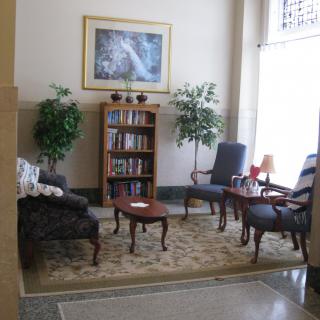
 Small library
 Telephone
 Wellness center
 Wi-Fi/high-speed internet available
 South Bend Regional (19 miles away)
 Community operated transportation
 24-hour call system
 Activities of daily living assistance
 Assistance with bathing
 Assistance with dressing
 Assistance with transfers
 Diabetes diet
 Medication management
 Special dietary restrictions
 Concierge services
 Planned day trips



 An Extensive Exploration of the VA Aid and Attendance Benefit
 Senior Transition Services: Understanding Their Role, Cost, and Importance
 Exploring the Path to Senior Living: A Comprehensive Look at Independent Living and Assisted Living