

3530 Monroe Street, La Porte, IN 46350
For more information about senior living options: (866) 208-4318
Overall Review of Miller's Health & Rehab By Miller's Merry Manor
Pros
 The nurses are exceptional, efficient, and compassionate.
- The CNAs are equally good, caring, helpful, and pleasant.
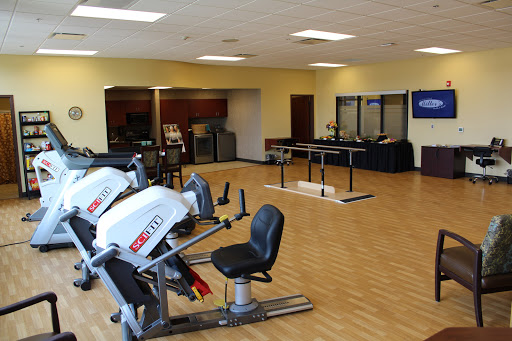
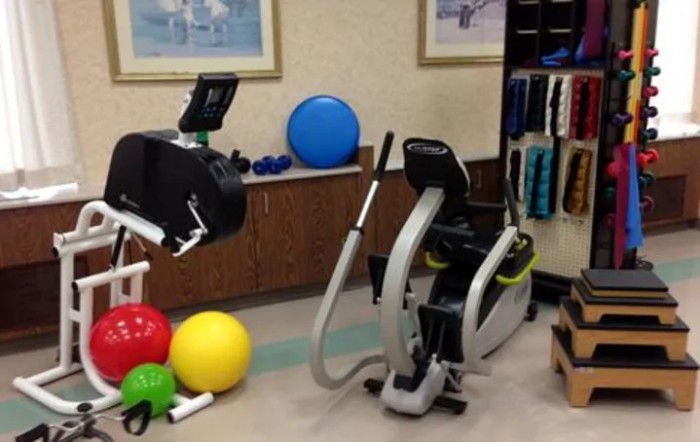
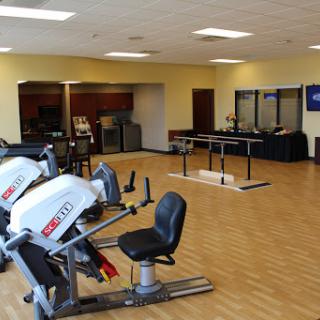
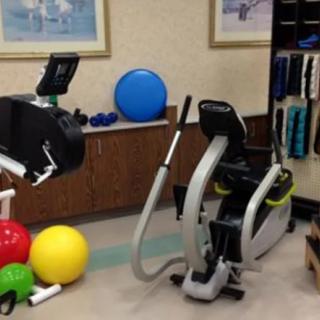
- The rehabilitation program was fantastic and made it fun for residents.
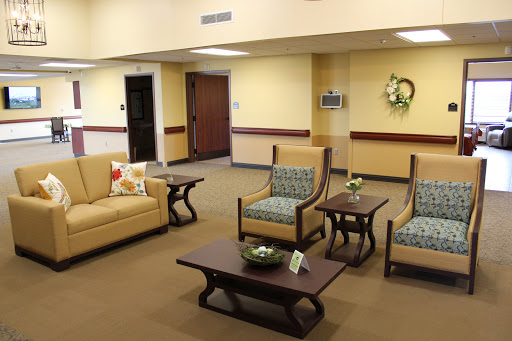
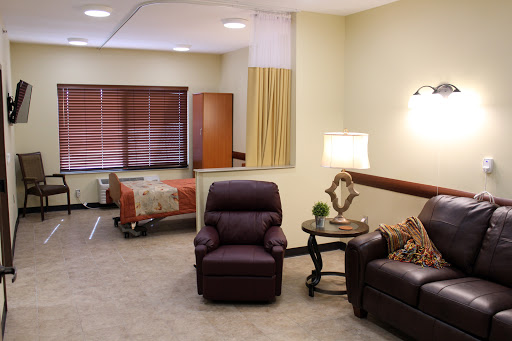
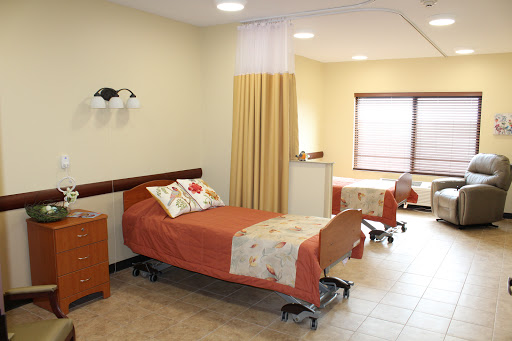
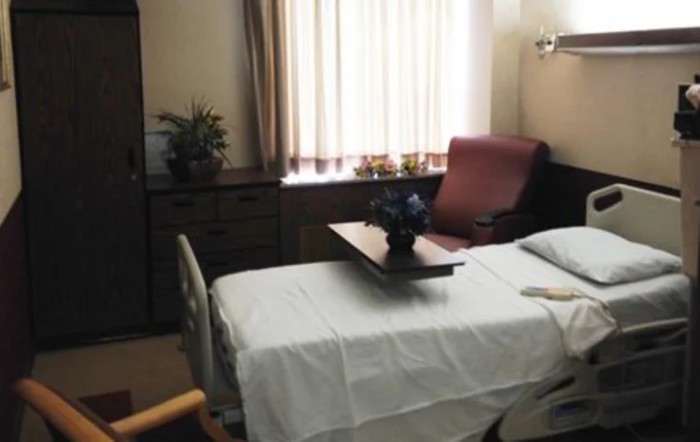
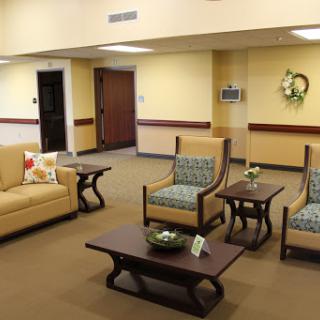
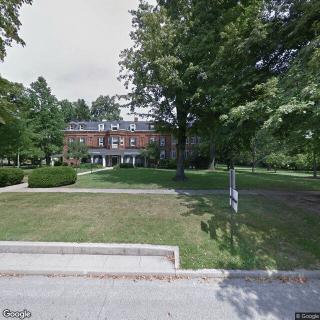
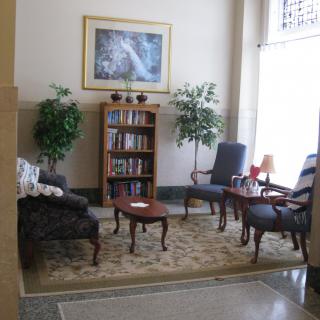
- The facility is clean, beautifully decorated, and welcoming.
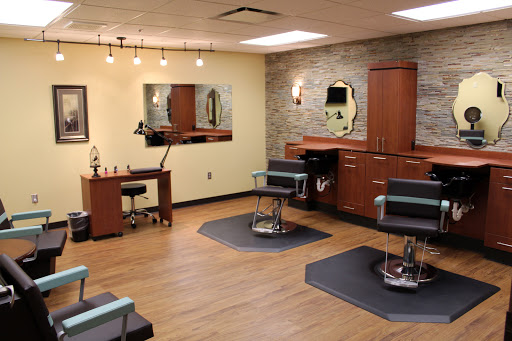
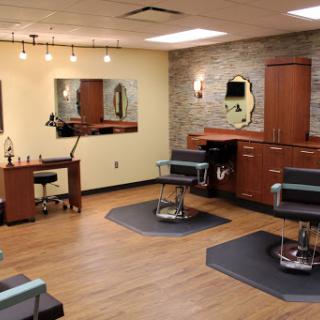
- The food is awesome, and residents enjoy services like salon visits.
- The staff communicate clearly with families and explain care plans and medication changes.
- The caregivers treat residents like their own family, showing warmth and genuine care.
Cons
 The nurses and Dr. Kamron were described as very unprofessional and negligent.
- The reviewer would not take their dog there.
- The facility was graded as an F-.
- The care was described as horrible and uncaring.
- One reviewer warned readers they'd be lucky if they got out alive.
- A reviewer proclaimed “Shame on them” toward the staff.
Review
Miller's Health & Rehab by Miller's Merry Manor in La Porte is best suited for families seeking a rehab-focused community that blends professional therapy, attentive nursing, and a homelike environment designed to help residents regain independence. This is a strong pick for someone recovering from surgery or illness who needs coordinated care, clear med-management communication, and an active social milieu to stay engaged during recovery. The setting rewards residents with a clean, well-maintained building, accessible dining that earns consistent praise, and a therapy suite that supports progress. For families prioritizing transparent updates about progress and medications, Miller’s delivers regular, understandable explanations that reduce anxiety during a stressful transition.
Those weighing alternatives should note that not every review is aligned on every point. A few observers flag the possibility of inconsistent staff professionalism and variability in day-to-day oversight, suggesting that families undertake a thorough pre-admission tour with specific questions about staffing patterns, supervision, and escalation procedures. Individuals who require highly rigid medical oversight, or who have experienced prior gaps in accountability at other facilities, may find this facet disconcerting and worth comparing against peers in the region. Also, residents who need long-term, highly specialized care outside the rehab continuum might be better served elsewhere.
The core strengths of Miller’s lie in the rehab-focused ecosystem and the people who run it. Across multiple accounts, nurses and CNAs are described as compassionate, efficient, and easy to work with, with staff consistently willing to explain changes in care plans and medications to family members. The rehab program itself is portrayed as both effective and engaging, patients recover mobility and function while enjoying a schedule that supports social interaction, which accelerates motivation and adherence. Families frequently praise how staff sustain a respectful, patient-centered tone even when conditions are stressful, and they point to the hospital-level communication that keeps care coordinated with physicians and outside providers when needed.
Yet the negative voice cannot be entirely dismissed. A minority of reviewers question the level of professionalism and medical oversight, with one harsh verdict labeling the nursing team and physician as negligent and unprofessional. That perspective stands in stark contrast to the bulk of positive feedback and serves as a reminder that experiences can diverge within the same community. For families, this means seeking concrete assurances: tour the facility, request recent rehab outcomes data, and inquire about care coordination protocols, timelines for escalation, and how concerns are documented and resolved. Such diligence helps to separate out a rare misalignment from the norm.
Despite the fissures in review sentiment, the consistent themes point toward Miller’s as a compelling option for rehab-to-home goals. The combination of a well-maintained, welcoming environment, highly regarded therapy resources, and a care team that communicates well creates a credible pathway back to independence. Families also benefit from tangible positives beyond clinical care: nutritious meals described as a standout, opportunities to stay social, and conveniences like salon services that contribute to resident dignity and morale. Proximity to home for scripting post-discharge steps and caregiver collaboration also strengthens the overall value proposition.
The practical conclusion is clear: Miller’s Health & Rehab merits serious consideration for those prioritizing effective short-term rehabilitation with a compassionate staff and a social, engaging atmosphere. Prospective residents should plan a comprehensive visit, speak directly with the therapy team and nursing leadership, and request candid anecdotes from current families about both successes and challenges. If a resident’s needs center on consistent, highly regulated medical oversight or if prior experiences with care teams have underscored a demand for unwavering reliability, this facility should be weighed against close regional competitors. The right decision hinges on aligning personal goals, returning home soon, enjoying daily activities, and feeling confident in daily med management, with the proven strengths highlighted by most families.
 81 resident community capacity
 Assisted Living
 Skilled Nursing Facility
 Air-conditioning
 Beauty salon
 Cable or satellite TV
 Computer center
 Dining room
 Fitness room
 Fully furnished
 Gaming room
 Garden
 Housekeeping services
 Kitchenette
 Move-in coordination
 Outdoor space
 Private bathrooms
 Restaurant-style dining
 Small library
 Telephone
 Wellness center
 Wi-Fi/high-speed internet available
 South Bend Regional (20 miles away)
 Community operated transportation
 24-hour call system
 Activities of daily living assistance
 Assistance with bathing
 Assistance with dressing
 Assistance with transfers
 Diabetes diet
 Medication management
 Special dietary restrictions
 Concierge services
 Planned day trips





 Assisted Living and Memory Care: Understanding Their Core Differences
 Beyond the Bingo Hall: 50+ Enriching Activities for Seniors in Assisted Living
 Understanding the Distinctions: Assisted Living and Memory Care Explained