At Oakwood Health Campus, the monthly costs for accommodations reflect a competitive pricing structure when compared to both Perry County and the broader state of Indiana. For a one-bedroom unit, residents will find that the cost aligns closely with the county average at $1,538, which is considerably lower than the state's average of $3,300. Similarly, for studio apartments, Oakwood offers a price of $4,200 - matching the local market yet exceeding the state figure of $3,258. This pricing indicates that while Oakwood aligns with county norms for one-bedroom units, its studio rates may suggest a premium level of service or amenities that could justify the higher expense. Overall, Oakwood Health Campus provides an attractive option for those seeking quality care within a reasonable budget in Perry County.
Floor plans
Oakwood Health Campus
Perry County
Indiana
1 Bedroom
$1,538
$1,538
$3,300
Studio
$4,200
$4,200
$3,258
Overall Review of Oakwood Health Campus
differentiator12 reviews mention this
Rehab and skilled care
Residents and families frequently describe strong rehab therapy support during recovery stays.
Many reviewers talk about therapy and rehab helping them or their loved ones get back on their feet, with repeated praise for both the therapy team and the nursing support around it. Several reviews describe rehab stays with clear goals and help reaching them, and a few mention continuing therapy after the stay. The community also offers multiple care types, including assisted living and skilled nursing, which aligns with why therapy shows up so often in resident and family accounts.
common44 reviews mention this
Caring, attentive staff
Staff compassion and responsiveness come up again and again in residents’ and families’ experiences.
Across many reviews, families describe staff members as kind, patient, and attentive, often saying their loved ones are treated “like family.” Several reviewers mention staff being available and communicative—keeping families informed, honoring preferences, and providing day-to-day reassurance. A few reviews also call out specific aides, nurses, or administrators by name, reinforcing that care experiences are personal rather than one-size-fits-all.
common18 reviews mention this
Meals and food choices
Meals and food quality are a frequent bright spot in day-to-day feedback.
Multiple reviewers describe the food positively, including saying meals are enjoyable, delivered to where they live, and prepared with thoughtful choices. Some reviews specifically mention being able to pick meals and access support from the chef or kitchen staff, while others highlight that there are plenty of options. This lines up with the community offering restaurant-style dining and a dining approach that supports a range of dietary preferences.
common13 reviews mention this
Activities, outings, and social time
Residents often describe a steady schedule of activities and social events.
Reviews commonly mention programs that keep residents engaged, including games, music, and outings, plus more social events that help people connect. Several families say their loved ones especially enjoy the activities and fellowship with other residents. The community also lists community-sponsored programs and visiting devotional and religious services, which helps explain why the activity calendar shows up repeatedly in resident and family feedback.
common6 reviews mention this
Clean facilities and upkeep
Reviewers repeatedly mention a clean, well-kept campus and rooms.
Some reviews praise the building and living spaces as clean and maintained, with examples like keeping rooms and clothes tidy. A few reviewers also note ongoing upkeep improvements over time, which adds to their confidence in how the facility is run. While cleanliness isn’t the only theme, it shows up often enough to be part of the overall experience.
How we summarize
Counts show how many written reviews mention each theme; a review can touch several themes, and only frequently mentioned themes are displayed.
Features
Housing
124 resident community capacity
2-bedroom apartments
Studio apartments
Types of Care
Assisted Living
Day Program
Independent Living
Memory Care
Skilled Nursing Facility
Amenities
Activities off-site
Activities on-site
Air-conditioning
Beautician on-site
Beauty salon
Cable or satellite TV
Computer center
Devotional services off-site
Dining room
Fitness room
Fully furnished
Gaming room
Garden
Ground floor units
Handicap accessible
Housekeeping services
Indoor common areas
Kitchenette
Move-in coordination
Outdoor common areas
Outdoor space
Private bathrooms
Respite or short term stays offered
Restaurant-style dining
Small library
Telephone
Wellness center
Wheelchair accessible showers
Wi-Fi/high-speed internet available
Transportation
Community operated transportation
Transportation arrangement
Care Services
24-hour call system
24-hour supervision
Activities of daily living assistance
Ambulatory care
Assistance with bathing
Assistance with dressing
Assistance with transfers
Diabetes diet
Diabetic care
Incontinence care
Meal preparation and service
Medication management
Mental wellness program
Mild cognitive impairment
Special dietary restrictions
Specialized memory care programming
Dining
Anytime dining
Diabetes diet
Gluten-free
Guest meals
International cuisine
Low / no sodium
Meals provided
No Sugar
Organic
Professional chef
Restaurant style dining
Room service
Special dietary restrictions
Special dining programs
Vegetarian
Activities
Art classes
Catholic services
Community-sponsored activities
Concierge services
Cooking classes
Day trips and outings
Devotional activities offsite
Educational speakers / life long learning
Fitness programs
Happy hour
Karaoke
Live musical performances
Live well programs
Other religious services
Planned day trips
Resident-run activities
Scheduled daily activities
Visiting chaplain or priest
Wine tasting
Nearby Places of Interest
Located in Tell City, Indiana, this area offers a variety of amenities that cater to seniors looking for a peaceful and convenient place to reside. With multiple places of worship nearby, including the North United Methodist Foundation and Community Christian Church, residents have easy access to spiritual support. In terms of healthcare, there are several physicians' offices within a short distance, such as James Richard Rogan and Perry Regional Foot and Ankle, along with the reputable Perry County Memorial Hospital. Dining options like Julie's Tell Street Cafe and The Post provide opportunities for socialization and delicious meals close to home. Parks like Sunset Park/Tell City Riverfront offer scenic views and recreational activities for outdoor enthusiasts. Additionally, pharmacies like Werner Drug Store ensure easy access to medications and health supplies. Overall, this area in Tell City provides a balanced mix of essential services and leisure options for seniors seeking a comfortable living environment.
Places of Worship
North In United Methodist Foundation (0 miles)
Southern Baptist Convention (0.8 miles)
Evangelical Ucc (0.9 miles)
Evangelical United Church of Christ (1 miles)
Community Christian Church (1 miles)
St Paul's Church (1.1 miles)
Life Tabernacle United Pentecostal Church (1.2 miles)
Physicians
James Richard Rogan (0.3 miles)
Burris LeClere & Labhart Eye Center (1.2 miles)
Perry Regional Foot and Ankle (1.2 miles)
Perry County Memorial Hospital (1.3 miles)
Owensboro Health Medical Group - Orthopedics & Sports Medicine (1.4 miles)
At Oakwood Health Campus, the monthly costs for accommodations reflect a competitive pricing structure when compared to both Perry County and the broader state of Indiana. For a one-bedroom unit, residents will find that the cost aligns closely with the county average at $1,538, which is considerably lower than the state's average of $3,300. Similarly, for studio apartments, Oakwood offers a price of $4,200 - matching the local market yet exceeding the state figure of $3,258. This pricing indicates that while Oakwood aligns with county norms for one-bedroom units, its studio rates may suggest a premium level of service or amenities that could justify the higher expense. Overall, Oakwood Health Campus provides an attractive option for those seeking quality care within a reasonable budget in Perry County.
Oakwood Health Campus ensures a supportive environment for residents with dementia or Alzheimer's disease through its comprehensive range of services designed to address both cognitive and physical needs. The 24-hour supervision provides constant oversight, enhancing safety and allowing for prompt responses to any alterations in behavior or health. Assistance with activities of daily living, including bathing, dressing, and transfers, helps maintain personal dignity while promoting independence. Incontinence care is handled sensitively, minimizing discomfort for residents. Meal preparation and service focus on nutritious options tailored to individual preferences, further supporting overall well-being. Medication management reduces the risk of errors in administration, ensuring that residents receive their prescribed treatments on time. The mental wellness program fosters cognitive engagement and emotional support, while the specialized memory care programming targets the unique challenges faced by those with mild cognitive impairment or advanced stages of dementia. This holistic approach ultimately creates an environment that prioritizes comfort and enhances quality of life for residents navigating the complexities of memory loss.
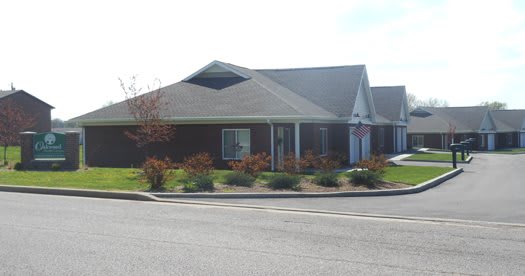
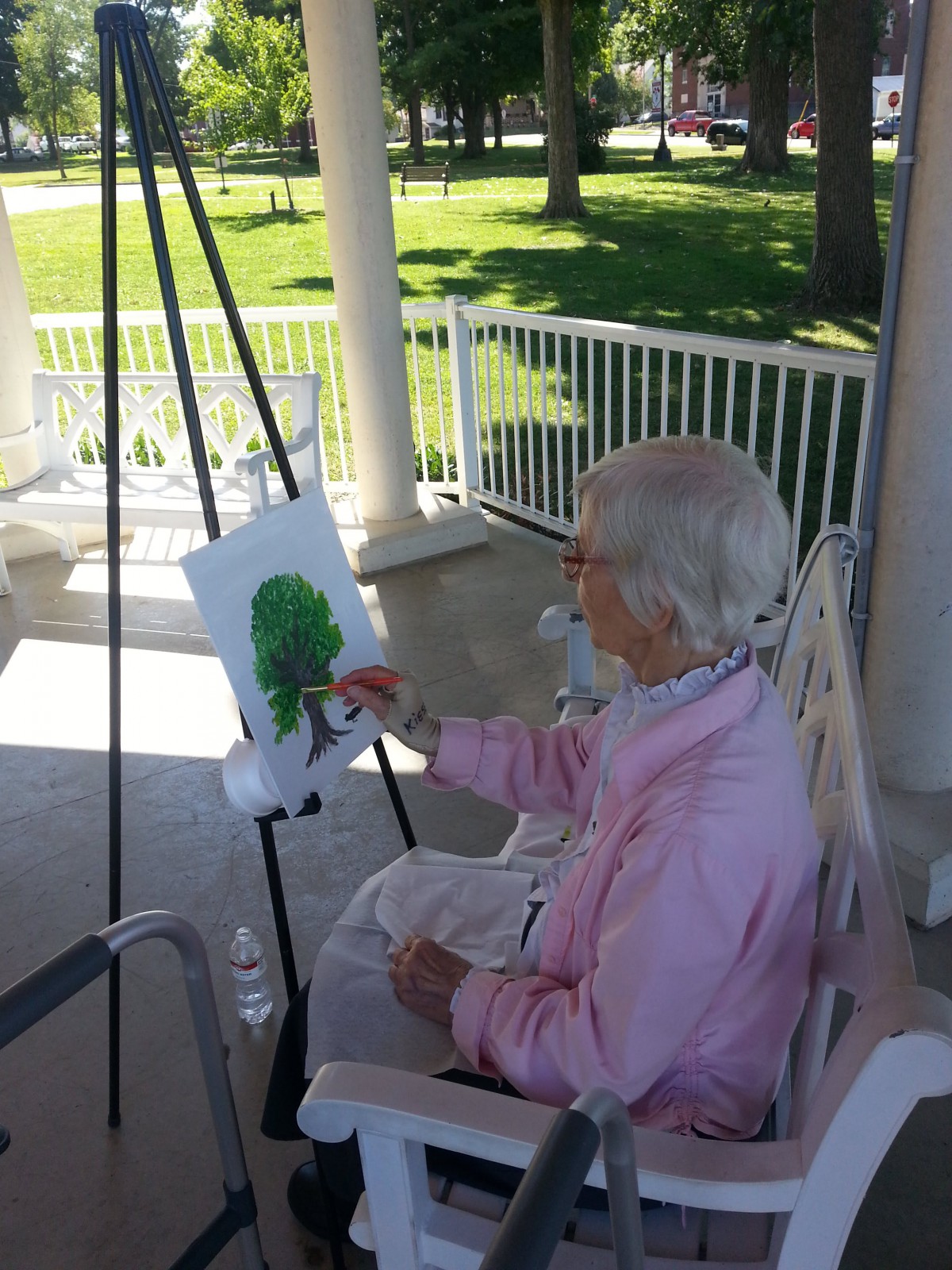
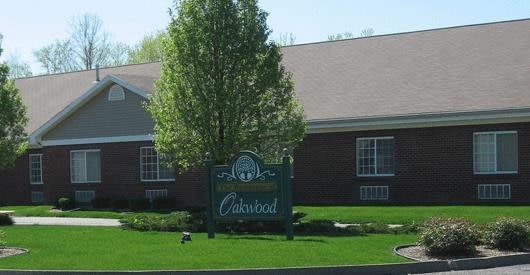
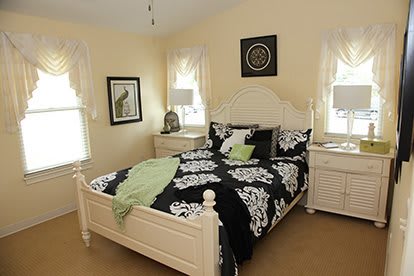
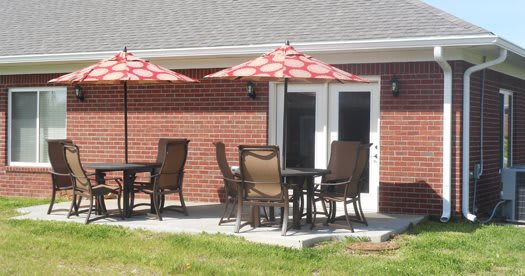
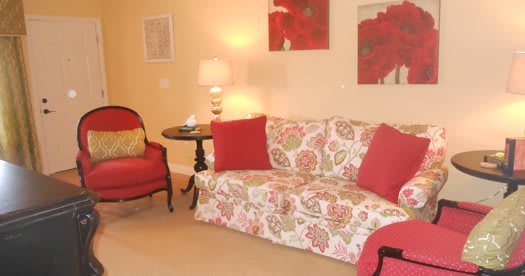
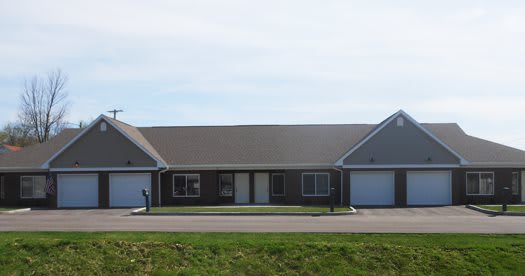
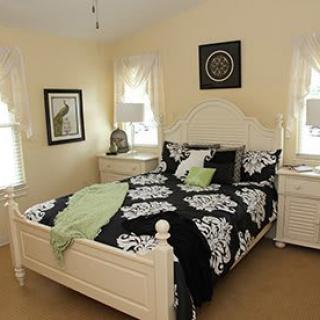
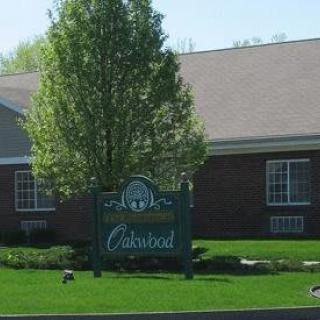
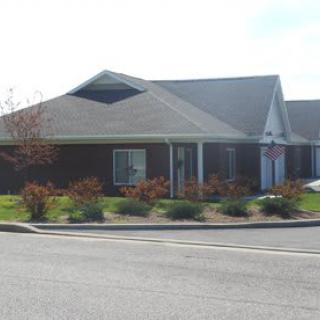
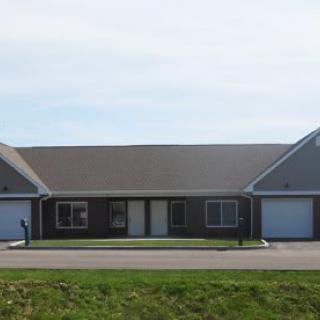
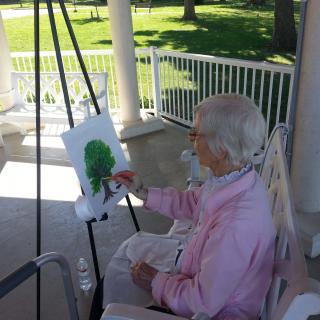
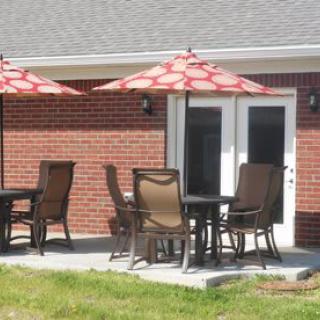
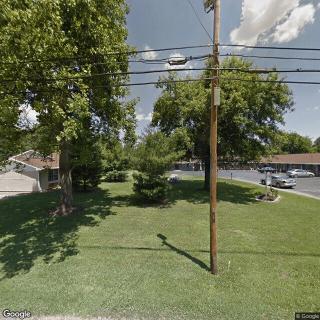
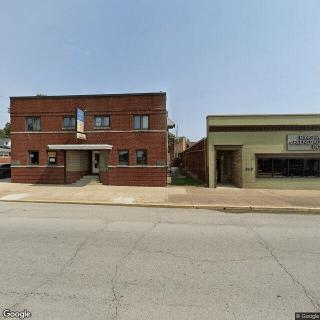
Oakwood Health Campus on seniors.fyi includes 9 photos including images showing landscaping, building, bedroom, decor, patio, outdoor furniture, umbrellas, brick building, and more.
Nearby Communities
Golden Living Center - Lincoln Hills
Tell City, IN
4.4 from 8 reviews
24/7 supervision with broad on-site amenities and activity options.
Heartland Villa Center
Lewisport, KY
4.9 from 71 reviews
24/7 supervision with daily living assistance and engaging activities.
The Oaks Personal Care Home - Lewisport
Lewisport, KY
3.2 from 5 reviews
Diabetic care available with active social and faith-based programs.
The Oaks Pch/Lewisport
Lewisport, KY
3.2 from 5 reviews
Extensive on-site amenities with 24/7 supervision and personalized care.
Miller's Merry Manor
Rockport, IN
5 from 4 reviews
Welcoming assisted living with personalized care, engaging programs, and a serene setting.
Miller's Merry Manor - Rockport
Rockport, IN
5 from 4 reviews
24/7 supervision with extensive on-site amenities (dining, restaurant-style meals, salon, fitness, library, outdoor spaces) and private bathrooms/kitchens.
Home Instead - Jasper, IN
Jasper, IN
4.3 from 56 reviews
Staff are generally pleasant and attentive, with standout caregivers who formed a strong positive bond with the resident.
At-home dementia care expenses vary widely based on care levels, location, and caregiver expertise, with monthly costs for home health aides exceeding $4,500 and specialized care potentially surpassing $100,000 annually. While families favor in-home care for its comfort and personalized attention, they must consider financial planning and the challenges of caregiver fatigue.
The article discusses the late stages of dementia, detailing the progression from mild to severe impairment and highlighting key characteristics such as profound cognitive decline and dependency in daily activities. It emphasizes care strategies focused on comfort and dignity, the importance of advance directives, and the emotional support needed for family caregivers facing this challenging journey.
The article examines the link between certain medications and increased dementia risk, particularly in older adults, emphasizing that long-term or high-dose use of anticholinergics, benzodiazepines, and other drug classes can exacerbate cognitive impairment. It calls for careful medication evaluation and shared decision-making to mitigate these risks while managing treatment efficacy.
Patio, Outdoor Furniture, Umbrellas, and Brick Building
Outdoors and Wheelchair
Tree
Garage and Residential Building
Get PricingAsk A QuestionSchedule A TourContact Senior Advisor
By clicking submit, you agree to our Partner's Terms of Use. You
also consent to receive calls and texts, which may be autodialed, from our Partner. Your consent is not a condition to
using our Partner's service. Please visit our Partner's Privacy Policy for information about their privacy practices.





 124 resident community capacity
 2-bedroom apartments
 Assisted Living
 Day Program
 Independent Living
 Memory Care
 Skilled Nursing Facility
 Air-conditioning
 Beautician on-site
 Cable or satellite TV
 Computer center
 Devotional services off-site
 Dining room
 Fitness room
 Fully furnished
 Gaming room
 Garden
 Ground floor units
 Handicap accessible
 Housekeeping services
 Indoor common areas
 Kitchenette
 Move-in coordination
 Outdoor common areas
 Private bathrooms
 Respite or short term stays offered
 Restaurant-style dining
 Small library
 Telephone
 Wellness center
 Wheelchair accessible showers
 Wi-Fi/high-speed internet available
 Community operated transportation
 24-hour call system
 Ambulatory care
 Assistance with bathing
 Assistance with dressing
 Assistance with transfers
 Diabetes diet
 Diabetic care
 Incontinence care
 Medication management
 Mental wellness program
 Special dietary restrictions
 Art classes
 Catholic services
 Concierge services
 Cooking classes
 Day trips and outings
 Educational speakers / life long learning
 Happy hour
 Karaoke
 Live musical performances
 Wine tasting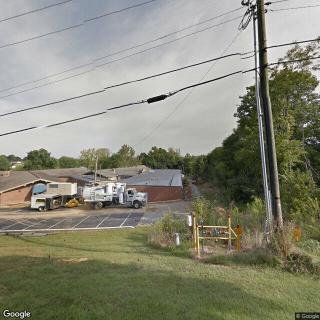
 24/7 supervision with broad on-site amenities and activity options.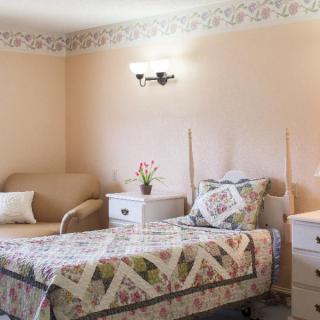


 Estimating the Expenses of At-Home Dementia Care: A Detailed Exploration
 Comprehensive Insights on the Late Stages of Dementia: What to Expect and How to Provide Care
 Medications Associated with Dementia Risk: A Comprehensive Overview