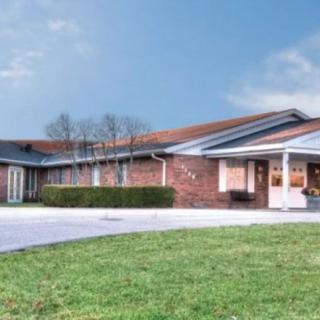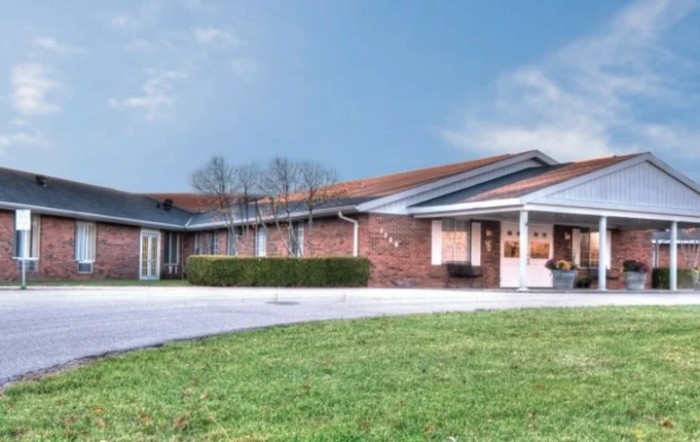
1350 North Todd Drive, Scottsburg, IN 47170
For more information about senior living options: (866) 208-4318
Overall Review of Waters Of Scottsburg
Pros
 They had a really good experience at The Waters, and the physical therapy team did a great job.
- The therapy department was fantastic during rehab, and the nurses and activity staff were highly praised.
- The staff were described as great people who provided excellent care.
- The team was amazing and treated the resident like family, building positive relationships with other residents.
- The facility showed genuine care for patients, with compassionate and proactive staff who kept families informed.
- It was clean, friendly, and accommodating, which mattered a lot to them.
Cons
 They were billed $9,000 for care and were told it was out of network, which they call wrong.
 - The food at the facility is not fit for a dog, and residents are neglected, with fights in memory care and requests ignored.
- Residents have no dental hygiene and rarely get a haircut; one family member was put to bed in dirty clothes.
- The experience was pure misery: they cried daily, developed a rash, and meds were late or withheld.
- The environment is unprofessional, with management described as unprofessional, and they would not recommend the facility.
- A nurse served a used toothbrush and told them to throw it away.
- A dementia patient was given the wrong diet, aspirated, developed pneumonia, and died; not recommended.
- There is gossip among staff and a sense that loved ones will get worse there unless they fight for themselves.
Review
Waters Of Scottsburg is best suited for families seeking meaningful rehab and personal attention over upscale amenities. The community tends to excel in post-acute or short-term rehab, where the aim is to restore independence and establish a workable daily rhythm. Positive reports credit the rehab team with building rapport and driving progress, and praise the nursing and activity staff for staying engaged with families. If hands-on therapy, clear communication, and a care culture that treats residents like people first are non-negotiables, this setting earns careful consideration. For recovery-focused care anchored in relationships rather than polish, Waters Of Scottsburg tends to deliver.
On the upside, the strongest distinguishing advantages lie in the rehab program and staff engagement. Families consistently highlight the physical therapy department for effective, steady progress and the overall responsiveness of caregivers. In several accounts, staff go beyond routine duties to comfort and reassure families, and one reviewer notes a moment of personal connection, therapy staff praying with a patient, as indicative of genuine, human-centered care. The facility is frequently described as clean and friendly, with residents and families valuing a predictable daily routine. These elements translate into real progress and a sense of reliable support during a vulnerable period.
Yet the cons cannot be glossed over. Across multiple accounts, memory-care experiences raise serious questions about safety, autonomy, and ongoing oversight. Critics describe restrictions in the memory-care unit, with residents seemingly confined and access to outdoor spaces limited. Allegations point to care gaps, including hygiene lapses and requests that go unanswered, which erode trust. When dietary and medical supervision are central to a residentā€™s well-being, these lapses become red flags signaling that memory-care needs require more consistent, proactive staffing and oversight than what is repeatedly demonstrated here.
Operational inconsistency compounds the risk. Reports of late medications, misaligned care plans, and a perception of disjointed management create a sense of chaos rather than coordinated care. Food quality emerges as a further drawback, with some residents describing meals as unappealing or outdated. Financial transparency is another critical fault line; at least one family recounts a surprise bill after a discussion that suggested in-network coverage. Taken together, these factors undermine trust and complicate the decision for families weighing long-term placement and ongoing care needs.
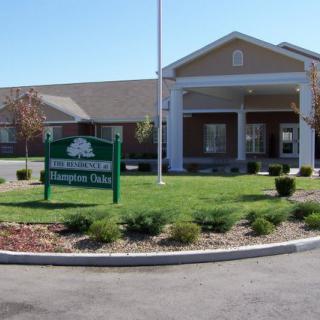
Given these dynamics, alternatives deserve serious consideration. If steadfast memory-care governance, consistent staffing, and straightforward billing are essential, exploring other options in the region is prudent. Some reviewers point to Hampton Oaks as a more professional match, signaling that better-managed communities with stricter oversight exist nearby. For families prioritizing safety, predictable finances, and a dementia-care environment that feels calm and properly supervised, Waters Of Scottsburg may fall short compared with those options.
Practical next steps are clear. Conduct in-person visits with a targeted checklist focused on daily routines, staff accessibility, and responsiveness. Request candid conversations with current residents and family representatives about memory-care experiences, and review the latest health inspections and any incident data. Obtain a detailed, itemized cost plan with explicit insurance coverage terms and any out-of-network charges. Waters Of Scottsburg can deliver meaningful rehab and compassionate, people-centered care in the right conditions, but decisive families will insist on clarity around safety, administration, and cost before committing.
 99 resident community capacity
 Assisted Living
 Skilled Nursing Facility
 Air-conditioning
 Beauty salon
 Cable or satellite TV
 Computer center
 Dining room
 Fitness room
 Fully furnished
 Gaming room
 Garden
 Housekeeping services
 Kitchenette
 Move-in coordination
 Outdoor space
 Private bathrooms
 Restaurant-style dining
 Small library
 Telephone
 Wellness center
 Wi-Fi/high-speed internet available
 Community operated transportation
 24-hour call system
 Activities of daily living assistance
 Assistance with bathing
 Assistance with dressing
 Assistance with transfers
 Diabetes diet
 Medication management
 Special dietary restrictions
 Concierge services
 Planned day trips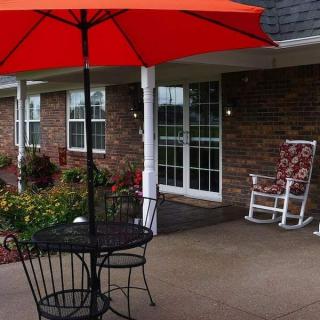





 Is Assisted Living Deductible on Your Taxes? Understanding the Complexities of Assisted Living Expenses and Deductions
 Assisted Living Support for Veterans: A Complete and Detailed Overview
 Exploring the Contrasts Between Assisted Living and Skilled Nursing