

1496 N Gardner St, Scottsburg, IN 47170
To contact a resident: (812) 752-4699
For more information about senior living options: (866) 208-4318
Beehive Homes of Scottsburg Costs & Pricing
Beehive Homes of Scottsburg offers a private room option at a competitive rate of $3,000 per month, which aligns with the average costs in Washington County. This pricing is particularly advantageous when compared to the broader state average for Indiana, where similar accommodations can reach upwards of $4,418. By maintaining this cost-effectiveness, Beehive Homes not only provides a financially viable choice for residents but also emphasizes their commitment to delivering quality care without compromising on comfort or service.
| Floor plans | Beehive Homes of Scottsburg | Washington County | Indiana |
|---|---|---|---|
| Private | $3,000 | $3,000 | $4,418 |
Senior living communities with a similar price nearby
-
from +$400 / mo

Traditions at Hunter Station
$3,400 to $5,465 / month22.6 miles away -
from +$300 / mo
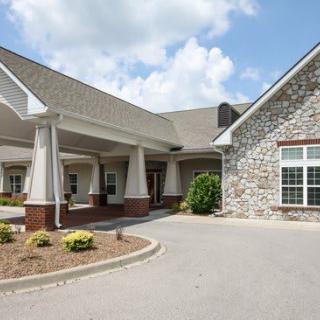
River Crossing
$3,300 to $3,550 / month17.1 miles away -
About the same
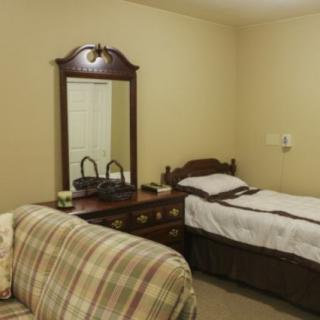
Bennett Place
$2,919 to $5,503 / month24.8 miles away -
from -$537 / mo

Seymour Place
$2,463 to $3,831 / month17.9 miles away -
from +$480 / mo
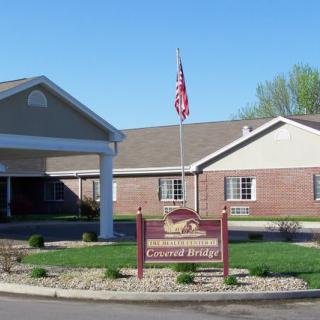
Covered Bridge Health Campus
$3,480 to $5,400 / month18.0 miles away
Overall Review of Beehive Homes of Scottsburg
Cons
 They have never been there.
- They state the van driver merged onto I-65 South and was going extremely slowly.
- They accuse the driver of going onto the shoulder instead of merging.
- They were forced to brake hard to let the van in.
- They were unable to move over to the left lane due to traffic.
- They hope there were no residents with her in the van.
Review
Beehive Homes of Scottsburg is best suited for seniors who want a small, home-like assisted living setting in Scottsburg and for families that prize intimate, staff-driven care over a large, bustling campus. The community’s mixed score, 3.7 out of 5 from three reviews, with two 5-star endorsements and one 1-star critique, signals that the experience can be warmly personal but remains highly variable. For residents who thrive on close daily interactions with caregivers, predictable routines, and easier family access, this setting can deliver meaningful comfort. The two top ratings imply residents and families occasionally experience a level of attentiveness and warmth that feels distinctly personal, which in turn can translate into better daily life and peace of mind.
That said, several families should consider alternatives. If the priority is robust medical oversight, extensive clinical programming, or a broad spectrum of on-site services, a larger or more resource-rich community may be a better fit. The single negative review matters: it flags a safety concern around transportation that warrants careful scrutiny. For someone who relies heavily on reliable transport, consistent staff judgment, and strongly enforced safety protocols, the question is whether the Beehive option can demonstrate stronger controls and clearer policies on driver training and resident safety before committing.
The positive experiences implied by the favorable reviews point to meaningful benefits that offset some drawbacks. A small community can allow quieter days, more individualized attention, and easier, more frequent communication with caregivers and families. When staff can recognize residents by name and tailor routines to preferences, quality of life tends to rise in practical ways, meals that feel personalized, activities that fit interests, and a sense of belonging that larger campuses sometimes struggle to preserve. In this context, the upside is a palpable human connection that can make aging in place feel calmer and more grounded.
Yet, the downside surfaced by the negative note cannot be ignored. The concern about a van driver merging unsafely onto a major highway and using the shoulder highlights potential gaps in transport oversight and staff training. Transportation is a critical service for many residents, enabling appointments, social outings, and family visits; when safety protocols are unclear or inconsistently applied, the risk becomes a deal-breaker. Families should press for concrete assurances: who supervises trips, what training drivers receive, how incidents are tracked, what safety checklists exist, and whether transport operations are led or audited by a supervisor. These specifics will determine whether the risk is manageable or prohibitive.
To move from consideration to confident decision-making, prospective families should focus on a concrete set of questions and evaluation criteria. Inquire about staffing patterns and turnover, including whether a consistent caregiving team is assigned to each resident and how often primary caregivers change. One should demand clarity on care levels offered, medication management, and the presence of licensed nursing staff on site and on-call. Transport-related policies demand particular scrutiny: driver qualifications, ride-sharing arrangements, occupancy limits, emergency procedures, and a documented safety protocol that is regularly reviewed. Finally, demand transparent pricing, what is included in monthly rates, potential extra charges, move-in incentives, and any deposit or contract terms that could affect future affordability.
Bottom line: Beehive Homes of Scottsburg can be a strong match for families seeking a low-volume, intimate environment where staff-resident relationships have the potential to be deeply meaningful. The decision hinges on two pillars: verifying that safety and transport processes meet a higher standard, and ensuring the prospective resident’s care needs align with what a small, community-driven setting can provide. If transport safety and staff reliability can be confirmed through tours, direct conversations with caregivers, and references, this community offers a practical, comforting option that emphasizes everyday humanity over institutional scale. If those assurances cannot be secured, or if the need is for more comprehensive clinical resources or larger safety nets, pursuing alternatives with broader staffing and more formalized programs is prudent. Schedule focused visits, demand concrete written policies, and listen for what is not said as closely as what is said, the difference between a warm, personal home and a decision that delivers long-term peace of mind often rests on the clarity of those operational details.
 Board and Care Home
 Activities on-site
 Indoor common areas
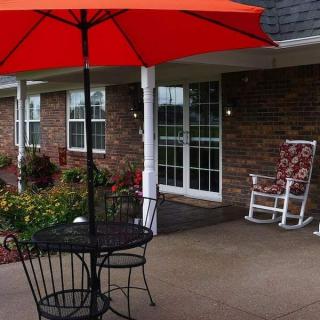
 Outdoor common areas
 Private
 Private bathrooms
 Ambulatory care
 Diabetic care
 Meals provided
 Christian services
 Kind, welcoming residents in a clean, orderly environment.




 9 Stimulating Memory Activities for Seniors: Puzzles, Cards, and Much More
 Managing Nursing Home Expenses After Medicare Coverage Ends
 Is a Geriatric Care Manager the Right Choice for Your Family?