For more information about senior living options: (866) 208-4318
4.6 from 62 reviews
5 stars
51
4 stars
6
3 stars
0
2 stars
1
1 stars
4
Overall Review of Rensselaer Care Center
common4 reviews mention this
Dementia care is a clear focus
Residents and families describe dementia and memory care support with frequent communication.
Several reviews mention dementia or being in a memory care unit, with families saying staff treated their loved ones with patience and kept them engaged in everyday conversation. In one case, a family describes the memory care team as good at staying in contact about medical changes. Another family says the facility worked to keep two residents together on good days and apart when behavior worsened. One review with a low rating also discusses problems during a memory care stay, underscoring that outcomes can vary.
common7 reviews mention this
Skilled rehab and therapy drive results
Skilled rehab and therapy are repeatedly tied to recovery progress in resident stories.
Across multiple reviews, families describe skilled-unit therapy after injuries or illness, especially after a hip fracture, with nursing and therapy teams working together. Several say physical therapy and related activities helped their loved ones regain mobility or make steady progress. Others mention occupational and physical therapy support alongside meals being prepared to match preferences. A few stories also credit therapy teams with achieving goals faster than expected, while one positive review emphasizes a short-term therapy stay.
common6 reviews mention this
Clean spaces and welcoming atmosphere
Many reviewers highlight a clean, safe-feeling environment and a welcoming presence.
Reviewers repeatedly describe the facility as clean and rooms as safe, including comments about cleanliness during visits. Several reviews also describe the overall feel as warm or welcoming, with staff treating visitors and residents with respect and dignity. One family says the environment and orderliness made a Bible study visit run smoothly. Even among mixed experiences, the more positive reviews consistently return to cleanliness and comfort as part of daily life.
caveat5 reviews mention this
Families raise staffing and condition concerns
Some reviews raise serious concerns about staffing and care follow-through.
A small set of low ratings includes complaints about staffing levels and agency workers, with one reviewer describing the quality of care as unacceptable. Other negative reviews mention building condition problems such as leaks and mold, along with a perception that activities were reduced. Two of the lowest reviews describe delayed or inadequate medical follow-through during memory care stays, including untreated wounds and failure to send someone to the hospital until a family member insisted. Together, these comments point to meaningful variability in experience and follow-through.
How we summarize
Counts show how many written reviews mention each theme; a review can touch several themes, and only frequently mentioned themes are displayed.
Features
Housing
157 resident community capacity
Types of Care
Assisted Living
Skilled Nursing Facility
Amenities
Air-conditioning
Beauty salon
Cable or satellite TV
Computer center
Dining room
Fitness room
Fully furnished
Gaming room
Garden
Housekeeping services
Kitchenette
Move-in coordination
Outdoor space
Private bathrooms
Restaurant-style dining
Small library
Telephone
Wellness center
Wi-Fi/high-speed internet available
Transportation
Community operated transportation
Transportation arrangement
Care Services
24-hour call system
24-hour supervision
Activities of daily living assistance
Assistance with bathing
Assistance with dressing
Assistance with transfers
Diabetes diet
Meal preparation and service
Medication management
Special dietary restrictions
Dining
Diabetes diet
Special dietary restrictions
Activities
Community-sponsored activities
Concierge services
Fitness programs
Planned day trips
Resident-run activities
Scheduled daily activities
Nearby Places of Interest
Physicians
Clinic of Family Medicine (0.1 miles)
Dr Sheets M.D. (0.7 miles)
Pain Managment Specialty Physicians (0.7 miles)
Sheets Family Practice (0.9 miles)
James G Wakefield (1.1 miles)
Christopher Louck MD (1.1 miles)
Christian Clinic (1.1 miles)
Hospitals
Jasper County Hospital (0.2 miles)
Franciscan Health Rensselaer (0.2 miles)
Brook Health Centre (12.4 miles)
Bluffton Regional Medical Hospital (16.7 miles)
S & S Plastics (16.8 miles)
Turf Services (18.6 miles)
Places of Worship
St Peter's Episcopal Church (0.3 miles)
Bethany Evangelical Free Church (0.7 miles)
St Augustine Catholic Church (0.9 miles)
Smith-Wood (0.9 miles)
Hope Community, Rensselaer, Indiana (1 miles)
Rensselaer Mormons (1.2 miles)
The Bridge (1.4 miles)
Pharmacies
CVS Pharmacy (0.8 miles)
Walmart Pharmacy (1.1 miles)
CVS Pharmacy (16.4 miles)
Fagen Pharmacy (17.7 miles)
Fagen Pharmacy (18.3 miles)
Walgreens (19 miles)
Fagen Pharmacy (19.1 miles)
Cafes
Little Coffee Shop On 231 (0.8 miles)
Restaurants
Moonshiners Bar & Grill (0.8 miles)
Doggers (0.9 miles)
Fenwick Farms Brewing Company (0.9 miles)
Mt Hood Pizza & Grill (1.1 miles)
McDonald's (1.1 miles)
Wagon Wheel Bar & Grill (1.1 miles)
Rensselaer Family Restaurant & Pancake House (3.9 miles)
Parks
Rensselaer Parks Department (1.1 miles)
Brookside Park (1.5 miles)
Lake Banet (1.6 miles)
Fountain Park (10.7 miles)
Gene Hangman Memorial Park (11.3 miles)
Jasper-Pulaski Fish and Wildlife Area (19.1 miles)
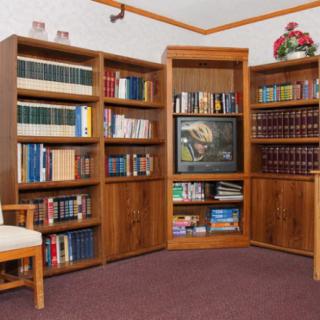
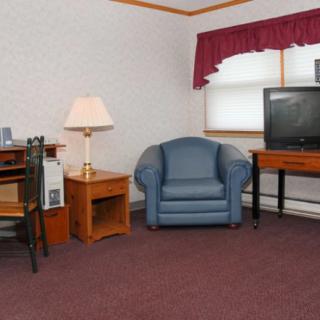
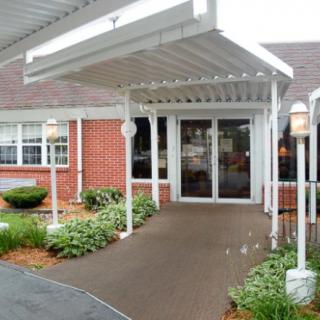
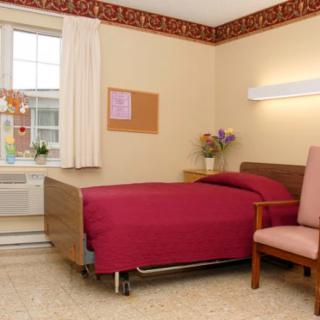
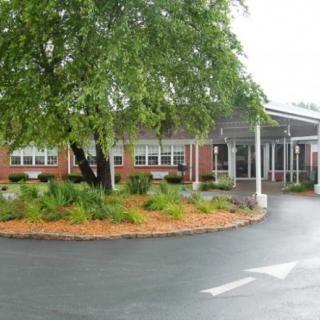
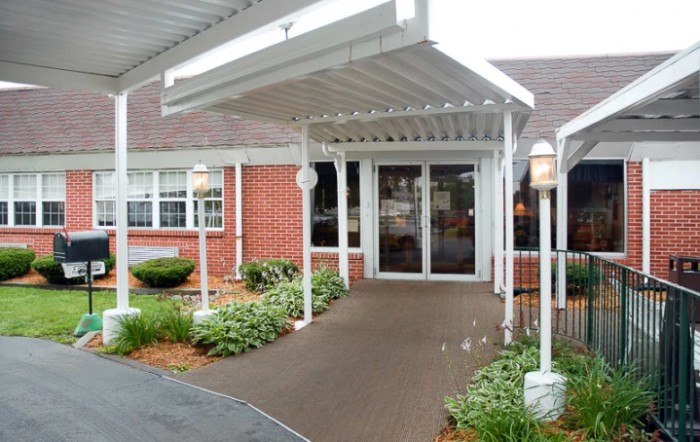
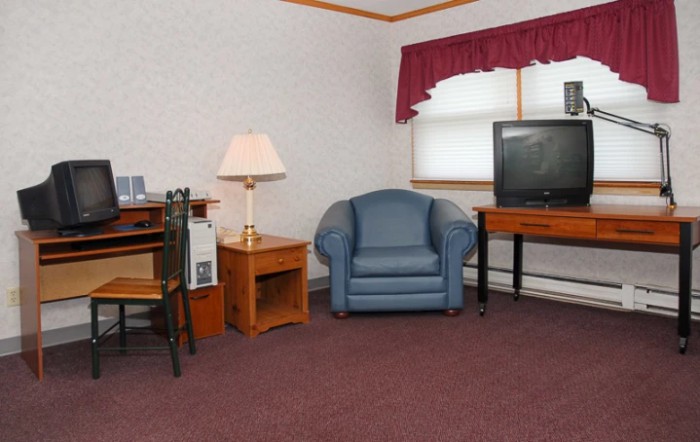
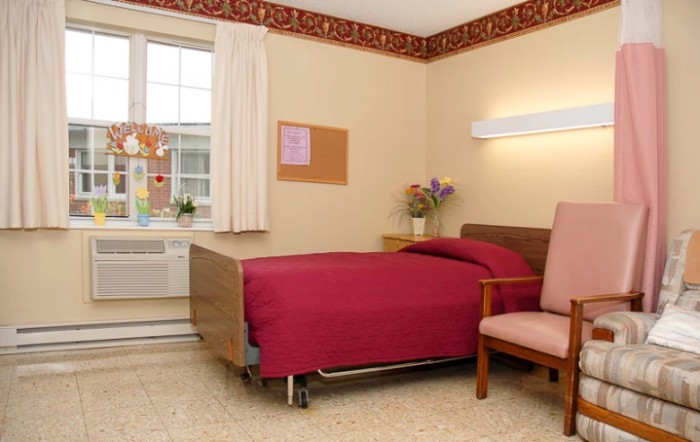
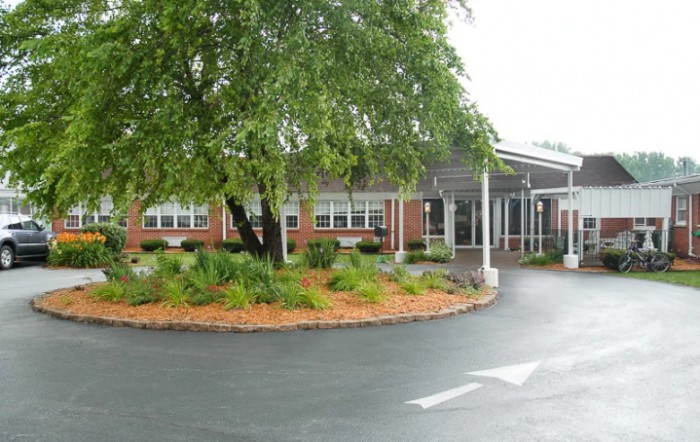
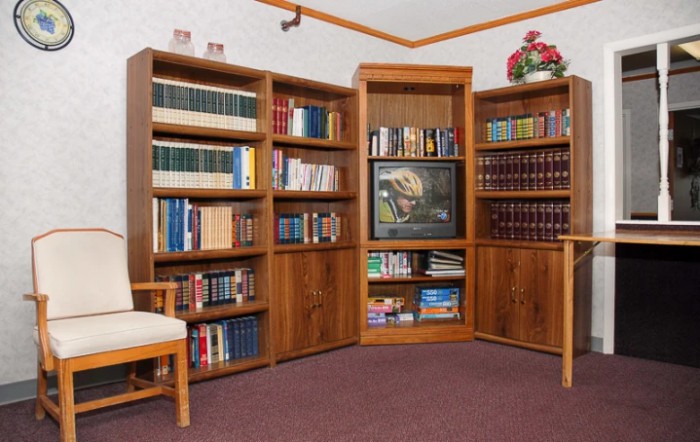
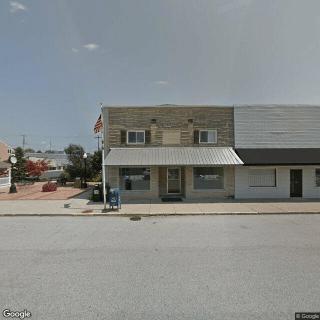
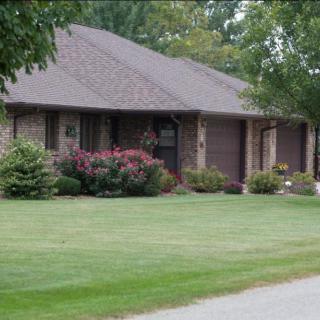
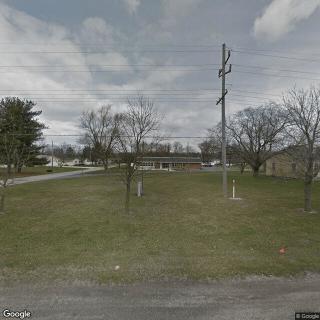
Rensselaer Care Center on seniors.fyi includes 5 photos including images showing landscaping, entrance, building, television, windows, pathway, living room, bedroom, and more.
Nearby Communities
Franciscan Health Alternacare
Rensselaer, IN
3.1 from 82 reviews
24/7 supervision with comprehensive care and diabetes-friendly dining in a fully furnished, small-community setting.
Help at Home
Rensselaer, IN
4.7 from 19 reviews
Vibrant lifestyle with easy access to dining, parks, healthcare, transportation, places of worship, and hospitals.
Autumn Trace Rensselaer
Rennselaer, IN
4.4 from 15 reviews
Cozy, well-equipped apartments with restaurant-style dining and 24/7 support.
George Ade Memorial Health Care Center
Brook, IN
4.3 from 10 reviews
24-hour supervision with comprehensive care and a wide range of amenities.
Apostolic Christian Retirement
Francesville, IN
Personalized care with engaging activities in a serene setting near worship venues.
Parkview Haven
Francesville, IN
4 from 5 reviews
Multiple levels of care (independent, assisted, skilled) with extensive on-site amenities and activities.
Hickory Creek At Winamac
Winamac, IN
4.3 from 18 reviews
Wide range of care options (assisted living, day program, skilled nursing) with comprehensive support (24-hour supervision, ADL assistance, medication management, mental wellness program, transportation).
Tippecanoe Villa
West Lafayette, IN
Personalized care with diabetic support, engaging activities, and nearby amenities.
Crown Point Christian Village
Crown Point, IN
4.4 from 63 reviews
$3,734 to $4,578 / month
Clean, well-maintained facility with friendly staff and engaging activities.
The article examines the complexities of assisted living for individuals with disabilities, emphasizing the need for tailored care solutions that enhance quality of life and social inclusion, while addressing financial challenges and advocating for community integration. It discusses various housing options, the importance of financial assistance through public benefits, and highlights trends towards integrated and technology-driven solutions in disability-focused housing.
Assisted living for adults with disabilities has transformed to provide personalized care and support services aimed at improving residents' quality of life while balancing independence and assistance. However, low-income individuals often face challenges in affording these services, requiring navigation of various financial resources and advocacy for better policies and solutions.
Assisted living facilities provide support for older adults needing help with daily activities without extensive medical care, but their costs can be high and vary by location and services offered. Families often seek various funding options and financial strategies to manage these expenses effectively while considering future needs and potential price increases.
Get PricingAsk A QuestionSchedule A TourContact Senior Advisor
By clicking submit, you agree to our Partner's Terms of Use. You
also consent to receive calls and texts, which may be autodialed, from our Partner. Your consent is not a condition to
using our Partner's service. Please visit our Partner's Privacy Policy for information about their privacy practices.

 157 resident community capacity
 Assisted Living
 Skilled Nursing Facility
 Air-conditioning
 Beauty salon
 Cable or satellite TV
 Computer center
 Dining room
 Fitness room
 Fully furnished
 Gaming room
 Garden
 Housekeeping services
 Kitchenette
 Move-in coordination
 Outdoor space
 Private bathrooms
 Restaurant-style dining
 Small library
 Telephone
 Wellness center
 Wi-Fi/high-speed internet available
 Community operated transportation
 24-hour call system
 Activities of daily living assistance
 Assistance with bathing
 Assistance with dressing
 Assistance with transfers
 Diabetes diet
 Medication management
 Special dietary restrictions
 Concierge services
 Planned day trips
 24/7 supervision with comprehensive care and diabetes-friendly dining in a fully furnished, small-community setting.

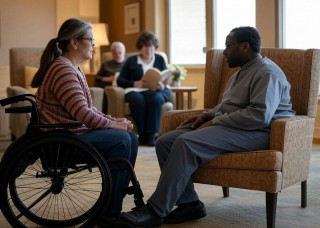 Comprehensive Residential Support and Assisted Living Solutions for Individuals with Disabilities
 Comprehensive Supportive Living Arrangements for Adults with Disabilities
 Funding and Affording Assisted Living: A Thorough Overview