625 E Water St, Pendleton, IN 46064
To contact a resident: (765) 778-7501
For more information about senior living options: (866) 208-4318
Fall Creek Retirement Village Costs & Pricing
Fall Creek Retirement Village offers competitive pricing for its residents, particularly when compared to both Madison County and the broader state of Indiana. For a studio apartment, residents pay $2,350 per month, which is notably lower than the county average of $2,773 and significantly less than the state average of $3,258. Similarly, one-bedroom options come in at $2,400 - again offering savings against the county's $2,939 and the state's $3,300 benchmarks. The two-bedroom units are priced at $2,820; while this is higher than the county's average of $2,277, it remains favorable compared to Indiana's statewide figure of $3,208. Overall, Fall Creek Retirement Village presents an attractive option for prospective residents seeking affordable living arrangements without compromising on quality.
| Floor plans | Fall Creek Retirement Village | Madison County | Indiana |
|---|---|---|---|
| Studio | $2,350 | $2,773 | $3,258 |
| 1 Bedroom | $2,400 | $2,939 | $3,300 |
| 2 Bedrooms | $2,820 | $2,277 | $3,208 |
Assisted Living communities with a similar price nearby
-
About the same

Primrose Retirement Community
$2,395 to $2,595 / month9.3 miles away -
from -$100 / mo

Sanders Glen
$2,250 to $3,075 / month20.7 miles away -
About the same
Addison Place
$2,341 to $5,107 / month21.0 miles away -
from +$460 / mo
Rose Senior Living at Carmel
$2,810 to $5,300 / month22.8 miles away -
from +$353 / mo
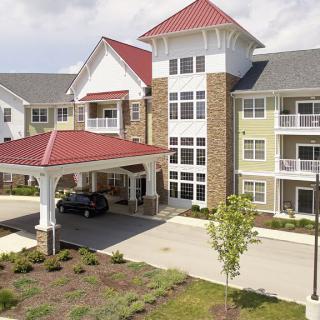
The Reserve at Hamilton Trace
$2,703 to $4,055 / month14.2 miles away
Overall Review of Fall Creek Retirement Village
Pros
 The staff and residents feel like family, creating a warm and supportive community.
- The Pendleton community demonstrates care through visits and activities that brighten residents’ lives.
- Fall Creek Retirement Village offers a convenient location with a welcoming, hometown feel and friendly staff.
- The facility is very clean, and the staff are attentive and welcoming.
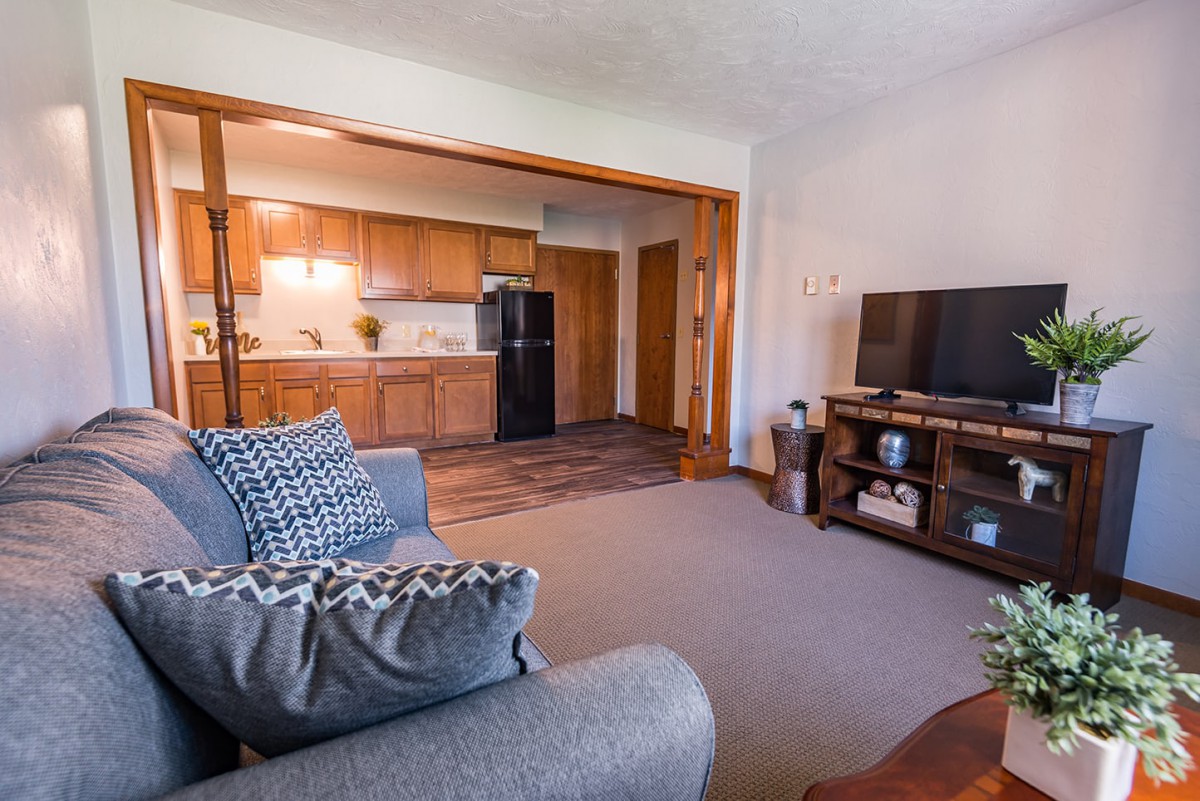
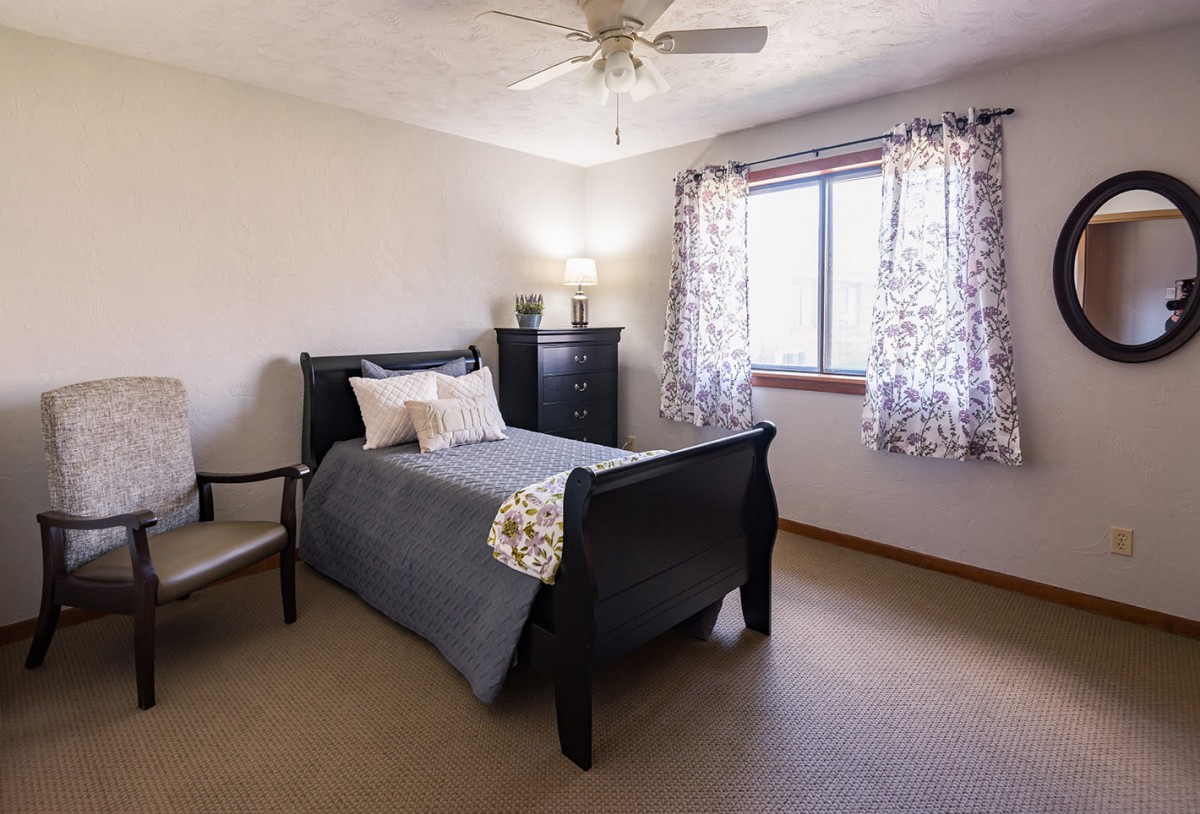
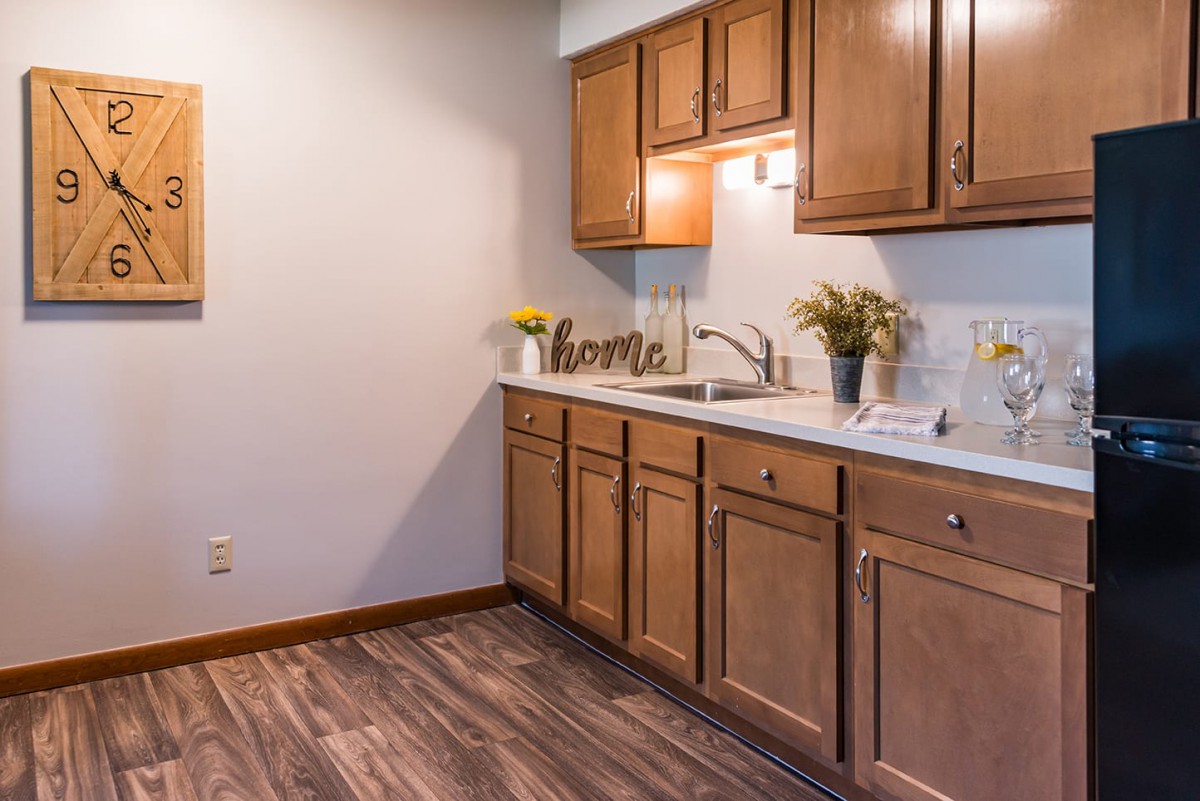
- The grandmother enjoys social events and conversations, and her room is nicely sized with a comfortable living area and bathroom.
- The staff go out of their way to ensure residents receive care, especially during difficult times.
- The menu is outstanding with multiple options, and residents stay active through the available activities.
Cons
 The staff are frequently seen running up and down the halls while most nurses sit at the nurse station.
- There are only two aides caring for about forty residents.
- Dinner service starts late and residents must wait about 45 minutes to be served.
- Even when service begins, residents often do not have any drinks.
- There are rumors of bed bugs and a lack of transparency about notifying families.
- The reviewer doubts that residents are receiving the care they deserve and questions whether management cares.
- Pendleton is close, but the reviewer is looking at other facilities, indicating dissatisfaction.
Review
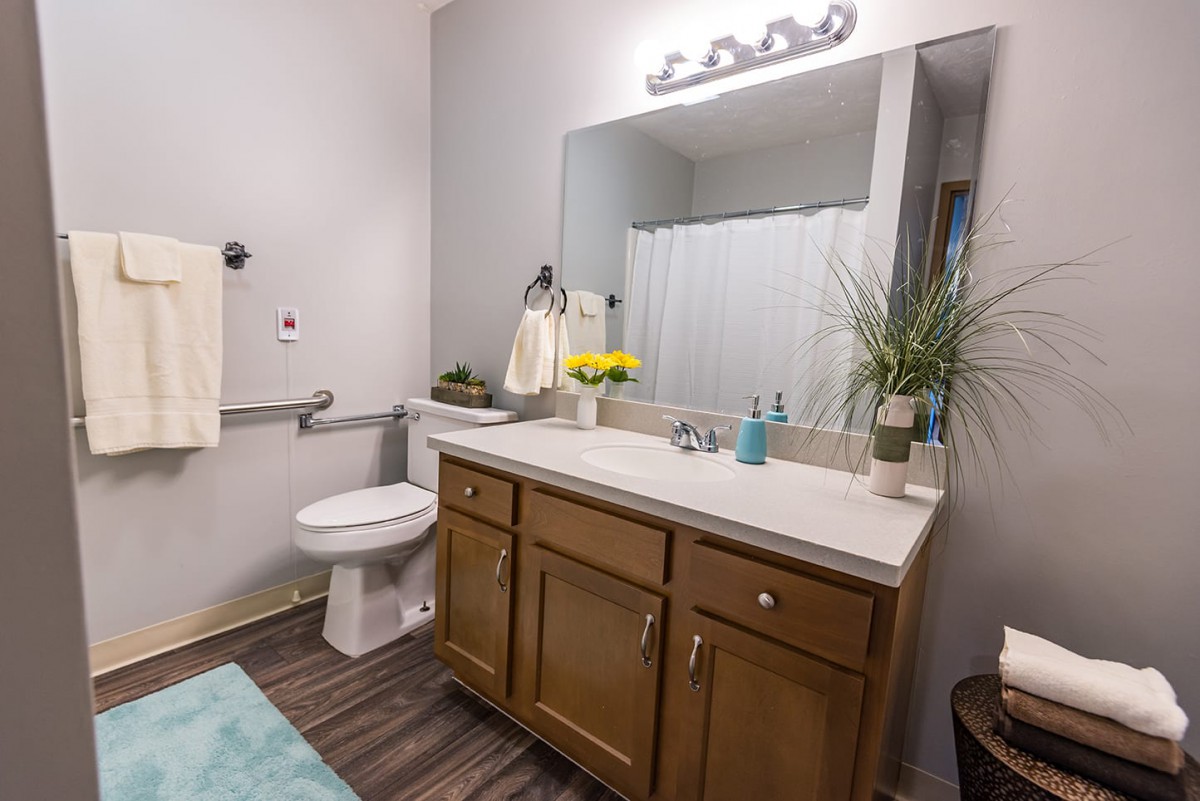
Fall Creek Retirement Village in Pendleton, IN is best suited for seniors who prize a warm, family-like atmosphere and a robust social life within easy reach of loved ones. This community thrives when residents want daily interaction, meaningful activities, and a sense of belonging that extends beyond their room. It’s ideal for families that value proximity, visible engagement from staff, and a small-town, welcoming vibe that makes everyday living feel uncomplicated. For seniors who require intensive medical oversight, complex nursing protocols, or dementia-specific care, alternatives with more specialized clinical resources will be a wiser fit.
The strongest selling points are location, atmosphere, and social texture. The campus presents a clean, approachable environment with a hometown feel, where staff and residents interact as a community rather than as separate shifts and tasks. Families consistently highlight the accessibility of Fall Creek’s location and the ease of visits, which lowers what can feel like a logistical burden. The presence of a proactive activities director and a calendar that fills the day with events helps prevent isolation, and involvement from the wider Pendleton community, intergenerational visits and local school engagement, gives residents a sense of purpose and connection beyond the dining room.
Care and communication also receive steady praise. Multiple residents and families describe a friendly, attentive staff that makes an effort to know individuals and keep life engaging. The dining program earns specific commendation, with residents noting the variety and quality of menu options and the ability to choose. The overall upkeep and cleanliness reinforce a tone of pride in the place, and many families point to the reassurance that their loved ones are enjoying a sociable, active routine. This combination, cleanliness, accessibility, and a living-room feel, can offset some of the anxieties that accompany transitions to assisted living, particularly for residents who value social integration and routine.
Yet, cautions emerge alongside the positives. A recurring concern centers on staffing and workflow realities: reports of busy hallways with a small cadre of aides supporting a sizable resident population, occasional delays in dining service, and instances where assistance does not arrive as promptly as hoped. There are stronger warning notes from some families about perceived gaps in day-to-day responsiveness and about issues that, if taken at face value, would erode confidence. Anecdotes about bed-bug rumors and questions about how management communicates problems also surface in a few voices. While these concerns are not universal, they underscore the need to scrutinize staffing models, meal-service timing, and transparency before choosing this community.
The pros can, and should, offset the cons when evaluated against a resident profile that prioritizes sociability and comfort over clinical intensity. A real sense of belonging, frequent social programming, and a home-like environment can dramatically reduce the loneliness and isolation that often accompany aging. Clean facilities, reliable housekeeping, and good menu options help preserve dignity and enjoyment of meals, while the ongoing community engagement creates meaningful daily rhythms that many families find invaluable. For residents who thrive on daily interaction and who value being close to family, the benefits substantially counterbalance the lingering concerns about staffing and response times, especially when families can participate in care planning and stay engaged with staff.
For families weighing options, Fall Creek makes the most sense for those who can tolerate occasional service gaps in exchange for a lively, connected living experience close to home. It’s less suitable for households where immediate, consistent clinical intervention is non-negotiable or where dementia-specific care would require a facility designed around memory-care protocols. When exploring, insist on a candid dialogue about staffing ratios, shift coverage, meal-service workflows, and how management handles complaints or allegations. Take a guided tour, observe meal periods, and speak with multiple staffers and residents to gauge whether the level of attentiveness and consistency aligns with expectations. If the goal is a bright, social, convenient setting with a close-knit community, Fall Creek is a compelling choice, provided the care plan aligns with the resident’s clinical needs and care expectations.
 Assisted Living
 Independent Living
 Cats allowed
 Dogs allowed
 Activities on-site
 Beautician on-site
 Devotional services off-site
 Indoor common areas
 Respite or short term stays offered
 Wheelchair accessible showers
 Ambulatory care
 Diabetic care
 Incontinence care
 Medication management
 Meals provided




 Exploring the Path to Senior Living: A Comprehensive Look at Independent Living and Assisted Living
 Is Assisted Living Deductible on Your Taxes? Understanding the Complexities of Assisted Living Expenses and Deductions
 Assisted Living Support for Veterans: A Complete and Detailed Overview