
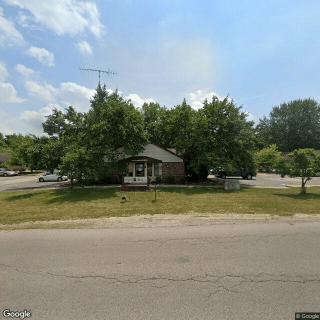
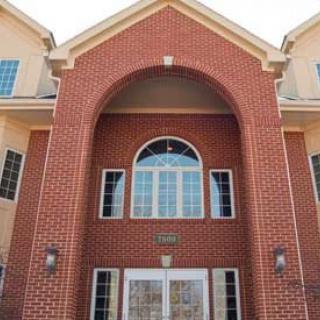
1000 North 16Th Street, New Castle, IN 47362
For more information about senior living options: (866) 208-4318
Overall Review of Waters Of New Castle
Pros
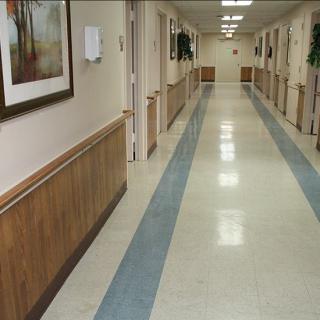
 The Waters of New Castle is described as nice and clean.
 - The therapy provided helped patients get stronger in just a few weeks.
- The staff are caring, friendly, professional, and knowledgeable.
- Families would recommend The Waters for rehabilitation and care.
- The residents are truly loved and cared for.
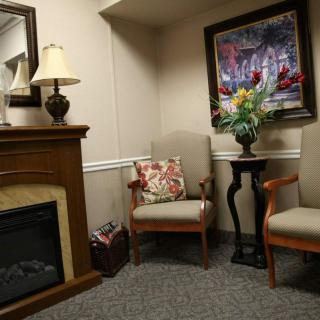
- The facility offers a warm, inviting atmosphere with top-notch staff.
- The nurses and aides are patient, helpful, and dedicated.
- The activities are fun for everyone.
- The care provided is timely and delivered with smiles and positive attitudes.
- The Waters has a great team of specialists and excellent therapy.
Cons
 The reviewer describes the facility as awful and unprofessional.
- A nurse yelled at a 95-year-old resident and told her to sit down and shut up.
- A nurse withheld pain medication from the aunt until the next day after she asked for it.
- The care is depicted as the worst elderly care the reviewer has seen, with the place smelling like feces and the staff rude and unprofessional.
- The mother’s room was dirty and not well maintained; cleaning had to be requested.
- Some workers wore street clothes with no name tags, which was disconcerting.
- The night crew was not attentive, leaving the patient without timely help.
- Bruises and bed sores were left on a family member, later documented by hospital staff.
- The reviewer would not recommend the facility to anyone and felt it should be closed.
Review
Waters of New Castle in New Castle, Indiana, is best suited for seniors who need post-acute rehabilitation and a clear therapy-focused path back to independent living. The community is positioned as a place where skilled rehab services, clean surroundings, and a staff that many families describe as compassionate can support recovery after surgery or a period of weakness. Those seeking a strict, highly predictable routine with flawless housekeeping and uniformly consistent communication should consider alternatives. For families prioritizing a warm, engaging atmosphere with access to therapists who push for real improvement, Waters can be a strong match, provided there is a shareable, well-documented plan for ongoing oversight.
Several reviews highlight standout positives: a facility that is often described as clean and well-maintained, with staff who are friendly, professional, and genuinely attentive. Families repeatedly point to therapy as a core strength, the program can be tough, yet patients typically report meaningful gains in strength and mobility. The nursing and rehab teams are frequently called out for their care and dedication, and the atmosphere is portrayed as warm and hopeful, with activities that engage residents and reinforce a sense of community. For those who value hands-on therapy and a proactive clinical approach, these elements are compelling reasons to consider Waters.
Yet the negative experiences raised by other families cannot be ignored. A significant portion of reviews recount serious lapses in care: delays in medication administration, episodes of verbal or emotional unprofessionalism by staff, and troubling concerns about communication with families. Specific incidents describe pain medications being withheld or delayed, nurses speaking harshly to residents, and a general sense that some health needs were not promptly recognized or addressed. Additional red flags appear in reports of unclean rooms, pest issues, ants in the facility, and night-shift attentiveness that did not meet expectations. The most alarming stories involve bruising or bed sores left unaddressed, poor documentation, and a lack of timely family updates during transitions to hospital care.
The tension between strong rehabilitation outcomes and troubling safety and reliability gaps means the pros may offset the cons for some families, but only to a point. If the primary goal is rapid, effective therapy that yields measurable functional gains, and if visits to the facility can confirm steady, respectful interactions with residents, Waters can deliver on that promise. However, when daily care is inconsistent, medication management is questioned, or communication with families is unreliable, the appeal of rehab gains weakens quickly. Prospective residents should demand current staffing rosters, insist on direct contact with the therapy team, and review recent state or local inspection findings to gauge ongoing risk.
Alternatives should be on the table for families who place a premium on relentless safety, consistency, and transparent oversight. If safety incidents, cleanliness issues, or apparent gaps in basic caregiving are ongoing concerns, a facility with steadier staffing, more rigorous quality control, and clearer family communication may be a wiser long-term choice. For residents with complex medical needs, dementia care requiring steady memory-care protocols, or those who require highly predictable daily routines, exploring other options is prudent. The goal is to secure a setting where care quality is consistently high, and families feel confident that reactions to problems are swift and transparent.
In the end, Waters of New Castle offers a compelling rehabilitation-centric option with a clearly identifiable upside: skilled therapy, caring frontline staff, and a generally welcoming environment. That upside, however, must be weighed against persistent reports of medication delays, communication gaps, and episodic lapses in cleanliness and safety. For families prioritizing rehab progress and a warm, engaging atmosphere, a careful, on-site assessment is essential, including conversations with the therapy director and nursing supervisor, a review of incident logs, and a transparent discussion of staffing ratios and accountability. If those checks align, Waters can be a sound choice; if they do not, the search should continue with decisiveness.
 66 resident community capacity
 Assisted Living
 Skilled Nursing Facility
 Air-conditioning
 Beauty salon
 Cable or satellite TV
 Computer center
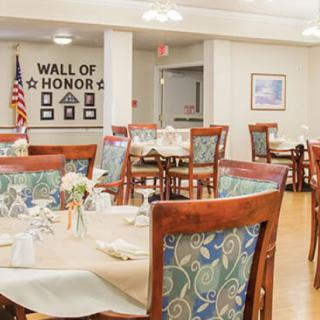
 Dining room
 Fitness room
 Fully furnished
 Gaming room
 Garden
 Housekeeping services
 Kitchenette
 Move-in coordination
 Outdoor space
 Private bathrooms
 Restaurant-style dining
 Small library
 Telephone
 Wellness center
 Wi-Fi/high-speed internet available
 Community operated transportation
 24-hour call system
 Activities of daily living assistance
 Assistance with bathing
 Assistance with dressing
 Assistance with transfers
 Diabetes diet
 Medication management
 Special dietary restrictions
 Concierge services
 Planned day trips


 Understanding the True Cost of Assisted Living in 2025: A Comprehensive Guide
 Understanding Medicaid Coverage for Assisted Living: A Comprehensive Guide
 How and When Medicaid May Cover Assisted Living Costs