






990 North 16th Street, New Castle, IN 47362
For more information about senior living options: (866) 208-4318
Overall Review of Stonebrooke Rehabilitation Centre
Pros
 They took wonderful care of her.
- They treated her like a queen.
- Great experience with Megan Showalter, the admissions administrator; she was so helpful and informative.
- The staff are kind and helpful and have made the transition for my Mom as smooth as possible.
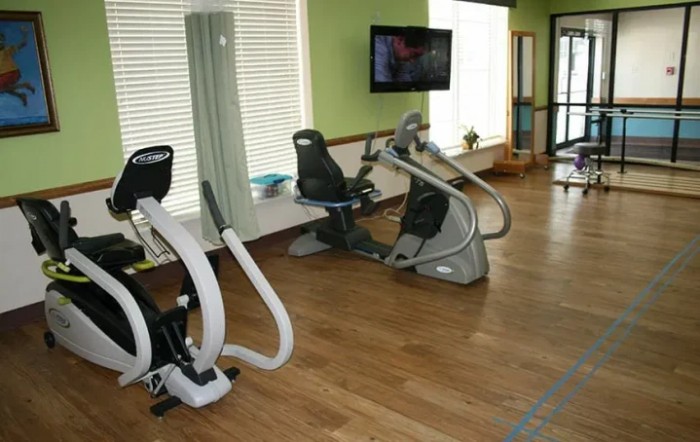
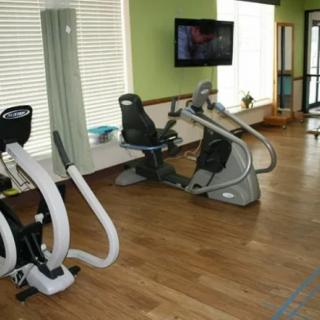
- The physical therapy staff are great.
- Angie is always very cheerful and has a positive attitude; she is a very caring person and a wonderful asset to Stonebrooke.
Cons
 They described the facility as the worst they had ever been in, with supervisors who don’t care about residents and complaints that aren’t taken seriously.
- They said it was so bad they wouldn’t put their worst enemy there.
- They claimed transport staff were careless, leaving a patient crying and in pain, with no emergency contact listed.
- They alleged a nurse let their mother sit in urine and blamed lazy employees for her resulting rash.
- They criticized the food as awful, with no special diets available for allergies, gout, or diabetes.
- They reported infections and a pelvic fracture due to neglect and missing wound-care items, plus nightly catheter pain and no timely treatments.
- They observed ants on tray tables, unsanitary dining practices, staff coughing, and a rough/impatient nurse.
- They noted a missed dinner and replacement with peanut butter and crackers, indicating poor meal service.
Review
Stonebrooke Rehabilitation Centre in New Castle, IN is best suited for seniors who need structured rehabilitation after a hospital stay or injury and want a facility where admissions help and rehabilitation services are a clear priority. Those who value a quick, well-supported transition, coupled with hands-on physical therapy and a welcoming front-facing team, will likely find traction here. The proximity to Henry County Hospital is a practical plus for families who want rapid access to medical resources and seamless referrals if complications arise. For long-term, everyday living with strict ongoing supervision, however, Stonebrooke’s appeal can feel uneven, depending on the unit and staff at any given time.
Families should consider alternatives if daily reliability and consistently attentive care are non-negotiable. Multiple reviewers flag concerns about ongoing supervision and responsiveness, and some patients experienced care gaps that escalated into serious safety issues. If a resident requires consistent, around-the-clock monitoring, highly specialized diets, or meticulous wound and catheter management, it is prudent to compare other nearby options with strong track records in those domains. In short, for long-term caregiving with strict, predictable routines, Stonebrooke may not be the most dependable choice across all shifts and departments.
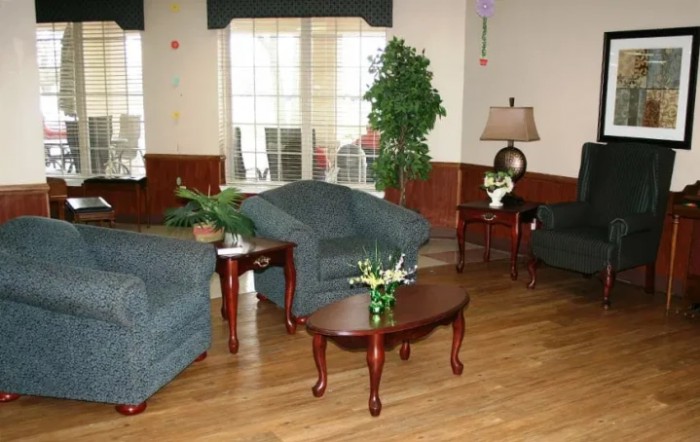
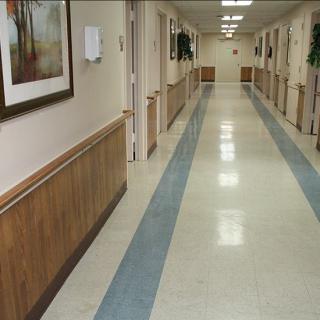
On the upside, the community’s strongest assets consistently align with rehabilitation goals. Admissions staff are described as helpful and reassuring, smoothing the often-stressful transition into care. The facility is repeatedly praised for a warm, friendly atmosphere, and for staff who treat residents like family. Physical therapy is frequently cited as thorough and effective, producing tangible improvements in mobility and confidence within weeks. Cleanliness and a welcoming environment bolster day-to-day comfort, and the hospital-adjacent location enhances convenience for families managing medical appointments and potential transfer needs.
Yet the negative threads cannot be ignored. Several reviews recount episodes that raise serious red flags about daily care and safety. Complaints range from a perceived indifference of supervisors to outright neglect, including situations where residents were left uncomfortable or unsafe, with accusations of rough handling or lack of timely assistance. There are reports of missed meals, pests, and odors, alongside concerns about improper wound and catheter care that led to infection and prolonged recovery outside the facility. Food quality and the absence of adaptable menus for allergies or specific medical needs recurred as a notable frustration. These experiences create a real risk calculus for anyone weighing Stonebrooke against other options.
The key question is whether the rehab strengths can offset the reported care gaps. For short-term, goal-driven rehabilitation, the combination of effective physical therapy, a supportive admissions process, and a generally caring staff can deliver meaningful gains and a smoother recovery arc, provided families verify that the unit they rely on maintains consistent standards. The attraction of a close-to-hospital rehab hub matters, especially when rapid access to additional services is needed. However, when long-term safety, consistent supervision, and dietary accommodations matter most, the negatives weigh heavily. Prospective families should demand current, concrete assurances about wound care protocols, daily staffing levels, incident reporting, and a clear path for escalating concerns.
Ultimately, Stonebrooke is a pragmatic choice for families who prioritize rehab outcomes and a hopeful, personable staff experience, and who are willing to actively oversee care quality. It can be a strong fit when the resident’s primary needs are mobility restoration, clear communication with admissions, and a reliable PT program. For those whose expectations hinge on uniform daily safety, consistent nourishment, and consistently compassionate oversight around the clock, it is essential to explore alternatives or initiate a rigorous on-site assessment before committing. The right decision hinges on matching the facility’s current strengths to the resident’s most critical needs, with a clear contingency plan if safety or dietary issues surface again.
 117 resident community capacity
 Assisted Living
 Memory Care
 Skilled Nursing Facility
 Air-conditioning
 Beauty salon
 Cable or satellite TV
 Computer center
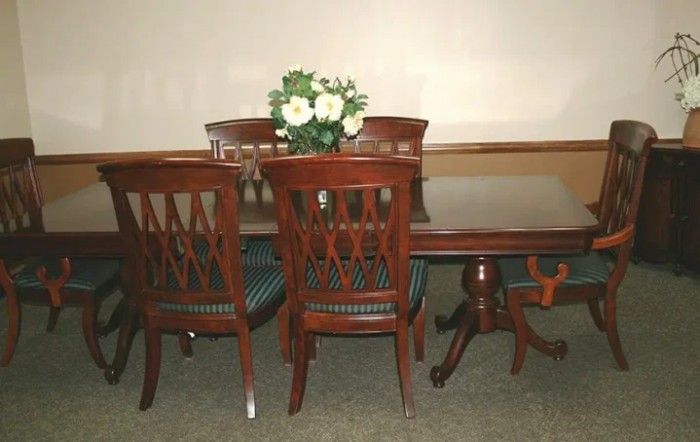
 Dining room
 Fitness room
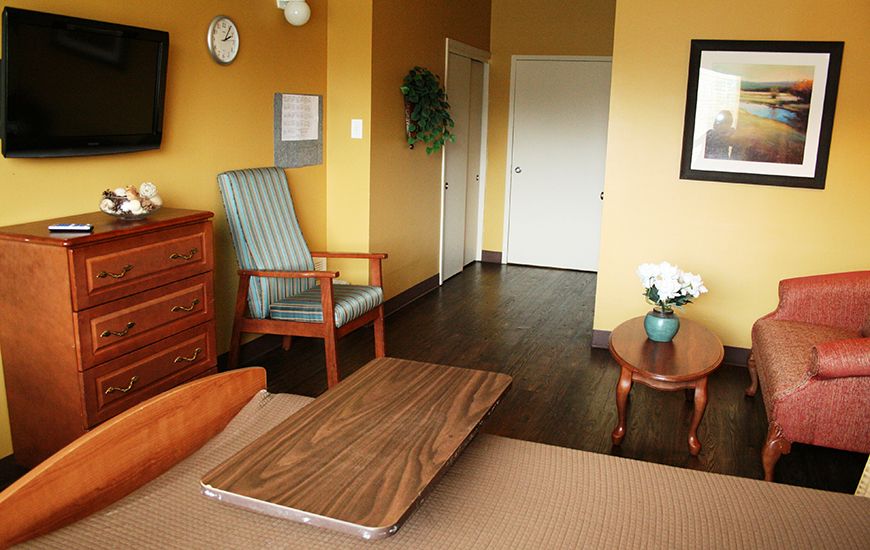
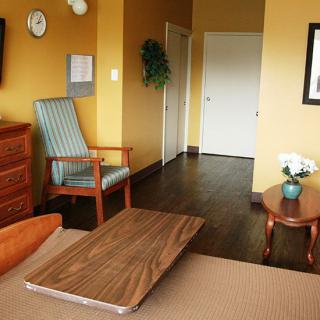
 Fully furnished
 Gaming room
 Garden
 Housekeeping services
 Kitchenette
 Move-in coordination
 Outdoor space
 Private bathrooms
 Restaurant-style dining
 Small library
 Telephone
 Wellness center
 Wi-Fi/high-speed internet available
 Community operated transportation
 12-16 hour nursing
 24-hour call system
 Activities of daily living assistance
 Assistance with bathing
 Assistance with dressing
 Assistance with transfers
 Diabetes diet
 Medication management
 Mental wellness program
 Special dietary restrictions
 Transportation arrangement (medical)
 Concierge services
 Planned day trips








 How and When Medicaid May Cover Assisted Living Costs
 A Detailed Exploration of Assisted Living Medicaid Waivers Across the United States
 Exploring the Contrasts Between Assisted Living and Skilled Nursing