Hickory Creek At New Castle

Save

Hickory Creek At New Castle

Information last verified:

901 North 16th Street, New Castle, IN 47362

For more information about senior living options: (844) 490-3973

4.4 from 36 reviews
5 stars
26
4 stars
3
3 stars
4
2 stars
1
1 stars
2

Seniors.FYI Elite Community Awards

Top 5% Senior Living Community in 2020

Add this award to your website

Overall Review of Hickory Creek At New Castle

Pros

  • pro The nurses, aides, and management staff are hardworking and dedicated to providing excellent care for residents.
  • pro The staff respond quickly to concerns and ensure residents' needs are met.
  • pro Visitors report they are treated like family by the staff.
  • pro The facility offers a caring environment with wonderful meals.
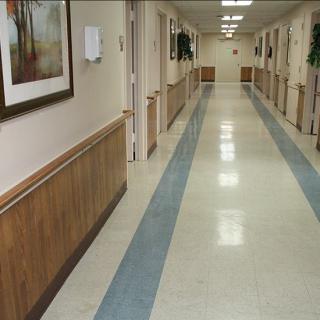
  • pro The facility is small, cozy, homey, and clean with no odors.
  • pro The atmosphere is uplifting, with friendly service and a clean environment.
  • pro There is a great team of caregivers from administration to housekeepers.
  • pro The staff have a compassionate heart for residents and show exceptional care.
  • pro It is considered one of the best nursing homes in the area.
  • pro Families note that the staff go out of their way to accommodate and answer questions, providing comfort.
  • pro The director is always willing to help and ensure residents' needs are met.
  • pro Aides treat residents like their own and go the extra mile to assist families.

Cons

  • pro The head nurse could have treated the reviewer with more empathy.
  • pro Please don't allow this cruel human being to ever refer to anyone's last days on this earth as a "Rabbit hole."
  • pro Bad care. The people there get ignored a lot.

Review

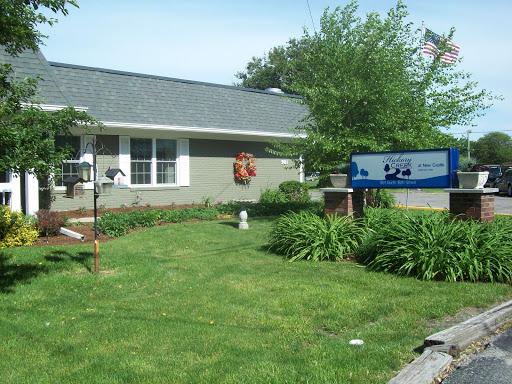
Hickory Creek At New Castle is best suited for families seeking a small, intimate, home-like setting where daily warmth from a caregiving staff is a clear priority and where rehab-to-home or long-term nursing care can be delivered with a personal touch. The community’s cozy scale, clean atmosphere, and welcoming feel tend to resonate with residents and families who want to be part of a tight-knit environment. It is particularly well-suited for those who value friendly interactions, good meals, and the sense that staff treat residents like people they know well, rather than anonymous patients in a large institution.

The strongest advantages are the caregiving heart of the team and the atmosphere. Reviews consistently praise the staff’s dedication, the ability to respond quickly to questions and concerns, and the sense that residents are treated with patience and respect. Families note that the operations run smoothly enough to foster trust, and many speak glowingly about the director’s willingness to help and the overall warmth that pervades the halls. The small, homey setting is often described as clean with a pleasant odor and a friendly, family-like cadence, where visitors feel welcomed and residents appear well cared for. For residents whose day-to-day experience hinges on reliable attention from caregivers, Hickory Creek frequently delivers.

Yet the picture is not uniformly rosy. A subset of reviews flags a troubling inconsistency in interpersonal care and communication. A particular concern centers on a head nurse whose interactions with family members were described as unsympathetic and dismissive, with feedback that personal tragedy was handled in a way that felt abrupt and insensitive. More broadly, some families report moments when residents appear ignored or when basic services, such as timely physical therapy in rehab, do not materialize as expected. The most pointed comments describe gaps in therapy scheduling (a patient going days without PT) and a sense that certain caregivers may not consistently meet every family member’s needs or expectations. Taken together, these critiques imply that care quality can vary by shift, by caregiver, and by episode of care.

The value of Hickory Creek’s positives becomes meaningful when weighed against the negatives, but the offset is not automatic. For families prioritizing a warm, engaged staff and a pleasant, manageable environment, the advantages can outweigh the risk of occasional service gaps, provided proactive oversight is in place. The strong reputations for compassionate care, quick responsiveness when concerns are raised, and a comforting daily routine can buffer turmoil during transitions of care or when a loved one moves into rehab. The home-like ambiance, excellent meals, and visible hospitality from staff contribute to a smoother adjustment and, even in the face of imperfect protocols, offer a meaningful quality-of-life difference for many residents.

Prospective residents should enter with clear expectations and a plan for ongoing engagement. Before moving in, assess the cadence of therapy services, clarify who will supervise rehab, and request a concrete weekly therapy schedule to ensure consistency. Speak with administration about how family concerns are handled and what accountability looks like on difficult days. If a resident’s needs include high emphases on emotional support, consistent therapy, and a uniformly proactive caregiving team, use the admission process to confirm a dedicated care plan and to meet multiple staffers across shifts. In short, push for transparency on staffing patterns, therapy timeliness, and care coordination, and insist on a trial period in which family members can observe interactions firsthand.

Overall, Hickory Creek At New Castle serves a clearly defined niche: a compact, clean, and welcoming environment where staff frequently feel like a second family and where care can be deeply personal. It is a strong option for families that value warmth, dependable daily care, and a homey atmosphere, and for residents who thrive on personal attention and social engagement within a small community. However, potential residents should be prepared for the possibility of uneven experiences, particularly around therapy scheduling and empathetic communication, by validating care plans upfront and remaining actively involved. Alternatives may be worth exploring for those who require rallying advocacy, ironclad consistency in rehab delivery, or a level of professional detachment that some families prioritize for high-demand acuity residents.

Features

Housing

  • 36 resident community capacity 36 resident community capacity

Types of Care

  • Assisted Living Assisted LivingAssisted living facilities provide crucial support and care for seniors who may need help with daily tasks such as medication management, bathing, and meal preparation. These communities offer a safe and comfortable environment where seniors can maintain their independence while receiving the assistance they need to thrive in their golden years.
  • Skilled Nursing Facility Skilled Nursing FacilitySkilled Nursing Facilities are crucial for seniors as they provide round-the-clock medical care, rehabilitation services, and assistance with daily activities. These facilities ensure that seniors receive the specialized care they need to maintain their health and well-being as they age.

Amenities

  • Beauty salon Beauty salonBeauty salons are important for seniors because they provide a space for them to feel pampered, socialize, and maintain their personal grooming and hygiene. Regular visits to a beauty salon can help boost seniors' self-esteem and overall well-being.
  • Cable or satellite TV Cable or satellite TVCable or satellite TV is important for seniors because it provides entertainment, news, and companionship, helping to combat loneliness and boredom. It also offers a wide range of programming options tailored to different interests and preferences.
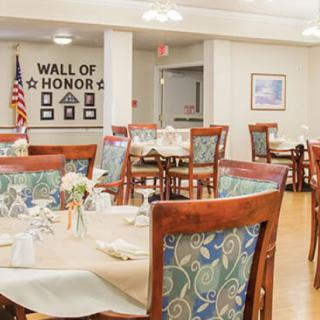
  • Dining room Dining roomDining rooms are important for seniors as they provide a space for socialization, connection, and nutritious meals. They offer opportunities for residents to bond over shared meals, foster a sense of community, and promote healthy eating habits. Dining rooms also ensure that seniors have access to well-balanced meals tailored to their dietary needs and preferences.
  • Fully furnished Fully furnishedFully furnished senior living communities are important for seniors because they provide convenience, comfort, and a hassle-free moving experience. Seniors can easily settle into their new living space without the stress of having to buy and move furniture. This allows them to focus on enjoying their new home and community.
  • Garden GardenGardens are important for seniors as they provide a peaceful and therapeutic environment for relaxation, physical activity, and socialization. Being in nature has been shown to reduce stress, improve mood, and promote overall well-being. Gardens also offer opportunities for seniors to engage in gardening activities, which can improve mobility, flexibility, and cognitive function. Additionally, gardens create a sense of community and connection with others who share a passion for plants and outdoor spaces.
  • Housekeeping services Housekeeping servicesHousekeeping services are important for seniors because they help maintain a clean and safe living environment, promote independence, and reduce the risk of accidents or illnesses. Additionally, having assistance with household chores can alleviate physical strain and allow seniors to focus on other aspects of their well-being.
  • Kitchenette KitchenetteKitchenettes are important for seniors living in senior living communities because they provide the convenience and independence of being able to prepare simple meals and snacks in the comfort of their own living space. This can help promote a sense of autonomy and well-being for seniors, allowing them to maintain some level of control over their dietary choices and daily routines.
  • Move-in coordination Move-in coordinationMove-in coordination is important for seniors because it helps ease the transition into their new living environment. It ensures that all logistics, such as packing, organizing movers, and setting up utilities are taken care of, allowing seniors to focus on settling in and adjusting to their new home. Having a smooth move-in process can alleviate stress and anxiety, making the transition smoother and more enjoyable for seniors.
  • Outdoor space Outdoor spaceOutdoor spaces are important for seniors as they provide opportunities for physical activity, social interaction, exposure to natural light and fresh air, and a sense of connection to nature. Having access to outdoor spaces can improve overall well-being and quality of life for older adults living in senior communities.
  • Telephone TelephoneTelephones are important for seniors as they provide a lifeline for communication with loved ones, emergency services, and healthcare providers. They offer a sense of security and independence, enabling seniors to stay connected and access assistance when needed.
  • Wi-Fi/high-speed internet available Wi-Fi/high-speed internet availableWi-Fi/high-speed internet is important for seniors to stay connected with loved ones, access online resources, and participate in virtual activities to combat feelings of loneliness and isolation. It also allows them to easily manage healthcare needs, access entertainment, and engage in lifelong learning opportunities.

Care Services

  • 24-hour call system 24-hour call system24-hour call systems are important for seniors because they provide peace of mind and immediate assistance in case of emergencies. This technology ensures that help is always available, promoting safety and security for elderly individuals living alone or in assisted living facilities.
  • 24-hour supervision 24-hour supervision24-hour supervision is important for seniors to ensure their safety, well-being, and access to immediate assistance in case of emergencies or health issues. This constant support provides peace of mind for both seniors and their loved ones, allowing them to age in place with dignity and security.
  • Activities of daily living assistance Activities of daily living assistanceActivities of daily living assistance are important for seniors because they provide essential support with tasks such as eating, bathing, dressing, and mobility. This assistance helps seniors maintain their independence, dignity, and overall quality of life as they age.
  • Assistance with bathing Assistance with bathingAssistance with bathing is crucial for seniors as it helps maintain personal hygiene, prevents infections, and ensures their overall well-being and comfort. It also provides a sense of dignity and independence for seniors who may struggle with this task on their own.
  • Assistance with dressing Assistance with dressingAssistance with dressing is important for seniors because it helps maintain their independence, promotes personal hygiene, prevents accidents and injuries, and improves overall quality of life. This service ensures that seniors can continue to dress comfortably and confidently, despite any physical limitations they may have.
  • Assistance with transfers Assistance with transfersAssistance with transfers is crucial for seniors as it helps prevent falls and injuries, maintains their independence, and ensures they can safely navigate their living environment. It also provides peace of mind for both seniors and their loved ones.
  • Coordination with health care providers Coordination with health care providersCoordination with health care providers is crucial for seniors to ensure proper medical care, medication management, and overall well-being. This collaboration helps prevent overlapping treatments, track progress more effectively, and provide comprehensive support tailored to individual needs.
  • Diabetes diet Diabetes dietA diabetes diet is crucial for seniors as it helps manage blood sugar levels, reduce risks of complications, and improve overall health and well-being. By following a balanced and nutritious diet tailored to their specific needs, seniors can better control their diabetes and enhance their quality of life.
  • Meal preparation and service Meal preparation and serviceMeal preparation and service are crucial for seniors as they may have limited mobility or energy to cook nutritious meals. Having access to healthy and convenient food options can ensure they are getting the proper nutrition needed to maintain their overall health and well-being.
  • Medication management Medication managementMedication management is crucial for seniors to ensure they are taking the right medications at the correct dosages and times. This helps prevent adverse drug interactions, reduces the risk of medication errors, and promotes overall health and well-being. Proactive management also allows for adjustments as needed based on changing health conditions or new prescriptions.
  • Mental wellness program Mental wellness programMental wellness programs are essential for seniors as they promote cognitive stimulation, emotional support, and social engagement. These programs help prevent isolation, depression, and cognitive decline, ultimately enhancing the overall quality of life for older adults.
  • Special dietary restrictions Special dietary restrictionsSpecial dietary restrictions are important for seniors because age-related changes in metabolism and health conditions can make it difficult for their bodies to process certain foods. By following a diet tailored to their specific needs, seniors can maintain their overall health and well-being, manage chronic conditions, and reduce the risk of complications such as malnutrition or food interactions with medications.
  • Transportation arrangement (medical) Transportation arrangement (medical)Transportation arrangements for medical purposes are essential for seniors as they may have difficulty driving themselves to appointments or accessing public transportation. Having reliable and safe transportation options ensures that seniors can receive timely medical care and maintain their health and well-being.
  • Transportation to doctors appointments Transportation to doctors appointmentsTransportation to doctors' appointments is crucial for seniors as it ensures they have access to necessary medical care and support for their health needs. Without reliable transportation, seniors may struggle to attend important appointments, leading to potential delays in treatment and health complications. Providing transportation services helps seniors maintain their overall well-being and quality of life.
Dining

  • Diabetes diet Diabetes dietA diabetes diet is crucial for seniors as it helps manage blood sugar levels, reduce risks of complications, and improve overall health and well-being. By following a balanced and nutritious diet tailored to their specific needs, seniors can better control their diabetes and enhance their quality of life.
  • Special dietary restrictions Special dietary restrictionsSpecial dietary restrictions are important for seniors because age-related changes in metabolism and health conditions can make it difficult for their bodies to process certain foods. By following a diet tailored to their specific needs, seniors can maintain their overall health and well-being, manage chronic conditions, and reduce the risk of complications such as malnutrition or food interactions with medications.

Activities

  • Community-sponsored activities Community-sponsored activitiesCommunity-sponsored activities are important for seniors as they provide opportunities for social interaction, mental stimulation, and physical activity. These activities can help improve overall well-being, combat loneliness and isolation, and promote a sense of belonging and purpose among older adults.
  • Resident-run activities Resident-run activitiesResident-run activities are important for seniors as they encourage social interaction, creativity, and a sense of autonomy. These activities empower seniors to stay engaged and active in their community while fostering meaningful connections with their peers.
  • Scheduled daily activities Scheduled daily activitiesScheduled daily activities are important for seniors because they provide structure, socialization, mental stimulation, and physical activity. Engaging in regular activities can improve overall well-being and quality of life for seniors living in a community setting.

Description

Hickory Creek At New Castle in New Castle, IN is a skilled nursing facility that offers a range of care services for seniors. Our community provides 24-hour supervision and assistance with activities of daily living such as bathing, dressing, and transfers. We also offer coordination with health care providers and medication management.

Residents at Hickory Creek At New Castle can enjoy a variety of amenities to enhance their comfort and well-being. Each room is fully furnished and includes cable or satellite TV, telephone, and Wi-Fi/high-speed internet access. Our dining room serves delicious meals prepared according to special dietary restrictions. Housekeeping services ensure that residents can enjoy a clean and tidy living environment.

To promote mental wellness, we offer a mental wellness program that includes various activities and events. We also have resident-run activities and scheduled daily activities to keep our residents engaged and entertained.

Our community is conveniently located near several amenities including cafes, parks, pharmacies, physicians' offices, restaurants, transportation options, places of worship, and hospitals. This allows our residents easy access to nearby services and destinations.

At Hickory Creek At New Castle, we prioritize the safety and well-being of our residents while providing them with a comfortable and enjoyable living environment. With our comprehensive care services, amenities, and convenient location, we strive to meet the needs of our senior population in every way possible.

Nearby Places of Interest

Pharmacies

  • Neighborhood Pharmacy at Henry Community Health (0.1 miles)
  • Ltrx Pharmacy (1 miles)
  • Walgreens (1 miles)
  • Kroger Pharmacy (1.1 miles)
  • CVS Pharmacy (1.1 miles)
  • McGrady Family Pharmacy (2 miles)
  • McGrady Pharmacy (2.1 miles)

Physicians

  • New Castle Clinic (0.1 miles)
  • HealthLink (0.2 miles)
  • Henry Community Health Surgical Specialists (0.2 miles)
  • Henry County Cardiology (0.2 miles)
  • David Barr, MD (0.8 miles)
  • Reid Hearing Center - New Castle (1.4 miles)
  • Reid Primary & Specialty Care - New Castle (1.4 miles)

Hospitals

  • Henry County Allergy & Infectious Disease/ Immunology (0.1 miles)
  • Henry County Memorial Hospital (0.2 miles)
  • Henry Community Health (0.2 miles)

Places of Worship

  • St Anne Catholic Church (0.7 miles)
  • First United Methodist Church (0.8 miles)
  • Remnant Church (0.9 miles)
  • Guest House (0.9 miles)
  • First Friends Meeting (0.9 miles)
  • Rev Jonathan Morgan (1.1 miles)
  • General Conference Of Seventh-Day Adventists (1.3 miles)

Restaurants

  • Primo (0.7 miles)
  • Los Amigos Mexican Restaurant (1.1 miles)
  • Little Caesars Pizza (1.1 miles)
  • Applebee's (1.1 miles)
  • Stacks Restaurant (1.2 miles)
  • Long John Silver's (1.2 miles)
  • Wendy's (1.3 miles)

Parks

  • New Castle Arts Park (0.7 miles)
  • New Castle Girls Youth Softball Diamonds-Osborne Park (0.9 miles)
  • Murphey Park (1.1 miles)
  • The Castle At Baker Park (2 miles)
  • Summit Lake State Park (6.3 miles)
  • City Park (11.6 miles)
  • Sunset Park (13.6 miles)

Transportation

  • U-Haul Neighborhood Dealer (0.8 miles)
  • Enterprise Rent-A-Car (0.9 miles)
  • U-Haul Moving & Storage (1 miles)
  • U-Haul Moving & Storage (1.1 miles)
  • U-Haul Neighborhood Dealer (3.6 miles)
  • U-Haul Neighborhood Dealer (13.3 miles)

Cafes

  • Cafe-Royal Coffee House (2.2 miles)
  • Blue Oval Barista's (13.5 miles)
  • Starbucks (16 miles)

Frequently Asked Questions

Where is Hickory Creek At New Castle?
What photos are available for Hickory Creek At New Castle in New Castle, Indiana?

Nearby Communities

  • Stonebrooke Rehabilitation Centre

    Stonebrooke Rehabilitation Centre

    New Castle, IN

    3.9 from 35 reviews
     

    pro Comprehensive care options (AL, Memory Care, SNF) with on-site amenities and 24-hour supervision.


  • Bethany Village Apartments

    Bethany Village Apartments

    New Castle, IN

    2.7 from 3 reviews
     

    pro Prime location with parks, cafes, healthcare, and dining nearby.

  • Heritage House Of New Castle

    Heritage House Of New Castle

    New Castle, IN

    4.7 from 25 reviews
     

    pro Comprehensive care with extensive on-site amenities and diabetes-focused dining.

  • Waters Of New Castle

    Waters Of New Castle

    New Castle, IN

    3.8 from 22 reviews
     

    pro Comprehensive amenities with 24/7 supervision and personalized care.

  • Addison Place

    Addison Place

    New Castle, IN

    4.8 from 85 reviews
    $2,341 to $5,107 / month

    pro Friendly, compassionate staff and a close-knit, activity-rich community with home-style meals.

  • Senior Living at Forest Ridge

    Senior Living at Forest Ridge

    New Castle, IN

    4.9 from 45 reviews
    $1,500 to $2,900 / month

    pro Friendly community with diverse activities and restaurant-style dining.

  • Silver Birch Of Muncie

    Silver Birch Of Muncie

    Muncie, IN

    4.4 from 54 reviews
    $2,000 / month

    pro New, modern facility with spacious, accessible apartments and attentive staff.

  • Sugar Fork Crossing

    Sugar Fork Crossing

    Anderson, IN

    4.9 from 172 reviews
    $3,310 to $5,120 / month

    pro Caring staff in a clean, inviting community with restaurant-style dining and engaging activities.

  • The Lofts at Roberts

    The Lofts at Roberts

    Muncie, IN

    3.4 from 14 reviews
    $574 / month

    pro Helpful staff, clean, well-maintained apartments in a safe downtown setting.

Related Resources

  • assisted living activitiesBeyond the Bingo Hall: 50+ Enriching Activities for Seniors in Assisted Living

    Assisted living communities offer diverse activities beyond traditional games to enhance seniors' physical health, cognitive well-being, emotional enrichment, and social connections, including fitness classes, creative expression, and intergenerational interactions. These enriching programs foster community bonds and support residents' independence and happiness.

  • assisted living vs memory careUnderstanding the Distinctions: Assisted Living and Memory Care Explained

    The article differentiates between assisted living and memory care, explaining that assisted living supports seniors with daily activities while promoting independence, whereas memory care provides specialized services for individuals with dementia, focusing on secure environments and cognitive support. It also addresses staff training, safety considerations, costs, family involvement, and transition strategies for families navigating these care options.

  • elderly parent refuses assisted livingGuiding Elderly Parents Who Refuse Assisted Living: 6 Practical Steps

    Family caregivers face emotional, legal, and practical challenges when elderly parents refuse assisted living, often due to fears of losing autonomy. Open conversations and professional assessments can help address these concerns while exploring alternatives and ensuring safety, potentially leading to legal guardianship if necessary.