For more information about senior living options: (866) 208-4318
4.9 from 113 reviews
5 stars
111
4 stars
0
3 stars
0
2 stars
1
1 stars
1
Overall Review of Home Instead Senior Care
differentiator4 reviews mention this
Around-the-clock support at home
Several reviews describe overnight and 24-hour-style support that helps keep care going after hours.
Residents’ families and clients describe care that can extend overnight and, in some cases, to a 24-hour need. Reviews mention caregivers watching over a loved one so family members can sleep, along with support when schedules change. One review specifically notes the service being used for severe dementia/alzheimer’s complications requiring around-the-clock care.
differentiator4 reviews mention this
Dementia care is supported
Multiple reviews reference dementia-related needs and describe caregivers who respond with understanding and dependability.
Several reviews mention dementia and describe caregiving that helped with daily comfort and support at home. One reviewer credits the service with helping a parent live at home rather than moving to assisted living or memory care. Another review describes severe dementia/alzheimer’s complications and the ability to find solutions quickly as needs shifted.
common5 reviews mention this
Help with rides and appointments
Reviews repeatedly mention caregivers who help with transportation to medical appointments and follow-up needs.
Families describe practical support like accompanying clients to appointments and driving them home afterward. Multiple reviews also mention transport for rehab or errands tied to care needs, helping reduce the burden on family members. In addition to rides, some reviews describe caregivers showing up for scheduled waiting rooms and keeping the day moving.
How we summarize
Counts show how many written reviews mention each theme; a review can touch several themes, and only frequently mentioned themes are displayed.
Features
Transportation
South Bend Regional (7 miles away)
Nearby Places of Interest
Restaurants
Caracas Bistro (0.1 miles)
King Gyros (0.2 miles)
Salsa's Mexican Grill (0.3 miles)
Hooters (0.3 miles)
Logan's Roadhouse (0.3 miles)
Bonefish Grill (0.4 miles)
Chili's Grill & Bar (0.7 miles)
Pharmacies
Stat Pharmacy (0.1 miles)
Walgreens (0.9 miles)
Walmart Pharmacy (1.3 miles)
Beacon Home Care (1.4 miles)
CVS Pharmacy (1.6 miles)
Walgreens (1.7 miles)
CVS Pharmacy (2.1 miles)
Physicians
Spine & Orthopedic Medicine (0.2 miles)
Michiana Spine And Sports Med (0.3 miles)
Narcysia Health Care (0.4 miles)
The South Bend Clinic (0.4 miles)
Arnold Del Pilar (0.4 miles)
Saint Joseph Occupational Health Network (0.5 miles)
Home health care has become essential for supporting independence among the aging population, offering diverse services such as skilled nursing and rehabilitation in familiar environments, while also incorporating technology for personalized care. Despite its benefits, including improved recovery rates and emotional well-being, challenges like safety, staff availability, and insurance navigation must be managed for effective implementation.
Home health care offers a range of clinical services provided in a patient's home, including nursing and therapy, tailored to individual needs, particularly for aging seniors with chronic conditions. This approach enhances patient independence, promotes better disease management, and utilizes technology for real-time monitoring while fostering collaboration among healthcare providers and family members.
Seniors benefit from ride-hailing services like Uber and Lyft, which provide convenient and accessible transportation options that promote independence and social engagement, while addressing mobility challenges. These platforms have adapted to meet senior needs with user-friendly features and safety measures, although costs can be a concern; community programs may help subsidize rides for older adults.
Get PricingAsk A QuestionSchedule A TourContact Senior Advisor
By clicking submit, you agree to our Partner's Terms of Use. You
also consent to receive calls and texts, which may be autodialed, from our Partner. Your consent is not a condition to
using our Partner's service. Please visit our Partner's Privacy Policy for information about their privacy practices.

 South Bend Regional (7 miles away)
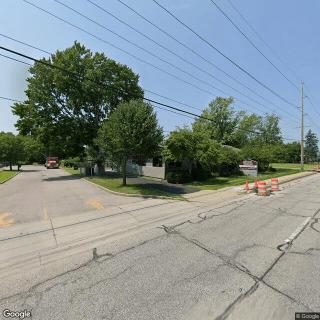
 Compassionate, well-trained staff with good caregiver matching and flexible scheduling.
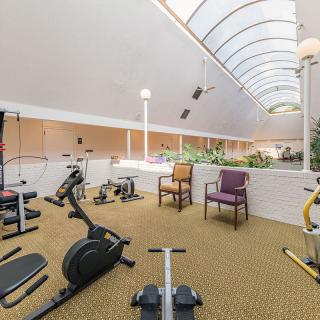
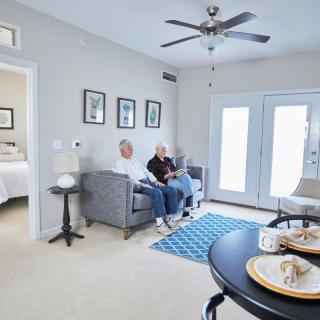

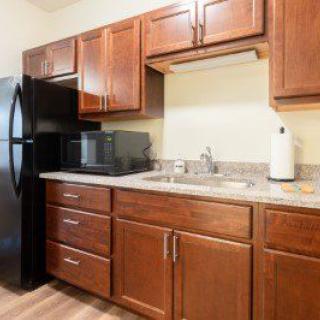


 Understanding Home Health Care: A Comprehensive Guide
 Home Health Care Demystified: A Comprehensive Guide for Families and Caregivers
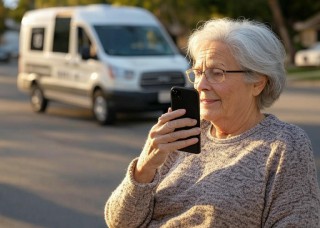 Seniors and Modern Transportation: Exploring Uber, Lyft, and Other Ride-Hailing Options