
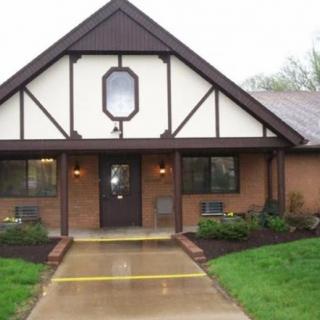
1151 South Hubert Circle West, Martinsville, IN 46151
For more information about senior living options: (866) 208-4318
Overall Review of Grand Valley Gardens Assisted Living Facility
Pros
 The staff are very friendly and helpful.
- The staff provide great care and genuinely care about the residents.
- The villas are wonderful and clean.
- The villas are built with good quality materials and appliances.
Cons
 The bathrooms are not handicapped accessible.
- The food is not appropriate for assisted living patients who could have medical and dietary issues.
- The facility does not treat its staff or patients as they deserve to be treated.
Review
Grand Valley Gardens Assisted Living in Martinsville is best suited for active seniors who prize a warm, attentive staff and a clean, well-appointed villa lifestyle. The setting emphasizes personal care and daily routines delivered with clear caring by caregivers who make residents feel known. The villas themselves feel modern and comfortable, with quality materials and appliances that support independent living while enabling easy social interaction. This community tends to shine for residents who do not require highly specialized medical diets or universal accessibility in every bathroom. In short, practical comfort and responsive caregiving are the core strengths, making it a solid match for those who value daily reassurance and a welcoming atmosphere over clinical precision or extensive facility customization.
However, several considerations push families to look at alternatives. For anyone whose day-to-day needs hinge on accessible bathrooms, this campus presents a real hurdle due to non-handicapped accessible showers and toilets in the villas. That feature matters for residents using walkers or wheelchairs or for those at risk of falls. Likewise, menus and meal planning appear misaligned with medical or dietary restrictions, which can become a problem for residents with diabetes, hypertension, or texture-modified diets. Finally, a troubling note in one review about how staff and residents are treated raises questions about organizational culture and respect. Those needing a consistently supportive, respectful, and transparent environment may want to compare other communities before deciding.
On the upside, the strongest impression rests with the staff. Reviews consistently highlight friendly, helpful caregivers who truly seem to care about residents, delivering care with warmth and attentiveness. That relational foundation often translates into reliable daily routines, timely assistance, and a sense of security for families who cannot be on site around the clock. The villas reinforce this positive picture: they are described as wonderful and clean, with solid construction and modern conveniences. For residents who value straightforward, dignified living in a courteous environment, these elements provide meaningful daily momentum and can mitigate some of the stress of aging at home.
Still, the drawbacks cannot be ignored. Bathrooms that are not ADA-compliant impede independence for mobility-impaired residents and pin a use-case on family caregivers and staff for support, potentially increasing frustration and risk. The dietary mismatch, food that may not accommodate medical or diet-related constraints, undermines the promise of comfortable, health-supportive dining. And the assertion that staff or residents are not treated with the respect they deserve speaks to a cultural issue; even excellent caregivers can struggle to deliver safe, compassionate care in an oppressive environment. These factors collectively raise the likelihood that some residents may compromise on comfort, autonomy, or trust.
Yet the pros do offer some meaningful offset, provided a fit exists. The consistent warmth of the caregiving team can cushion the impact of less-than-ideal features if leadership demonstrates ongoing improvement and open communication. Clean, well-equipped villas promote ease of living, reduce maintenance burdens, and support social living, critical for mental well-being. If accessibility can be addressed through accommodations or future renovations, and if menus can be tailored to medical needs with careful planning, the overall experience strengthens. However, the leverage of these positives is limited by culture and policy; without reliable, respectful treatment and concrete accessibility solutions, the advantages may not fully compensate for the core drawbacks.
Families ready to move forward should pursue a structured due diligence plan. Schedule a direct tour, probe accessibility options for bathrooms, and review the proposed dietary accommodations alongside a nutritionist’s recommendations. Ask for current resident testimonials about staff culture, and request specifics on how concerns are escalated and handled. Compare this community against others with proven ADA-compliant facilities and robust diet programs to ensure a match to the resident’s medical, mobility, and lifestyle needs. When the fit is right, Grand Valley Gardens can offer a supportive, neighborly environment with solid everyday care; when it isn’t, alternatives with stronger accessibility and culture-proof practices are advisable.
 52 resident community capacity
 Assisted Living
 Independent Living
 Air-conditioning
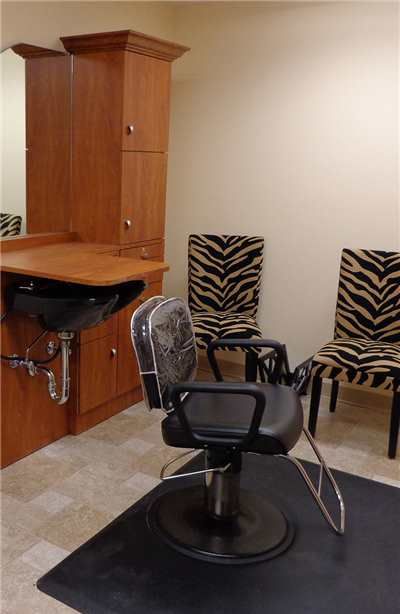
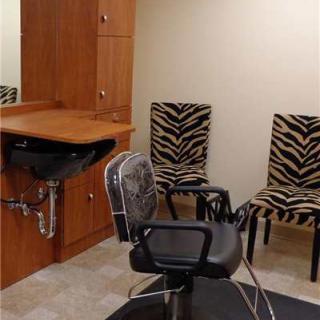
 Beauty salon
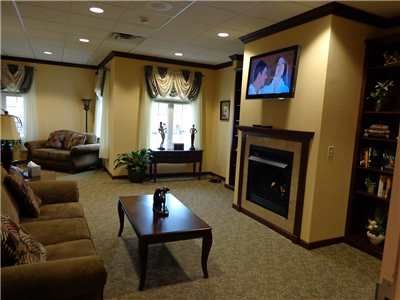
 Cable or satellite TV
 Computer center
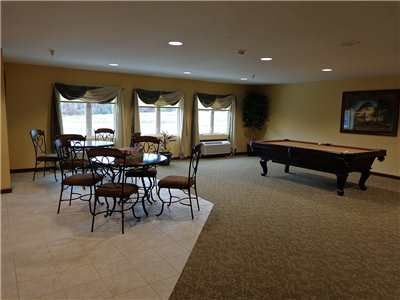
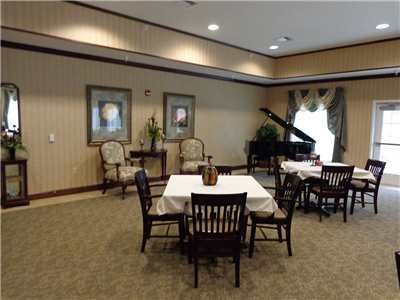
 Dining room
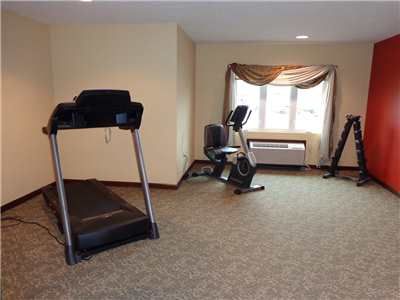
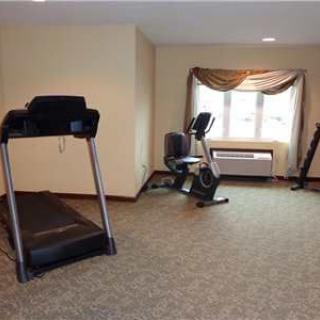
 Fitness room
 Fully furnished
 Gaming room
 Garden
 Housekeeping services
 Kitchenette
 Move-in coordination
 Outdoor space
 Private bathrooms
 Restaurant-style dining
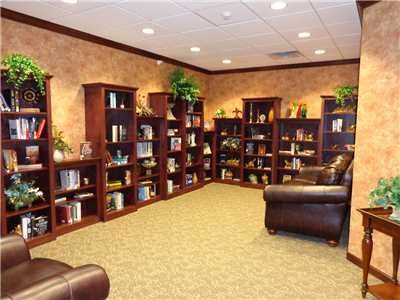
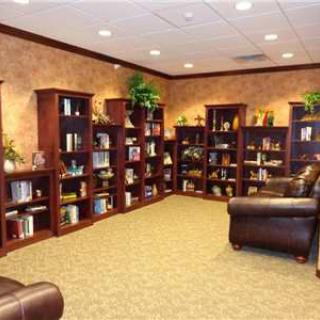
 Small library
 Telephone
 Wellness center
 Wi-Fi/high-speed internet available
 Community operated transportation
 24-hour call system
 Activities of daily living assistance
 Assistance with bathing
 Assistance with dressing
 Assistance with transfers
 Diabetes diet
 Medication management
 Special dietary restrictions
 Concierge services
 Planned day trips






 Beyond the Bingo Hall: 50+ Enriching Activities for Seniors in Assisted Living
 Understanding the Distinctions: Assisted Living and Memory Care Explained
 Guiding Elderly Parents Who Refuse Assisted Living: 6 Practical Steps