

1256 N. 400W, Marion, IN 46952
To contact a resident: (765) 384-4323
For more information about senior living options: (866) 208-4318
Overall Review of Suite Living Senior Living Community
Pros
 The staff and residents are very nice.
- The community is very caring for its seniors, and the staff is always sweet.
- The staff were great.
- Their grandfather receives excellent customer service and personal attention.
- He is at home and loves his two-bedroom suite.
Cons
 The reviewer warns readers to beware of this community.
Review
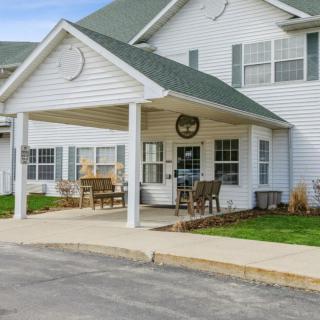
Suite Living Senior Living Community in Marion, IN is best suited for seniors who want a warm, home-like setting with personal attention, where a two-bedroom suite can feel like a small apartment with supportive services nearby. The property appears ideal for couples or multi-generational families seeking a stable place to transition from independent living into assisted living, without sacrificing everyday autonomy. The anecdotes of long-tenured residents and real family satisfaction point to a community that values continuity, familiarity, and a low-drama, approachable culture. Prospective movers should be drawn to the idea of a friendly, neighborly environment where staff know residents by name and families feel heard. For seniors who prize a quiet, intimate feel over a bustling campus, Suite Living can be an excellent match.
The strongest upside is personal warmth expressed by both staff and residents. Reviews consistently highlight kindness, courtesy, and genuine care. The staff is described as sweet and attentive, with a willingness to engage residents beyond routine tasks. Families repeatedly point to the level of customer service and the personal attention given to their loved ones, which translates into a sense of being seen and valued. The positive tone around interactions with residents reinforces a culture where daily life feels comfortable and dignified, a crucial consideration for older adults who fear isolation or impersonality in care settings.
Another clear advantage is the lived experience of families who have watched relatives thrive in place. One family notes that their grandmother “stays here” and that the environment feels like home. A couple’s transition from Independent Living into Assisted Living within the same community suggests strong, cohesive planning and a transparent progression of care. The existence of a two-bedroom suite as the core housing plan reinforces the feeling of normalcy and privacy, which can ease anxiety about moving into senior living. This combination, personalized attention paired with a homey layout, appears to reduce the emotional and logistical friction that often accompanies care transitions.
However, no community operates without caveats, and Suite Living carries a notable caution from at least one reviewer. The “beware” sentiment signals that not every experience aligns with the favorable stories. While the lack of specifics makes it hard to parse the exact cause, it serves as a reminder that variance in service, communication, or responsiveness can occur. Prospects should treat this as a prompt to perform thorough diligence: request a direct meeting with caregiving staff, inquire about consistency across shifts, and clarify how issues are escalated and resolved. Given the 4.1 overall rating from nine reviews, this warning is material enough to demand careful, on-site assessment rather than relying solely on positive anecdotes.
The key pros do offset the main concerns when viewed through a practical lens. The warmth of the staff and the sense of belonging in a small community can materially improve day-to-day quality of life for residents who fear impersonal care. The continuity inherent in a long-tenured staff and the familiar two-bedroom suites can mitigate the stress of moving and reduce the feeling of being uprooted. If the main risk is potential inconsistency or a single negative episode, the remedy lies in proactive due diligence, demand clear care plans, verify staffing patterns, and insist on meeting the team that would care for the loved one most of the time. For families who prioritize emotional comfort, stability, and a personalized touch, these benefits often outweigh the uncertain risk suggested by a lone warning.
In the decision-making process, Suite Living should be weighed against what the family needs now and what it may require in the near future. For those prioritizing a tightly knit community where staff turnover seems minimal and where a resident can stay in a familiar residence through transitions, this option earns strong consideration. It works especially well for residents who can live comfortably with a moderate level of medical oversight and who value routine, predictable interactions with caring staff. On the other hand, families with high-acuity medical needs, substantial memory care requirements, or the desire for a broader slate of on-site medical specialists and structured programming may want to explore alternatives that offer deeper clinical support and larger, more specialized teams.
The bottom line is clear. Suite Living is a practical, value-driven choice for seniors who want warmth, personalized attention, and a home-like two-bedroom setting within a small, stable community. It excels at creating a sense of belonging and daily ease, which can be transformative for residents who fear the cold edge of institutional care. Yet real-world caution is warranted: at least one review signals that experiences can diverge, underscoring the necessity of a hands-on due-diligence process. Prospective families should schedule a tour, meet the caregiving team, request to observe a weekday routine, and discuss concrete care plans and escalation procedures. When these steps are completed, Suite Living presents a compelling fit for families prioritizing connection, dignity, and continuity over sprawling campuses and aggressive medical programming.
 Assisted Living
 Independent Living
 Cats allowed
 Dogs allowed
 Activities on-site
 Devotional services off-site
 Indoor common areas
 Ambulatory care
 Diabetic care
 Meals provided







 Exploring the Contrasts Between Assisted Living and Skilled Nursing
 8 Key Indicators That Suggest It May Be Time to Transition from Assisted Living to Skilled Nursing Care
 Vibrant Senior Living: A Comprehensive Guide for Active Older Adults