Miller's Merry Manor - Marion

Save
Miller's Merry Manor - Marion Miller's Merry Manor - Marion Miller's Merry Manor - Marion Miller's Merry Manor - Marion

Miller's Merry Manor - Marion

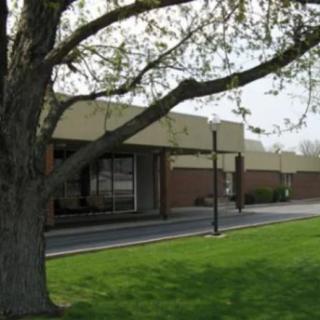
505 North Bradner Avenue, Marion, IN 46952

For more information about senior living options: (844) 490-3973

2.9 from 12 reviews
5 stars
3
4 stars
2
3 stars
2
2 stars
1
1 stars
4

Assisted Living Skilled Nursing Facility

Overall Review of Miller's Merry Manor - Marion

Pros

  • pro Tom Swan has received the best possible care at Millers Merry Manor - personal attention, wonderful therapy, and immediate response to his medical needs.
  • pro Excellent care.
  • pro Great Place.

Cons

  • pro The facility is criticized for not repositioning residents every two hours, leading to bedsores.
  • pro A resident was left in a wheelchair for four to six hours despite requests to reposition.
  • pro Staffing shortages are cited as the reason for not following the claimed standard protocol.
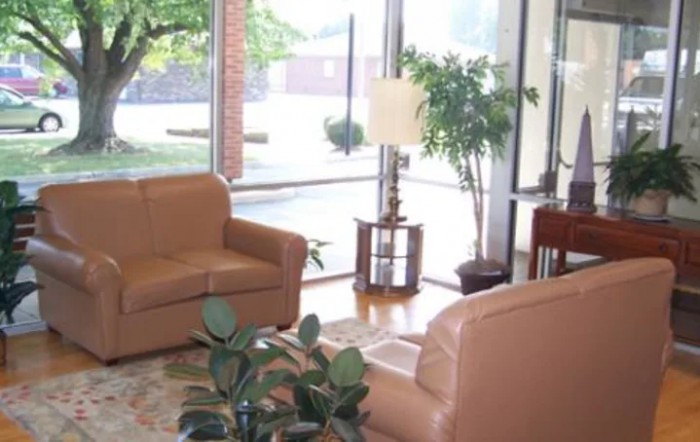
  • pro The interior is described as outdated and not up to modern standards.
  • pro A resident was left on a bedpan for almost two hours, with turning neglected to prevent bedsores.
  • pro Nurses are accused of ignoring residents' needs by turning down volume, turning off phones, and complaining about family contact.
  • pro A nurse allegedly told the resident to stop calling and stop complaining.
  • pro Rooms are described as dirty and staff appear uncaring.
  • pro The overall impression from the reviews is that the place is a complete and utter joke.

Review

The collection of experiences shared about Millers Merry Manor presents a spectrum of care that swings from high praise to sharp frustration. On one hand, there are clear affirmations that Tom Swan received the best possible care, with personal attention, strong therapy, and an immediate response to medical needs. The writer describes this as "Excellent care" and emphasizes the value of individualized attention, therapy quality, and responsiveness that helped him feel well-supported during his time there. This perspective suggests that when things click with the staff and routines work smoothly, the facility can deliver a positive, patient-centered experience.

However, the other voices tell a far more troubling story, especially regarding a patient who has been in rehab there for over three weeks across two stays. The father's experience is marked by serious concerns about wounds and care management. The reviewer notes that his bottom is "a mess of bedsores" and questions the claimed practice of turning and repositioning every two hours, a standard protocol in many long-term care settings. The frustration deepens with specific incidents: a day where he was left in his wheelchair for four hours and another instance of six hours until staff finally intervened. The staff member who arrived with a lift reportedly dismissed the situation, telling the family to "Document away," and explaining there were only two workers on duty. This combination of alleged neglect and dismissiveness fuels the accusation that the facility cannot reliably uphold the stated standard of care when staffing is stretched thin.

Compounding the concern is the family's interest in seeking help from the social worker on staff, signaling a desire for advocacy and escalation when issues arise. The request, "please contact me at your earliest convenience," underscores the sense that timely intervention and guidance are needed to navigate ongoing care decisions and to address other ongoing concerns beyond the bedsores. The tone conveys a push for active engagement from the facility's support structure to ensure that a vulnerable family member receives appropriate oversight and assistance.

In parallel, the writer reflects on the personal adjustment required as a resident - missing independence, the ability to manage daily tasks, and the challenge of living under a higher level of care. This interior perspective complements the clinical concerns by highlighting the emotional and practical strains of transitioning to a facility-based lifestyle. It acknowledges some benefit to the overall experience while candidly admitting that the adjustment has been difficult, adding depth to the overall narrative of care at the manor.

Among the most forceful expressions is a separate, emphatic critique:

This place is a COMPLETE & UTTER JOKE! The reviewer recounts volume control problems for a loved one who relies on a functioning phone to hear, noting that staff either turned down the volume or switched the device off. They describe being left on a bedpan for nearly two hours and failing to ensure proper turning to prevent bedsores. The nurse allegedly told the family to stop calling and to stop complaining, while the room condition allegedly looked gross and the overall attitude suggested a lack of care for the job. The verdict is scathing: this facility is not worth even one star, and the dismissal of concerns during family interactions adds to the sense of neglect.

In addition to these severe criticisms, there are terse, even harsher lines about the nursing staff with phrases like "Nurses there cant even do their job. Pathetic." and a blunt judgment that, if given a choice, the author would not permit anyone's loved ones to be there. Yet interwoven with these strong statements are occasional, briefer affirmations such as simply, "Great Place," which hints at a contrasting experience from another perspective or at least from a momentary encounter. The juxtaposition of these starkly different impressions reinforces the impression that experiences at the facility can vary dramatically from one resident or shift to another.

Taken together, the reviews portray a facility with notable strengths in some circumstances - a level of personal attention, strong therapeutic components, and responsive medical response - alongside serious, recurring concerns about patient safety, staffing adequacy, and communication. Bedsores and delayed repositioning emerge as central themes in the negative accounts, underscoring how essential proper turning, wound care, and responsiveness are to patient well-being. The narratives also illustrate the impact of staffing constraints on care quality and the risk of broken communication between families and care teams, including the role of social workers in coordinating advocacy and follow-up.

For families evaluating Millers Merry Manor, the message is nuanced. While some residents experience positive, attentive care and effective therapy, others report troubling lapses in basic safety practices, delays in assistance, and distressing treatment from staff. Expect uneven experiences across shifts and days, and consider engaging directly with social workers and care coordinators to set clear expectations, request detailed care plans, and advocate for timely, thorough attention to wounds, repositioning, and daily needs. The spectrum of feedback here highlights the importance of ongoing oversight, transparent communication, and proactive staffing and safety measures to ensure that all residents receive reliable, compassionate care.

Features

Housing

  • 200 resident community capacity 200 resident community capacity

Types of Care

  • Assisted Living Assisted LivingAssisted living facilities provide crucial support and care for seniors who may need help with daily tasks such as medication management, bathing, and meal preparation. These communities offer a safe and comfortable environment where seniors can maintain their independence while receiving the assistance they need to thrive in their golden years.
  • Skilled Nursing Facility Skilled Nursing FacilitySkilled Nursing Facilities are crucial for seniors as they provide round-the-clock medical care, rehabilitation services, and assistance with daily activities. These facilities ensure that seniors receive the specialized care they need to maintain their health and well-being as they age.

Amenities

  • Air-conditioning Air-conditioningAir conditioning is important for seniors as they are more vulnerable to heat-related illnesses and may have underlying health conditions that make it difficult for them to regulate their body temperature. It helps to keep them comfortable, safe, and healthy in hot weather.
  • Beauty salon Beauty salonBeauty salons are important for seniors because they provide a space for them to feel pampered, socialize, and maintain their personal grooming and hygiene. Regular visits to a beauty salon can help boost seniors' self-esteem and overall well-being.
  • Cable or satellite TV Cable or satellite TVCable or satellite TV is important for seniors because it provides entertainment, news, and companionship, helping to combat loneliness and boredom. It also offers a wide range of programming options tailored to different interests and preferences.
  • Computer center Computer centerA computer center is essential for seniors as it provides access to technology, communication tools, and resources that can enhance their daily lives. It allows them to stay connected with loved ones, engage in online activities, and learn new skills, ultimately promoting socialization and mental stimulation.
  • Dining room Dining roomDining rooms are important for seniors as they provide a space for socialization, connection, and nutritious meals. They offer opportunities for residents to bond over shared meals, foster a sense of community, and promote healthy eating habits. Dining rooms also ensure that seniors have access to well-balanced meals tailored to their dietary needs and preferences.
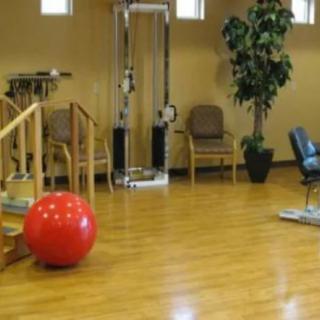
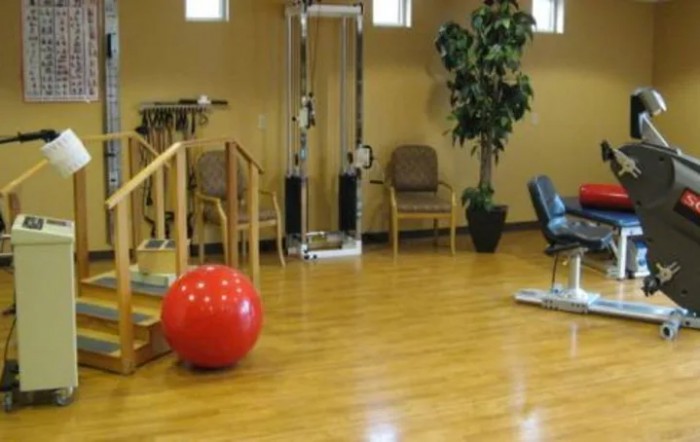
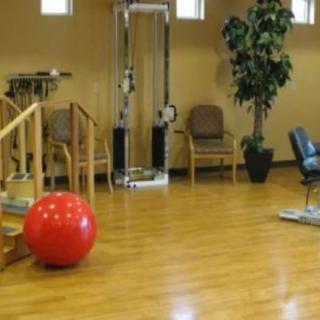
  • Fitness room Fitness roomHaving a fitness room in a senior living community is essential for seniors to stay active, maintain their physical health, and improve their overall well-being. Regular exercise can help prevent falls, reduce the risk of chronic diseases, and promote mental sharpness. It also provides social opportunities for residents to connect with others and enjoy a sense of community.
  • Fully furnished Fully furnishedFully furnished senior living communities are important for seniors because they provide convenience, comfort, and a hassle-free moving experience. Seniors can easily settle into their new living space without the stress of having to buy and move furniture. This allows them to focus on enjoying their new home and community.
  • Gaming room Gaming roomGaming rooms are important for seniors as they provide a fun and engaging environment for socializing, cognitive stimulation, and physical activity. Games can improve memory, problem-solving skills, and overall mental well-being while fostering friendships and reducing feelings of isolation.
  • Garden GardenGardens are important for seniors as they provide a peaceful and therapeutic environment for relaxation, physical activity, and socialization. Being in nature has been shown to reduce stress, improve mood, and promote overall well-being. Gardens also offer opportunities for seniors to engage in gardening activities, which can improve mobility, flexibility, and cognitive function. Additionally, gardens create a sense of community and connection with others who share a passion for plants and outdoor spaces.
  • Housekeeping services Housekeeping servicesHousekeeping services are important for seniors because they help maintain a clean and safe living environment, promote independence, and reduce the risk of accidents or illnesses. Additionally, having assistance with household chores can alleviate physical strain and allow seniors to focus on other aspects of their well-being.
  • Kitchenette KitchenetteKitchenettes are important for seniors living in senior living communities because they provide the convenience and independence of being able to prepare simple meals and snacks in the comfort of their own living space. This can help promote a sense of autonomy and well-being for seniors, allowing them to maintain some level of control over their dietary choices and daily routines.
  • Move-in coordination Move-in coordinationMove-in coordination is important for seniors because it helps ease the transition into their new living environment. It ensures that all logistics, such as packing, organizing movers, and setting up utilities are taken care of, allowing seniors to focus on settling in and adjusting to their new home. Having a smooth move-in process can alleviate stress and anxiety, making the transition smoother and more enjoyable for seniors.
  • Outdoor space Outdoor spaceOutdoor spaces are important for seniors as they provide opportunities for physical activity, social interaction, exposure to natural light and fresh air, and a sense of connection to nature. Having access to outdoor spaces can improve overall well-being and quality of life for older adults living in senior communities.
  • Private bathrooms Private bathroomsPrivate bathrooms are important for seniors in senior living communities because they provide independence, dignity, and comfort. Having a private bathroom allows seniors to maintain their personal hygiene routines without the need for assistance, promoting a sense of autonomy and privacy. Additionally, private bathrooms help prevent the spread of infections and provide a safe and clean environment for seniors to navigate safely.
  • Restaurant-style dining Restaurant-style diningRestaurant-style dining is important for seniors because it allows them to enjoy delicious, nutritious meals in a social and upscale setting. This enhances their dining experience, promotes healthy eating habits, and fosters socialization with fellow residents, ultimately contributing to their overall well-being and quality of life.
  • Small library Small librarySmall libraries are important for seniors as they provide access to a variety of reading materials, including books, newspapers, and magazines. This can help stimulate their minds, keep them engaged, and provide a sense of community through book clubs and other social activities. Additionally, reading has been shown to improve cognitive function and overall mental well-being in older adults.
  • Telephone TelephoneTelephones are important for seniors as they provide a lifeline for communication with loved ones, emergency services, and healthcare providers. They offer a sense of security and independence, enabling seniors to stay connected and access assistance when needed.
  • Wellness center Wellness centerWellness centers are important for seniors because they offer a variety of programs and services that promote physical, mental, and emotional well-being. These centers provide opportunities for exercise, socialization, education, and relaxation, helping seniors maintain their overall health and quality of life.
  • Wi-Fi/high-speed internet available Wi-Fi/high-speed internet availableWi-Fi/high-speed internet is important for seniors to stay connected with loved ones, access online resources, and participate in virtual activities to combat feelings of loneliness and isolation. It also allows them to easily manage healthcare needs, access entertainment, and engage in lifelong learning opportunities.

Transportation

  • Community operated transportation Community operated transportationCommunity operated transportation is crucial for seniors as it provides them with the means to access essential services, social activities, and medical appointments. It allows seniors to maintain their independence and quality of life by ensuring they can participate in activities outside of their homes. Additionally, community-operated transportation services offer a safe and reliable way for seniors to travel without having to rely on family or friends for assistance.
  • Transportation arrangement Transportation arrangementTransportation arrangements are crucial for seniors as they may face challenges with driving, mobility, or access to public transportation. Having reliable transportation services ensures that seniors can easily attend appointments, social activities, and maintain their independence and quality of life.

Care Services

  • 24-hour call system 24-hour call system24-hour call systems are important for seniors because they provide peace of mind and immediate assistance in case of emergencies. This technology ensures that help is always available, promoting safety and security for elderly individuals living alone or in assisted living facilities.
  • 24-hour supervision 24-hour supervision24-hour supervision is important for seniors to ensure their safety, well-being, and access to immediate assistance in case of emergencies or health issues. This constant support provides peace of mind for both seniors and their loved ones, allowing them to age in place with dignity and security.
  • Activities of daily living assistance Activities of daily living assistanceActivities of daily living assistance are important for seniors because they provide essential support with tasks such as eating, bathing, dressing, and mobility. This assistance helps seniors maintain their independence, dignity, and overall quality of life as they age.
  • Assistance with bathing Assistance with bathingAssistance with bathing is crucial for seniors as it helps maintain personal hygiene, prevents infections, and ensures their overall well-being and comfort. It also provides a sense of dignity and independence for seniors who may struggle with this task on their own.
  • Assistance with dressing Assistance with dressingAssistance with dressing is important for seniors because it helps maintain their independence, promotes personal hygiene, prevents accidents and injuries, and improves overall quality of life. This service ensures that seniors can continue to dress comfortably and confidently, despite any physical limitations they may have.
  • Assistance with transfers Assistance with transfersAssistance with transfers is crucial for seniors as it helps prevent falls and injuries, maintains their independence, and ensures they can safely navigate their living environment. It also provides peace of mind for both seniors and their loved ones.
  • Diabetes diet Diabetes dietA diabetes diet is crucial for seniors as it helps manage blood sugar levels, reduce risks of complications, and improve overall health and well-being. By following a balanced and nutritious diet tailored to their specific needs, seniors can better control their diabetes and enhance their quality of life.
  • Meal preparation and service Meal preparation and serviceMeal preparation and service are crucial for seniors as they may have limited mobility or energy to cook nutritious meals. Having access to healthy and convenient food options can ensure they are getting the proper nutrition needed to maintain their overall health and well-being.
  • Medication management Medication managementMedication management is crucial for seniors to ensure they are taking the right medications at the correct dosages and times. This helps prevent adverse drug interactions, reduces the risk of medication errors, and promotes overall health and well-being. Proactive management also allows for adjustments as needed based on changing health conditions or new prescriptions.
  • Special dietary restrictions Special dietary restrictionsSpecial dietary restrictions are important for seniors because age-related changes in metabolism and health conditions can make it difficult for their bodies to process certain foods. By following a diet tailored to their specific needs, seniors can maintain their overall health and well-being, manage chronic conditions, and reduce the risk of complications such as malnutrition or food interactions with medications.

Dining

  • Diabetes diet Diabetes dietA diabetes diet is crucial for seniors as it helps manage blood sugar levels, reduce risks of complications, and improve overall health and well-being. By following a balanced and nutritious diet tailored to their specific needs, seniors can better control their diabetes and enhance their quality of life.
  • Special dietary restrictions Special dietary restrictionsSpecial dietary restrictions are important for seniors because age-related changes in metabolism and health conditions can make it difficult for their bodies to process certain foods. By following a diet tailored to their specific needs, seniors can maintain their overall health and well-being, manage chronic conditions, and reduce the risk of complications such as malnutrition or food interactions with medications.

Activities

  • Community-sponsored activities Community-sponsored activitiesCommunity-sponsored activities are important for seniors as they provide opportunities for social interaction, mental stimulation, and physical activity. These activities can help improve overall well-being, combat loneliness and isolation, and promote a sense of belonging and purpose among older adults.
  • Concierge services Concierge servicesConcierge services are essential for seniors as they provide assistance with daily tasks and errands, enhance their quality of life by offering convenience and personalized care, and promote a sense of safety and security.
  • Fitness programs Fitness programsFitness programs are crucial for seniors as they help improve strength, flexibility, balance, and overall well-being. Staying active can reduce the risk of chronic diseases, improve mental health, and enhance quality of life in older adults.
  • Planned day trips Planned day tripsPlanned day trips are important for seniors because they offer opportunities for socialization, mental stimulation, and physical activity. They provide a change of scenery and help seniors stay engaged and connected to their community, promoting overall well-being and quality of life.
  • Resident-run activities Resident-run activitiesResident-run activities are important for seniors as they encourage social interaction, creativity, and a sense of autonomy. These activities empower seniors to stay engaged and active in their community while fostering meaningful connections with their peers.
  • Scheduled daily activities Scheduled daily activitiesScheduled daily activities are important for seniors because they provide structure, socialization, mental stimulation, and physical activity. Engaging in regular activities can improve overall well-being and quality of life for seniors living in a community setting.

Description

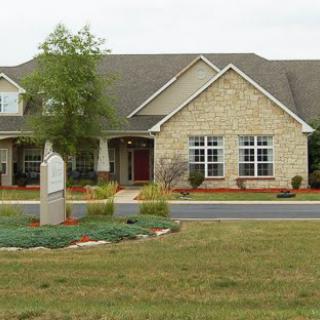
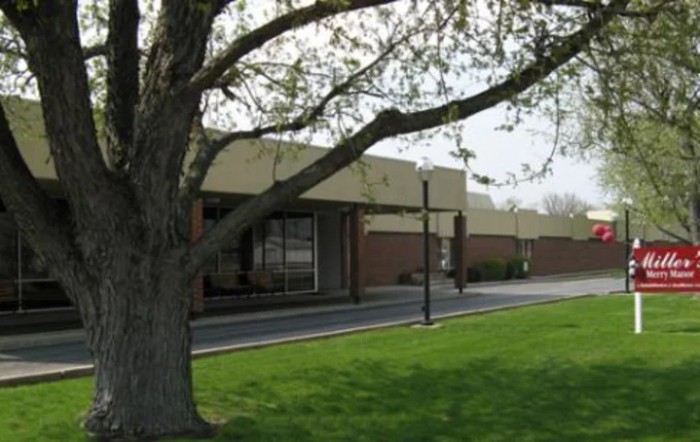
Miller's Merry Manor in Marion, IN is a premier skilled nursing facility dedicated to providing compassionate care and a vibrant lifestyle for its residents. This welcoming community offers a range of amenities designed to enhance comfort and well-being, including a beauty salon, fitness room, gaming room, and serene outdoor spaces. Residents can enjoy restaurant-style dining with options that accommodate special dietary restrictions, ensuring that everyone receives nutritious meals tailored to their needs.

With 24-hour supervision and dedicated staff ready to assist with activities of daily living—such as bathing, dressing, and medication management—Miller's Merry Manor prioritizes the health and safety of its residents. A comprehensive wellness center promotes physical activity through fitness programs, while planned day trips and resident-run activities provide engaging opportunities for social interaction.

Conveniently located near shopping centers, parks, pharmacies, physicians' offices, restaurants, places of worship, theaters, and hospitals, the community offers easy access to essential services and recreational options. The facility also boasts additional conveniences such as housekeeping services, transportation arrangements, Wi-Fi/high-speed internet access, and a cozy library for moments of relaxation.

At Miller's Merry Manor in Marion, residents not only receive personalized care but also enjoy an enriching environment that fosters independence while encouraging social engagement—a truly merry place to call home.

Nearby Places of Interest

Restaurants

  • Plymouth Club (0.4 miles)
  • Pizza Hut (0.6 miles)
  • Wing Street (0.6 miles)
  • Rally's (0.6 miles)
  • Yamato Steakhouse (0.6 miles)
  • King Gyros (0.6 miles)
  • Arby's (0.6 miles)

Theaters

  • AMC Showplace Marion 12 (0.4 miles)
  • IWU Globe Theatre (3.4 miles)

Parks

  • Westlea Park (0.5 miles)
  • Webster Park (1.2 miles)
  • Matter Park (1.8 miles)

Physicians

  • Progressive Cancer Care (0.5 miles)
  • Pmi (0.6 miles)
  • Cardiovascular Consultants (0.8 miles)
  • Womens Health Care (0.8 miles)
  • William David Moore (0.8 miles)
  • Marion Surgeons (1.1 miles)
  • Marion General Hospital Marion Family Practice (1.2 miles)

Hospitals

  • Marion Health Work Solutions (0.7 miles)

Places of Worship

  • The River (0.9 miles)
  • Central Christian Church (0.9 miles)
  • Roman Catholic Diocese (1 miles)
  • Habitat For Missionaries (1.1 miles)
  • First Church Of The Nazarene (1.2 miles)
  • First Baptist Church (1.3 miles)
  • Sunnycrest Baptist Church (1.4 miles)

Pharmacies

  • Walgreens (1 miles)
  • Medicap Pharmacy (1 miles)
  • Qol Meds (1 miles)
  • Walgreens (1.2 miles)
  • CVS Systems (1.2 miles)
  • CVS Pharmacy (1.3 miles)
  • Qol Meds (1.5 miles)

Cafes

  • Sender Cafe (1.4 miles)
  • Train Station Cafe (1.7 miles)
  • Starbucks (2.4 miles)

Transportation

  • Aww Auto Rental (2 miles)

Frequently Asked Questions

Where is Miller's Merry Manor - Marion?
What photos are available for Miller's Merry Manor - Marion in Marion, Indiana?

Nearby Communities

Assisted Living in Nearby Cities

Related Resources

  • is assisted living tax deductibleIs Assisted Living Deductible on Your Taxes? Understanding the Complexities of Assisted Living Expenses and Deductions

    The deductibility of assisted living expenses on taxes hinges on factors like the individual's medical condition and service nature, typically requiring the resident to be "chronically ill" per IRS definitions. Taxpayers may deduct eligible medical expenses related to personal care services but generally not rent unless primarily for medical care, and they should maintain thorough documentation to support claims while considering itemizing versus standard deductions.

  • va benefits for assisted livingAssisted Living Support for Veterans: A Complete and Detailed Overview

    The guide highlights the importance of assisted living facilities for aging veterans needing daily support, discusses unique challenges they face, and outlines available financial assistance from the VA, including the Aid and Attendance program. It emphasizes understanding eligibility criteria and navigating the VA system to access necessary benefits effectively.

  • assisted living vs skilled nursingExploring the Contrasts Between Assisted Living and Skilled Nursing
    The article compares assisted living and skilled nursing facilities, detailing their differing levels of assistance, medical support, cost structures, and day-to-day experiences. It emphasizes that assisted living is for those needing help with daily activities while maintaining independence, whereas skilled nursing facilities provide intensive medical care with 24-hour staff supervision.