
3633 Regal Valley Drive, Lafayette, IN 47901
For more information about senior living options: (866) 208-4318
Overall Review of Lafayette Bickford Cottage
Pros
 Bickford is an outstanding facility.
- The care provided at Bickford is highly regarded by families.
- The staff at Bickford eases the transition for families when moving a loved one.
- Lori and Mashell foster a strong sense of family among residents.
- Bickford's pet-friendly policy helps residents feel at home.
- Bickford Memory Care of Lafayette, Indiana comes highly recommended.
Review
Lafayette Bickford Cottage in Lafayette, Indiana is best suited for families seeking a warm, home-like memory-care environment where a loved one will be treated with personal, relationship-driven attention and where pets are welcomed as part of daily life. This community excels when the goal is to minimize the sense of loss that accompanies a transition into care by placing emphasis on belonging, steady routines, and social connectedness within a small, intimate setting. For seniors who thrive on familiar faces, predictable days, and a caregiver team that acts like an extended family, this cottage offers a compelling match.
Those who may want to consider alternatives are residents whose needs demand more intensive clinical oversight, a larger campus with a broader array of medical services, or a strictly non-pet environment. Families weighing options should screen for facilities that offer higher on-site medical staffing, more expansive recreational programming, or different environmental controls (such as a non-pet policy) that align with the resident’s specific health and lifestyle requirements. In short, if the priority is a highly medicalized, hospital-like setting or a more independent living atmosphere, other options may better fit.
The standout pros here center on relational, emotionally supportive care. Staff such as Lori and Mashell are repeatedly described as building a genuine “family” atmosphere among residents, which translates into daily care that feels personalized rather than transactional. The home-like tone reduces the harsh edges of moving into memory care, helping residents settle more quickly and respond better to ongoing cues and routines. The facility’s willingness to accept pets is a meaningful differentiator, delivering companionship that lessens isolation and provides comfort to both residents and their families. Add to that a focused memory-care program, and the combination becomes a powerful counterbalance to the loneliness and disorientation that memory impairment can bring.
Where the single positive review leaves room for caution, it is in the absence of clearly articulated drawbacks. No major cons are highlighted, which signals a strong alignment between the facility’s offerings and the reviewer’s expectations. For decisive planning, however, it remains prudent to verify practical details that often determine satisfaction in daily life: exact staffing ratios on each shift, the process for updating care plans, the availability of medical oversight when needed, meal quality and flexibility, activity calendars, and the terms of the pet policy. Prospective families should also confirm pricing structures, as well as what level of memory-care support is included in monthly fees versus add-ons.
The positive elements compellingly offset typical concerns in memory care by delivering an environment that feels like home rather than a clinical setting. The relational care model directly counters emotions of abandonment and impersonality. Pet-friendly policies address companionship needs that often become acute for both residents and families during withdrawal from familiar routines. The memory-specific programming ensures that routines are not merely custodial but purposeful, with meaningful engagement that can reduce agitation and confusion. When these strengths align with a loved one’s preferences for small, connected communities, the overall value becomes clear.
For families evaluating care, the practical takeaway is straightforward: prioritize a visit that centers on the human touch. Meet the caregivers who would be most responsible for day-to-day interactions, observe how residents interact with one another, and assess the tone of the environment. Ask pointed questions about staffing stability, care-plan transparency, and how the facility translates memory-care principles into concrete daily activities. If warmth, continuity of relationships, and a pet-friendly, home-like setting are non-negotiables, Lafayette Bickford Cottage stands out as the most prudent choice among Lafayette options.
 33 resident community capacity
 Assisted Living
 Beauty salon
 Cable or satellite TV
 Dining room
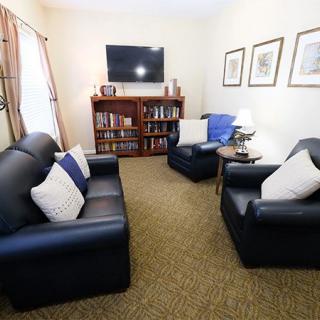
 Fully furnished
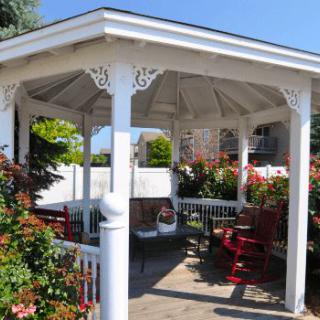
 Garden
 Housekeeping services
 Kitchenette
 Move-in coordination
 Outdoor space
 Restaurant-style dining
 Small library
 Telephone
 Wi-Fi/high-speed internet available
 24-hour call system
 Activities of daily living assistance
 Assistance with bathing
 Assistance with dressing
 Assistance with transfers
 Diabetes diet
 Medication management
 Mental wellness program
 Special dietary restrictions




 Beyond the Bingo Hall: 50+ Enriching Activities for Seniors in Assisted Living
 Understanding the Distinctions: Assisted Living and Memory Care Explained
 Guiding Elderly Parents Who Refuse Assisted Living: 6 Practical Steps