
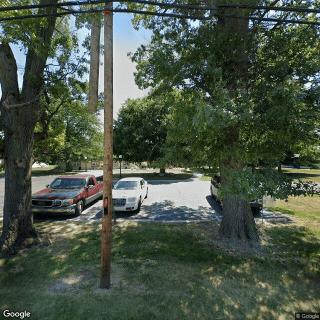
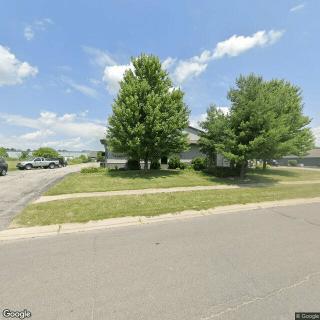
1005 South Edgewood Drive, Knox, IN 46534
For more information about senior living options: (866) 208-4318
Overall Review of Wintersong Village
Pros
 The mother received tremendous care at Wintersong Village, and the staff were very kind and helpful.
- The physical therapy for the mother was exceptional.
- The people they worked with were wonderful.
- The facility had a great physical therapy staff and high therapy outcomes.
- The rehab center was great, the facility was clean, and the staff were friendly.
Cons
 Her sugars remained dangerously high (280–400) during the stay due to the diabetes management.
- Sweets were sent on her tray and residents were fed pasta and potatoes, which elevated blood sugar.
- There was a used bedpan in her roommate's bathroom sink, and she was given water from that faucet despite this.
- A nurse took the TV remote away from her and gave it to her roommate.
- She was treated as if she were senile.
- She was told she did not take medications she knew she did take.
- After major surgery, staff still tried to give her Norco despite an allergy, and she only received Tylenol.
- She was in a lot of pain and miserable.
Review
Wintersong Village in Knox, Indiana is best suited for seniors who need short- to mid-term rehabilitation with a strong emphasis on physical therapy and personal, hands-on attention from a small care team. The community excels for hospital-to-home transitions, where residents can access attentive staff and a PT program that delivers tangible gains. Families prioritizing direct interaction with caregivers and therapists, and valuing a setting where staff feel familiar and approachable, will find Wintersong Village especially compelling. Those with complex, ongoing medical needs, strict dietary restrictions, or a preference for a larger campus with deeper clinical resources should consider alternatives.
The clearest strengths lie in rehabilitation quality and the intimate atmosphere. Physical therapy is repeatedly highlighted as exceptional, with residents and families noting that therapy teams are responsive, knowledgeable, and effective at helping individuals regain independence. The staff are described as kind, patient, and consistently engaged, contributing to an environment that feels safe and supportive. Cleanliness and a well-maintained facility reinforce the sense that Wintersong Village is a reassuring place to recover, where residents can form meaningful relationships with the caregivers who supervise their daily routines.
Yet a single, troubling account tempers those positives with caution. One review traces serious safety and medical-management gaps that can overwhelm the gains from excellent rehabilitation. Allegations include inappropriate food choices for a diabetic resident, contributing to dangerously high blood sugars, alongside claims of poor sanitation practices, such as a used bedpan being left in a bathroom sink and others witnessing lapses in basic hygiene. Additional concerns involve miscommunication about medications, denial of a resident’s reported pain history, and a remote control being taken from one patient and given to another. Taken together, these issues cast doubt on the facility’s ability to consistently protect residents who require tighter medical oversight.
The key pros, outstanding rehabilitation, a small, personable staff, and a clean, easily navigable environment, do offset some risk for families seeking a tightly focused post-acute program. For residents whose primary need is PT and transition back home, Wintersong Village can deliver remarkable outcomes, with staff who know residents by name and remain accessible. However, the offset is incomplete when framed against the documented or perceived gaps in medical management, safety practices, and individualized oversight. In short, the positives matter deeply for rehab speed and morale, but they do not fully counterbalance the potential for medication errors, dietary missteps, or basic cleanliness lapses for residents with higher medical risk.
Alternatives should be seriously considered for anyone whose care profile includes diabetes management, chronic pain requiring nuanced pharmacologic adjustment, or a need for robust, ongoing clinical oversight. Larger facilities with more extensive nursing coverage, stricter admission controls, and standardized dietary programs may offer safer continuity for residents with complex health needs or heightened sensitivity to safety risks. Families concerned about consistent medication administration, infection control, and nutrition that aligns with medical conditions will likely want to explore other options before committing.
Practical next steps are clear. Visit Wintersong Village and observe care routines during a regular day, not just a tour, note how staff respond to requests, how quickly aides are available, and whether nutrition is individualized or appears generic. Request to review daily menus and current diabetes-management practices, and ask to speak with the administrator about med-pass policies and QA processes. If possible, talk with current residents and families to gauge consistency of care and perceived safety. If the experience raises unresolved questions about medication control, diet compliance, or basic sanitation, seriously weigh alternatives that offer stronger medical oversight and more expansive clinical resources. For rehab-focused families, Wintersong Village remains a compelling option, provided the resident’s medical needs align with the facility’s demonstrated strengths and the concerns about medical management are acceptable risk factors.
 48 resident community capacity
 Assisted Living
 Skilled Nursing Facility
 Beauty salon
 Cable or satellite TV
 Dining room
 Fully furnished
 Garden
 Housekeeping services
 Kitchenette
 Move-in coordination
 Outdoor space
 Telephone
 Wi-Fi/high-speed internet available
 24-hour call system
 Activities of daily living assistance
 Assistance with bathing
 Assistance with dressing
 Assistance with transfers
 Diabetes diet
 Meal preparation and service
 Medication management
 Mental wellness program
 Special dietary restrictions
 Transportation arrangement (medical)
 Transportation to doctors appointments






 How and When Medicaid May Cover Assisted Living Costs
 A Detailed Exploration of Assisted Living Medicaid Waivers Across the United States
 Comprehensive Residential Support and Assisted Living Solutions for Individuals with Disabilities