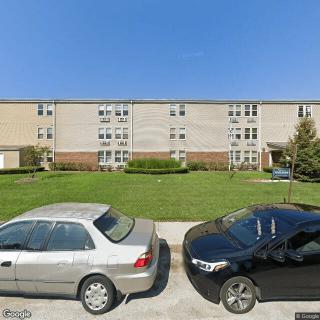
Rural Health Care Center in Indianapolis, IN

1747 North Rural Street, Indianapolis, IN 46218

For more information about senior living options: (844) 490-3973

1.5 from 11 reviews
5 stars
0
4 stars
1
3 stars
1
2 stars
1
1 stars
8

Assisted Living Skilled Nursing Facility

Overall Review of Rural Health Care Center

Cons

  • pro The reviewer couldn't book the weekend and was not allowed to stay the extra nights at a hotel they would pay for.
  • pro If possible, the reviewer would give the facility a negative score, citing too many legitimate complaints to list.
  • pro The reviewer describes the facility as a ghetto nursing home and like a metal hospital, with residents arguing with the nurses and with others.

Review

This community is best suited for an extremely specific, narrow slice of care needs: local residents who have no viable alternatives in the immediate area and who can tolerate a noticeably rough operating environment. For families, this is not a safety-net option but a last-resort choice where scheduling is unreliable and where consistent, respectful interaction with staff cannot be assumed. The reviews strongly imply that organizational responsiveness is poor and that the everyday experience for residents and visitors will feel more like a difficult, uncertain process than a steady, supportive care plan. This is not a place to rely on for predictable routines or dependable assistance.

Those who may want to consider alternatives are families seeking dependable, person-centered care with easy access to scheduling, transparent communication, and a calmer, cleaner atmosphere. If time, travel distance, or the ability to coordinate with staff is a factor, this facility will test those limits. Prospective residents who require regular coordination with family or outside providers will find the lack of flexibility and the terse, sometimes hostile atmosphere particularly challenging. In short, if reliability, warmth, and a respectful culture are non-negotiable, look elsewhere.

The core cons are cumulative and severe. Booking and scheduling emerge as a clear friction point: even modest requests, such as weekend access, are rejected or treated with indifference, undermining continuity of care and family peace of mind. The overall tone in multiple reviews is one of friction and rigidity, suggesting a disconnect between families' needs and administrative responsiveness. Environmentally, descriptions converge on a bleak impression - an atmosphere that feels more like a metal-walled facility than a supportive living space. This is reinforced by reports of staff conflicts and confrontations among residents and caregivers, which speak to a stressed, unsettled daily rhythm rather than a steady, nurturing routine.

In weighing potential positives against these pervasive negatives, there is little evidence of meaningful strengths to offset the downbeat realities. The available feedback does not substantiate reliable medical oversight, proactive care management, or a welcoming community culture. Without clear demonstrations of organization, warmth, or consistently respectful interactions, any faint advantages are simply overwhelmed by the persistent concerns about safety, dignity, and everyday service. The lack of documented, persuasive strengths means the cons are not merely inconveniences but fundamental deal-breakers for most families evaluating assisted living options.

For families facing a decision, the practical next steps are straightforward. Schedule in-depth tours and ask for real-time demonstrations of how weekend admissions are handled, how staff communicate with families, and how conflicts are resolved. Request current caregiver-to-resident ratios, and ask to speak with residents or families who recently transitioned in. Pull state inspection reports and recent complaint histories, focusing on safety, cleanliness, and staffing stability. Compare these findings against more stable facilities with robust communication practices, flexible scheduling, and a proven track record of compassionate care. Do not assume that low cost will compensate for a lack of reliability or respect.

The bottom-line takeaway is uncompromising: this Rural Health Care Center should not be the default choice for most families seeking assisted living in the Indianapolis area. The combination of poor scheduling responsiveness, a tense environment, and a pattern of negative resident and family experiences outweigh any hypothetical benefit. Only consider it as an absolutely last resort - if no viable alternatives exist and the need is constrained to local proximity - with a firm plan to verify every aspect of care, governance, and daily operations before committing. For reliable, respectful, and predictable care, other facilities are the prudent path.

Features

Housing

  • 50 resident community capacity 50 resident community capacity

Types of Care

  • Assisted Living Assisted LivingAssisted living facilities provide crucial support and care for seniors who may need help with daily tasks such as medication management, bathing, and meal preparation. These communities offer a safe and comfortable environment where seniors can maintain their independence while receiving the assistance they need to thrive in their golden years.
  • Skilled Nursing Facility Skilled Nursing FacilitySkilled Nursing Facilities are crucial for seniors as they provide round-the-clock medical care, rehabilitation services, and assistance with daily activities. These facilities ensure that seniors receive the specialized care they need to maintain their health and well-being as they age.

Amenities

  • Beauty salon Beauty salonBeauty salons are important for seniors because they provide a space for them to feel pampered, socialize, and maintain their personal grooming and hygiene. Regular visits to a beauty salon can help boost seniors' self-esteem and overall well-being.
  • Cable or satellite TV Cable or satellite TVCable or satellite TV is important for seniors because it provides entertainment, news, and companionship, helping to combat loneliness and boredom. It also offers a wide range of programming options tailored to different interests and preferences.
  • Dining room Dining roomDining rooms are important for seniors as they provide a space for socialization, connection, and nutritious meals. They offer opportunities for residents to bond over shared meals, foster a sense of community, and promote healthy eating habits. Dining rooms also ensure that seniors have access to well-balanced meals tailored to their dietary needs and preferences.
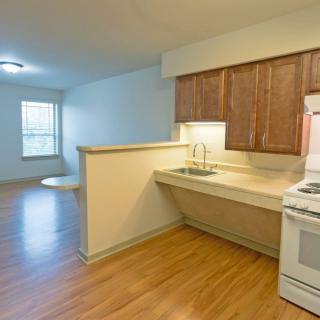
  • Fully furnished Fully furnishedFully furnished senior living communities are important for seniors because they provide convenience, comfort, and a hassle-free moving experience. Seniors can easily settle into their new living space without the stress of having to buy and move furniture. This allows them to focus on enjoying their new home and community.
  • Garden GardenGardens are important for seniors as they provide a peaceful and therapeutic environment for relaxation, physical activity, and socialization. Being in nature has been shown to reduce stress, improve mood, and promote overall well-being. Gardens also offer opportunities for seniors to engage in gardening activities, which can improve mobility, flexibility, and cognitive function. Additionally, gardens create a sense of community and connection with others who share a passion for plants and outdoor spaces.
  • Housekeeping services Housekeeping servicesHousekeeping services are important for seniors because they help maintain a clean and safe living environment, promote independence, and reduce the risk of accidents or illnesses. Additionally, having assistance with household chores can alleviate physical strain and allow seniors to focus on other aspects of their well-being.
  • Kitchenette KitchenetteKitchenettes are important for seniors living in senior living communities because they provide the convenience and independence of being able to prepare simple meals and snacks in the comfort of their own living space. This can help promote a sense of autonomy and well-being for seniors, allowing them to maintain some level of control over their dietary choices and daily routines.
  • Move-in coordination Move-in coordinationMove-in coordination is important for seniors because it helps ease the transition into their new living environment. It ensures that all logistics, such as packing, organizing movers, and setting up utilities are taken care of, allowing seniors to focus on settling in and adjusting to their new home. Having a smooth move-in process can alleviate stress and anxiety, making the transition smoother and more enjoyable for seniors.
  • Outdoor space Outdoor spaceOutdoor spaces are important for seniors as they provide opportunities for physical activity, social interaction, exposure to natural light and fresh air, and a sense of connection to nature. Having access to outdoor spaces can improve overall well-being and quality of life for older adults living in senior communities.
  • Telephone TelephoneTelephones are important for seniors as they provide a lifeline for communication with loved ones, emergency services, and healthcare providers. They offer a sense of security and independence, enabling seniors to stay connected and access assistance when needed.
  • Wi-Fi/high-speed internet available Wi-Fi/high-speed internet availableWi-Fi/high-speed internet is important for seniors to stay connected with loved ones, access online resources, and participate in virtual activities to combat feelings of loneliness and isolation. It also allows them to easily manage healthcare needs, access entertainment, and engage in lifelong learning opportunities.

Transportation

  • Indianapolis International (11 miles away) Indianapolis International (11 miles away)

Care Services

  • 24-hour call system 24-hour call system24-hour call systems are important for seniors because they provide peace of mind and immediate assistance in case of emergencies. This technology ensures that help is always available, promoting safety and security for elderly individuals living alone or in assisted living facilities.
  • 24-hour supervision 24-hour supervision24-hour supervision is important for seniors to ensure their safety, well-being, and access to immediate assistance in case of emergencies or health issues. This constant support provides peace of mind for both seniors and their loved ones, allowing them to age in place with dignity and security.
  • Activities of daily living assistance Activities of daily living assistanceActivities of daily living assistance are important for seniors because they provide essential support with tasks such as eating, bathing, dressing, and mobility. This assistance helps seniors maintain their independence, dignity, and overall quality of life as they age.
  • Assistance with bathing Assistance with bathingAssistance with bathing is crucial for seniors as it helps maintain personal hygiene, prevents infections, and ensures their overall well-being and comfort. It also provides a sense of dignity and independence for seniors who may struggle with this task on their own.
  • Assistance with dressing Assistance with dressingAssistance with dressing is important for seniors because it helps maintain their independence, promotes personal hygiene, prevents accidents and injuries, and improves overall quality of life. This service ensures that seniors can continue to dress comfortably and confidently, despite any physical limitations they may have.
  • Assistance with transfers Assistance with transfersAssistance with transfers is crucial for seniors as it helps prevent falls and injuries, maintains their independence, and ensures they can safely navigate their living environment. It also provides peace of mind for both seniors and their loved ones.
  • Coordination with health care providers Coordination with health care providersCoordination with health care providers is crucial for seniors to ensure proper medical care, medication management, and overall well-being. This collaboration helps prevent overlapping treatments, track progress more effectively, and provide comprehensive support tailored to individual needs.
  • Diabetes diet Diabetes dietA diabetes diet is crucial for seniors as it helps manage blood sugar levels, reduce risks of complications, and improve overall health and well-being. By following a balanced and nutritious diet tailored to their specific needs, seniors can better control their diabetes and enhance their quality of life.
  • Meal preparation and service Meal preparation and serviceMeal preparation and service are crucial for seniors as they may have limited mobility or energy to cook nutritious meals. Having access to healthy and convenient food options can ensure they are getting the proper nutrition needed to maintain their overall health and well-being.
  • Medication management Medication managementMedication management is crucial for seniors to ensure they are taking the right medications at the correct dosages and times. This helps prevent adverse drug interactions, reduces the risk of medication errors, and promotes overall health and well-being. Proactive management also allows for adjustments as needed based on changing health conditions or new prescriptions.
  • Mental wellness program Mental wellness programMental wellness programs are essential for seniors as they promote cognitive stimulation, emotional support, and social engagement. These programs help prevent isolation, depression, and cognitive decline, ultimately enhancing the overall quality of life for older adults.
  • Special dietary restrictions Special dietary restrictionsSpecial dietary restrictions are important for seniors because age-related changes in metabolism and health conditions can make it difficult for their bodies to process certain foods. By following a diet tailored to their specific needs, seniors can maintain their overall health and well-being, manage chronic conditions, and reduce the risk of complications such as malnutrition or food interactions with medications.
  • Transportation arrangement (medical) Transportation arrangement (medical)Transportation arrangements for medical purposes are essential for seniors as they may have difficulty driving themselves to appointments or accessing public transportation. Having reliable and safe transportation options ensures that seniors can receive timely medical care and maintain their health and well-being.
  • Transportation to doctors appointments Transportation to doctors appointmentsTransportation to doctors' appointments is crucial for seniors as it ensures they have access to necessary medical care and support for their health needs. Without reliable transportation, seniors may struggle to attend important appointments, leading to potential delays in treatment and health complications. Providing transportation services helps seniors maintain their overall well-being and quality of life.
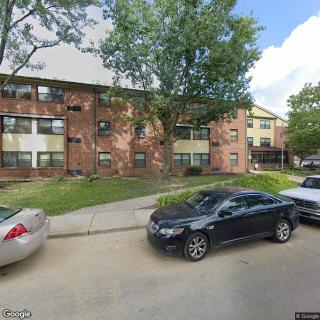
Dining

  • Diabetes diet Diabetes dietA diabetes diet is crucial for seniors as it helps manage blood sugar levels, reduce risks of complications, and improve overall health and well-being. By following a balanced and nutritious diet tailored to their specific needs, seniors can better control their diabetes and enhance their quality of life.
  • Special dietary restrictions Special dietary restrictionsSpecial dietary restrictions are important for seniors because age-related changes in metabolism and health conditions can make it difficult for their bodies to process certain foods. By following a diet tailored to their specific needs, seniors can maintain their overall health and well-being, manage chronic conditions, and reduce the risk of complications such as malnutrition or food interactions with medications.

Activities

  • Community-sponsored activities Community-sponsored activitiesCommunity-sponsored activities are important for seniors as they provide opportunities for social interaction, mental stimulation, and physical activity. These activities can help improve overall well-being, combat loneliness and isolation, and promote a sense of belonging and purpose among older adults.
  • Scheduled daily activities Scheduled daily activitiesScheduled daily activities are important for seniors because they provide structure, socialization, mental stimulation, and physical activity. Engaging in regular activities can improve overall well-being and quality of life for seniors living in a community setting.

Description

The Rural Health Care Center in Indianapolis, IN is a trusted assisted living community that specializes in skilled nursing care. Our facility offers a range of amenities to ensure the comfort and convenience of our residents. Each room is fully furnished and comes with cable or satellite TV, Wi-Fi/high-speed internet, and a telephone for easy communication. Our dining room provides delicious meals prepared by our experienced staff, catering to special dietary restrictions.

At Rural Health Care Center, we prioritize the well-being of our residents by offering comprehensive care services. Our dedicated team provides 24-hour supervision and assistance with activities of daily living such as bathing, dressing, and transfers. We also coordinate with healthcare providers to ensure seamless medical support for our residents. Our staff is trained in medication management, ensuring that medications are administered accurately and on time.

We believe in promoting mental wellness and offer a specialized program to support the emotional health of our residents. Additionally, we provide diabetes diets for those with specific dietary needs. Transportation arrangements can be made for medical appointments as well.

Our community fosters an active lifestyle by organizing scheduled daily activities for our residents to participate in. Located nearby are two cafes where residents can enjoy a cup of coffee or meet friends for a casual gathering. There are also three parks where residents can take leisurely strolls or enjoy outdoor activities. For convenient access to medications, there are ten pharmacies in close proximity to our facility. Three physicians' offices ensure quick medical attention when needed.

For entertainment options outside of the community, there are 24 restaurants offering various cuisines nearby that residents can explore at their leisure. There are also three places of worship where spiritual needs can be fulfilled and one theater for those who enjoy cultural events or movies.

Additionally, being located near six hospitals provides peace of mind knowing that medical emergencies can be promptly addressed.

At the Rural Health Care Center in Indianapolis, IN, we strive to create a warm and inviting environment where our residents can feel at home while receiving excellent care and enjoying a fulfilling lifestyle.

Nearby Places of Interest

Theaters

  • Living Room Theaters (1.7 miles)
  • AMC Washington Square 12 (7.1 miles)

Restaurants

  • Livery (1.8 miles)
  • Saint Joseph Public Ho (1.9 miles)
  • Ralston's Drafthouse (2 miles)
  • Union 50 (2 miles)
  • Nine Irish Brothers (2.1 miles)
  • Fat Dan's Deli (2.1 miles)
  • Sun King Brewing (2.1 miles)

Pharmacies

  • CVS Pharmacy (2.2 miles)
  • Walgreens (2.2 miles)
  • Walgreens (2.5 miles)
  • CVS Pharmacy (2.9 miles)
  • Dista Products Company (3.1 miles)
  • CVS Pharmacy (3.5 miles)
  • Walgreens (3.9 miles)

Places of Worship

  • Tabernacle Presbyterian Church (2.6 miles)
  • Al-Fajr Masjid (4.8 miles)
  • First Friends Church (5 miles)
  • Speedway Christian Church (7 miles)
  • St Luke Catholic Church (7.4 miles)

Parks

  • Watkins Park (2.9 miles)
  • Military Park (3.1 miles)
  • White River State Park (3.4 miles)
  • Holliday Park (6 miles)

Cafes

  • Starbucks (3 miles)
  • Starbucks (3.8 miles)
  • Panera Bread (5.2 miles)
  • Starbucks (6.5 miles)
  • Panera Bread (7.3 miles)

Physicians

  • Blackburn Community Health Center (3.1 miles)
  • Riley Pediatric Neurology - IU Health Simon Cancer Center (3.5 miles)
  • Community Health Pavilion (3.7 miles)
  • Oak Street Health (6.3 miles)
  • Shalom Health Care Center (6.3 miles)

Hospitals

  • Eskenazi Hospital (3.1 miles)
  • Indiana University Hospital (3.4 miles)
  • Simon Family Tower (3.6 miles)
  • Newborn Follow-Up Program, Riley Hospital for Children at IU Health (3.6 miles)
  • Sidney & Lois Eskenazi Hospital (3.7 miles)
  • Richard L. Roudebush Va Medical Center (3.9 miles)
  • Advanced Wound Center at Community Westview Hospital (5.9 miles)

Transportation

  • U-Haul Moving & Storage at Michigan Rd (6.6 miles)

Frequently Asked Questions

Where is Rural Health Care Center?

Nearby Communities

  • New Life Manor

    New Life Manor

    Indianapolis, IN


    pro Convenient in-city location with abundant nearby amenities and healthcare options.
  • University Center

    University Center

    Indianapolis, IN


    pro Extensive nearby amenities and healthcare access.

  • Golden Years Personal Care Services

    Golden Years Personal Care Services

    Indianapolis, IN


    pro Extensive nearby amenities and healthcare access.

  • B & B Christian Healthcare Center

    B & B Christian Healthcare Center

    Indianapolis, IN


    pro Fully furnished assisted living with comprehensive care and transportation.

  • Hewitt Home

    Hewitt Home

    Indianapolis, IN

     
    $1,500 to $2,000 / month

    pro Affordable long-term care with specialized diabetes and incontinence support.

  • Mid-Town Nursing & Rehab Ctr

    Mid-Town Nursing & Rehab Ctr

    Indianapolis, IN


    pro Excellent access to healthcare and amenities (parks, pharmacies, physicians, restaurants, places of worship, theater, and hospitals).

  • Oasis at 30th

    Oasis at 30th

    Indianapolis, IN

    4 from 127 reviews
    $4,325 / month

    pro Caring staff, engaging activities, and clean facilities.

  • Goodwin Plaza

    Goodwin Plaza

    Indianapolis, IN


    pro Excellent proximity to amenities and services (cafes, parks, dining, healthcare, places of worship, entertainment, and hospitals).

  • Spruce Manor Apartments

    Spruce Manor Apartments

    Indianapolis, IN


Related Resources

  • does medicaid pay for assisted livingUnderstanding Medicaid Coverage for Assisted Living: A Comprehensive Guide

    The guide outlines the complexities of Medicaid coverage for assisted living, highlighting significant state-to-state variations, limited coverage often restricted to personal care services, and the existence of specialized waivers for certain needs like memory care. It advises families to consult local Medicaid offices for options while emphasizing the importance of understanding state-specific regulations and facility policies.

  • does medicaid pay for assisted livingHow and When Medicaid May Cover Assisted Living Costs

    Medicaid coverage for assisted living varies by state and is primarily available to low-income individuals, with eligibility dependent on strict income and asset limits. Some states offer HCBS waivers for specific services in assisted living, but families must generally cover room and board costs, and should verify facility acceptance of Medicaid while considering potential waiting lists.

  • assisted living waiver programA Detailed Exploration of Assisted Living Medicaid Waivers Across the United States

    Medicaid waivers for assisted living services provide vital support for seniors and individuals with disabilities in need of long-term care, with varying state-specific eligibility criteria and benefits. These waivers cover personal care and case management but often do not fully cover room and board, leading to waiting lists for many applicants.