627 East North H Street, Gas City, IN 46933
For more information about senior living options: (866) 208-4318
Overall Review of Twin City Health Care
Pros
 The care was the best.
- The nursing support was awesome.
- The family member enjoyed the activities.
- The facility is top notch.
- The nurses are very attentive.
- The staff who cared for his father were kind and loving.
- Extra precautions were taken to prevent falls.
- The staff are very caring.
- The facility is always clean.
- The administrator goes above and beyond to find the correct care plan for each resident.
Cons
 The reviewer described the facility as a joke and said staff did not get back to arrange proper care for their grandmother.
- The reviewer claimed the staff could care less about the grandmother's dementia.
- The reviewer called the company sad.
- The reviewer stated the facility was not a very friendly place.
- The reviewer described the customer service as very rude.
Review
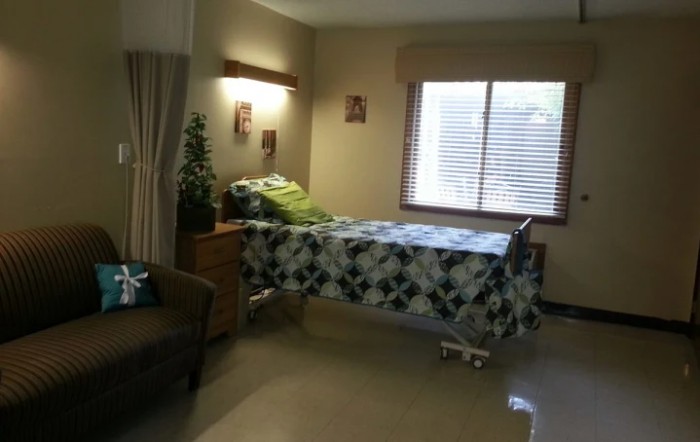
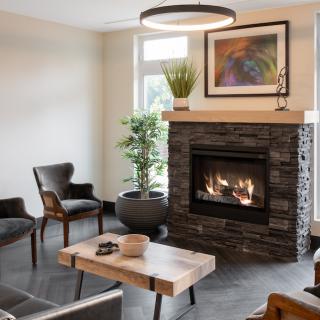
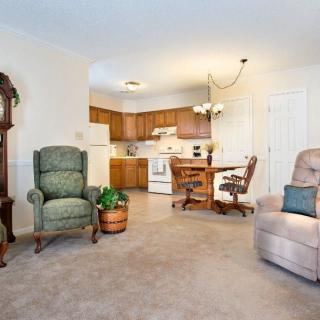
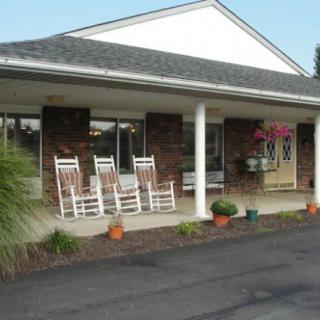
Twin City Health Care in Gas City, IN is best suited for seniors who want a hands-on, small-town care experience with attentive nursing, meaningful daily activities, and a clean, homelike environment. The community reads as a place where residents are cared for with warmth, not just housed, thanks to a staff culture that feels personal and responsive. Families repeatedly highlight strong nurse support, a varied activity calendar, and a newly remodeled facility that signals real investment in residents’ comfort. For someone who values dependable assistance, accessible care, and a tightly knit team, this is a compelling fit.
At the same time, clear caveats exist. Those evaluating Twin City should consider alternatives if dementia care needs are acute or if consistently proactive communication is non-negotiable. A few reviews flag struggles with responsiveness and customer service, and one account specifically questions how dementia care is addressed. If a resident requires robust, 24/7 cognitive support or if a family must rely on uniformly reliable, highly responsive communication, exploring other options, especially larger campuses with established memory-care programs, may be prudent. Prospective families should verify day-to-day call responsiveness and care-plan coordination before committing.
The practical upside is substantial. The pros, attentive nursing, minimal call-button wait times, strong fall-prevention practices, and a genuinely caring frontline staff, translate into a practical, comfort-forward experience for residents. Cleanliness is consistently noted, and the facility’s ongoing programming, along with monthly care-plan meetings, signals that needs are monitored and adjusted. The presence of a proactive administrator who “goes above and beyond” to tailor care adds a critical layer of trust; newly remodeled spaces also convey that the setting is not static but evolving to support residents’ comfort and dignity. For families choosing with daily quality-of-life in mind, these benefits carry real weight.
Yet the negatives deserve careful attention. A few reviews describe disappointing or inconsistent experiences, particularly around communication and responsiveness to urgent needs. One account describes a failure to return a call for dementia-related care, and another characterizes the environment as less friendly with rude customer service. These threads suggest that while the majority experience positive, individualized care, the facility can fall short in operational consistency or in meeting higher expectations for dementia-focused support. This risk does not negate the positives, but it does push families to validate how the staff handles individualized care plans and crisis responsiveness on the days that matter most.
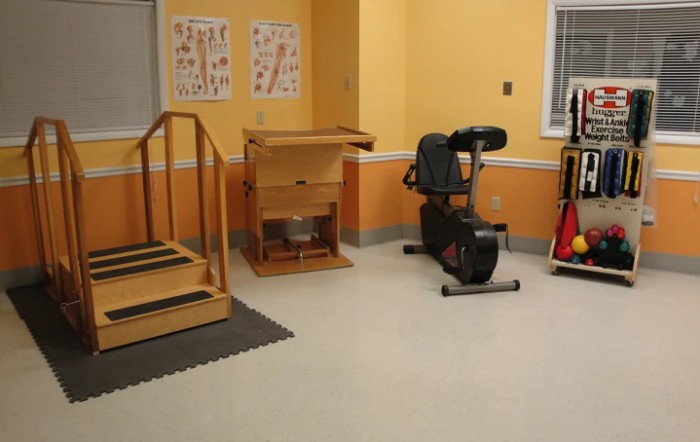
In practice, families should drive a thorough, action-oriented assessment before deciding. Schedule a tour that includes conversations with the administrator and nursing leadership, and request to review actual care plans, especially for residents with cognitive impairment. Clarify the availability and structure of therapy services, the cadence of care conferences, and the exact pathways for escalating concerns. If dementia care is essential, seek clear examples of how residents are engaged, monitored, and supported through daily routines and overnight hours. Ask for references from families with residents who have similar needs to gauge consistency.
Overall, Twin City Health Care offers a practical, well-rounded option for many seniors and their families. The combination of capable nursing, a clean and welcoming environment, robust activity programming, and a responsive administrator creates a strong value proposition in a small-town Gas City setting. The primary caution is the potential variability in responsiveness and dementia-care quality, so due diligence is essential. For those whose priorities emphasize personalized, hands-on care, social engagement, and a community feel, Twin City Health Care is worth serious consideration, provided plans are in place to address any dementia-specific needs or potential inconsistencies in service.
 75 resident community capacity
 Assisted Living
 Skilled Nursing Facility
 Air-conditioning
 Beauty salon
 Cable or satellite TV
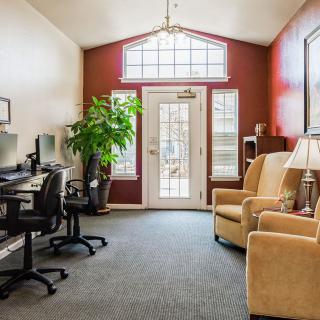
 Computer center
 Dining room
 Fitness room
 Fully furnished
 Gaming room
 Garden
 Housekeeping services
 Kitchenette
 Move-in coordination
 Outdoor space
 Private bathrooms
 Restaurant-style dining
 Small library
 Telephone
 Wellness center
 Wi-Fi/high-speed internet available
 Community operated transportation
 24-hour call system
 Activities of daily living assistance
 Assistance with bathing
 Assistance with dressing
 Assistance with transfers
 Diabetes diet
 Medication management
 Special dietary restrictions
 Concierge services
 Planned day trips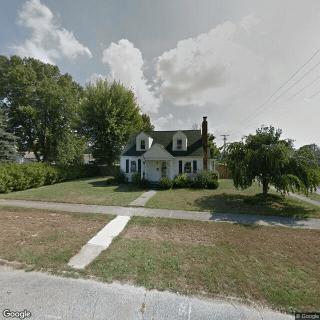



 Exploring the Path to Senior Living: A Comprehensive Look at Independent Living and Assisted Living
 Is Assisted Living Deductible on Your Taxes? Understanding the Complexities of Assisted Living Expenses and Deductions
 Assisted Living Support for Veterans: A Complete and Detailed Overview