1010 West Washington Center Road, Fort Wayne, IN 46825
For more information about senior living options: (866) 208-4318
3.2 from 60 reviews
5 stars
30
4 stars
4
3 stars
1
2 stars
0
1 stars
25
Overall Review of Kingston Care Center Of Fort Wayne
common5 reviews mention this
Dining is a mixed experience
Food quality gets described in both positive and negative ways.
Several residents describe dining as good, healthy, and fulfilling, and a few mention meals arriving hot and appetizing. Others report food that is cold or not nutritious, with one person giving examples of a meal being served cold repeatedly. The community is set up for restaurant-style dining, and residents also mention special dietary needs in their care.
differentiator7 reviews mention this
Rehab therapy draws repeat praise
Rehab therapy is repeatedly described as effective and supportive.
In rehabilitation reviews, residents and families highlight physical therapy and related services as helpful, with some describing meaningful progress. Multiple reviewers also mention therapists who were patient and encouraging, alongside nursing and medical staff that fit their expectations during therapy time. Even in otherwise critical reviews, the therapy experience is sometimes singled out as better than other parts of the stay.
caveat11 reviews mention this
Care responsiveness is a recurring worry
Residents and families describe missed needs and slow response.
A recurring concern in the low-rating reviews is a lack of responsiveness—call buttons not being answered promptly, staff not checking in for basic needs, and long waits for help. Some reviewers describe hygiene and comfort needs going unmet, including delays with pain medication and assistance with daily care. Several reviews also describe communication problems with families, including not getting updates or having concerns dismissed.
common10 reviews mention this
Staff kindness is often mentioned
Many reviewers describe caregivers as friendly and attentive.
Across higher ratings, residents and families frequently say staff are helpful, kind, and attentive, including caregivers who greet newcomers warmly. Some also mention specific teams—like rehab staff, therapists, and nursing staff—working with respect and keeping families involved in care decisions. A few reviews also describe staff as understanding during the stress of adjusting to a new environment.
common3 reviews mention this
Activities help people stay engaged
Activities show up as a source of engagement and comfort.
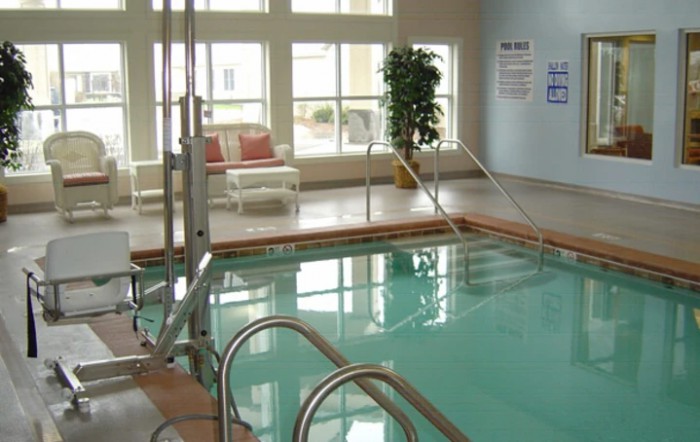
Some residents say there are lots of activities, including opportunities to make friends and stay involved during a longer stay. Other reviews mention specific activity experiences like aqua therapy and participating in activities alongside therapy. The community also provides scheduled daily activities and resident-run options described as part of the day-to-day routine.
How we summarize
Counts show how many written reviews mention each theme; a review can touch several themes, and only frequently mentioned themes are displayed.
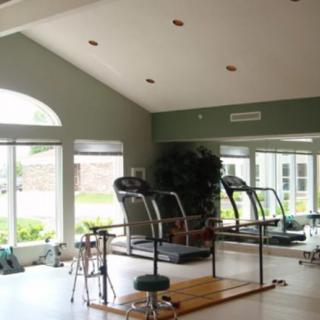
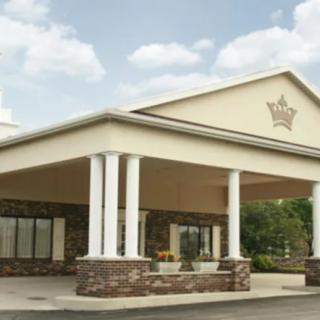
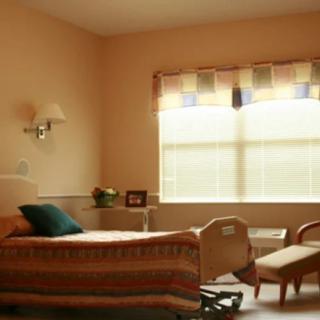
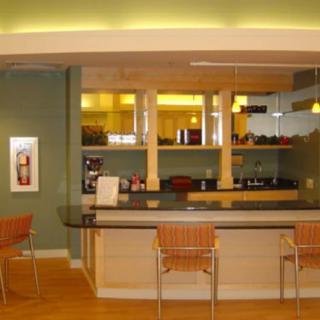
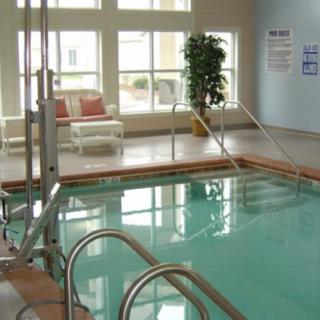
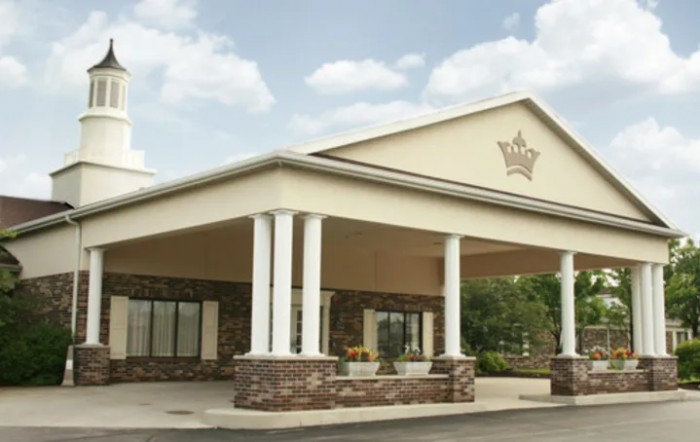
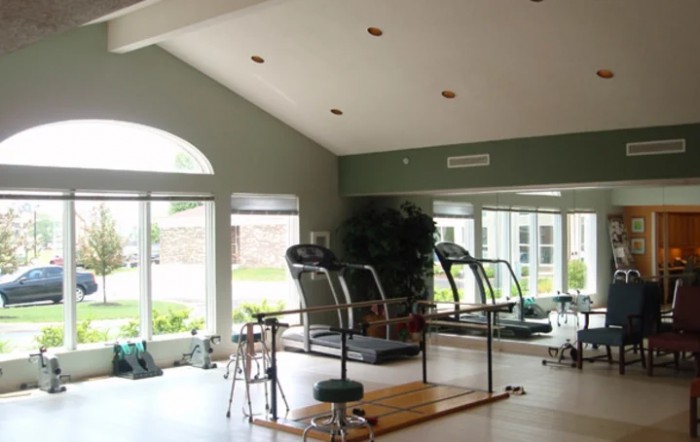
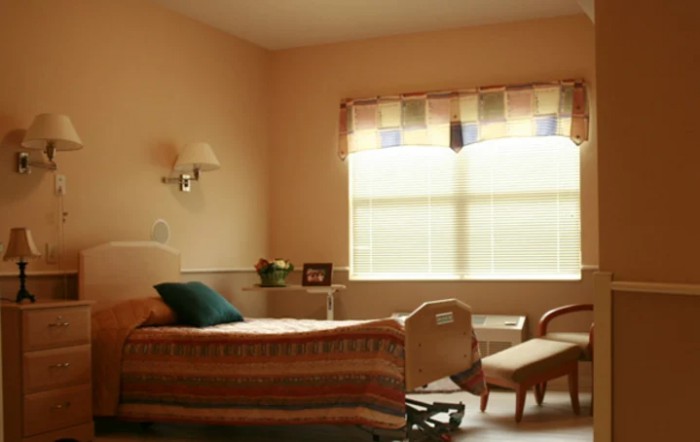
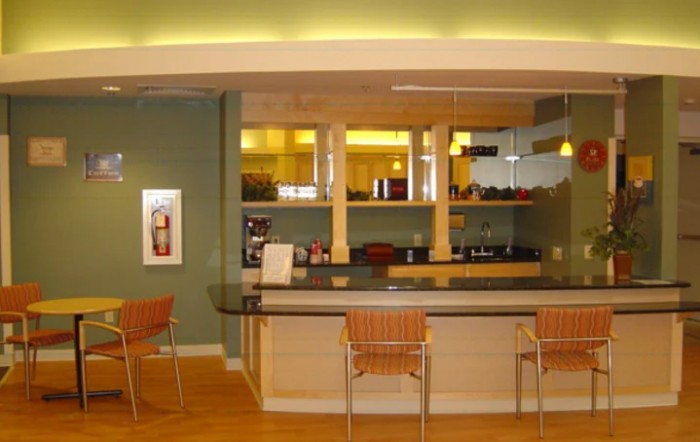
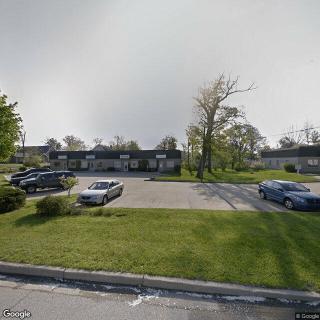
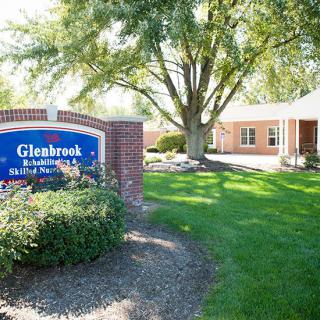
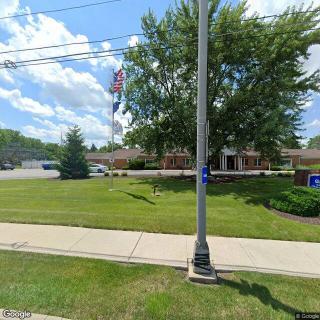
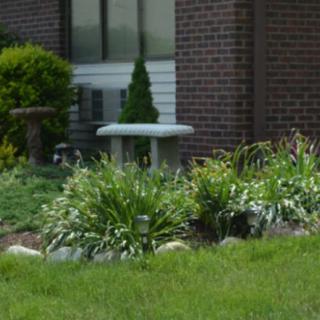
Kingston Care Center Of Fort Wayne on seniors.fyi includes 5 photos including images showing interior, windows, spacious, bedroom, kitchen, lighting, swimming pool, seating area, and more.
Nearby Communities
Heartland Home Health Care
Fort Wayne, IN
4.3 from 7 reviews
Compassionate, professional nurses delivering reliable home health care.
Emerald Pointe
Fort Wayne, IN
Excellent proximity to healthcare, dining, and social venues.
Aperion Care University Park
Fort Wayne, IN
3.4 from 73 reviews
Positive therapy staff and engaging activities.
Maxim Healthcare
Fort Wayne, IN
5 from 1 review
Compassionate care with easy access to parks, pharmacies, doctors, and dining.
Glenbrook Rehabilitation & Skilled Nursing Center
Fort Wayne, IN
3.8 from 91 reviews
24/7 supervision with medication management and on-site amenities (salon, dining, fitness, library)
Applewood Health and Rehab Ctr
Fort Wayne, IN
3.8 from 87 reviews
Excellent access to dining, parks, pharmacies, physicians, theaters, and hospitals nearby.
Arbor Glen
Fort Wayne, IN
4.4 from 73 reviews
$1,409 to $2,309 / month
Friendly staff and clean, well-maintained grounds.
Bethlehem Woods
Fort Wayne, IN
4.1 from 68 reviews
Friendly staff and a peaceful setting with a clean dining area.
Heritage Park
Fort Wayne, IN
3.7 from 64 reviews
Helpful tour staff; rehabilitation services provided.
Assisted living facilities provide support for older adults needing help with daily activities without extensive medical care, but their costs can be high and vary by location and services offered. Families often seek various funding options and financial strategies to manage these expenses effectively while considering future needs and potential price increases.
The article discusses assisted living expenses, the importance of long-term care insurance in covering these costs, and various financing options, highlighting the need for careful policy review and early planning to address potential needs. It also clarifies common misconceptions about Medicare and private health insurance limitations regarding long-term care coverage.
Assisted living facilities offer crucial support for older adults needing help with daily activities but come with varying and significant costs, which can be financed through personal savings, government assistance programs, long-term care insurance, and home equity options. Professional guidance from experts can aid families in navigating these financial complexities to establish a sustainable budgeting approach for assisted living services.
Get PricingAsk A QuestionSchedule A TourContact Senior Advisor
By clicking submit, you agree to our Partner's Terms of Use. You
also consent to receive calls and texts, which may be autodialed, from our Partner. Your consent is not a condition to
using our Partner's service. Please visit our Partner's Privacy Policy for information about their privacy practices.

 137 resident community capacity
 Assisted Living
 Skilled Nursing Facility
 Air-conditioning
 Beauty salon
 Cable or satellite TV
 Computer center
 Dining room
 Fitness room
 Fully furnished
 Gaming room
 Garden
 Housekeeping services
 Kitchenette
 Move-in coordination
 Outdoor space
 Private bathrooms
 Restaurant-style dining
 Small library
 Telephone
 Wellness center
 Wi-Fi/high-speed internet available
 Fort Wayne International (11 miles away)
 Community operated transportation
 24-hour call system
 Activities of daily living assistance
 Assistance with bathing
 Assistance with dressing
 Assistance with transfers
 Diabetes diet
 Medication management
 Special dietary restrictions
 Concierge services
 Planned day trips
 Compassionate, professional nurses delivering reliable home health care.


 Funding and Affording Assisted Living: A Thorough Overview
 Assisted Living Expenses and Long-Term Care Insurance: A Comprehensive Exploration
 Securing Financial Support for Assisted Living: A Comprehensive Overview