

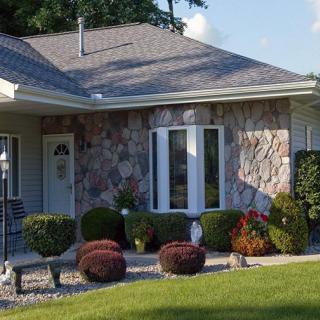
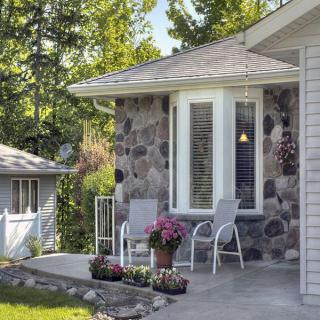
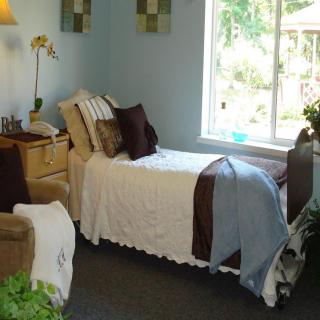

28070 C.R. 24 West, Elkhart, IN 46517
For more information about senior living options: (866) 208-4318
Overall Review of Hubbard Hill
Pros
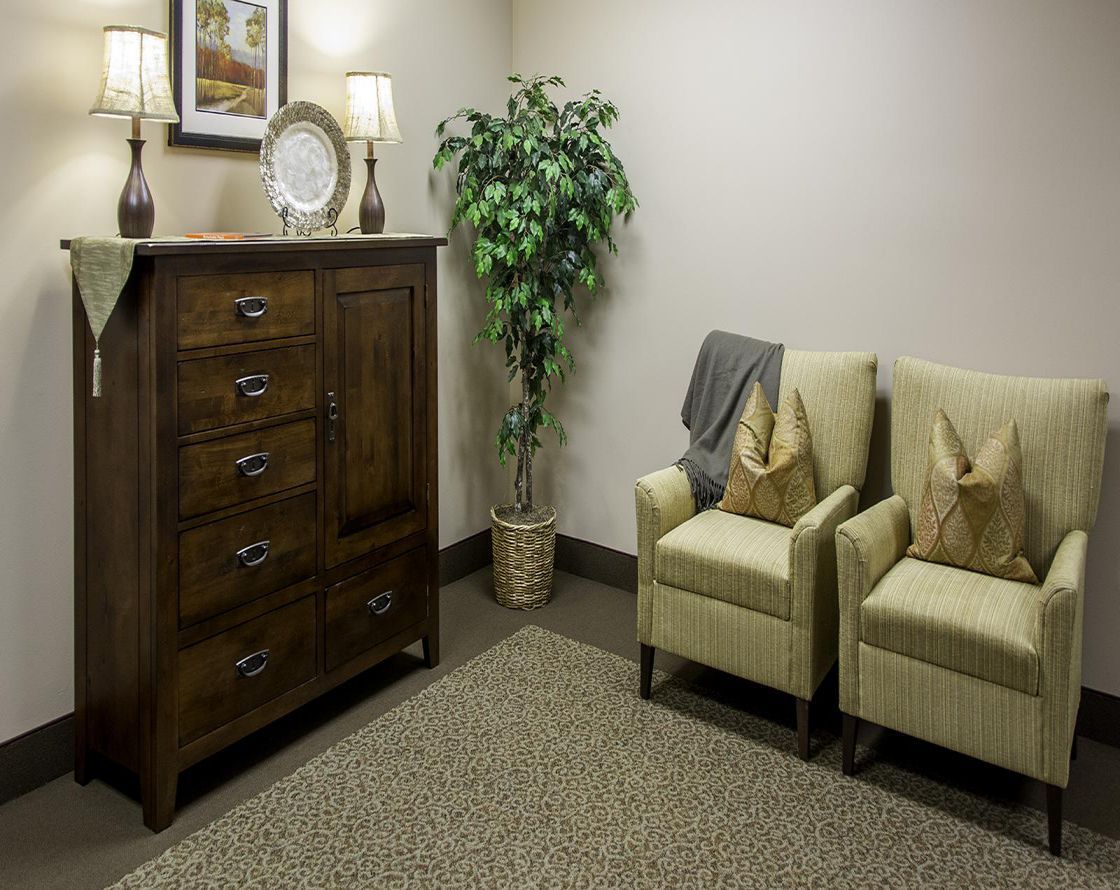
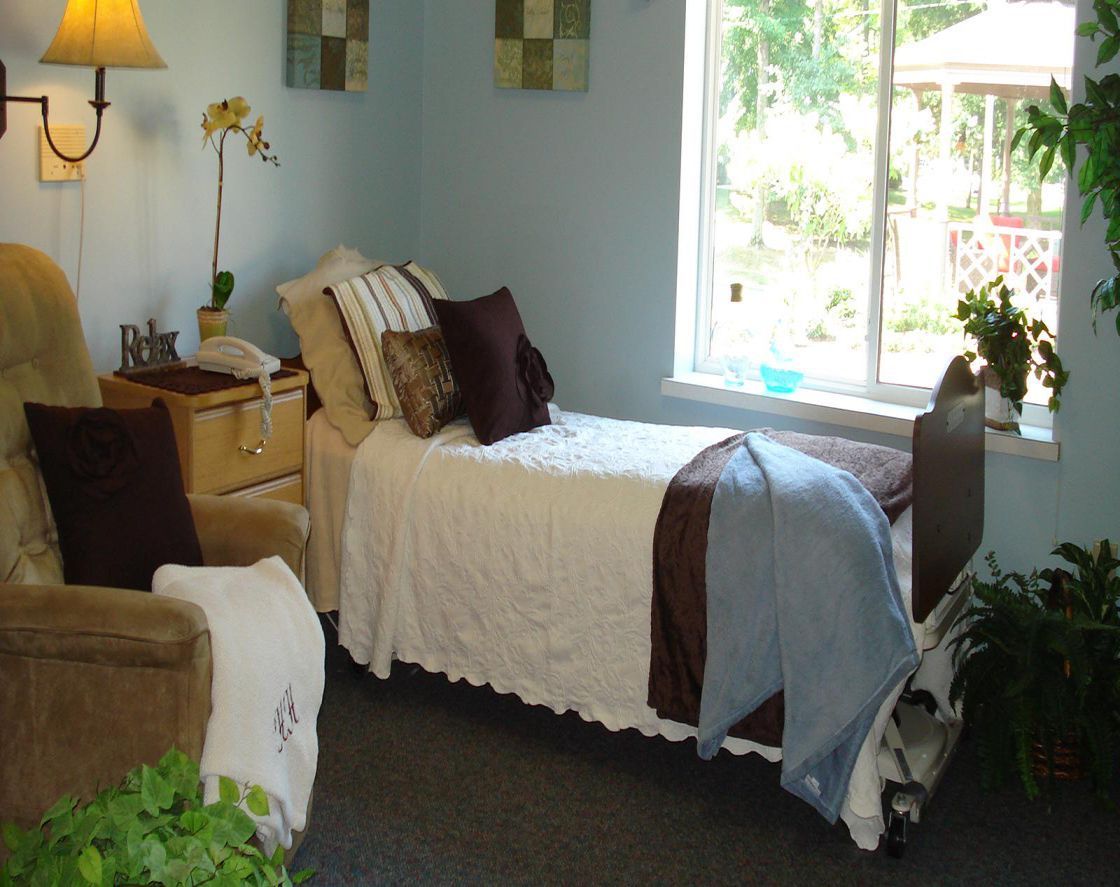
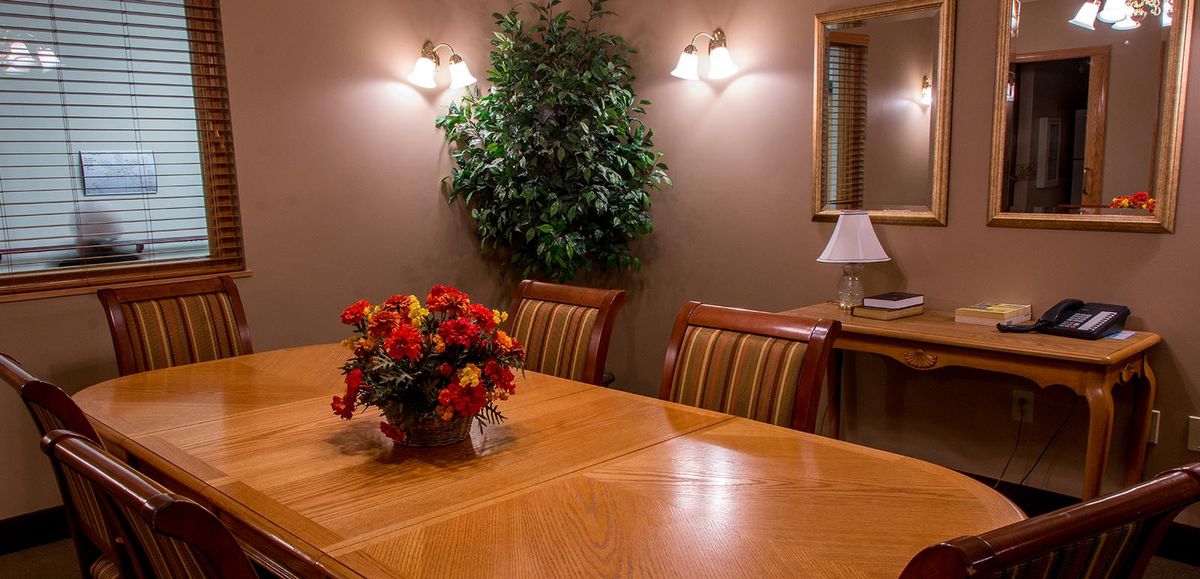
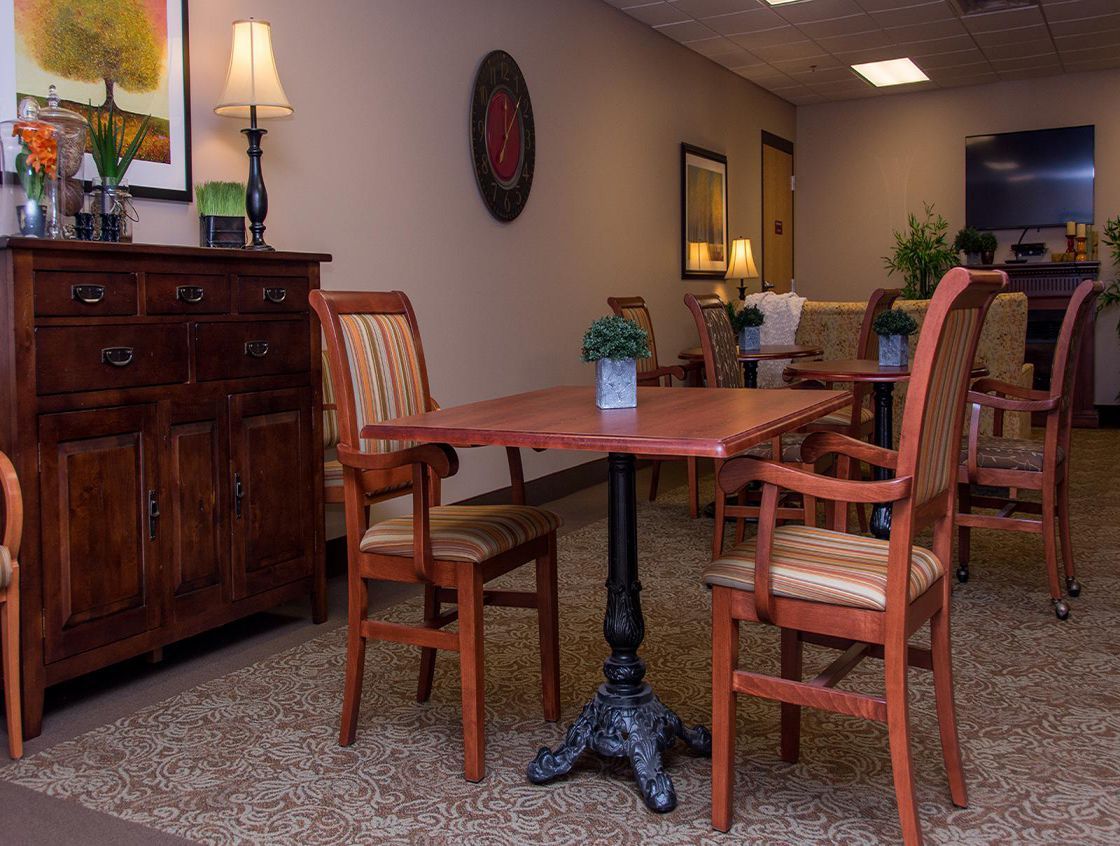
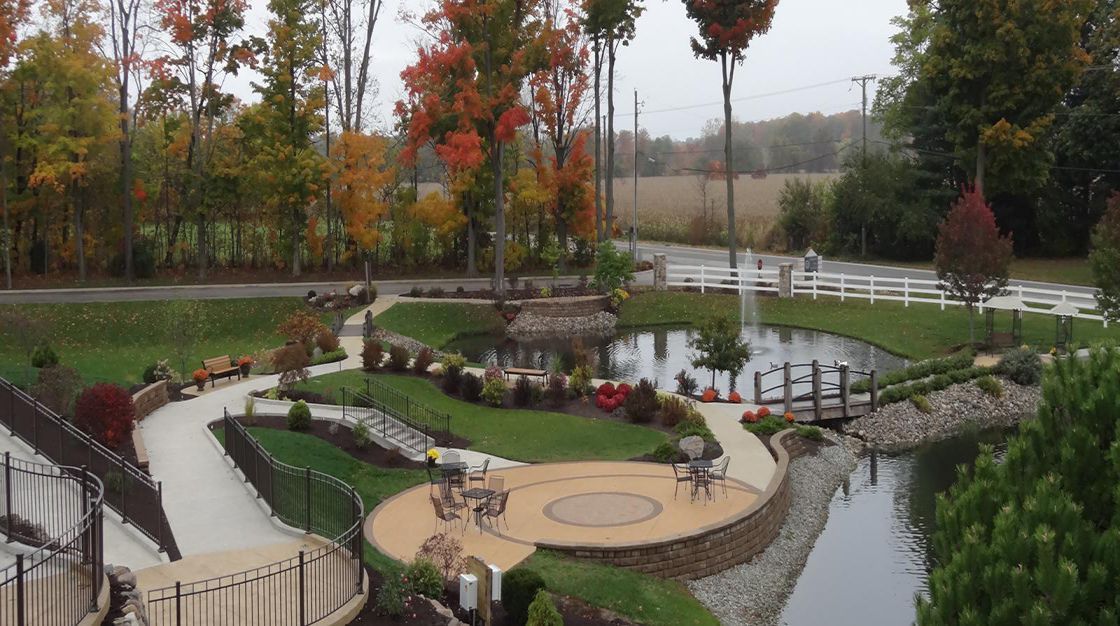
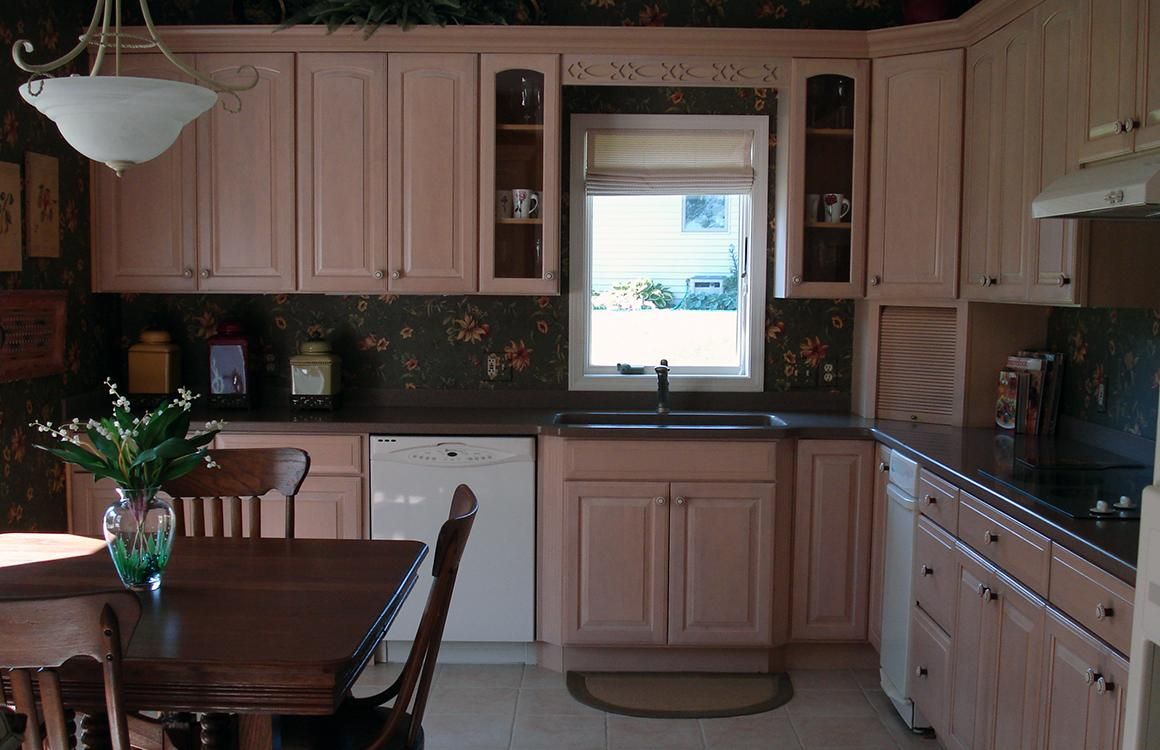
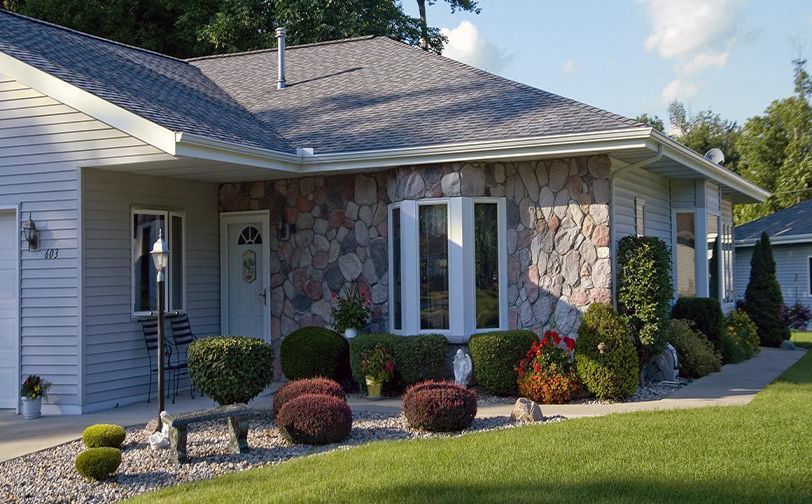
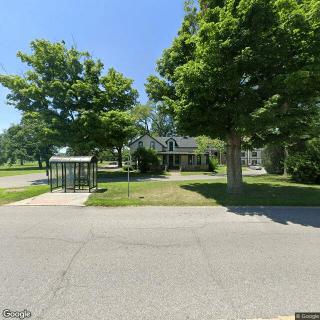
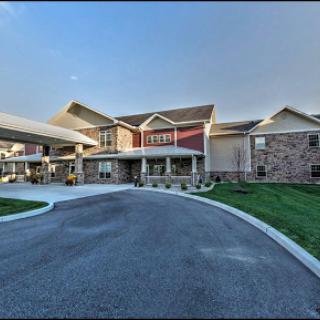
 They serve delicious meals in a beautiful facility.
- There are many wonderful amenities, and the staff treat every resident as if they were their own family member.
- The staff are described as caring and go above and beyond for residents.
- Hubbard Hill has taken superb care of residents during the COVID-19 pandemic and prioritized safety.
- A mother’s care at Hubbard Hill was described as stellar by visiting family.
- Special thanks are given to Marcy for visiting and caring.
Cons
 He was placed in the long-term area because the short-term rehabilitation wing was overbooked, which was not appropriate for his needs.
- His medications were completely messed up, including receiving four times the dosage of one prescribed medication despite corrections being requested.
- He had to wait almost a week before beginning physical therapy.
- The promised home physical therapy after discharge was not provided.
- The facility misrepresented staffing ratios, resulting in inadequate care and attention for residents.
- Costs increased by 38% within 18 months.
- Hygiene care was severely lacking, with basic needs frequently neglected.
- Six weeks after leaving, they billed an $1,800 security deposit on a bogus issue.
Review
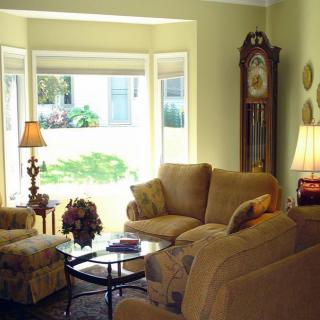
Hubbard Hill is best suited for families seeking a warm, caregiver-driven environment, particularly for memory care and long-term residents who value a home-like atmosphere, attentive staff, and solid social programming. The facility earns praise for meals, comfortable common areas, and teams that treat residents as family, with several families expressing deep gratitude for the consistent kindness shown by caregivers. When a loved one wants daily reassurance, meaningful engagement, and a sense of belonging, Hubbard Hill delivers those intangibles in spades. This is not a spot pitched as a clinical fortress; it is a place where relational care and quality of life take precedence in everyday operations.
That said, potential residents who require strict, on-demand medical oversight or tightly coordinated rehabilitation may want to evaluate alternatives carefully. The reviews flag persistent gaps in clinical execution, including medication management errors and delays getting residents into prescribed rehabilitation programs. Short-term rehabilitation, in particular, appears vulnerable to missteps, with reports of misfiled or misadministered meds, and a slow start to therapy. Billing and financial transparency also loom as a concern for some families, including assertions of inflated charges after discharge. For those needing high-acuity medical supervision or rapid, streamlined rehab, Hubbard Hill may not meet expectations.
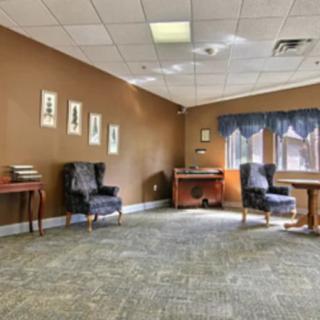
The strongest pros, genuine warmth from staff, a sense of family, and high-quality personal interactions, do offset several significant drawbacks for many families, especially in memory care or long-term stages. When care partners are consistent, residents tend to receive attentive, respectful treatment, and families repeatedly note that caregivers go above and beyond in daily routines, meals, and personal interactions. The facility’s amenities and dining experience reinforce a dignified daily life, contributing to a favorable overall quality-of-life picture. In contexts where emotional support, stability, and continuity of care matter most, these strengths can substantially mitigate concerns about hygiene lapses or occasional care gaps.
Still, the negatives cannot be ignored, and they tilt the balance depending on priorities. Hygiene and nutritional concerns, along with a documented pattern of overmedication in some accounts, raise legitimate safety questions for residents with complex medical needs or those who require meticulous routine medical monitoring. Cost trajectory adds another layer of risk for families budgeting long-term care, especially when increases are sharp and opaque. The allegations regarding staff attitudes toward residents of color, while isolated in a few reviews, are also a serious reminder to evaluate culture and inclusivity firsthand during tours and conversations with leadership.
For families prioritizing dementia-related care and a home-like setting, Hubbard Hill can be an excellent fit if one conducts thorough due diligence. Prospective residents should press for a detailed care plan, request to observe a shift, and verify that medication administration practices are robust and transparent. It is wise to confirm rehab pathways before admission, including who delivers therapy, how quickly therapy starts, and how aftercare or home-health connections are managed after discharge. If these safeguards look solid, the positives, caregiver attentiveness, meaningful engagement, and a welcoming environment, often align with expectations for long-term living.
In practical terms, the decision hinges on how much weight is given to relational care versus clinical precision and cost clarity. Hubbard Hill tends to excel when the priority is a compassionate, resident-centered household with strong day-to-day support and a reassuring social framework. It warrants strong consideration for memory care and long-term living where personal connection and quality of life are paramount. However, for families where medical administration, rapid rehabilitative therapy, or transparent, predictable pricing are non-negotiables, exploring alternative communities with a stronger emphasis on clinical operations and financial transparency is highly advisable.
 66 resident community capacity
 Assisted Living
 Continuing Care Retirement Community (CCRC)
 Independent Living
 Respite Care
 Skilled Nursing Facility
 Air-conditioning
 Beauty salon
 Cable or satellite TV
 Computer center
 Fitness room
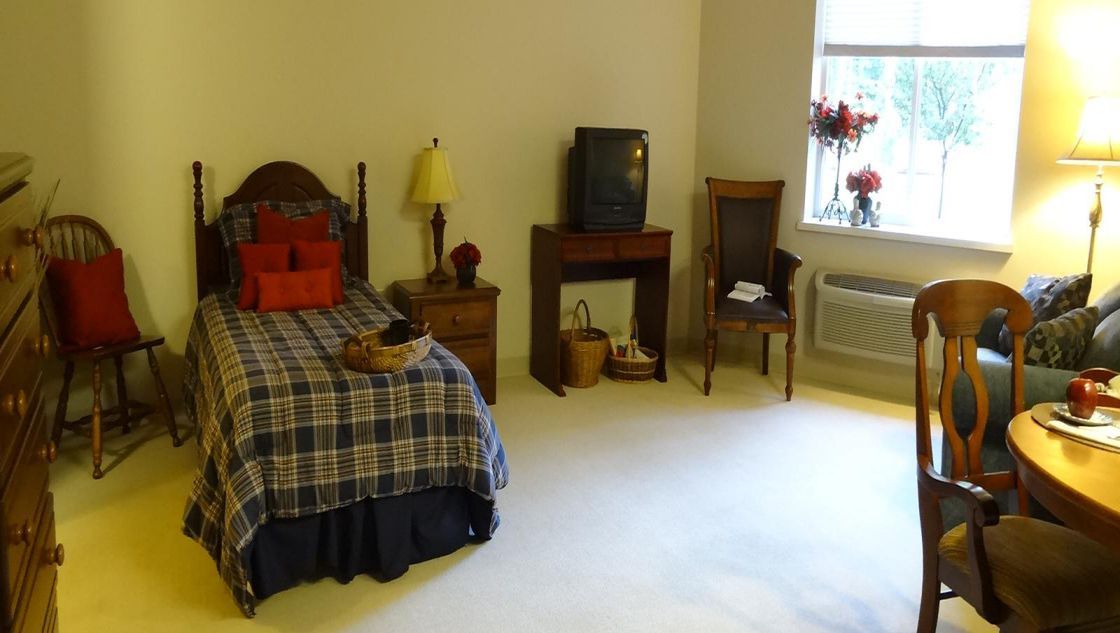
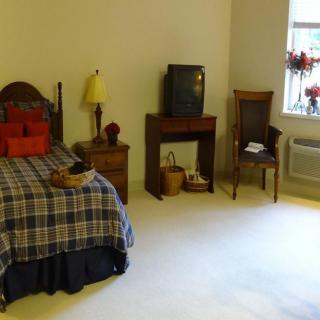
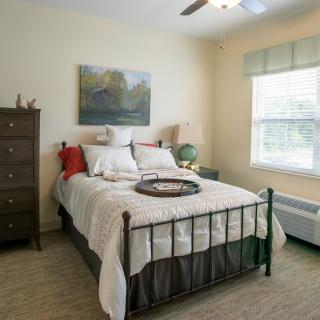
 Fully furnished
 Gaming room
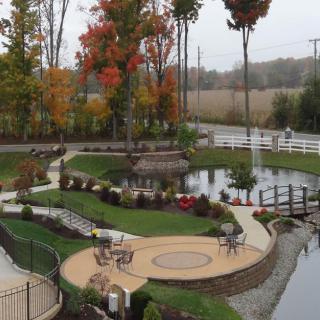
 Garden
 Housekeeping services
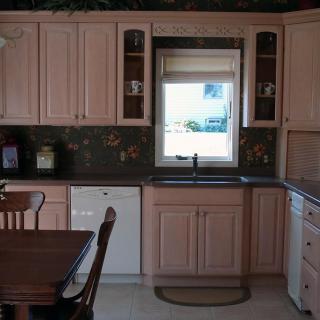
 Kitchenette
 Move-in coordination
 Outdoor space
 Private bathrooms
 Restaurant-style dining
 Small library
 Telephone
 Wellness center
 Wi-Fi/high-speed internet available
 South Bend Regional (17 miles away)
 Community operated transportation
 24-hour call system
 Activities of daily living assistance
 Assistance with bathing
 Assistance with dressing
 Assistance with transfers
 Diabetes diet
 Medication management
 Special dietary restrictions
 Concierge services
 Planned day trips


 Comprehensive Residential Support and Assisted Living Solutions for Individuals with Disabilities
 Comprehensive Supportive Living Arrangements for Adults with Disabilities
 Funding and Affording Assisted Living: A Thorough Overview