
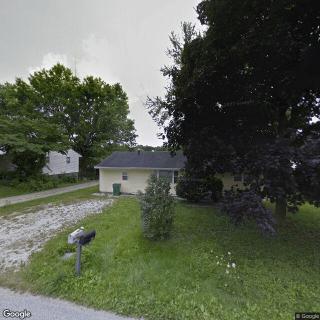
5656 W Ison Rd, Bloomington, IN 47403
To contact a resident: (812) 825-8999
For more information about senior living options: (866) 208-4318
Overall Review of Anderson Woods Inc
Pros
 The daughter looks forward to attending this camp every year.
- The camp is neat with a nice setup.
- The client loves the camp.
- The son loves this camp; this is his fifth year attending.
- The people there are great, and the cost is reasonable.
- The camp is awesome.
- The staff feels like family; they are caring, fun, and professional.
- They look forward to next year.
Review
Anderson Woods Inc in Bloomington, Indiana operates like a warmly run, family‑minded program that shines when the question is social engagement, staff accessibility, and a sense of belonging. Reviews consistently describe caregivers as caring, professional, and invested, with families noting that children are welcomed and well supported. For families evaluating an assisted living choice, this community is best suited for short‑term, highly social programming rather than long‑term residence with medical oversight. In short, it excels for participants who thrive on regular human contact, structured activities, and a family atmosphere, but it is not designed to meet ongoing elder care needs.
Who may want to consider alternatives? Any senior requiring around‑the‑clock supervision, medication management, or on‑site nursing should look to providers built around elder care. The reviews emphasize engagement, warmth, and affordability, not medical acuity or long‑term housing. For an elderly loved one needing help with daily tasks or emergency response, a traditional assisted living or memory‑care setting with licensed nursing staff is the more appropriate fit. Anderson Woods offers a cherished culture, but its service scope does not substitute for long‑term medical oversight.
On the upside, the strongest pros are staff who feel like family, a consistently caring and professional atmosphere, and a cost structure that families regard as reasonable. Several reviews note staff who help with logistics and daily routines, translating into peace of mind during busy seasons. The neat setting and well‑organized programming add to safety and predictability, with social bonds forming easily. The obvious drawback is the lack of ongoing medical or continuous care infrastructure. For an elder with even modest medical needs, this cannot replace living arrangements with on‑site nurses, routine medical oversight, or memory‑care tracks. A rare lower rating hints at variability, possibly tied to group size or staffing levels.
Practically, a family evaluating this option should press for clarity on staffing ratios, hours, and what “care” truly means in practice. Ask how emergencies are handled, what medical support exists, and whether mobility and transportation accommodate older adults. Look for a concrete activity calendar, cognitive engagement, and safety features that reflect elder‑care expectations. If the aim is respite or seasonal programming for a younger loved one, the fit is excellent; if the aim is long‑term senior living, pursue a setting with stronger medical and daily‑living support.
Compare this with elder‑care communities that advertise licensed nursing staff, 24/7 supervision, memory‑care neighborhoods, and personalized care plans. Visit several locations, request program menus for older adults, and examine safety design, fall prevention, and emergency systems. The core takeaway is that while Anderson Woods may deliver warmth and a trustworthy staff culture, its scope is not aligned with long‑term elder care needs. When medical oversight and chronic‑care capabilities are non‑negotiable, pivot to options built for that purpose.
In sum, Anderson Woods stands out for families who prize a personable, affordable, engagement‑driven environment. It delivers warmth, reliable staff, and a welcoming culture that can ease nonmedical respite and seasonal needs. However, for seniors requiring continuous medical oversight, mobility assistance, or specialized memory care, this is not the right endpoint. The practical path is to leverage its strengths for short‑term engagement while identifying a dedicated elder‑care community for long‑term housing and medical support. The verdict is clear: use this option where social stimulation and a home‑like staff culture matter most, and pursue alternatives where medical and long‑term residential support are essential.
 Board and Care Home


 A Detailed Exploration of Living Wills and Advance Directives
 Comprehensive Guide to Medicare Coverage for Hospice Care
 Caring for Those Who Care: Recognizing, Understanding, and Overcoming Caregiver Burnout